

Ottoman sultan’s John Hancock gets facelift in Jaffa
Aging imperial seal of Abdulhamid II on iconic clock tower restored as part of conservation of city landmark
 Add ToI as a Preferred Source on Google
Ilan Ben Zion is an AFP reporter and a former news editor at The Times of Israel.
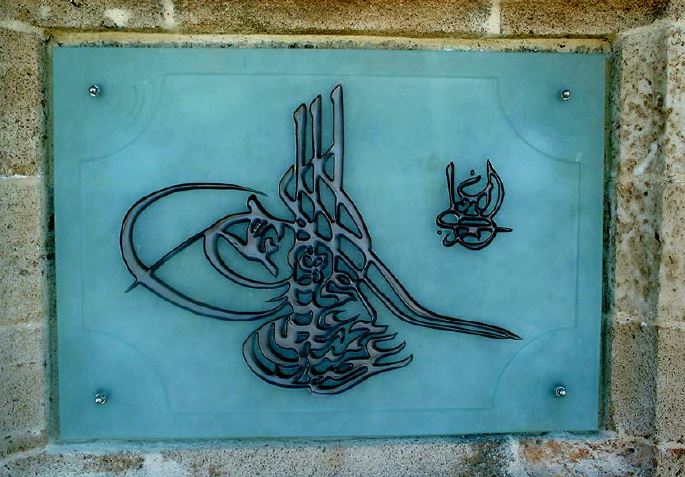
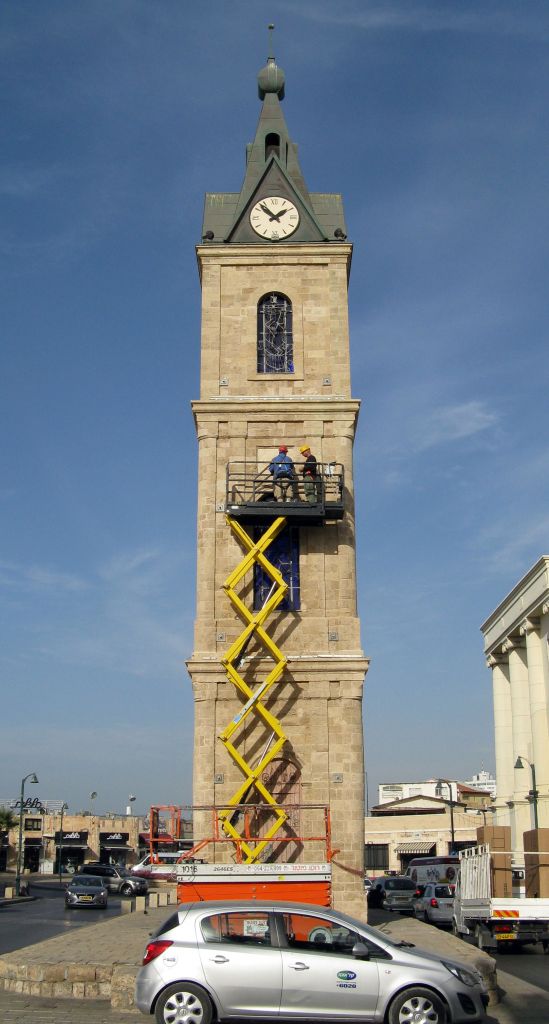
It’s not just ties with the current Turkish government that are on the mend in Israel. The seal of the last Ottoman sultan on Jaffa’s iconic clock tower was just restored to its former glory after years of neglect, the Israel Antiquities Authority said Tuesday.
The clock tower underwent extensive restoration in the past year. Conservators found that the tughra, or official monogram, of Sultan Abdulhamid II, who ruled from 1876 to 1909 and erected clock towers throughout the empire, had lost its original color, was cracked and at risk of falling off.
The south-facing panel with the imperial signature was the last of the tower’s original four faces. The others were replaced with glass replicas in 2001. The tower was paid for by donations from the city’s Jews and Arabs in honor of Abdulhamid’s silver jubilee, and completed in 1903.
Putting up clock towers throughout the floundering empire was a symbol of modernity and an attempt to instill the power of the state and the sultan in far-flung cities and towns. Abdulhamid II oversaw efforts to modernize and westernize the Ottoman state, while exerting autocratic control over his subjects.
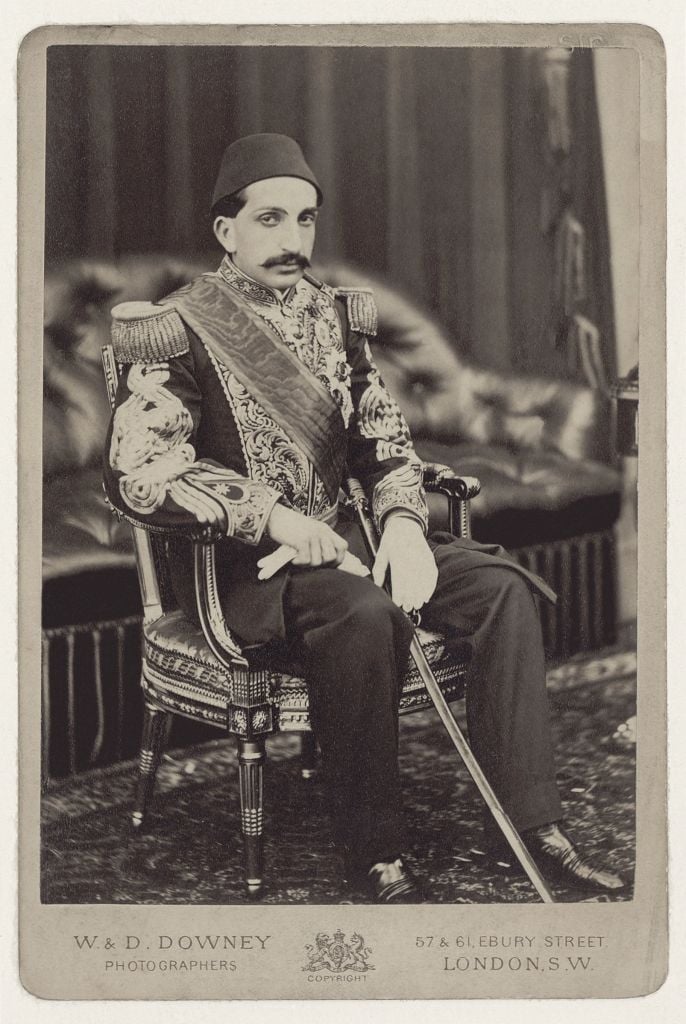
Six of the seven clock towers erected by Abdulhamid II remain: in Jaffa, Acre, Nablus, Safed, Nazareth and Haifa. Jerusalem’s clock tower, raised over the Jaffa Gate, stood above the main market square between 1908 and 1922, but was torn down by the British and put up next to the post office and city hall buildings before being finally demolished in 1934.
“The tughra first appeared as the seal of the second Ottoman sultan, Orhan (1326-1362), and has since represented the sultans of the Ottoman Empire, as well as the kingdom itself,” IAA archaeologist Yoav Arbel said in a statement. “The tughra is a monogram that incorporates the sultan’s name, his titles, his father’s name and blessings, along with symbolic characteristics of the Ottoman Empire.”
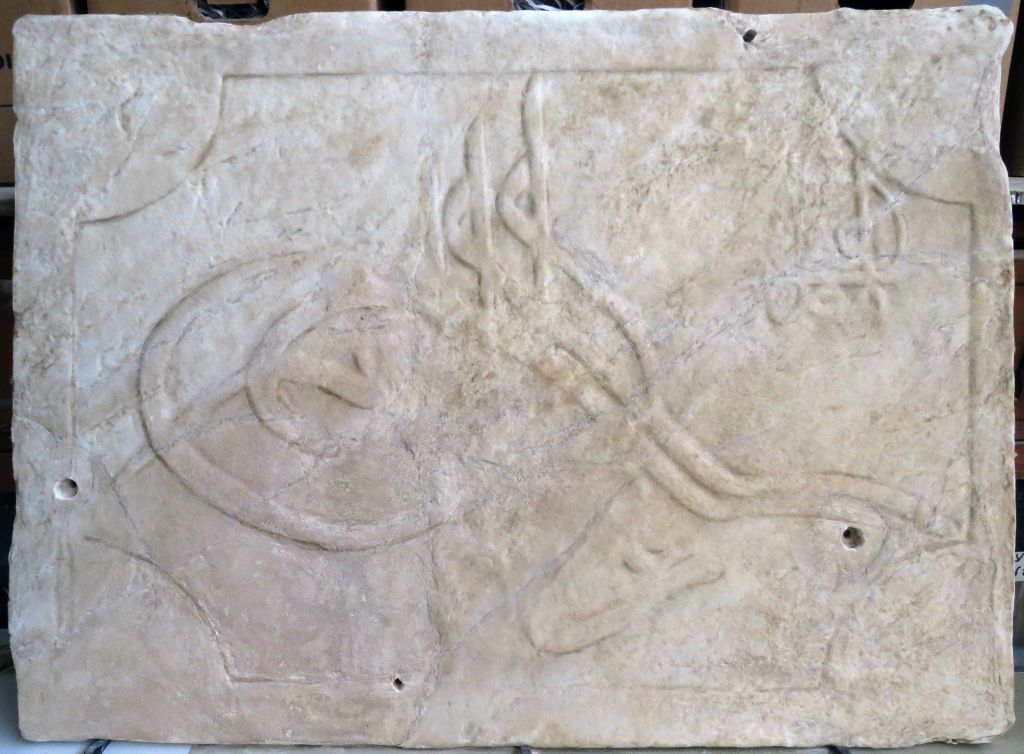
After closer inspection of the tughra, the IAA removed the plaque, and conservator Mark Avrahami formed a new support for the seal and accentuated its pigments before returning it to Jaffa two weeks ago.
While Turkey actively engages in restoration of Ottoman heritage sites, the IAA wasn’t available for comment on whether the Jaffa clock tower’s work was done with Ankara’s assistance.
Sharp-eyed visitors to Jerusalem can also spy Abdulhamid II’s tughra atop the Jerusalem Health Bureau on Jaffa Street, just outside the Mahane Yehuda market. The emperor’s tughra also appears at the Qishle, near the clock tower, and above the impressive public fountain, in front of the city gate, also recently restored by the IAA.




The Times of Israel Community.