

Over 100,000 Muslim worshipers at Al-Aqsa in first Friday prayers after Jerusalem holy sites reopen
The mosque on the Temple Mount had been largely closed to the public, along with other Muslim, Christian and Jewish holy sites, due to safety restrictions amid Iran missile fire
 Add ToI as a Preferred Source on Google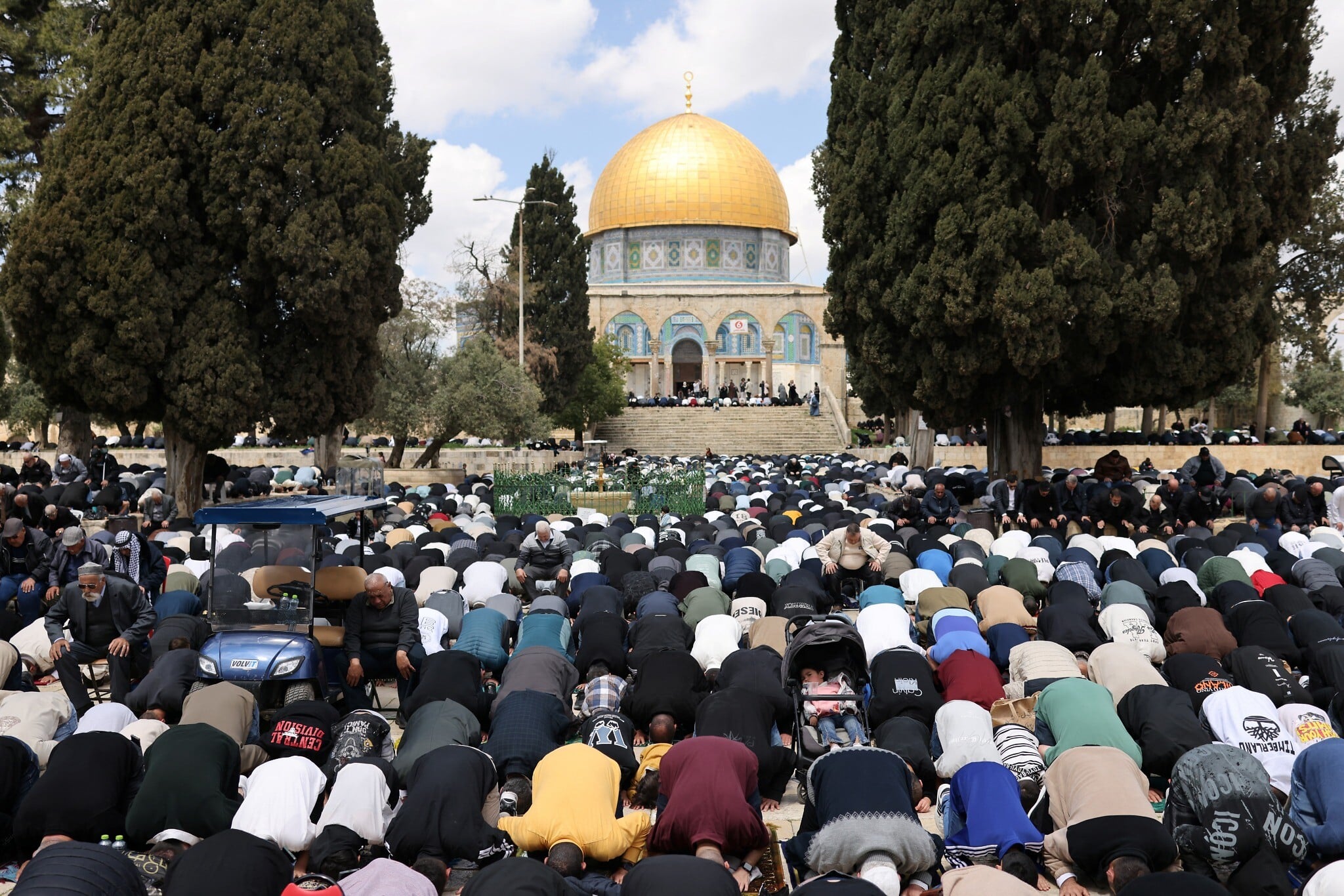
More than 100,000 Muslim worshipers performed Friday prayers at the Al-Aqsa Mosque on the Temple Mount in Jerusalem, the holy site’s Islamic authority reported, after it reopened the previous day following a truce agreed between the United States and Iran.
Jerusalem’s Old City is home to major holy sites for all three Abrahamic religions, which had been shuttered since the start of the war sparked by the US-Israeli attack on Iran on February 28, amid safety restrictions as Iran fired hundreds of missiles at Israel, including at least two that landed in and around the Old City.
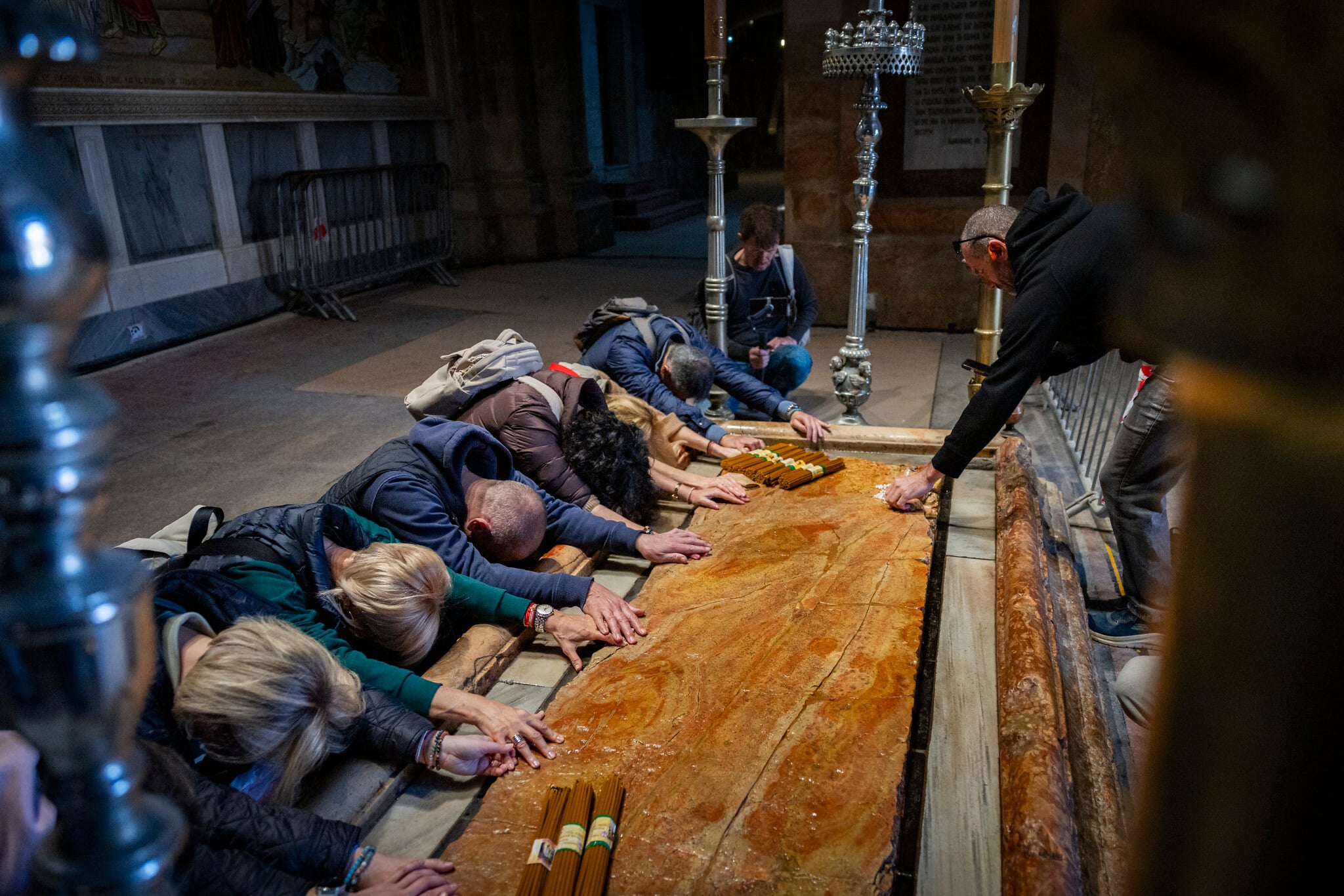
Restrictions had been in place prohibiting gatherings of more than 50 people at all of the Old City’s holy sites, including Al‑Aqsa, the Western Wall and the Church of the Holy Sepulchre.
The sites reopened to worshipers on Thursday, a day after Washington and Tehran declared a two-week ceasefire in the Middle East war.
Muslim worshipers had been unable to access Al-Aqsa, Islam’s third-holiest site, even during the holy month of Ramadan this year, and the Western Wall plaza below the Mount, the holiest place where Jews can pray, remained almost empty during the weeklong Jewish Passover festival.
On Friday, more than 100,000 Muslims performed the weekly Friday prayer at Al-Aqsa, according to the Islamic Waqf, the Jordanian body that administers the site.
Footage showed the compound packed with worshipers.
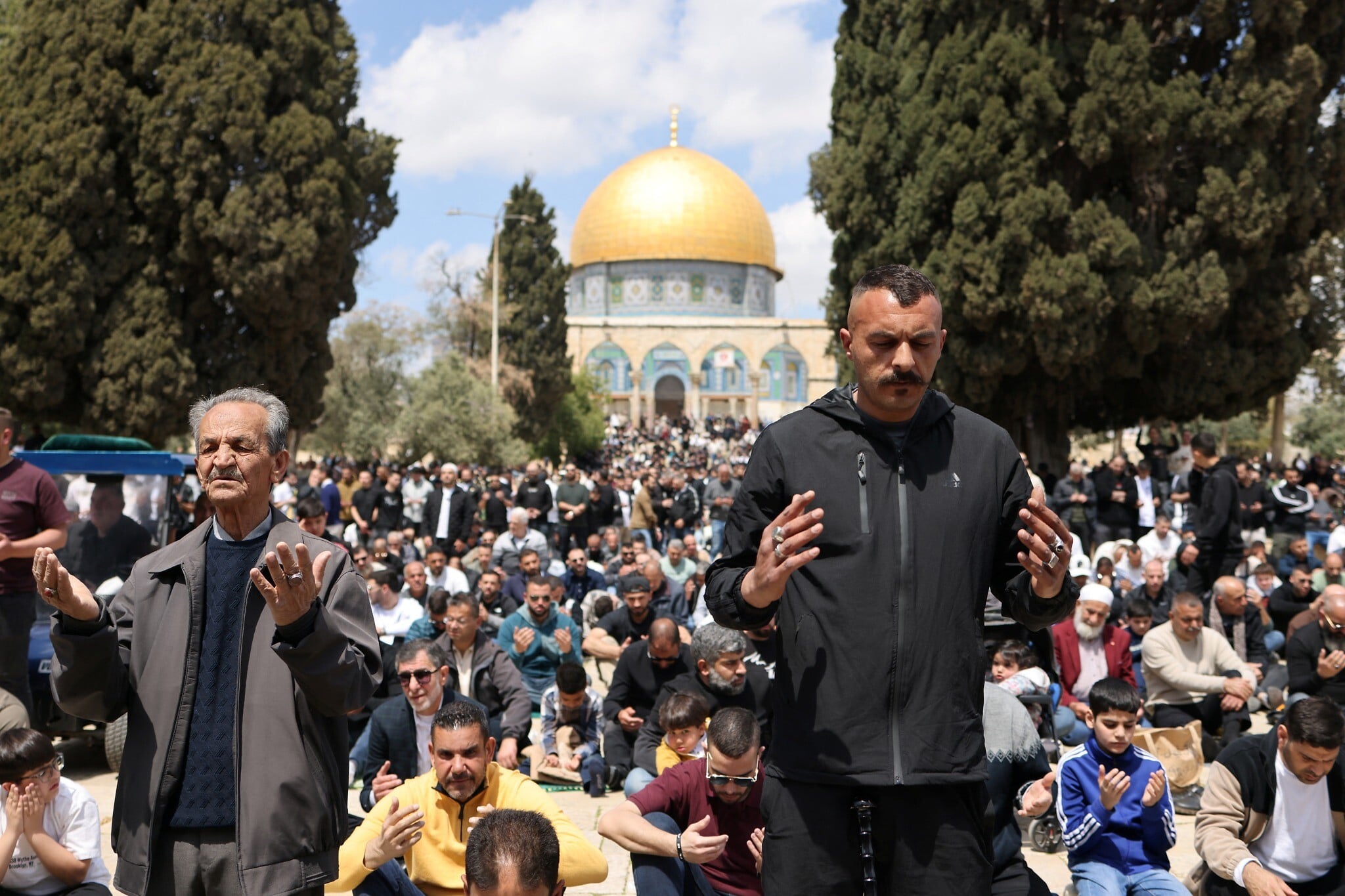
“Hopefully they will not close Al-Aqsa again, and everyone will be able to come to this holy place —whether residents of Jerusalem or from the West Bank,” said 30-year-old Mohammad Saaedeh.
Palestinians from the West Bank remain subject to strict Israeli restrictions based on age and permit quotas, largely in place since the October 7, 2023, Hamas massacre.
“Friday prayer is an obligation for us, but performing it at Al-Aqsa is something entirely different,” said Sharif Mohammad, 39.
“It’s an indescribable feeling,” added Ahmad Ammar, 55.
The Temple Mount is revered by Jews as the historic location of the two Jewish Temples, making it Judaism’s holiest site. It is also the third-holiest for Muslims, who refer to it as the Al-Aqsa Mosque compound or the Noble Sanctuary. The site has been a frequent flashpoint for violence in the region.
Israel is also preparing for the Holy Fire ceremony slated for Saturday — an annual event observed by Orthodox Christians a day before Easter, which often attracts massive crowds to the Church of the Holy Sepulchre.
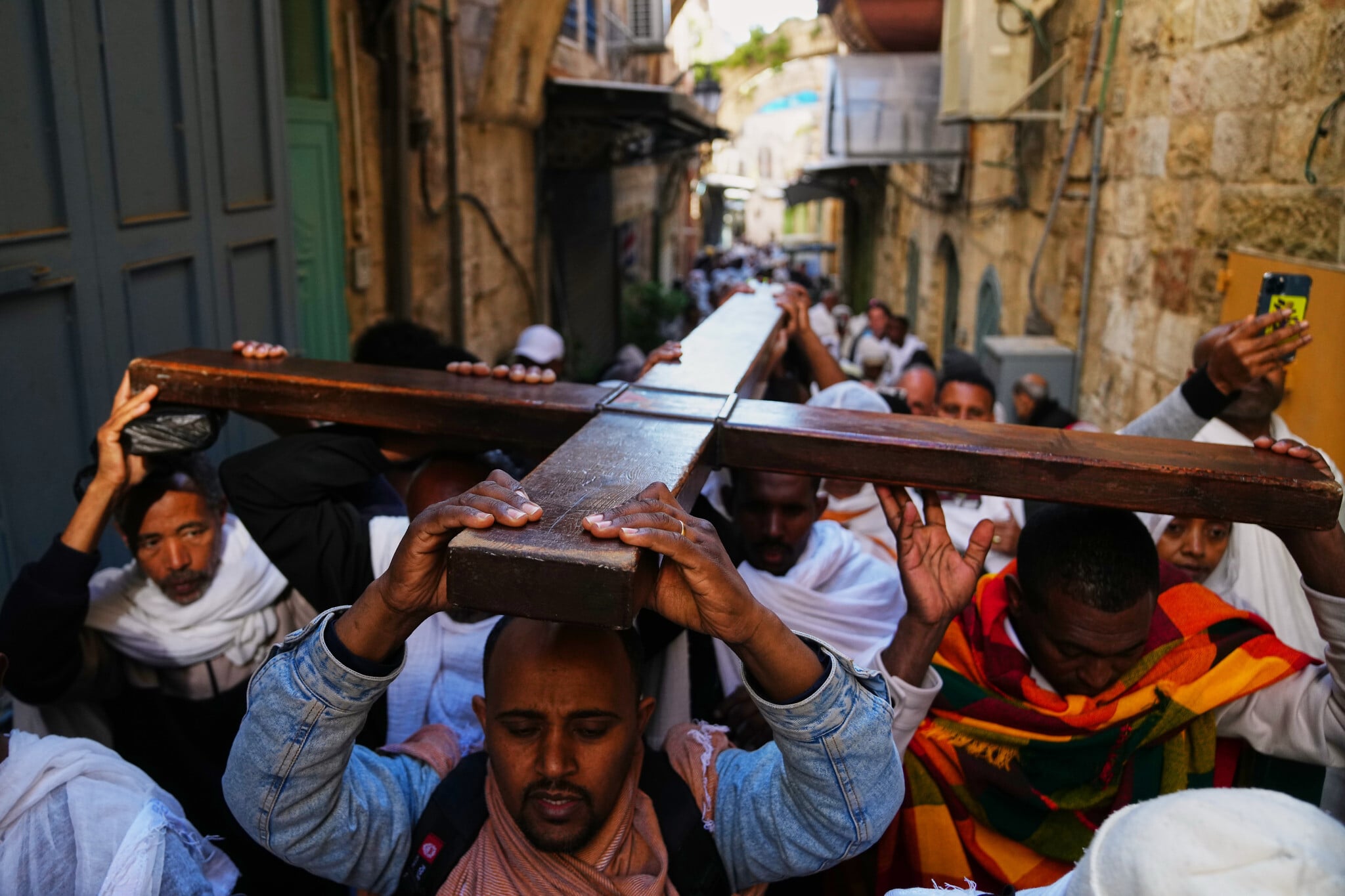
Police said that they held meetings in recent weeks with Jerusalem’s Christian leaders, which “strengthened coordination with the various denominations” ahead of the event. They said they set a maximum capacity limit, but did not elaborate on how many people.
During hostilities with Iran, the Old City served as a focal point of controversy for Jews, Muslims and Christians, raising questions about the freedom to worship during times of war.
Earlier this week, before the ceasefire was called, Jewish religious leaders filed a petition in the High Court demanding that restrictions be eased on public gatherings at the Western Wall and Temple Mount.
Judges subsequently boosted the number of people permitted at the sites from 50 to 100.
In March, police sparked an international outcry after barring the Latin Patriarch from entering the Church of the Holy Sepulchre on Palm Sunday. Police later reached an agreement with the Latin Patriarchate allowing for limited Christian prayer at the site.
During the latter half of Ramadan, law enforcement shut Al-Aqsa Mosque due to the war, leading Muslims to pray en masse outside the Old City walls on Friday mornings. Police violently dispersed several of these gatherings, citing Home Front Command regulations.
Beyond the reopening of the holy sites in Jerusalem, the Israeli authorities have lifted most of the restrictions linked to the state of emergency over the war with Iran.
This excludes the country’s northern border area near Lebanon, where the war against Iran-backed Hezbollah continues.






The Times of Israel Community.