

Photographer’s images of Ukraine bear witness to war zone
Russian-born Israeli Pavel Wolberg’s new exhibit in Haifa of Russia’s previous incursion foreshadows the 2022 war
 Add ToI as a Preferred Source on Google
Jessica Steinberg, The Times of Israel's culture and lifestyles editor, covers the Sabra scene from south to north and back to the center
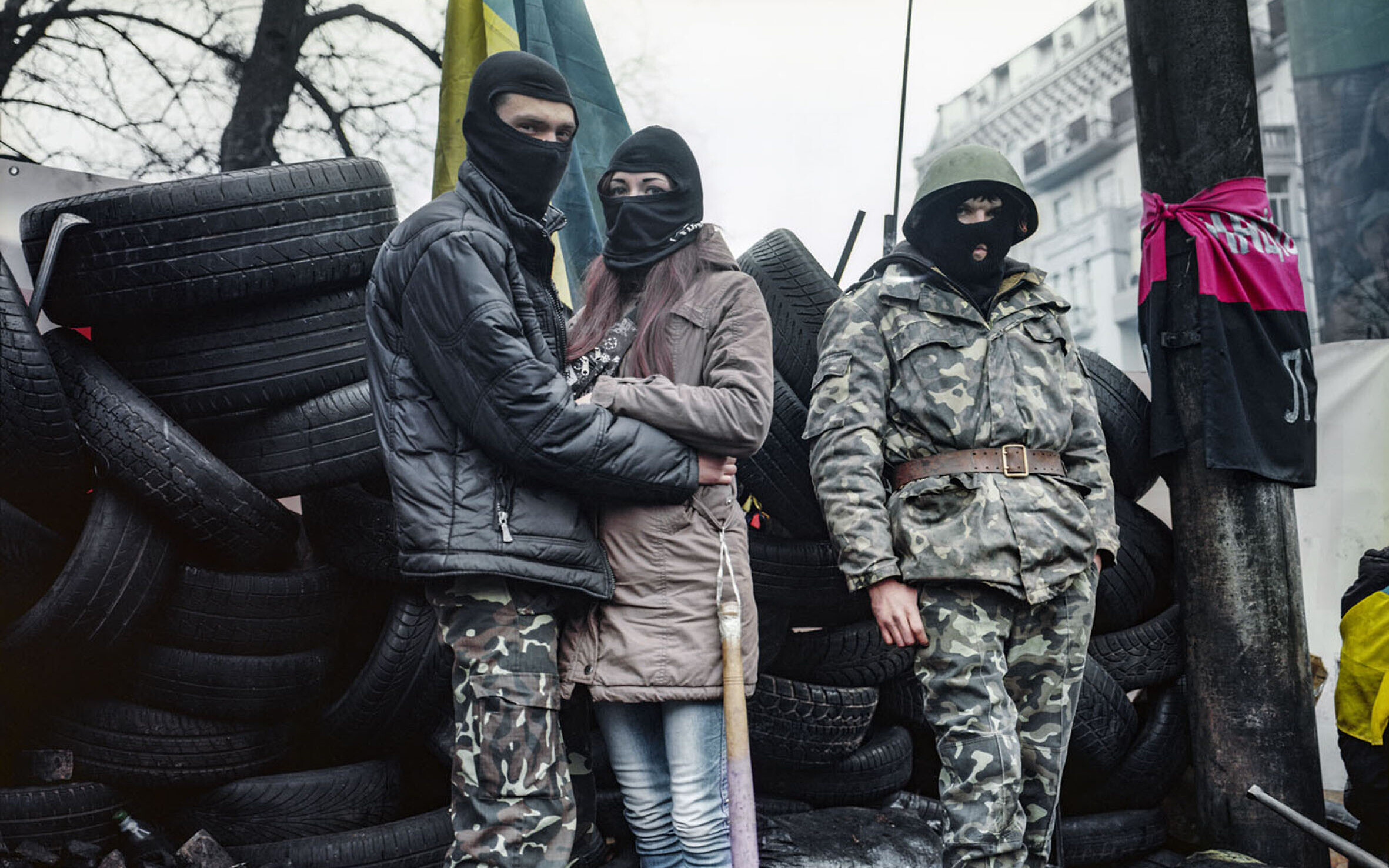
Photographer Pavel Wolberg wasn’t surprised when Russia declared war on Ukraine in February.
Born in Leningrad and raised in Israel, the award-winning photographer had been traveling to the region since 2014, watching the situation unfold with the 2014 Russian invasion into parts of eastern Ukraine.
“It was clear,” said Wolberg. “It blew up into something much bigger but it had been going on slowly for the last eight years.”
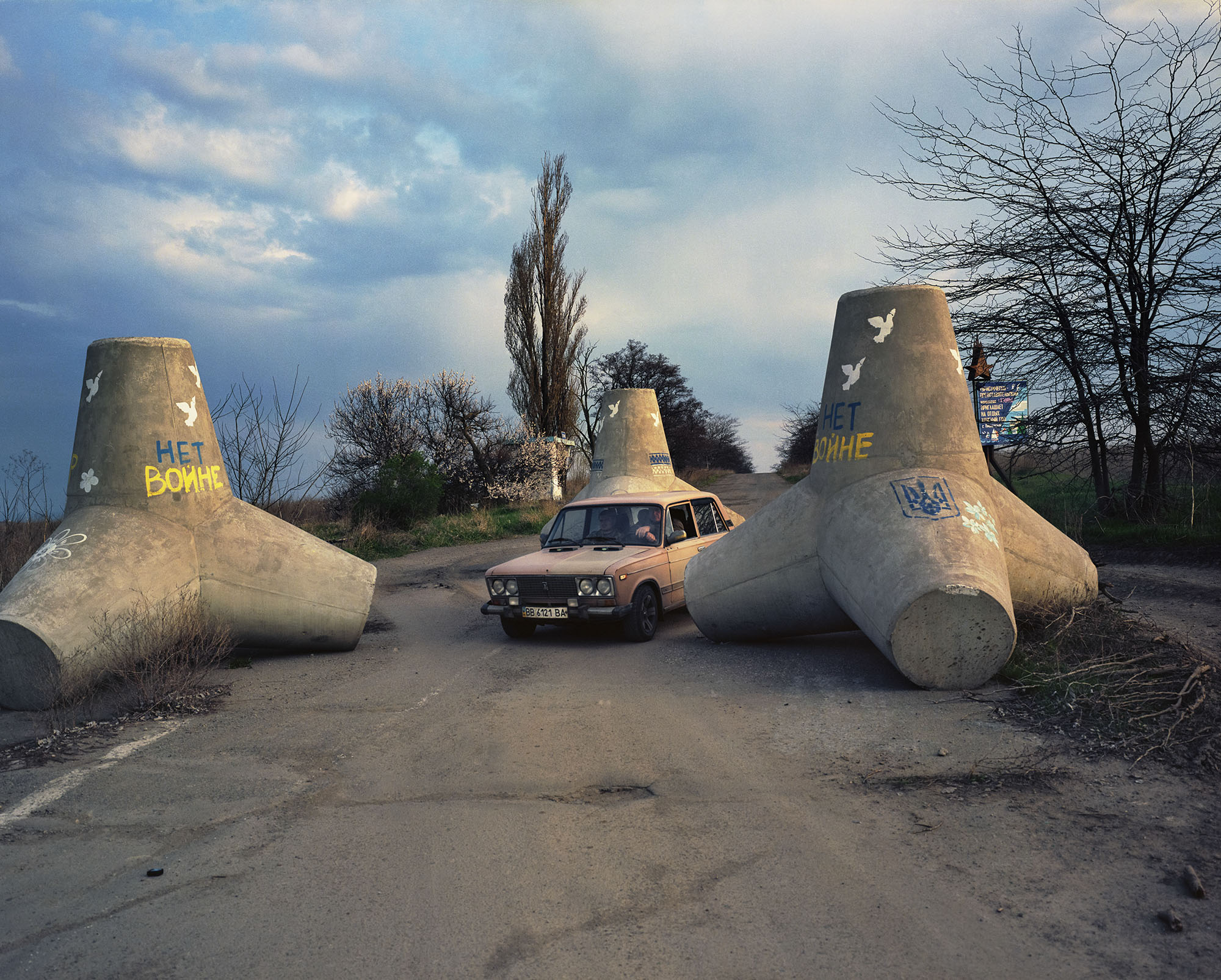
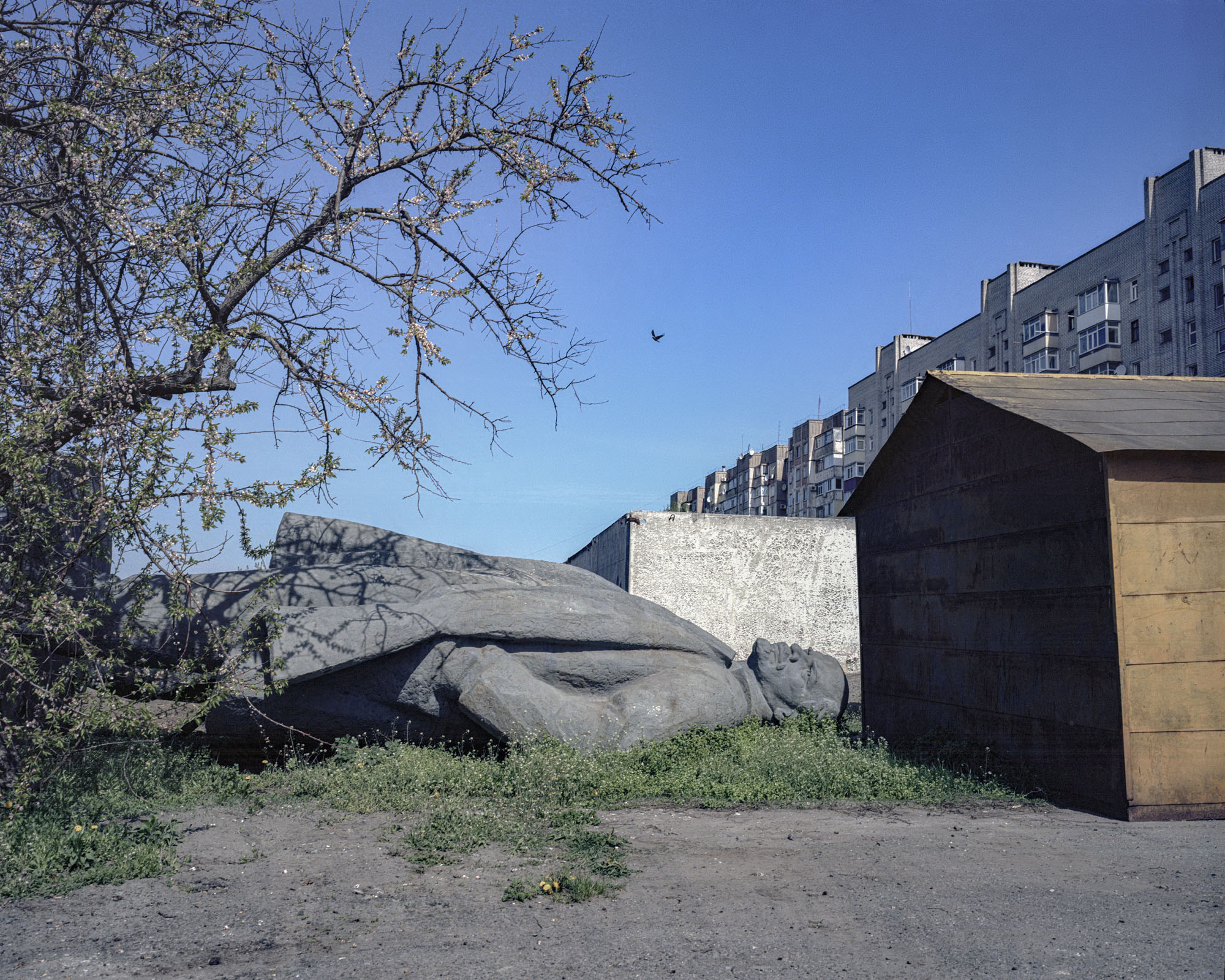
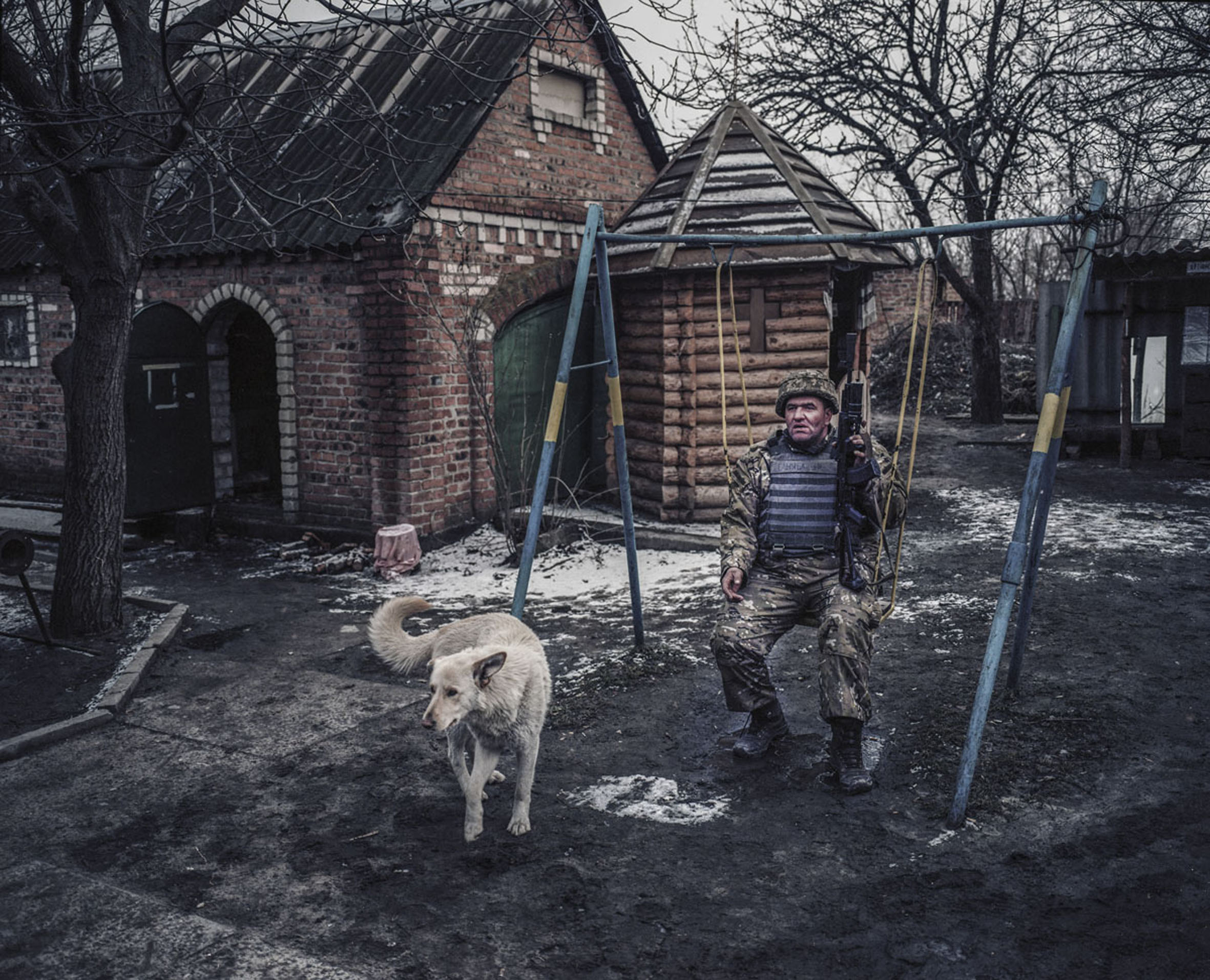
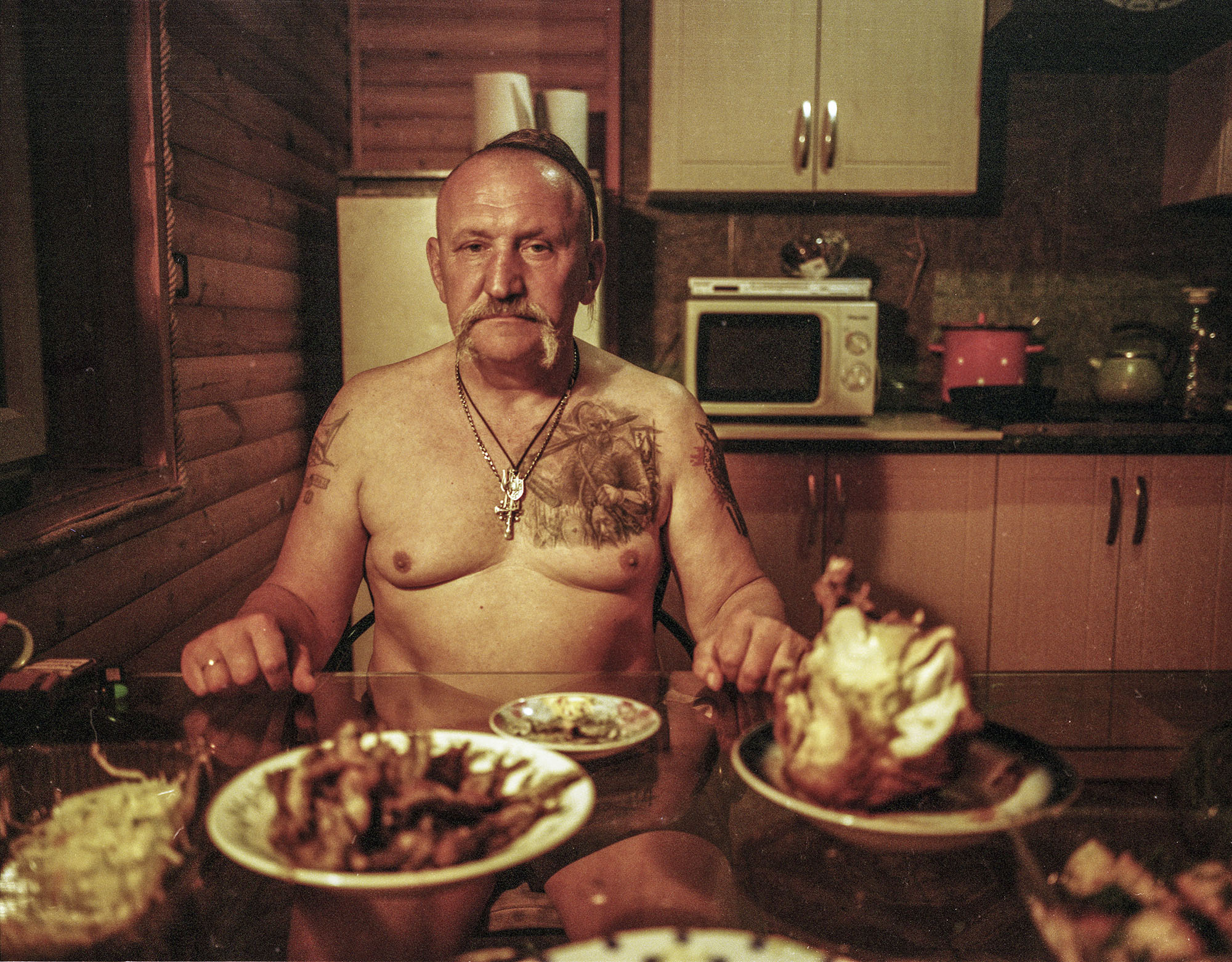
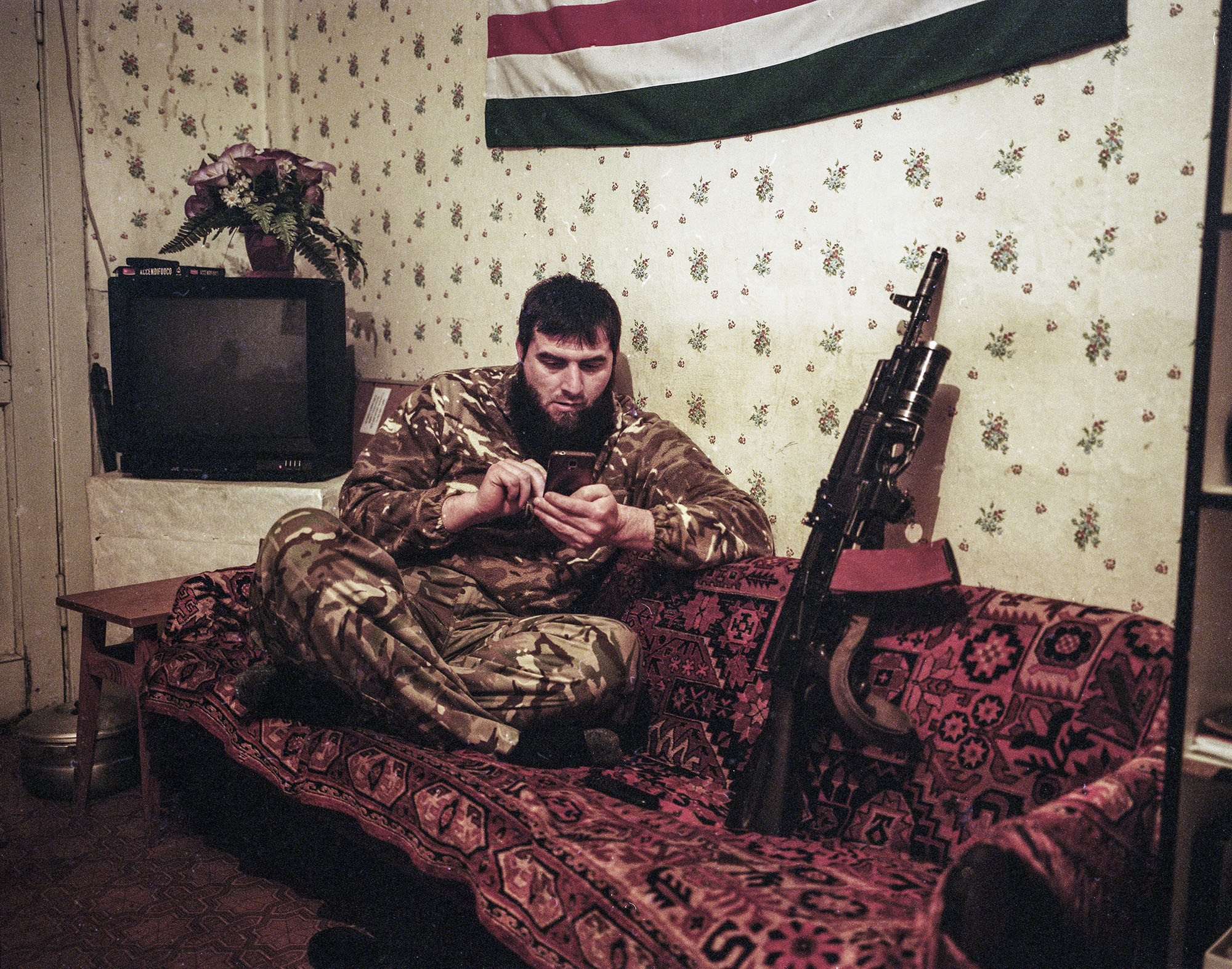
Wolberg’s familiarity with Ukraine and its people come to life in his latest exhibit, “Anti-Terrorist Operation Zone: Photos of War in Ukraine,” his body of photographs from 2014 to 2019, curated by Belu-Simion Fainaru and Avital Bar-Shai. It will run November 22 through January 22 in the art gallery of Wizo Haifa.
The name of the exhibit is a play on the title given by the Ukrainian government to Donbas, the eastern area of the country now under control of Russian forces.
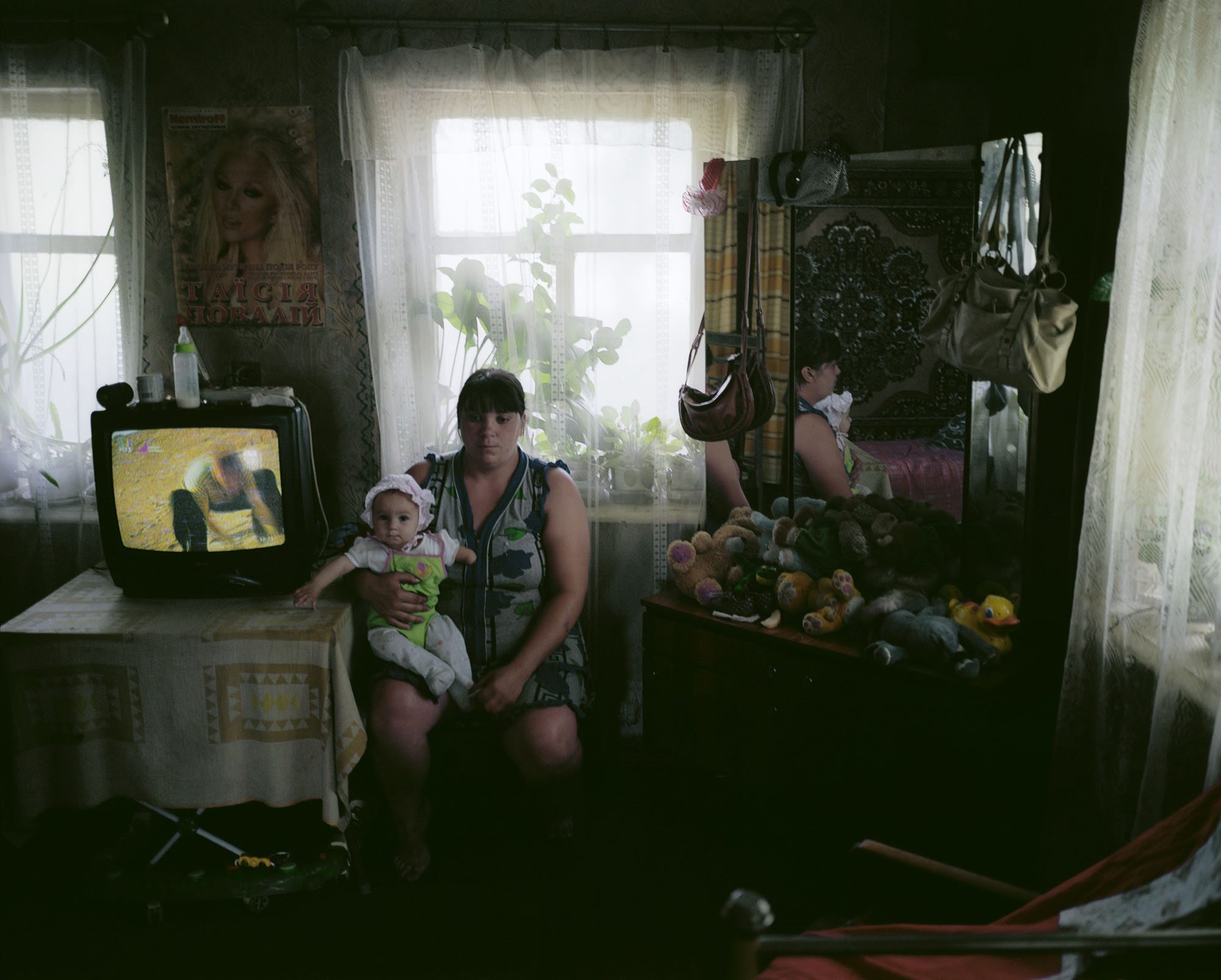
Wolberg’s photos, of a woman surrounded by a burned village, child soldiers playing war games in a forest, a battlefield, all bear witness to what happens during war, foreshadowing the events of the last nine months since Russia invaded Ukraine in February.
-
- From ‘Anti-Terrorist Operation Zone: Photos of War in Ukraine’ by Pavel Wolberg, November 22 through January 22 in the art gallery of Wizo Haifa (Courtesy Pavel Wolberg)
-
- From ‘Anti-Terrorist Operation Zone: Photos of War in Ukraine’ by Pavel Wolberg, November 22 through January 22 in the art gallery of Wizo Haifa (Courtesy Pavel Wolberg)
-
- From ‘Anti-Terrorist Operation Zone: Photos of War in Ukraine’ by Pavel Wolberg, November 22 through January 22 in the art gallery of Wizo Haifa (Courtesy Pavel Wolberg)
-
- From ‘Anti-Terrorist Operation Zone: Photos of War in Ukraine’ by Pavel Wolberg, November 22 through January 22 in the art gallery of Wizo Haifa (Courtesy Pavel Wolberg)
-
- From ‘Anti-Terrorist Operation Zone: Photos of War in Ukraine’ by Pavel Wolberg, November 22 through January 22 in the art gallery of Wizo Haifa (Courtesy Pavel Wolberg)
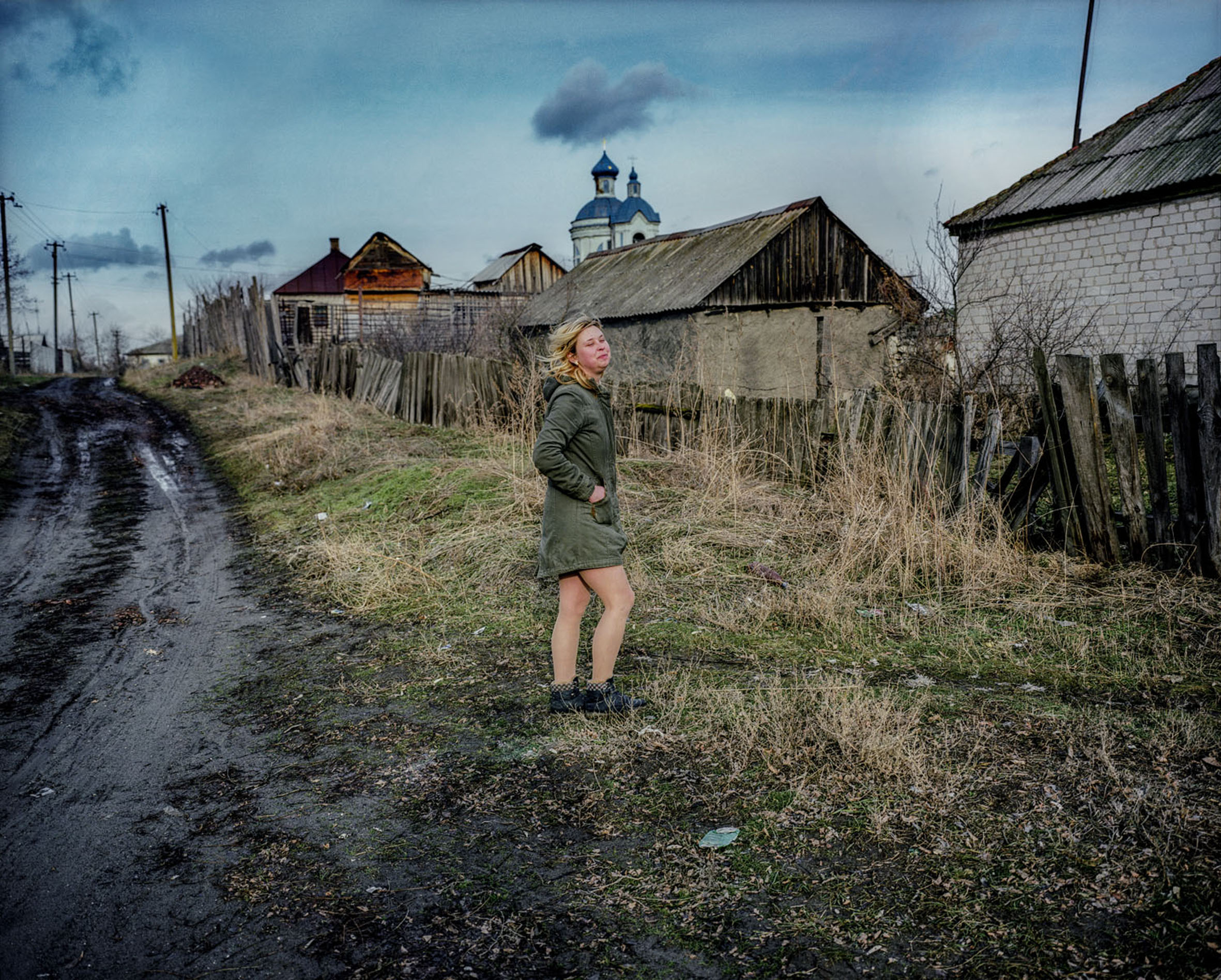
The photos are from eastern Ukraine, the area now primarily under the control of Russia. It’s historically a region where nationalities were switched back and forth, depending on the vagaries of politics and leaders, said Wolberg.
“I look at the photos and can imagine what’s going on now,” he added.
-
- From ‘Anti-Terrorist Operation Zone: Photos of War in Ukraine’ by Pavel Wolberg, November 22 through January 22 in the art gallery of Wizo Haifa (Courtesy Pavel Wolberg)
-
- From ‘Anti-Terrorist Operation Zone: Photos of War in Ukraine’ by Pavel Wolberg, November 22 through January 22 in the art gallery of Wizo Haifa (Courtesy Pavel Wolberg)
-
- From ‘Anti-Terrorist Operation Zone: Photos of War in Ukraine’ by Pavel Wolberg, November 22 through January 22 in the art gallery of Wizo Haifa (Courtesy Pavel Wolberg)
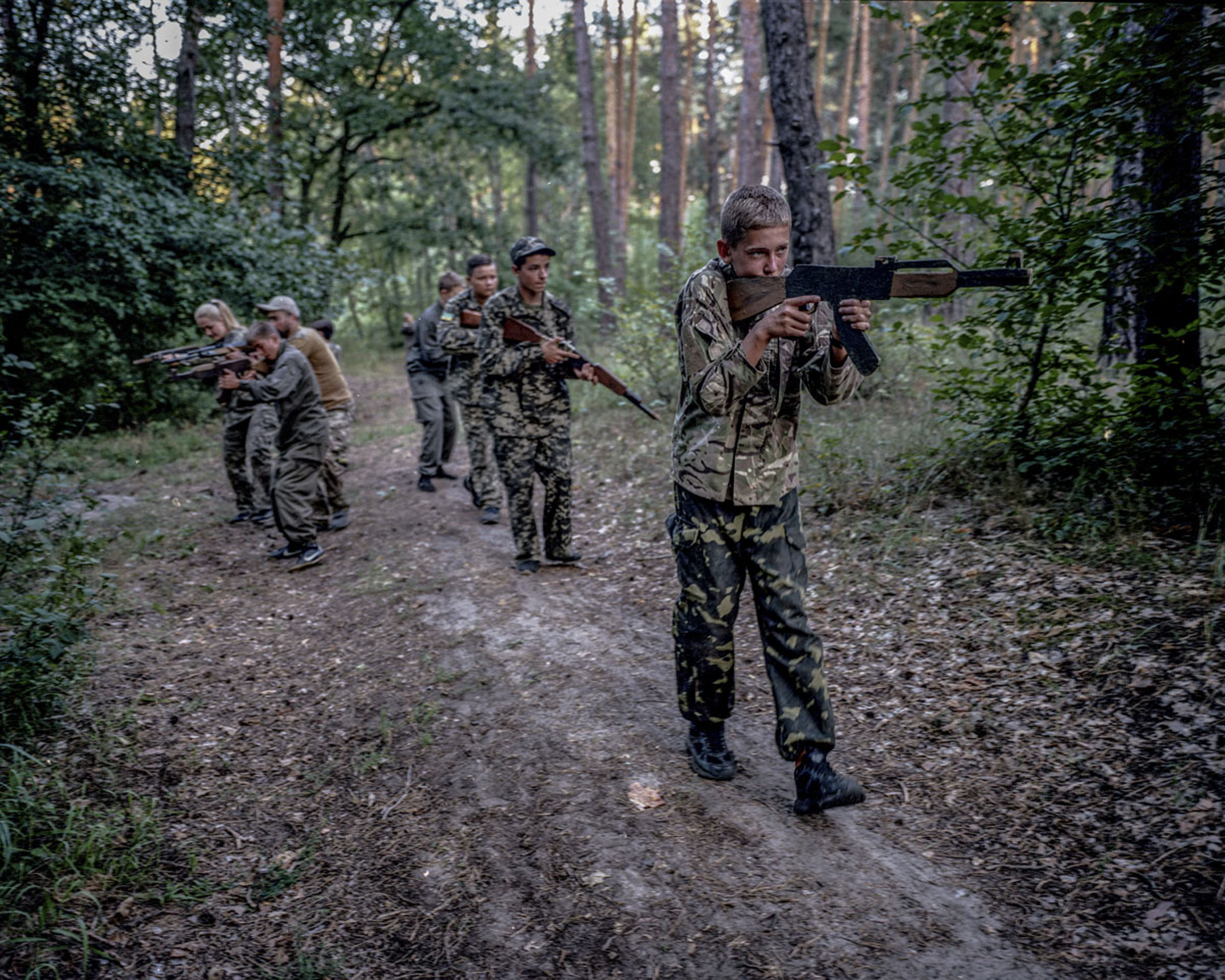
-
- From ‘Anti-Terrorist Operation Zone: Photos of War in Ukraine’ by Pavel Wolberg, November 22 through January 22 in the art gallery of Wizo Haifa (Courtesy Pavel Wolberg)
Wolberg was already an established, award-winning news photographer working with Haaretz, The New York Times and European photo agencies when he began traveling to Ukraine, wanting to understand what was happening in the region.
He was returning to the region where he was raised, but where he had few personal connections.
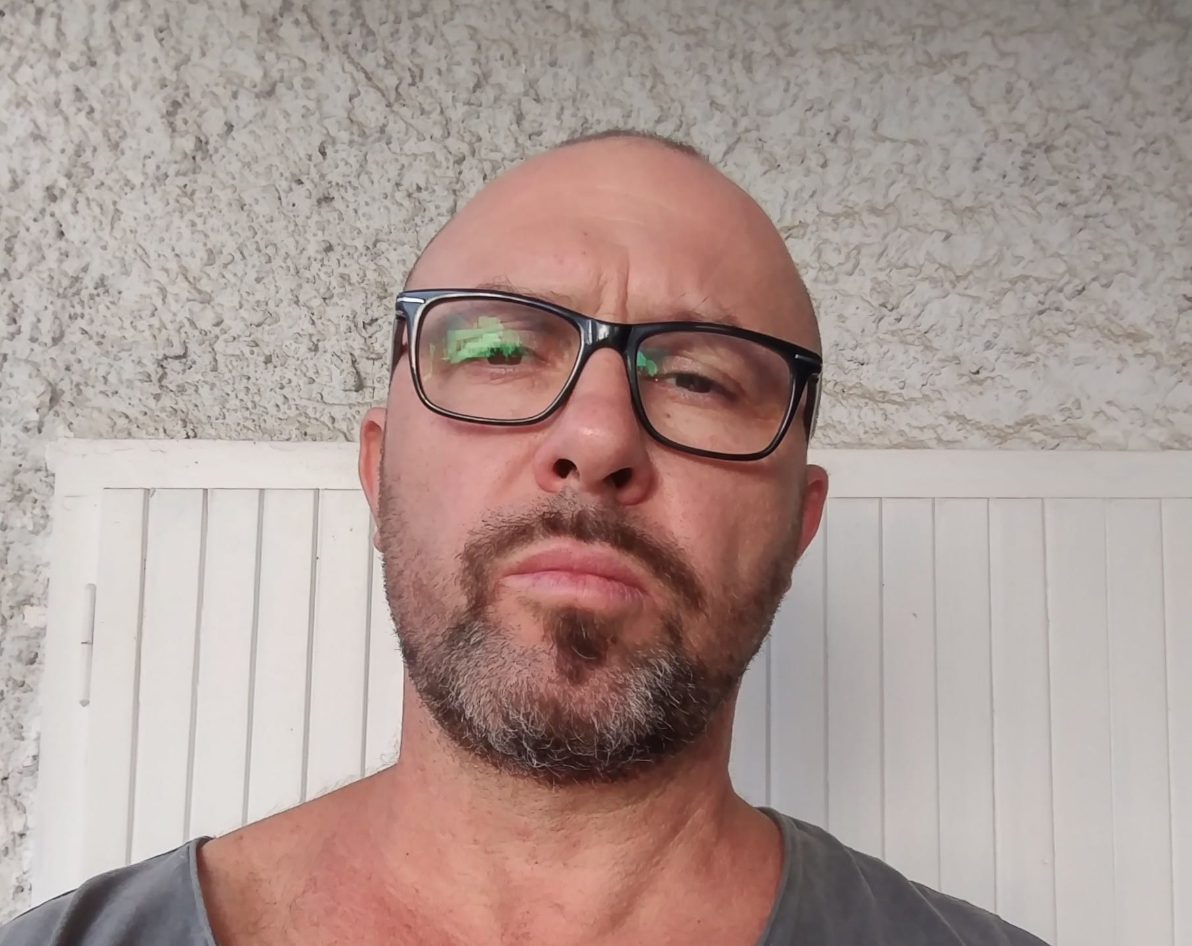
Wolberg had emigrated to Israel as an 8-year-old with his mother and grandmother, and was raised in Beersheba.
After graduating from the Camera Obscura School of Art in Tel Aviv, Wolberg went on to combine art and news photography, and was awarded the Leon Constantiner Prize for Israeli Photography in 2005 by the Tel Aviv Museum of Art.
He’s known for his photographs of war, terror, occupation, and the army; of the ultra-Orthodox community, and of Tel Aviv, the city where he lives and works.
Micha Bar-Am, the Israel Prize laureate in photography, has said that Wolberg “succeeds in demonstrating that news photography can become iconic photography.”
He’s known as a photographer who bears witness, sometimes to images and scenes that are difficult to see.
“There’s no access to those areas now, there are no photos from there,” said Wolberg. “We don’t really know what’s going on there now, only what you can sometimes see on social media or YouTube. I’m sometimes in touch with them on Facebook. I hope I see them again.”


The Times of Israel Community.