

Poisoned Russian spy sought pardon from Putin — report
Moscow denies that Sergei Skripal wrote to president in 2012 expressing ‘regret’ for selling secrets to Britain and wanted to return home
 Add ToI as a Preferred Source on Google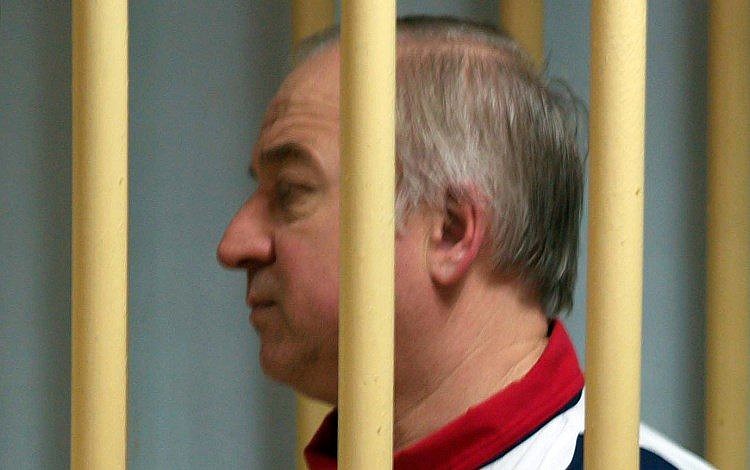
LONDON — Sergei Skripal, the former Russian spy poisoned in Britain, wrote to President Vladimir Putin several years ago asking for a pardon for selling secrets to British intelligence, a friend told the BBC on Saturday.
Vladimir Timoshkov said his old school friend — who had moved to Britain in a spy swap in 2010 — had called him in 2012 revealing that he wanted to be allowed to visit Russia.
Moscow denied the claim, with the London embassy saying on Twitter: “There was no letter from Sergei Skripal to President Putin to allow him to come back to Russia.”
Timoshkov said he lost touch with Skripal after they were at school together but contacted his daughter Yulia on social media after hearing about his imprisonment for treason.
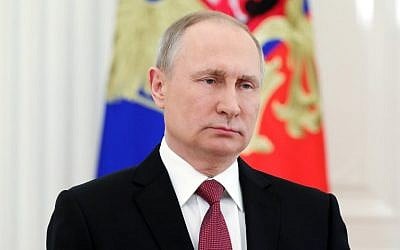
“In 2012 he called me. We spoke for about half an hour. He called me from London. He denied he was a traitor,” Timoshkov said in an interview with the British broadcaster.
He said Skripal told him that “he wrote to Vladimir Putin asking to be fully pardoned and to be allowed to visit Russia. His mother, brother, and other relatives were here.”
Timoshkov said his friend “regretted” being a double agent “because his life had become all messed up.”
“Many people had shunned him. His classmates felt he had betrayed the Motherland,” he said.
Skripal, 66, and his 33-year-old daughter are both in comas after being poisoned with a nerve agent in the English city of Salisbury on March 4.
London, the United States, and the European Union have blamed the Russian state for the attack, although Moscow has repeatedly denied any involvement.
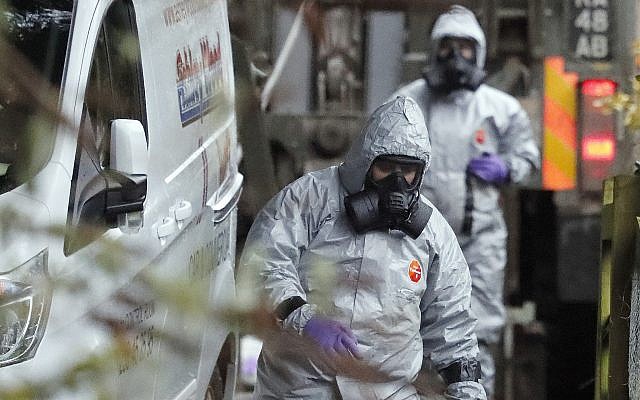
The incident has caused a major diplomatic row, with the EU recalling its ambassador to Moscow and several EU countries set to follow Britain’s suit in expelling diplomats it believes are posing as spies.
Russia responded by expelling its own diplomats and shutting down the British Council cultural organization.





The Times of Israel Community.