

Police approve plan for women’s rights protest in Haredi city
Rally, scheduled for Thursday in Bnei Brak, comes after series of incidents on public transportation that activists say amount to gender discrimination
 Add ToI as a Preferred Source on Google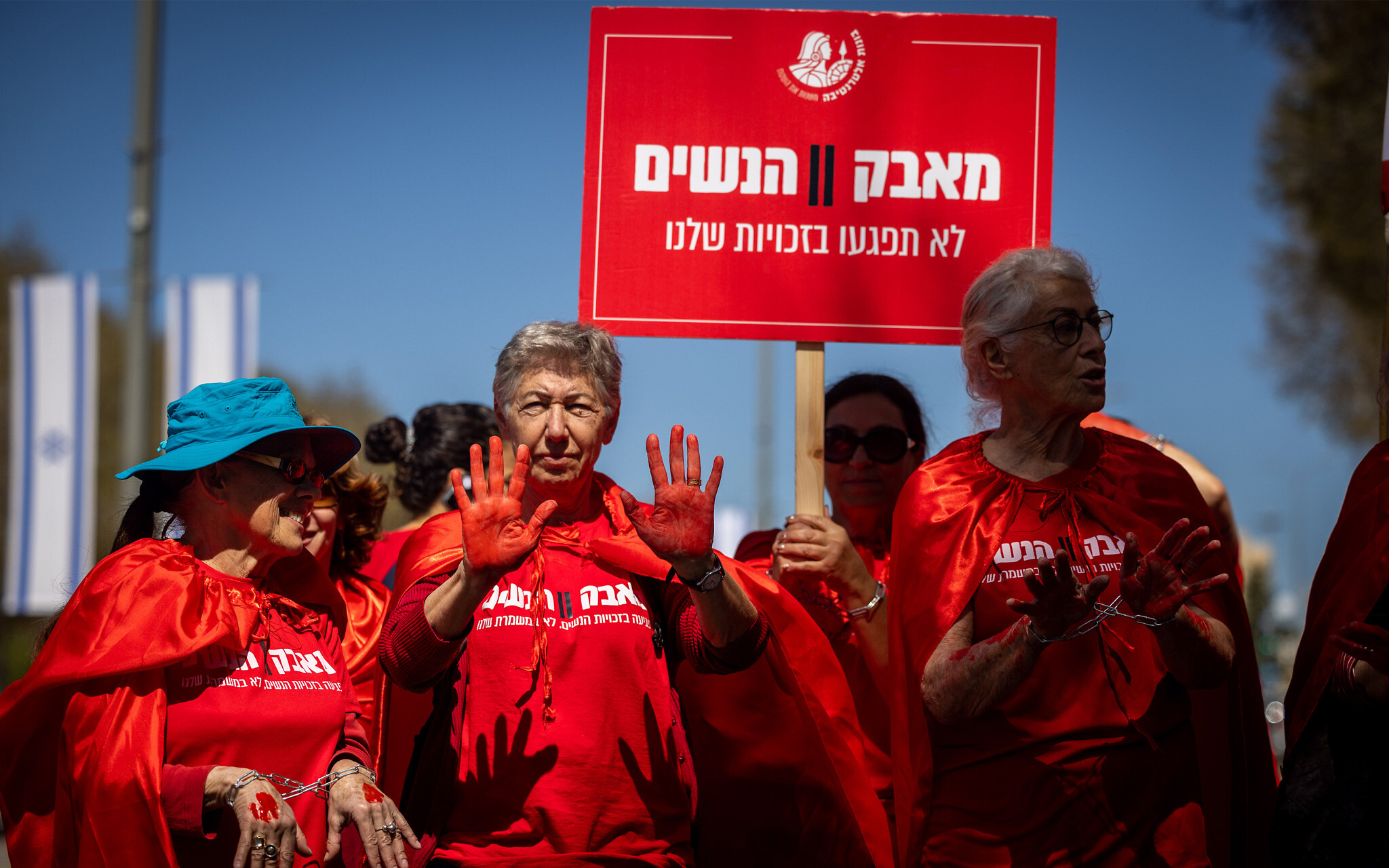
Police on Monday approved plans for a women’s rights protest in the Haredi city of Bnei Brak, after a string of incidents that advocates say amount to discrimination, and as critics decry the right-religious coalition’s policies toward women.
The protest is scheduled for the city center of Bnei Brak, located outside Tel Aviv, on Thursday evening.
The event will include a march through the densely populated city, which is overwhelmingly Haredi. Organizers had requested a march route that would have passed by a prominent synagogue, but police approved a different route, passing the municipality’s headquarters, Channel 12 reported.
The organizers said they expect 10,000 demonstrators to participate.
“We won’t stay silent any longer about the evasion [of responsibility]. We won’t stay silent about sending our daughters to the back of buses. We won’t stay silent about chauvinism and the exclusion of women from positions of power,” organizers said in a statement.
“With good [intentions], determination, and great women’s solidarity we are saying to the Haredi leadership and the government: enough,” organizers said.
The protest comes after a series of incidents in recent weeks that have made national headlines, in which women and girls have been told to sit in the back of buses or cover up or been refused boarding due to the ostensible sensitivities of religious male passengers.
Such incidents have happened in the past, but created a firestorm in recent weeks, as opponents of the government have tied the incidents to the current right-wing religious coalition.

Several girls and young women are filing lawsuits against bus companies over the incidents, claiming they were discriminated against.
Last week, Prime Minister Benjamin Netanyahu publicly condemned the incidents. In a statement, Netanyahu called for anyone who discriminates against passengers on public transportation to be punished.
“The State of Israel is a free country, in which nobody will set limits on who can use public transportation, and in which nobody will dictate where he or she will sit,” he said. “Those who do this are breaking the law and should be punished.”
Transportation Minister Miri Regev, a member of Netanyahu’s Likud party, similarly vowed no tolerance for the phenomenon, saying any case of discrimination against female riders should be dealt with “severely.”
On Sunday, extremist Haredim set fire to the tires of four buses on a street in Jerusalem in protest of ads with photos of women that were on the sides of the bus. Extremist members of the ultra-Orthodox community defacing images of women in public areas is another common phenomenon in recent years.
The coalition has also drawn fire from its opponents for limited female representation within its ranks, and other policies that critics say impinge on gender equality, such as some opposition to laws that would monitor domestic abusers.
Anti-government activists have, among other things, focused on the coalition’s plans to allocate large sums of money to the Haredi community and give blanket draft exemptions to yeshiva students. Activists have held two controversial protests in Bnei Brak in recent months.









The Times of Israel Community.