

Republican senator slows confirmation of Biden nominee for ambassador to Israel
Josh Hawley gives no reason for decision to block unanimous consent vote to approve Tom Nides along with six other nominees; Democrat colleague calls move ‘mind-boggling’
 Add ToI as a Preferred Source on Google
Jacob Magid is The Times of Israel's US bureau chief
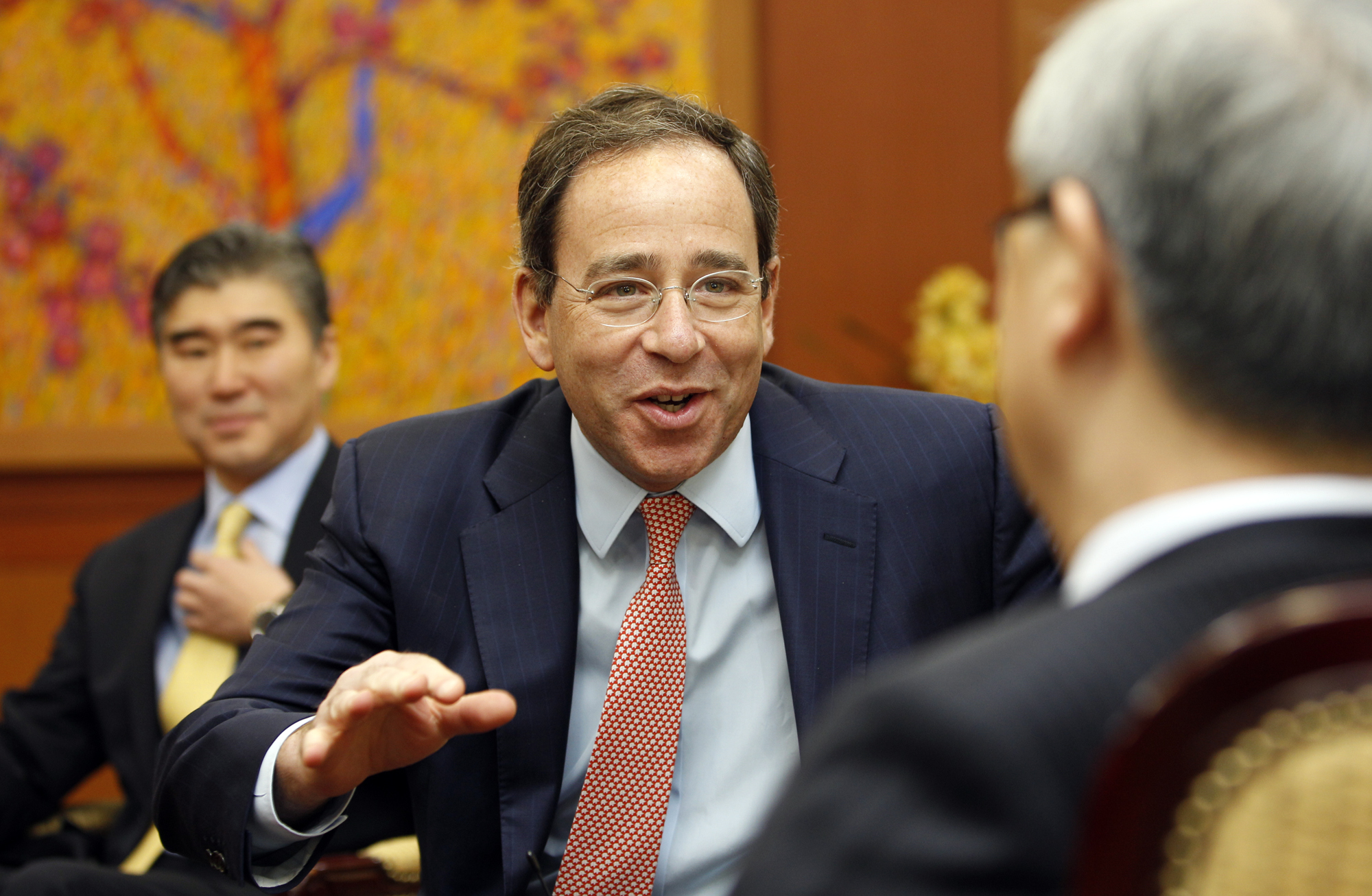
A Republican senator on Tuesday blocked a vote to confirm US President Joe Biden’s nominee to serve as the next ambassador to Israel, further complicating efforts to fill the vacant post by the end of the year.
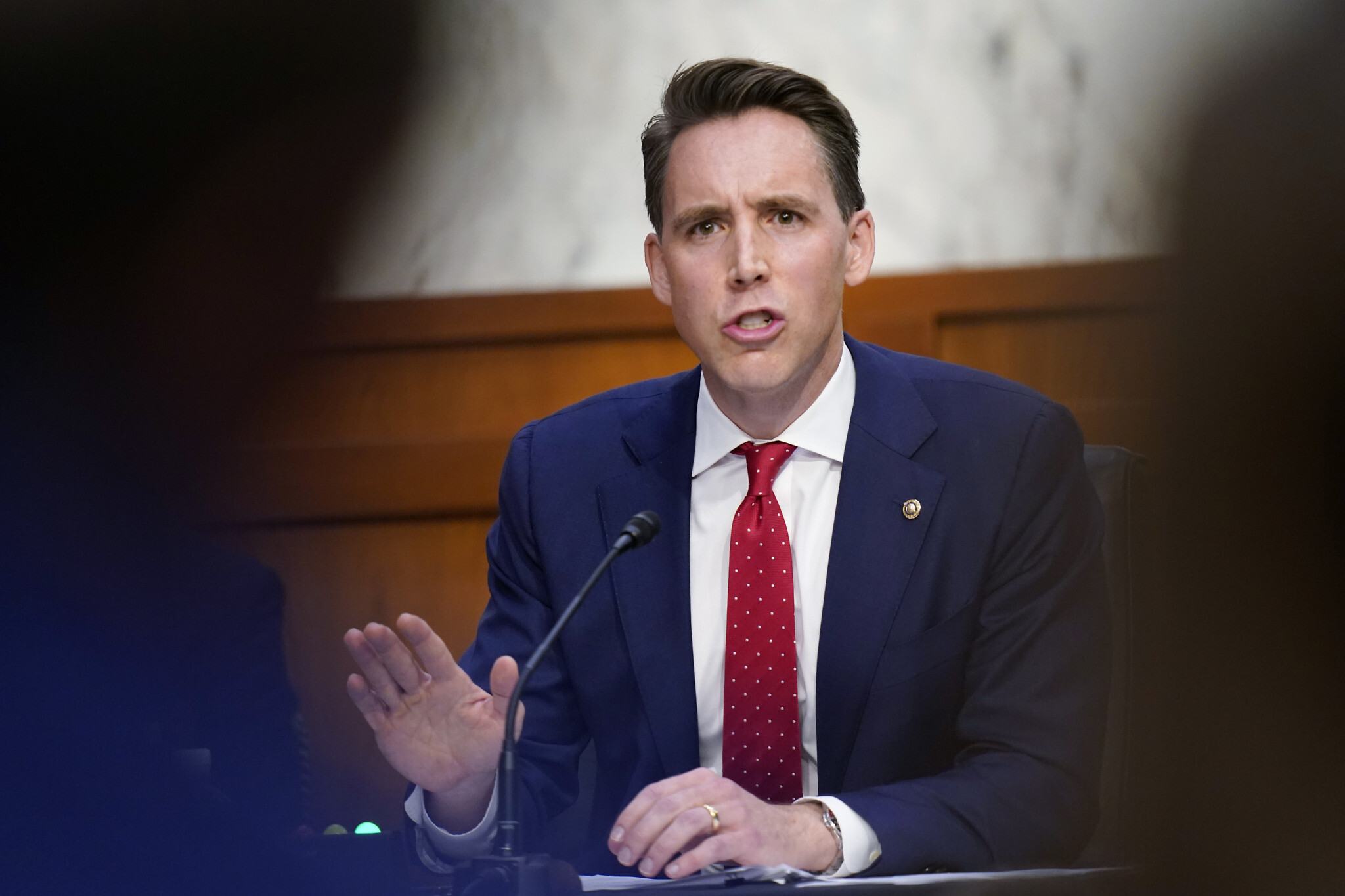
Sen. Josh Hawley of Missouri objected to Democratic Senator Robert Menendez’s request to confirm Tom Nides — along with six other Biden nominees — by unanimous consent.
Hawley did not specify if he had specific objections to Nides, saying only that he objected to one of the other nominees and that he was speaking on behalf of several other Republican colleagues.
As a result of the move, Democratic leadership will have to go through a much more drawn-out process to confirm the nominees, including scheduling individual votes and holding floor debates. With floor time limited and the Senate agenda largely focused on Biden’s infrastructure and reconciliation bills, Nides’s confirmation could drag on for months.
While Nides is not seen as a controversial pick, some Republicans have turned his nomination into a referendum over Biden’s broader Israel policies, which include a plan to reopen the US consulate in Jerusalem. The mission historically served as the de facto representative office to the Palestinians before it was shuttered by former president Donald Trump in 2019.
Nides’s nomination was advanced from the Senate Foreign Relations Committee to the Senate floor last month, though three GOP lawmakers — senators Ted Cruz, Marco Rubio and Bill Haggerty — voted against it.
Trump’s ambassador to Israel, David Friedman, was seen as a far more controversial pick, given his support and ties to the settlement movement. The vast majority of Democrats voted against his nomination in a floor vote, which they forced. But he was still confirmed four months after being nominated. Nides was nominated by Biden four and a half months ago.
After Hawley announced his objection, Menendez expressed his anger.
“So we will have no ambassador in Israel as we deal with the challenges of Iran and others in the region. It is mind-boggling all of those who get up here and talk about our ally the State of Israel, but we won’t have an ambassador there to help us meet the challenges that Israel faces,” Menendez said.
The center-left Israel Policy Forum weighed in with similar frustration.
“A strong US-Israel relationship requires strong diplomatic representation, allowing both sides to work in close partnership and resolve disagreements amicably. We are dismayed that Tom Nides, who is unquestionably qualified to serve as ambassador to Israel, continues to be blocked from a swift confirmation on the Senate floor. We call on the Senate to act so that Mr. Nides can begin the critical task of representing the US and its interests in Jerusalem,” IPF said in a statement.
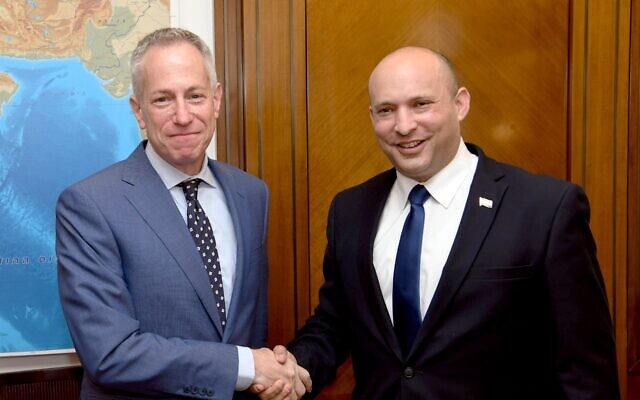
The vacancy at the US Embassy in Jerusalem became an issue for the Biden administration, which dispatched veteran diplomat Michael Ratney to serve as interim chargé d’affaires after the war in Gaza in May. The expectation was for the former Jerusalem consular general to fill the post for a short period of time, and Biden nominated Nides several weeks after Ratney arrived.
Nides is a former deputy secretary of state for management and resources, who most recently served as managing director and vice-chairman of Morgan Stanley. His nomination was announced in June.
While in the State Department, Nides built effective working relationships with several Israeli officials and played a key role in the Obama administration’s approval of an extension on loan guarantees for Israel worth billions of dollars. He also helped carry out Obama’s policy against congressional efforts to limit US support for the UN agency for Palestinian refugees (UNWRA) and the United Nations Educational, Scientific and Cultural Organization (UNESCO).
As a banking executive, Nides — born in 1961 to a Jewish family in Duluth, Minnesota — would bring both government and private sector experience to the post.







The Times of Israel Community.