

Smotrich assailed for AI video of High Court chief, AG being dragged at protest
Video posted as part of Religious Zionism party’s election campaign, advocating judicial overhaul more radical than outgoing government’s; Herzog denounces ‘offensive AI videos’
 Add ToI as a Preferred Source on Google
Jeremy Sharon is The Times of Israel’s legal affairs and settlements reporter
Critics panned Finance Minister Bezalel Smotrich on Tuesday after he shared an AI-generated video on behalf of his far-right Religious Zionism party that depicted security personnel forcibly removing two Supreme Court justices and the attorney general from a protest.
The start of the 34-second video imagines Supreme Court President Isaac Amit being dragged across the pavement at a rowdy protest, as he holds a “No Smotrich!!!” sign; then, it shows fellow justice Daphne Barak-Erez, and then Attorney General Gali Baharav-Miara being similarly grabbed, each by three men in yellow vests. At the end, a defeated Amit is depicted walking away from the demonstration.
The video was posted as a political ad, heading into next month’s elections, for the party’s new judicial overhaul agenda. The newly unveiled plan goes even farther than the extremely controversial package of changes proposed by the outgoing government, which hundreds of thousands of Israelis protested during weekly rallies throughout most of 2023.
Yashar leader Gadi Eisenkot, whose party is leading in polls ahead of the October 27 election, called the video “violent and despicable.”
“They haven’t learned a thing from October 7,” he said, accusing the far-right minister and his party of being “prepared to drag Israeli society into the abyss – again.”
In his post, the former IDF chief of staff said Smotrich “pretends to represent the sons and daughters of religious Zionism, but in practice tarnishes the good name of an entire sector [of Israeli society].”
משחררים את החסימה. כן סמוטריץ! pic.twitter.com/s59NULke2S
— בצלאל סמוטריץ' (@bezalelsm) September 15, 2026
“And all this in the Ten Days of Repentance,” he added, referring to the period between the holidays of Rosh Hashanah and Yom Kippur, traditionally set aside for introspection and making amends.
Together party leader Naftali Bennett also appealed to religious sources in his condemnation of Smotrich’s video, posting a screenshot and quoting from the Book of Exodus (2:13): “And he said to the wicked one: Why do you strike your fellow?”
Left-wing Democrats party leader Yair Golan called the video “dangerous incitement,” adding that anyone who would make such an ad “knows exactly what he is doing.”

And Israel Bar Association head Amit Becher called the video “an act of incitement and violence” that “exposes the intentions of Smotrich, [party MK Simcha] Rothman and in fact the [current Netanyahu-led] coalition, which is working to destroy a Jewish and democratic Israel.”
President Isaac Herzog, speaking at a swearing-in ceremony for 79 new judges at the president’s residence, appeared to allude to the video, saying: “I have made clear time and again, and I will repeat it and warn, elections are not a civil war. Neither [are they fought] through offensive AI videos.”
“It is possible to argue on the merits. We are destined to live here together, and only together do we have a shared future,” added the president.

A “senior official in the government” also told the Kan public broadcaster that the video was “not appropriate.”
Among the changes to Israel’s judicial system proposed in the Religious Zionism campaign platform, unveiled Tuesday, is a clause that would enable the Knesset to reinstate legislation struck down as unconstitutional by the Supreme Court.
The reforms would also “restore limits on the right of standing,” likely meaning that civil rights groups and government watchdog groups, many of which are opposed to Religious Zionism’s policies, would be more limited in when and how they could file petitions to the Supreme Court.
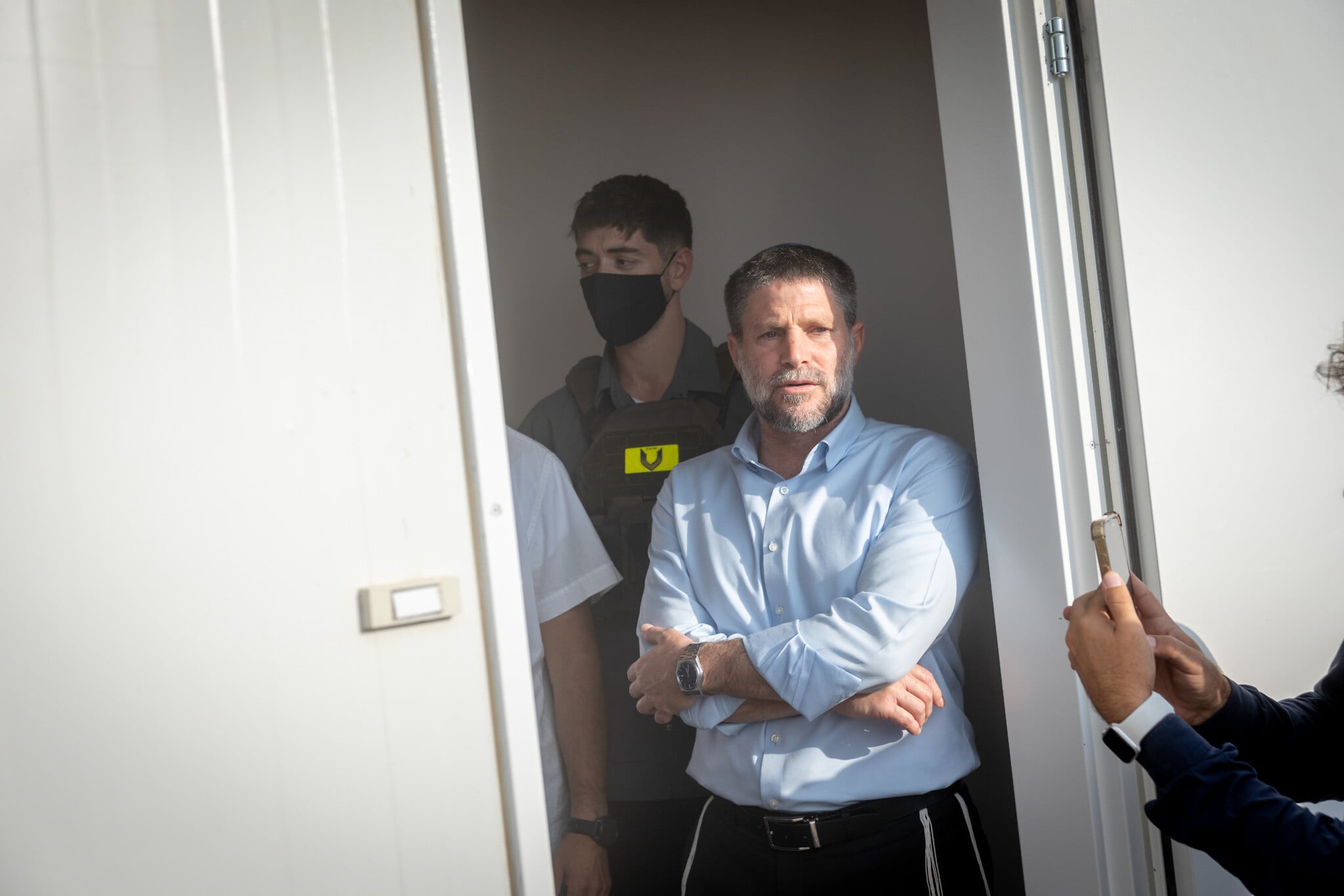
Smotrich and Rothman, one of the leading ideologues of the judicial overhaul, said they would also introduce public hearings for candidates for the Supreme Court, and that the court’s president and vice president would be elected by all serving judges — not the Judicial Selection Committee, as is currently the case.
Another item on the agenda is the “regulation of rules of procedure,” including how injunctions are issued by the Supreme Court. Cabinet ministers in the current government have repeatedly denounced the court for freezing the implementation of legislation and government decisions while the court considers the merits of the case.
Other items on the new overhaul agenda include splitting the role of the attorney general and making ministerial legal advisers political appointees, which would loosen the legal restraints on ministers.
Times of Israel staff contributed to this report.








The Times of Israel Community.