

Syria’s ceasefire with Kurds appears to crumble as clashes resume, ISIS prisoners escape
Talks in Damascus between Sharaa and Kurdish-led SDF collapse, while at least 120 inmates manage to flee Kurdish-controlled prison amid chaos
 Add ToI as a Preferred Source on Google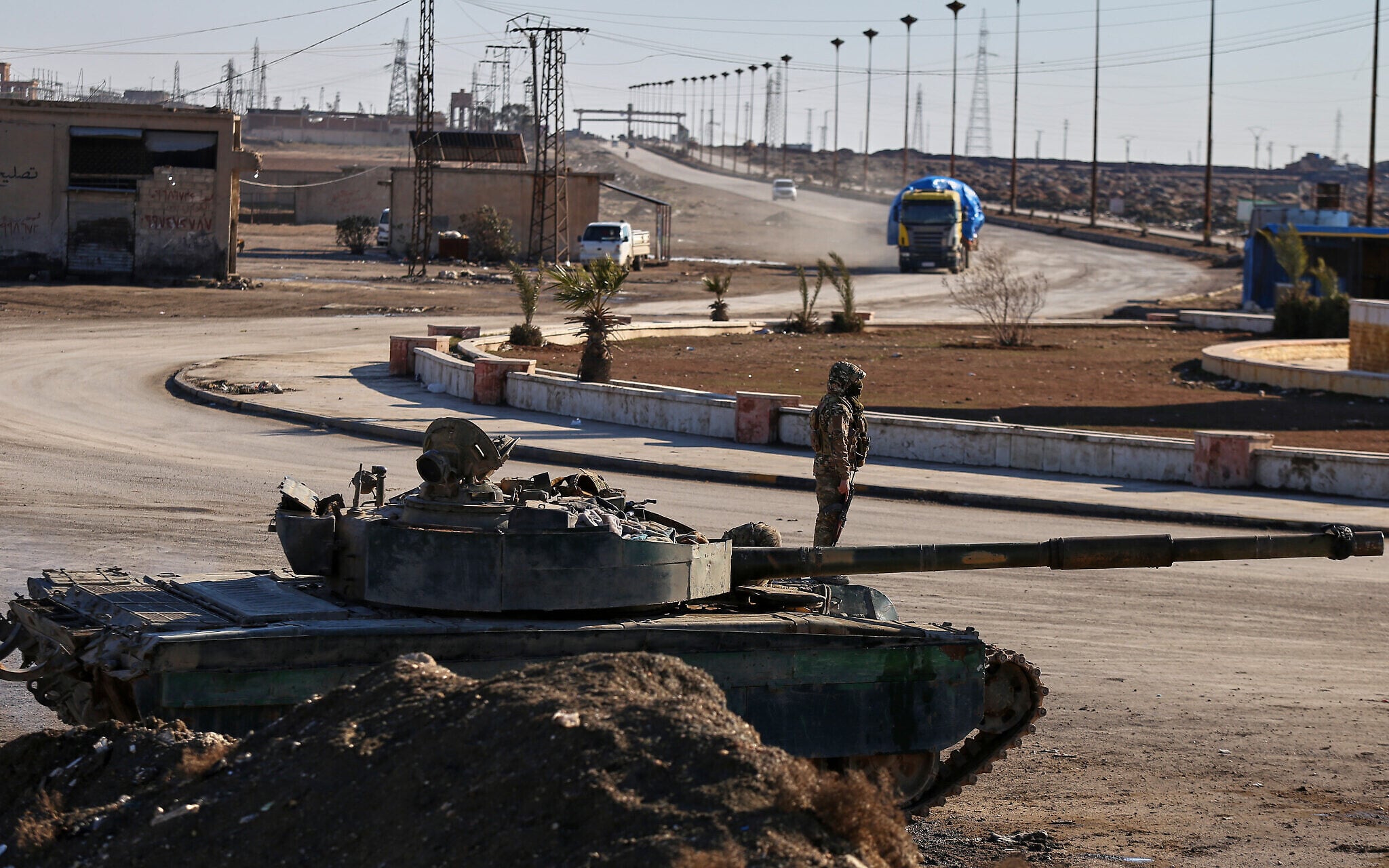
RAQQA, Syria — A day after a sweeping deal was announced between the Syrian government and the country’s main Kurdish-led force, the agreement appeared to be falling apart Monday.
After new outbreaks of clashes on Monday, the Kurdish-led Syrian Democratic Forces issued a statement calling for “all of our youth” to “join the ranks of the resistance.”
“Just as our comrades in 2014 forged a historic resistance in Kobani and turned it into a graveyard for [the Islamic State group]… today we affirm with the same resolve that we will turn our cities… into a graveyard for the new [ISIS]-minded people who are directed by Turkey,” it said.
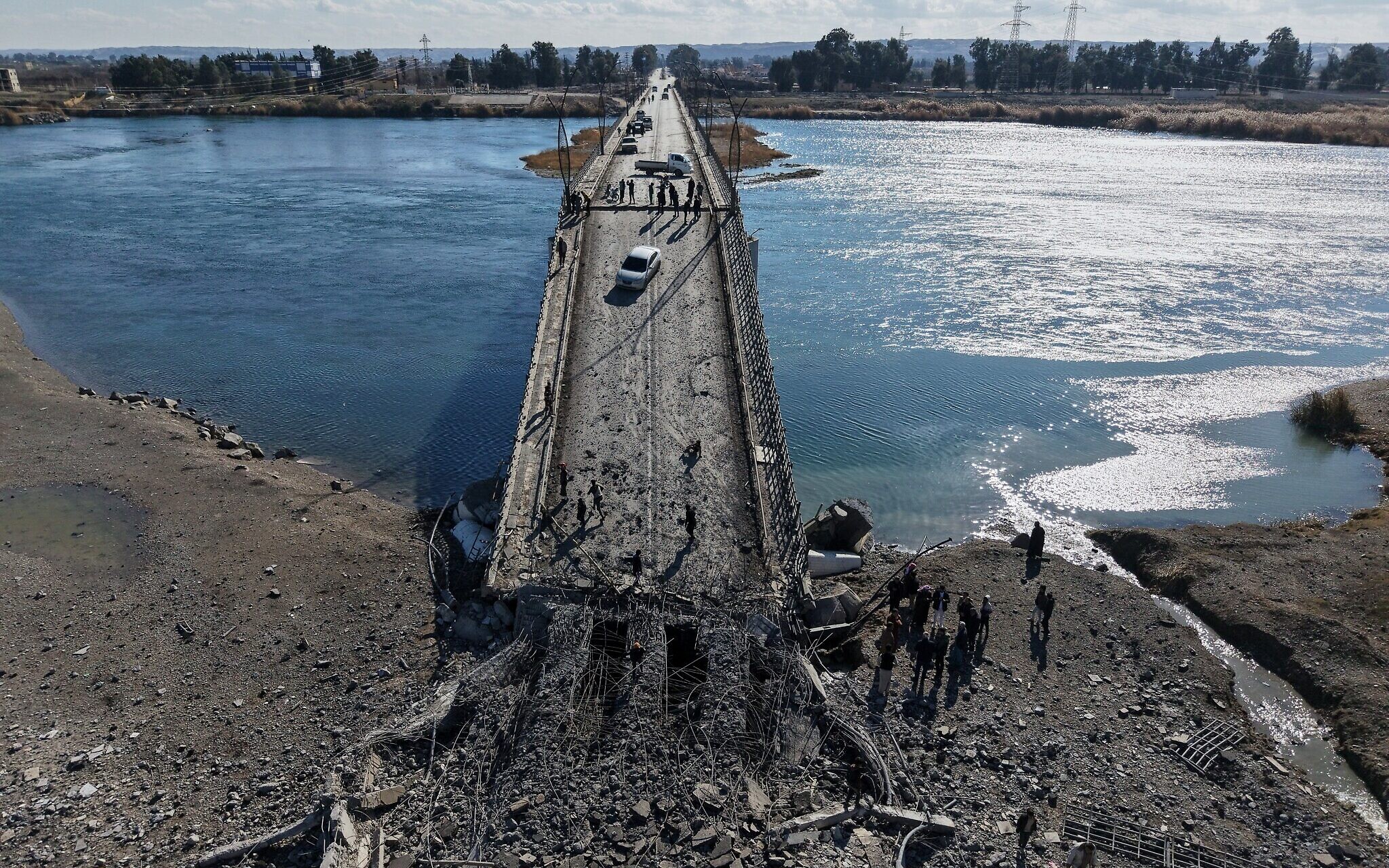
Earlier in the day, Syrian government forces and Kurdish fighters clashed around two prisons housing members of the Islamic State group in Syria’s northeast. The Kurdish-led Syrian Democratic Forces said several of its fighters have been killed and over a dozen others wounded.
The clashes came as SDF chief commander Mazloum Abdi was said to be in Damascus to discuss a ceasefire deal reached Sunday that ended days of deadly fighting during which government forces captured wide areas of northeast Syria from the SDF.
Those negotiations eventually collapsed, a Kurdish official told AFP on Tuesday.
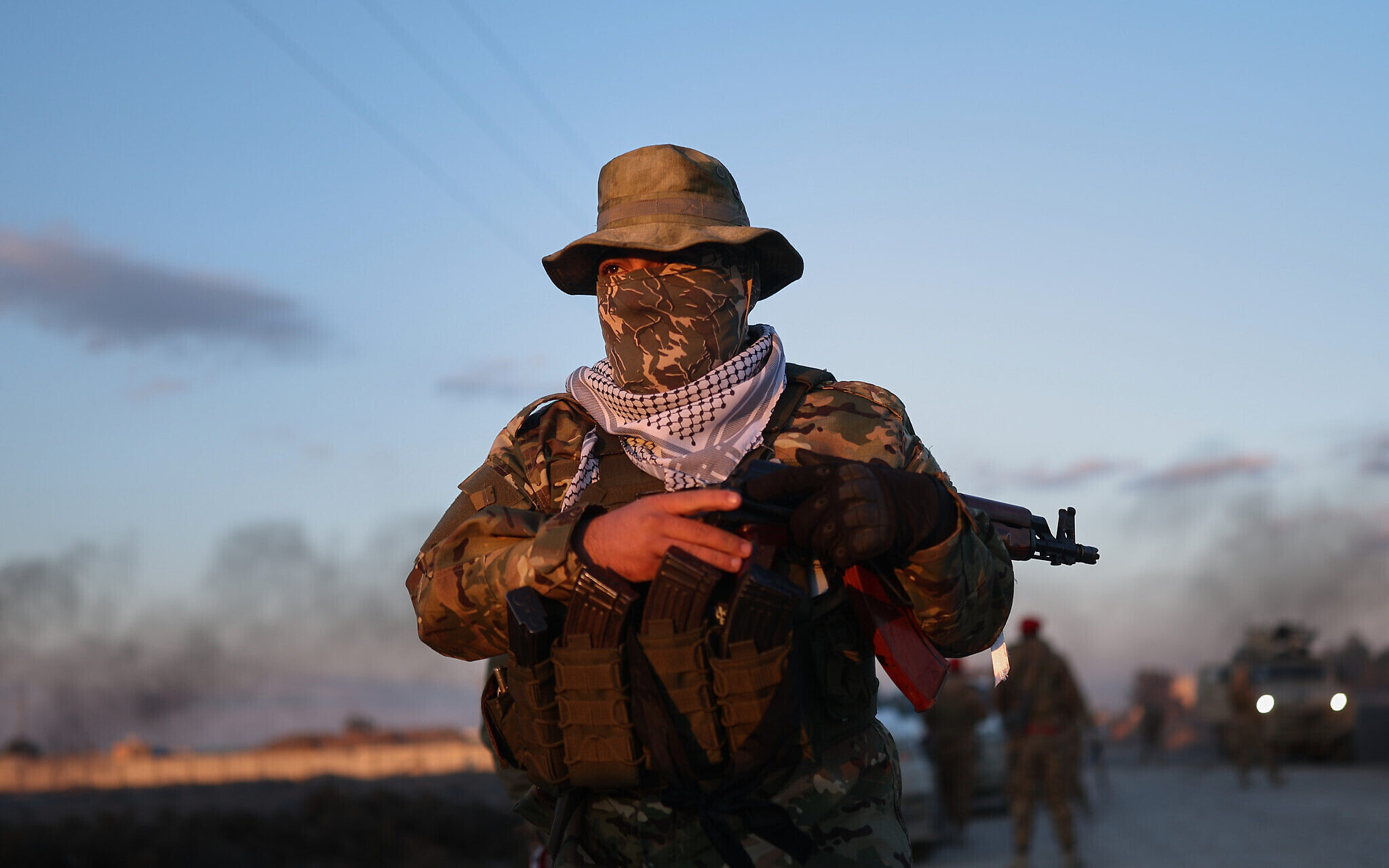
“The negotiations held yesterday in Damascus between General Mazloum and Mr Al‑Sharaa have collapsed entirely,” the official said, blaming the central government for the breakdown.
“A firm and decisive stance from the international community is urgently required,” he added.
The SDF, the main US-backed force that fought ISIS in Syria, controls more than a dozen prisons in the northeast where some 9,000 ISIS members have been held for years without trial. Many of the detained extremists are believed to have carried out atrocities in Syria and Iraq after the terror group declared a caliphate in June 2014 over large parts of Syria and Iraq.
The army said in a statement that some of the Shaddadi Prison detainees in the town of Shaddadeh were able to flee amid the chaos, and a curfew has been imposed because of the breakout, calling for information on those who escaped as search operations continue.
Syria’s Interior Ministry said that about 120 detainees escaped from Shaddadi, after the Kurdish website Rudaw reported that a spokesperson for the Kurdish-led Syrian Democratic Forces, Farhad Shami, had put the number at around 1,500.
The Syrian ministry said army units and ministry special forces entered Shaddadi following the breakout. It said security forces had recaptured 81 of the escapees after search and sweep operations in the town and surrounding areas, with efforts continuing to arrest the remaining fugitives.
The army and the SDF traded accusations over the release of the detainees, with the group confirming in a statement that it lost control over the prison, which is about 50 kilometers (31 miles) from the border with Iraq.
The Kurdish-led force also said nine of its members have been killed and 20 others wounded in fighting around another prison, al-Aqtan, northeast of the northern city of Raqqa.
An Associated Press reporter saw a US convoy entering the prison area, apparently to mediate between the two sides. Washington has good relations with both.
The office of Syrian interim President Ahmad al-Sharaa reported later Monday that Sharaa spoke by telephone with US President Donald Trump and “affirmed the importance of preserving the unity and independence of Syrian territory” and “the need to guarantee the rights and protection of the Kurdish people.” The statement said they also agreed to continue cooperating in the fight against ISIS.
The Syrian government had warned the SDF earlier not to use “cases of terrorism for political blackmail,” saying it is ready to implement international law regarding the detainees.
“The government warns the SDF’s command not to facilitate the fleeing of Daesh detainees or opening prisons as a revenge measure or for political pressure,” read a government statement carried on state media. The government used the term Daesh, an Arabic acronym for the Islamic State group.
ISIS was defeated in Iraq in 2017 and in Syria two years later, but the group’s sleeper cells still carry out deadly attacks in both countries.
Also on Monday, Turkish President Recep Tayyip Erdogan warned the SDF not to delay or obstruct compliance with the agreement with Damascus.
“Procrastination, resistance, and playing for time by hiding behind various excuses will benefit no one,” Erdogan said. “The era of terrorism in our region has come to an end. The requirements of the ceasefire and full integration agreement must be fulfilled without delay, and no one should miscalculate again.”
While the SDF has been the main partner of the US in Syria in the fight against IS, Ankara considers it to be a terrorist group because of its ties to the Kurdistan Workers’ Party, or PKK, a Kurdish separatist group that has mounted a long-running insurgency in Turkey.



The Times of Israel Community.