

Trump rolls back blanket transgender military ban
New policy will allow some trans members to serve while barring any who have been diagnosed with gender dysphoria or undergone a gender transition
 Add ToI as a Preferred Source on Google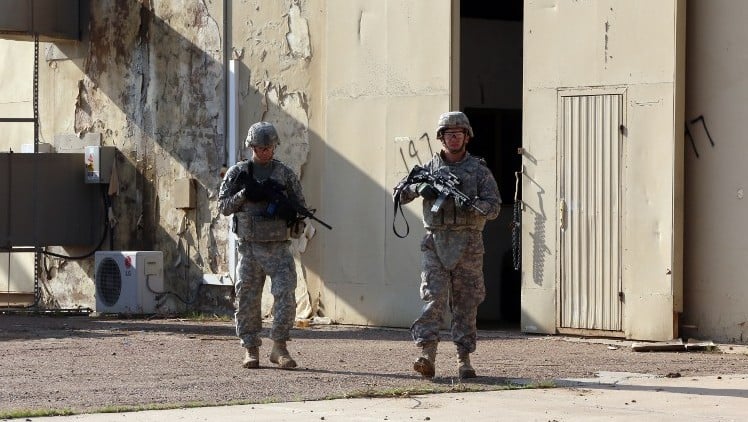
WASHINGTON, United States — US President Donald Trump late Friday pulled back from his blanket ban on transgender people serving in the military, giving the secretaries of defense and homeland security greater discretion over the issue.
According to Defense Department memorandum, the new policy will allow some transgender members to serve while barring any who have been diagnosed with gender dysphoria or undergone a gender transition, and are willing to serve in their biological sex.
Trump signed a memorandum in August that effectively barred transgender people from the armed forces, but it was blocked in court two months later.
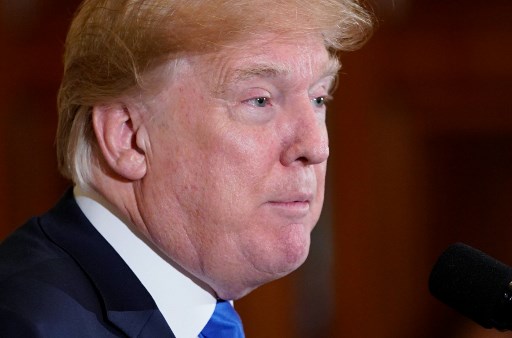
Now, as with Trump’s efforts to ban travelers from Muslim-majority countries, which was repeatedly challenged in court, the president has returned to the issue with a modified version of the original move.
“I hereby revoke my memorandum of August 25, 2017, ‘Military Service by Transgender Individuals,’ and any other directive I may have made with respect to military service by transgender individuals,” Trump’s new memorandum said.
Instead, Trump sought to shift responsibility onto two of his cabinet secretaries.
“The Secretary of Defense, and the Secretary of Homeland Security, with respect to the US Coast Guard, may exercise their authority to implement any appropriate policies concerning military service by transgender individuals,” the memorandum said.
The document said that the two cabinet secretaries recommended that people diagnosed with gender dysphoria be banned from military service.
The Defense Department released a copy of a memo from Pentagon chief James Mattis dated February 22 that provided further details.
“Transgender persons who require or have undergone gender transition are disqualified from military service,” it said.
Those who have not been diagnosed with gender dysphoria “may serve, like all other service members, in their biological sex.”





The Times of Israel Community.