

IAEA: Iran isn’t actively enriching uranium but there’s movement near nuclear sites
Rafael Grossi, head of UN watchdog, says regime’s stockpile of 60% enriched uranium survived the June war; warns IAEA has no access to sites and can learn only so much from satellite imagery
 Add ToI as a Preferred Source on Google
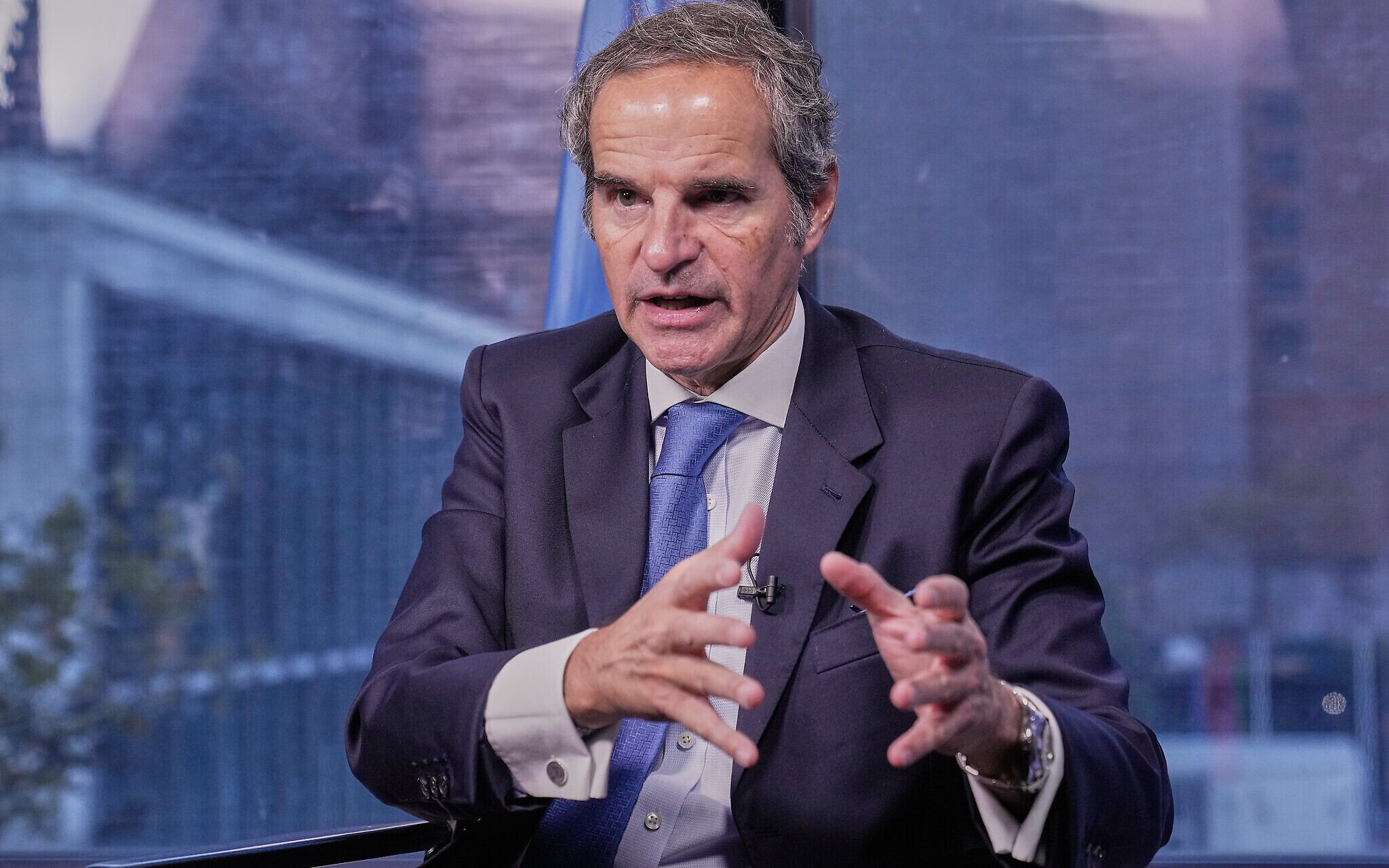
UNITED NATIONS (AP) — The head of the UN nuclear watchdog told The Associated Press on Wednesday that Iran did not appear to be actively enriching uranium, but that the agency has recently detected renewed movement at the country’s nuclear sites.
Rafael Mariano Grossi, director general of the International Atomic Energy Agency, or IAEA, said that despite being unable to fully access Iranian nuclear sites, inspectors have not seen any activity via satellite to indicate that the Islamic Republic has accelerated its production of uranium enriched beyond what it had compiled before the 12-day war with Israel in June.
“However, the nuclear material enriched at 60% is still in Iran,” Grossi said in an interview at the United Nations headquarters in New York. “And this is one of the points we are discussing because we need to go back there and to confirm that the material is there and it’s not being diverted to any other use.” He added, “This is very, very important.”
Grossi said inspectors have seen movement around the sites where the stockpiles are stored. Without additional access, the UN has had to rely on satellite imagery, which can only show so much, he said.
That stockpile could allow Iran to build as many as 10 nuclear bombs, should it decide to weaponize its program, Grossi warned. He added that it does not mean that Iran has such a weapon.
Grossi told the Swiss newspaper Neue Zürcher Zeitung earlier this month that the IAEA believes most of Iran’s supply of enriched uranium survived the war with Israel, and is still being kept inside the damaged nuclear facilities. He estimated that, in total, Iran has roughly 400 kilograms of 60% enriched uranium still in its possession.
While Iran denies seeking nuclear weapons, it has enriched uranium to levels that have no peaceful application, obstructed international inspectors from checking its nuclear facilities, and expanded its ballistic missile capabilities. The IAEA and Western nations say Tehran, which is sworn to destroy Israel, had an organized atomic bomb program until 2003.
The Iranian mission to the UN did not immediately return a request for comment.
Iran and the IAEA signed an agreement last month in Cairo to pave the way for resuming cooperation, including on ways of relaunching inspections of Iran’s nuclear facilities, that has yet to be implemented. The agreement came after Iranian officials suspended all cooperation with the UN nuclear watchdog following the war with Israel, during which the US struck several Iranian nuclear sites.
Shortly after the US intervened, US President Donald Trump expressed certainty his big gamble to assist the Israelis delivered directly a knockout blow to Iran’s nuclear program, saying the facilities were “obliterated.”
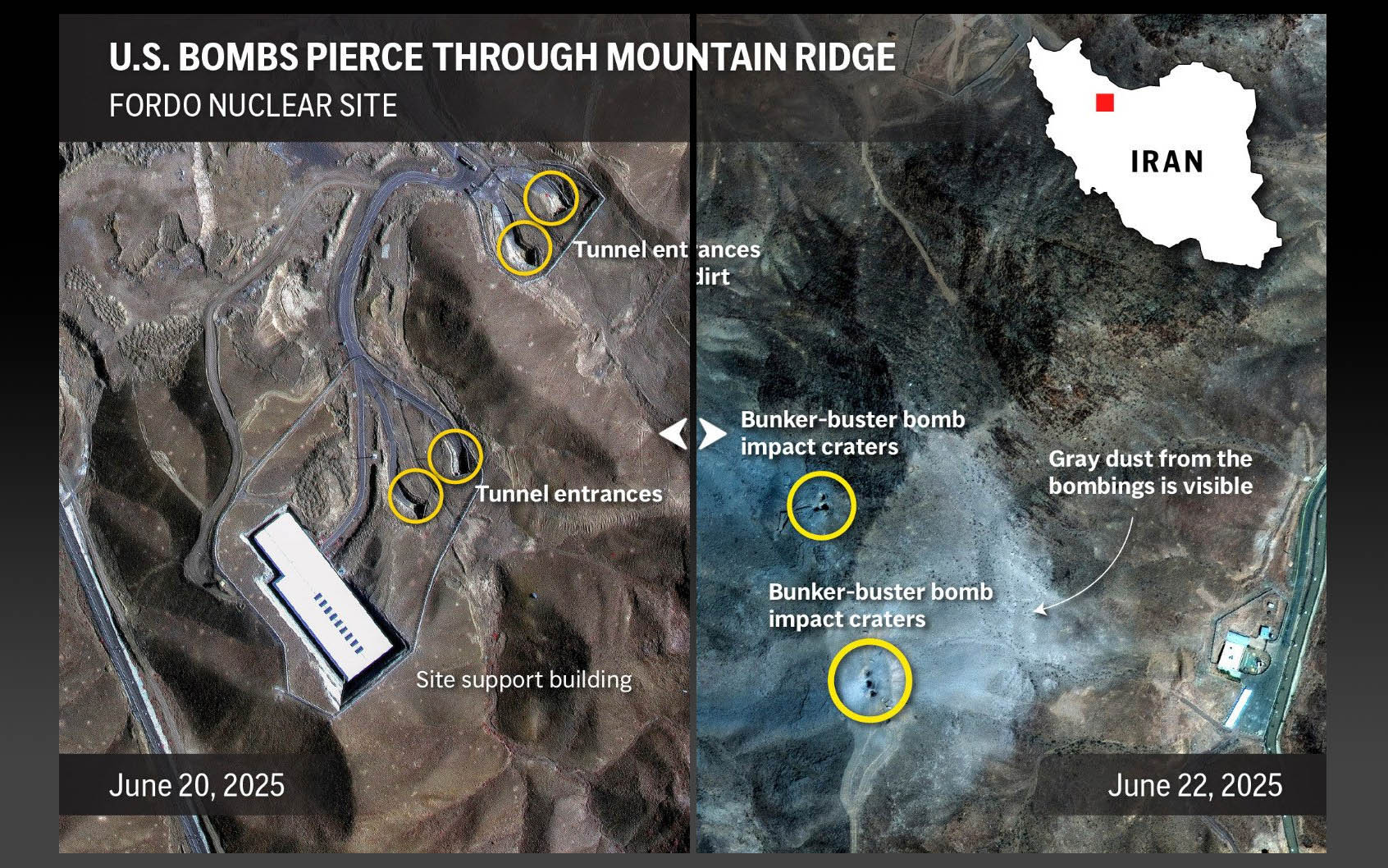
Those comments were quickly contradicted by a preliminary US intelligence report that suggested that US strikes had only set back Iran’s nuclear program by a few months. At the deeply buried Fordo uranium enrichment plant, where US B-2 stealth bombers dropped several 30,000-pound bunker-buster bombs, the entrance collapsed and infrastructure was damaged, but the underground infrastructure was not destroyed, the assessment found.
Two people briefed on the assessment told AP that intelligence officials had warned of such an outcome in previous assessments before the strike on Fordo.
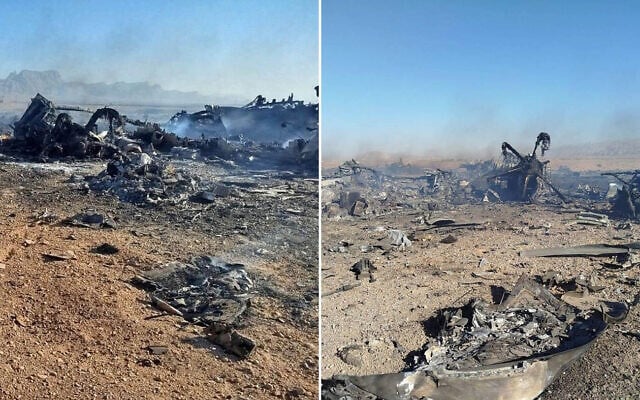
Israel’s surprise June 13 attack on Iran’s military leadership and nuclear and missile programs came after the IAEA’s board of governors voted to censure the Islamic Republic over its noncooperation with the agency, the first time in 20 years. Iran accused the agency, without providing evidence, of aiding Israel and later the US in their attacks.
Top Iranian officials and Iranian media then called for Grossi to be arrested and put on trial if he returned to the country. As a result, the Argentinian diplomat, who has raised the profile of the agency, began receiving protection by the Austrian police Cobra unit.
Beyond personal animosity and physical threats, Grossi said that the Israel-Iran war set back the agency’s years of progress with Tehran and happened when his agency was about to be given access to a third enrichment site.
He said that, as of right now, there is no active operation at the location in Isfahan.

Since the Cairo agreement, a series of UN sanctions have been reimposed on Iran over what European parties to a moribund 2015 nuclear deal have deemed the country’s lack of compliance with the agency and the breakdown of peace negotiations with the US.
The “snapback” of UN sanctions has complicated the already tenuous relationship between the IAEA and Iran, but Grossi said inspectors are inside the country as of Wednesday, and he remains in “constant contact” with Iranian Foreign Minister Abbas Araghchi.
“Does that mean that they are cooperating at the level they should? No,” he said. “It would be incorrect to say they are denying us access. And it would be equally wrong to assume that everything is fine.”
Times of Israel staff contributed to this report.






The Times of Israel Community.