

Unable to shut down Kan, coalition maneuvers to control public broadcaster’s budget
Bill removing legal safeguards that are meant to shield outlet from political pressure is moved to Knesset committee headed by Netanyahu loyalist, in crusade to dismantle outlet
 Add ToI as a Preferred Source on Google
Ariela Karmel is a political correspondent at The Times of Israel. She previously reported for Calcalist and Haaretz. She holds an MA in Middle Eastern and African History from Tel Aviv University and a BA in Political Science from the University of British Columbia.
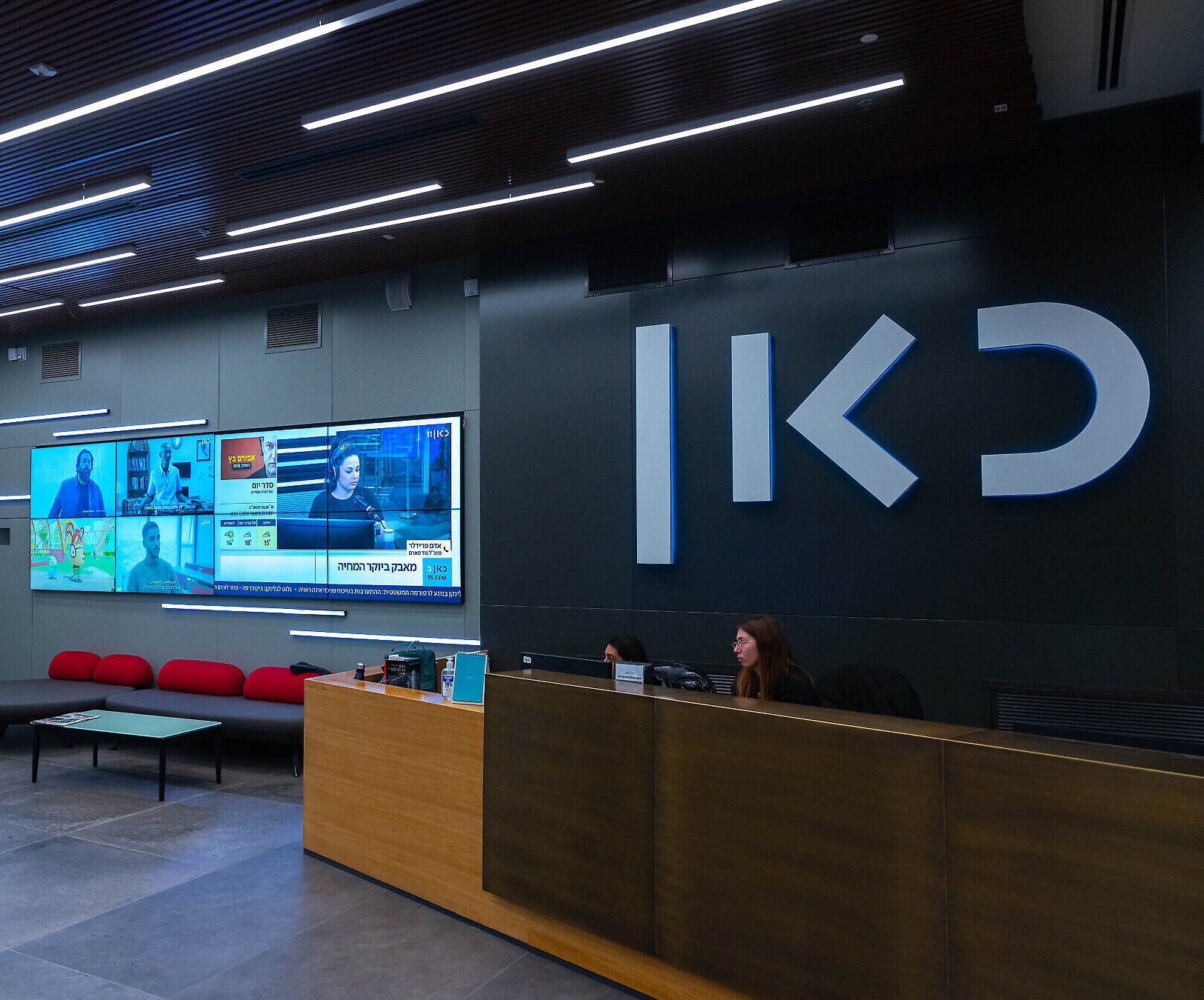
A key procedural victory last week sets the stage for the government to take control of the Kan state broadcaster’s purse strings, seemingly advancing Communications Minister Shlomo Karhi’s two-year crusade to dismantle the station.
Karhi, who has sought to shut down or privatize the state-funded outlet as part of a larger campaign to liberalize the media market and increase competition, has previously failed to push ahead with his efforts against the broadcaster due to opposition from Likud MK David Bitan, the head of the Knesset Economics Committee, which had been slated to consider a bill allowing the government to determine Kan’s budget.
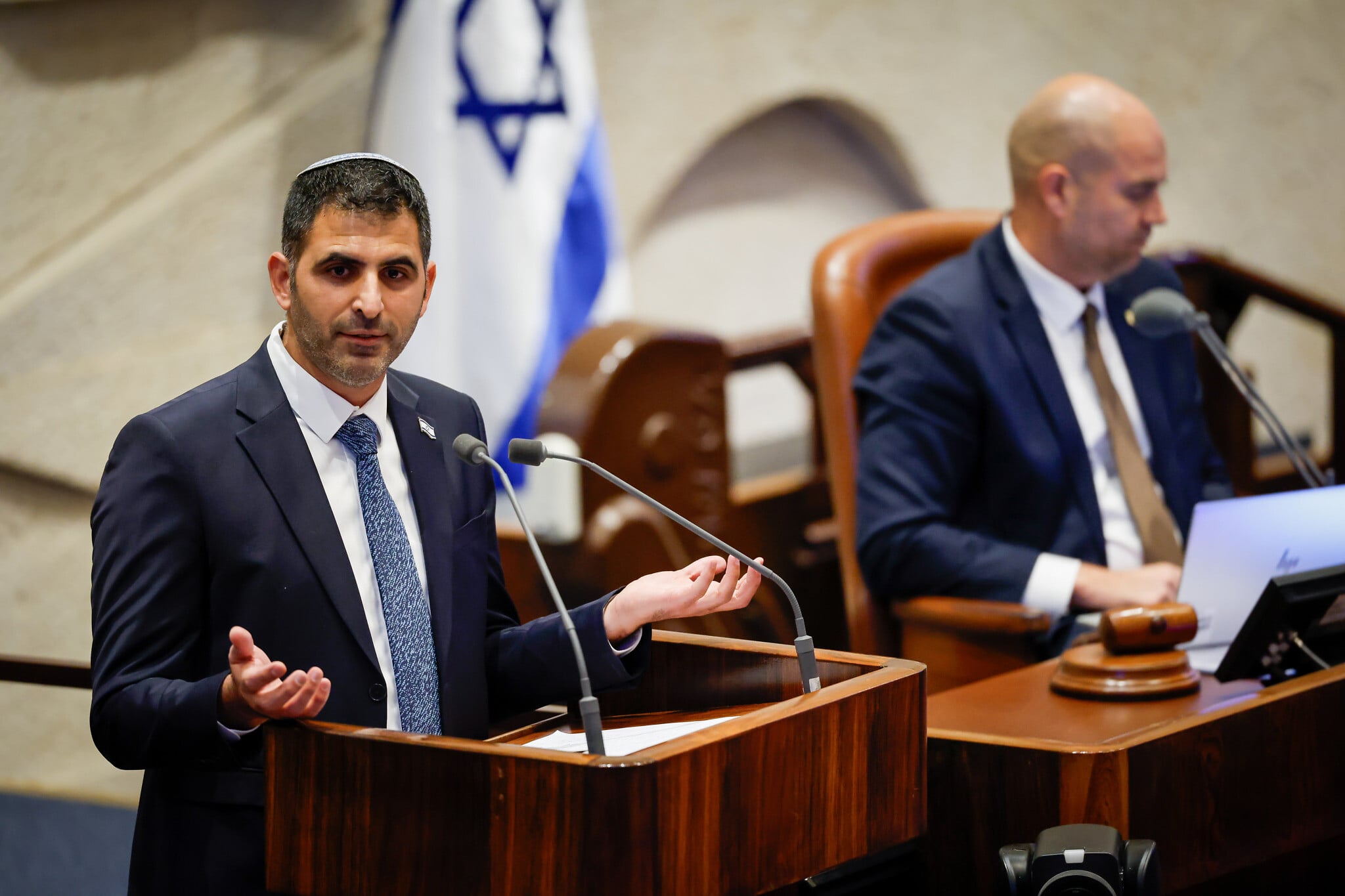
Last week, the Knesset House Committee voted to transfer the bill from Bitan’s panel to the Finance Committee, led by Likud MK Hanoch Milwidsky, a close ally of Prime Minister Benjamin Netanyahu, who is more likely to advance it.
Currently, Kan’s funding is guaranteed by Israel’s Public Broadcasting Act, with strict provisions intended to preserve barriers between the broadcaster and political authorities, including keeping the government from being able to unilaterally alter or reduce the broadcaster’s funding.
The proposed legislation would end that independence and give ministers the authority to set and potentially cut the budget of the station, which regularly features reporting critical of those in power.
Supporters of the bill argue that, as a public broadcaster funded by the taxpayer, the government should have the right to set Kan’s budget, and that this will increase transparency.
“It’s time for the public’s money – approximately NIS 1 billion ($300,000) – invested in the corporation, to be supervised by the public and its representatives,” said Likud MK Avichay Buaron, who sponsored the bill.
Karhi said on X that the bill would take control from “bureaucrats and legal advisers” and return it to elected officials. He vowed to continue to “dismantle the deep state” until “we return our Jewish and democratic state to the people.”
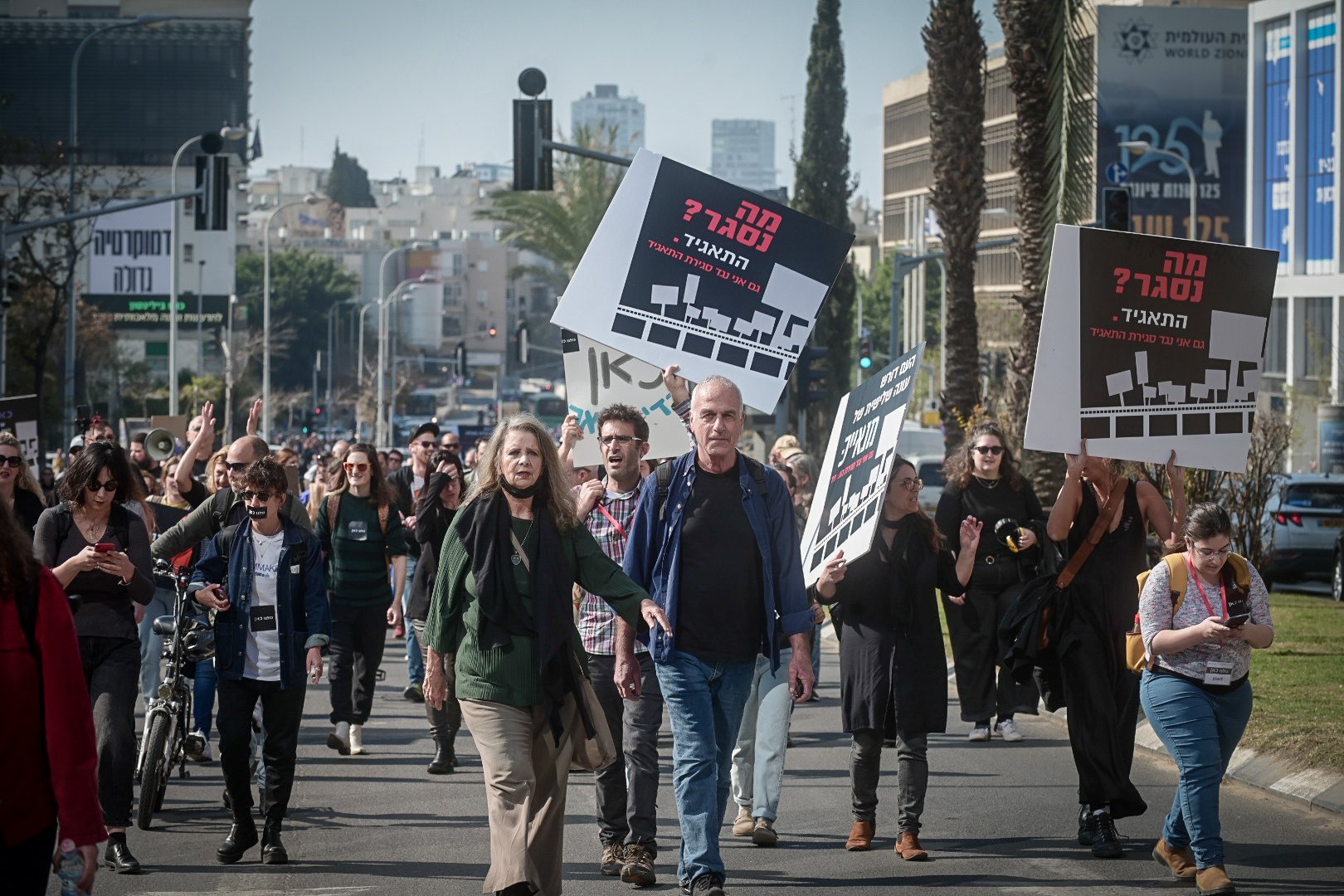
Opponents of the move, including Kan itself, warn that allowing the government to set the broadcaster’s budget would open the door to political interference and violate the safeguards built into the law.
Tehilla Shwartz Altshuler, a senior fellow at the Israel Democracy Institute who authored the code of ethics for the public broadcaster and now oversees the ethical tribunal of the Israel Journalists’ Association, said the budget bill would give Karhi a shortcut to effectively “paralyze” the broadcaster, after other efforts to directly dismantle it fell short.
“[Karhi] wants to cancel public broadcasting in Israel. And he’s been trying to do it in various ways, which up until now he hasn’t succeeded in doing,” Shwartz Altshuler said. “The bill to control Kan is one paragraph. It will take two hours, and they can pass it.”
Karhi is also pursuing a sweeping broadcasting reform bill, which seeks to restructure the regulation of Israel’s private television and streaming markets. But that effort is “a huge, complicated 120-paragraph bill” that faces significant legal and procedural hurdles, Shwartz Altshuler noted.
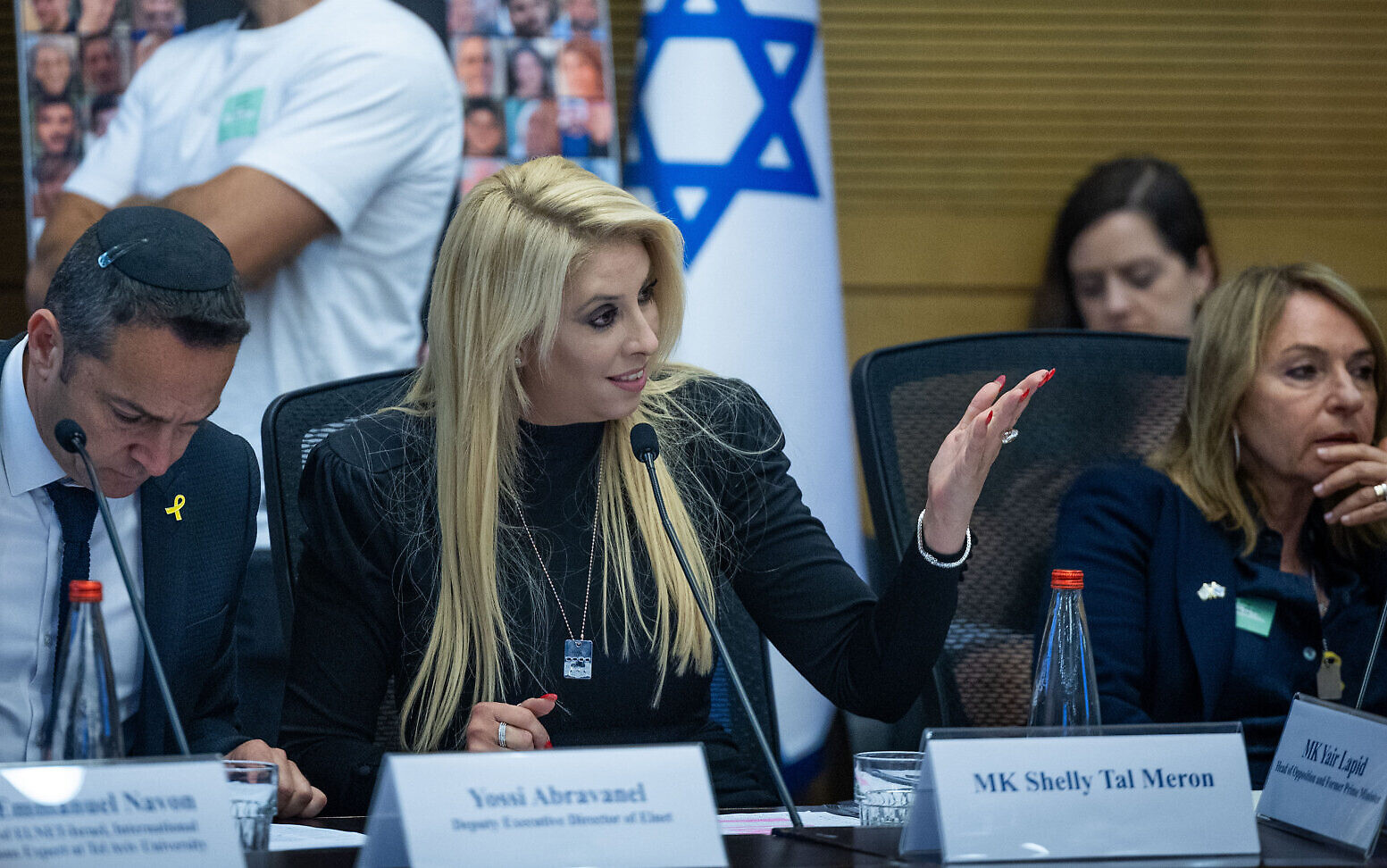
Yesh Atid MK Shelly Tal Meron, who sits on the special Knesset committee handling Karhi’s broader media overhaul legislation, flatly rejected Karhi’s argument that there isn’t sufficient oversight or transparency regarding Kan’s budget.
“The corporation’s budget is fully transparent to the public and the minister is already authorized to demand and receive any information he wishes,” she said.
The bill to oversee Kan’s budget has less to do with oversight, Tal Meron argued, and more to do with control.
“This bill is a blatant and dangerous attempt at a political takeover of a content body, and it turns the journalists, editors, and creators of Kan into hostages of the political echelon,” she added, warning that the government will be able to “‘punish’ the corporation for investigations it does not like, or ‘reward’ it for favorable coverage,” once it has control of the budget.
Karhi has pushed legislation for over two years to privatize the public broadcaster or shut it down entirely, with limited success, including a bill stipulating that if a private buyer for Kan could not be found within two years, the broadcaster would be shuttered completely and its intellectual property would revert to the government. That bill passed its preliminary reading in the Knesset plenum in November 2024, but then became stuck in committee.
Karhi has also refused to appoint new members to Kan’s administrative council, preventing the body from approving a budget for the outlet for more than a year.
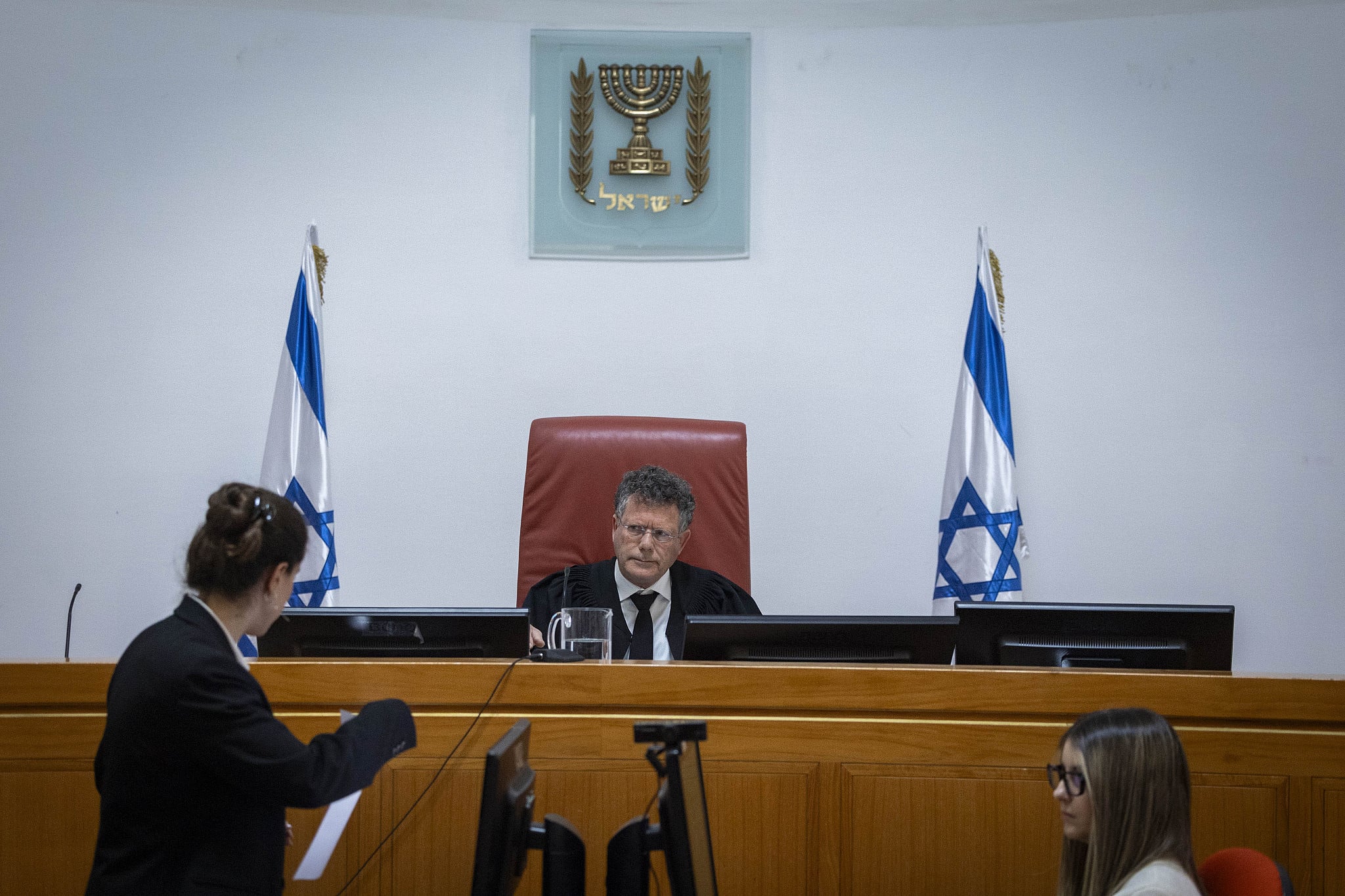
In July, the High Court ordered Karhi to extend the tenure of one council member until a final ruling was issued, but he has refused to comply.
Following a court hearing last week related to the issue, Attorney General Gali Baharav-Miara charged that there was “a broader pattern of government activity to restrict public broadcasting.”
Tal Meron argued that an independent public broadcaster is “the lifeblood of democracy,” noting that such institutions exist in all developed democracies “precisely to protect freedom of expression and ensure that journalism can criticize the government without fear.”
She noted that it was a previous government led by Netanyahu that voted in 2014 to close the ailing Israel Broadcasting Authority, which politicians at the time described as increasingly irrelevant and costly, and replace it with a new broadcasting corporation known in Hebrew as Kan.
They noted then that “separating the budget from the government was a non-negotiable condition,” Tal Meron said.
According to Shwartz Altshuler, the ongoing campaign against Kan could chill the larger news landscape, even if legislative efforts ultimately fail.
“Netanyahu wants to create a mess. They want to intimidate media outlets, and uncertainty is the best way to do that,” Shwartz Altshuler said.
The government has long maintained an adversarial stance toward much of Israel’s mediasphere, with Netanyahu largely blackballing stations that refuse to toe the government line, and senior ministers frequently accusing Israeli media of bias against them or acting against the interests of the state.
The coalition has advanced a series of measures critics say would increase political control over the media, including Karhi’s sweeping media overhaul bill and a bid to close Army Radio. Government officials have defended the initiatives as necessary reforms aimed at increasing competition, accountability and national security.
Israel has fallen 15 spots in Reporters Without Borders’ annual press freedom index since the government took power in late 2022. While launching heated attacks on many Israeli media outlets, the coalition has poured money into the pro-government Channel 14, nearly quadrupling its advertising spending there over the past two years, according to media watchdog The 7th Eye.
Jeremy Sharon contributed to this report.









The Times of Israel Community.