

US intel chiefs warn ‘aggrieved’ Putin may redouble assault as invasion flounders
CIA chief predicts Russian leader could ‘double down’ without regard for civilians; top Pentagon official raises specter of tactical nukes, but no changes in nuclear posture seen
 Add ToI as a Preferred Source on Google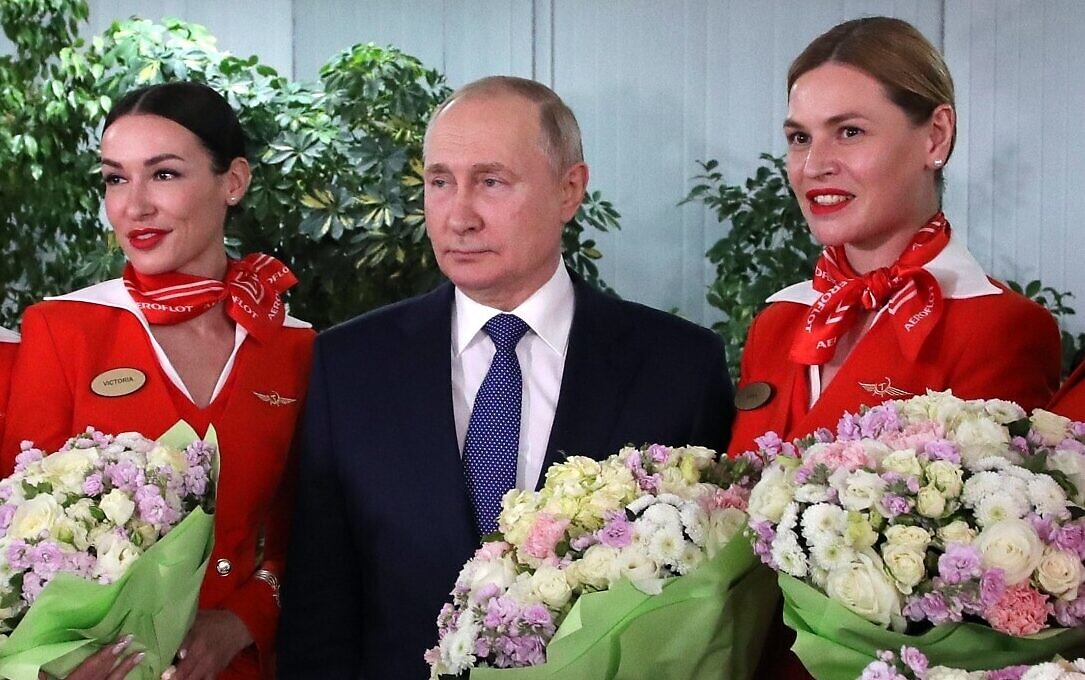
US intelligence chiefs on Tuesday branded Russia’s Vladimir Putin an “angry,” isolated leader craving global clout, frustrated about how his Ukraine invasion has not gone to plan, and lobbing provocative nuclear threats at the West.
The long-standing president in Moscow has been “stewing in a combustible combination of grievance and ambition for many years,” CIA Director William Burns told US lawmakers.
The testimony, in a hearing before the House Intelligence Committee, amounted to the first public assessment of the 2-week-old war by the nation’s senior intelligence officials, who offered their insights into the thinking and motives of Russian President Vladimir Putin as his forces continue their march through Ukraine.
The officials made clear that Russia’s assault has been slowed by unexpected resistance by Ukrainian defenders and that it was now uncertain if Putin would proceed with a “maximalist” strategy to try to capture all of Ukraine or would settle for something short of that. Either way, they said they believed he was determined to press his invasion forward despite mounting casualties, global sanctions and efforts by Western nations to isolate the Kremlin, including a US ban on Russian oil imports.
Burns called the invasion of Ukraine a matter of “deep personal conviction” for Putin, his latest defiant clash with Europe and the United States.
“I think Putin is angry and frustrated right now. He’s likely to double down and try to grind down the Ukrainian military with no regard for civilian casualties,” Burns said at a congressional hearing on global threats.
The Russian strongman has encountered a tidal wave of opprobrium for the deadly invasion, leaving him isolated like never before.
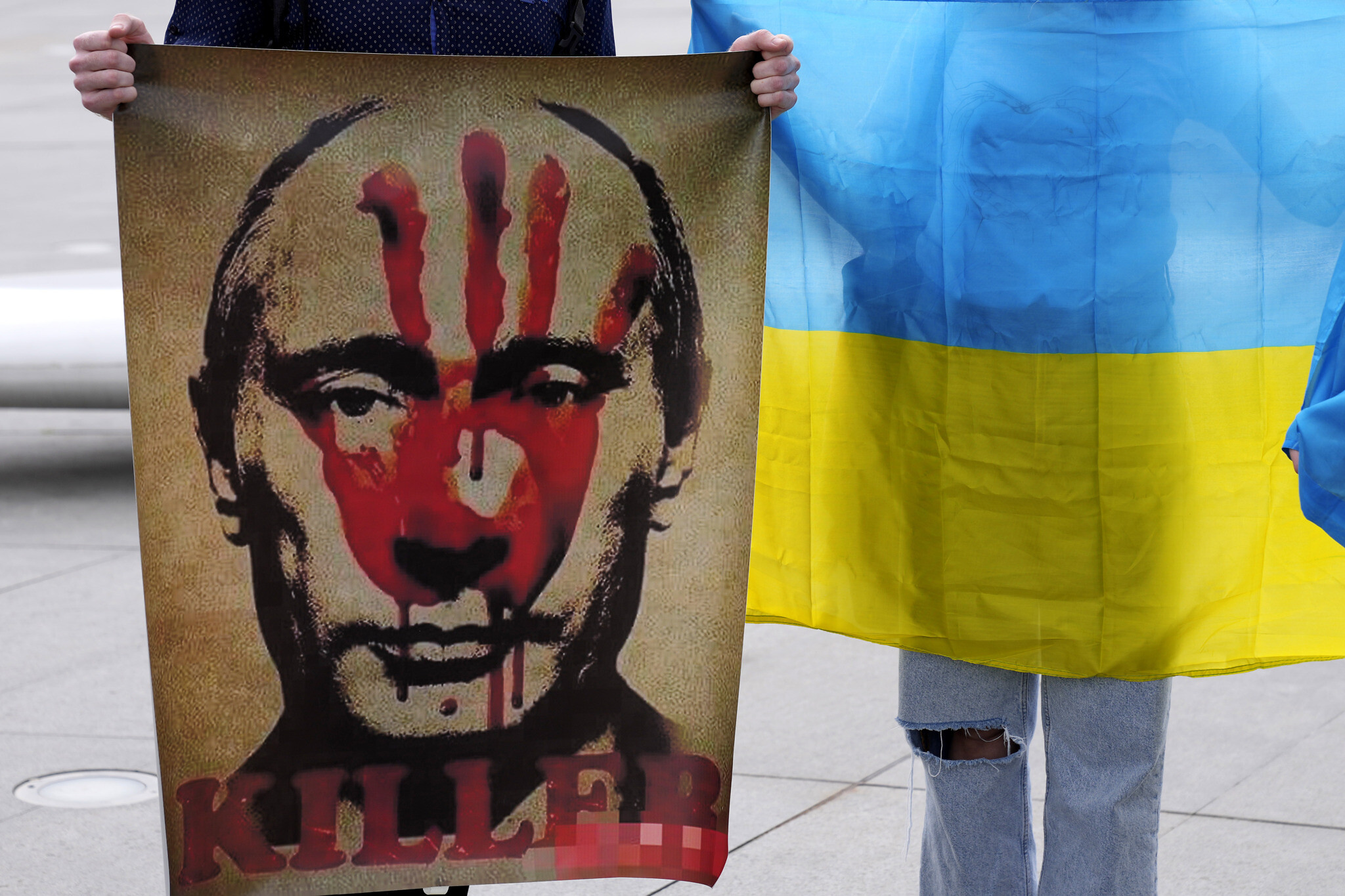
Asked at one point by Rep. Raja Krishnamoorthi, an Illinois Democrat, whether he considered Putin to be “crazy,” Burns replied that he considered the Russian leader to be increasingly insulated and hardened in his views.
“In my opinion, that doesn’t make him crazy, but it makes him extremely difficult to deal with,” Burns said.
The US intelligence community warned of the potential for Putin to lash out, especially noting an elevated nuclear threat.
Lieutenant General Scott Berrier, director of the Pentagon’s Defense Intelligence Agency, said Russia under Putin has been working overtime to modernize its weaponry, particularly smaller-yield nuclear weapons.
Putin has “invested in tactical nuclear weapons,” Berrier said. “I believe that he thinks that gives him an asymmetric advantage.”
Putin took the shock step last month of putting Russia’s nuclear forces on high alert. He also appeared to indirectly threaten to use nuclear force against countries that interfered when he announced the invasion.
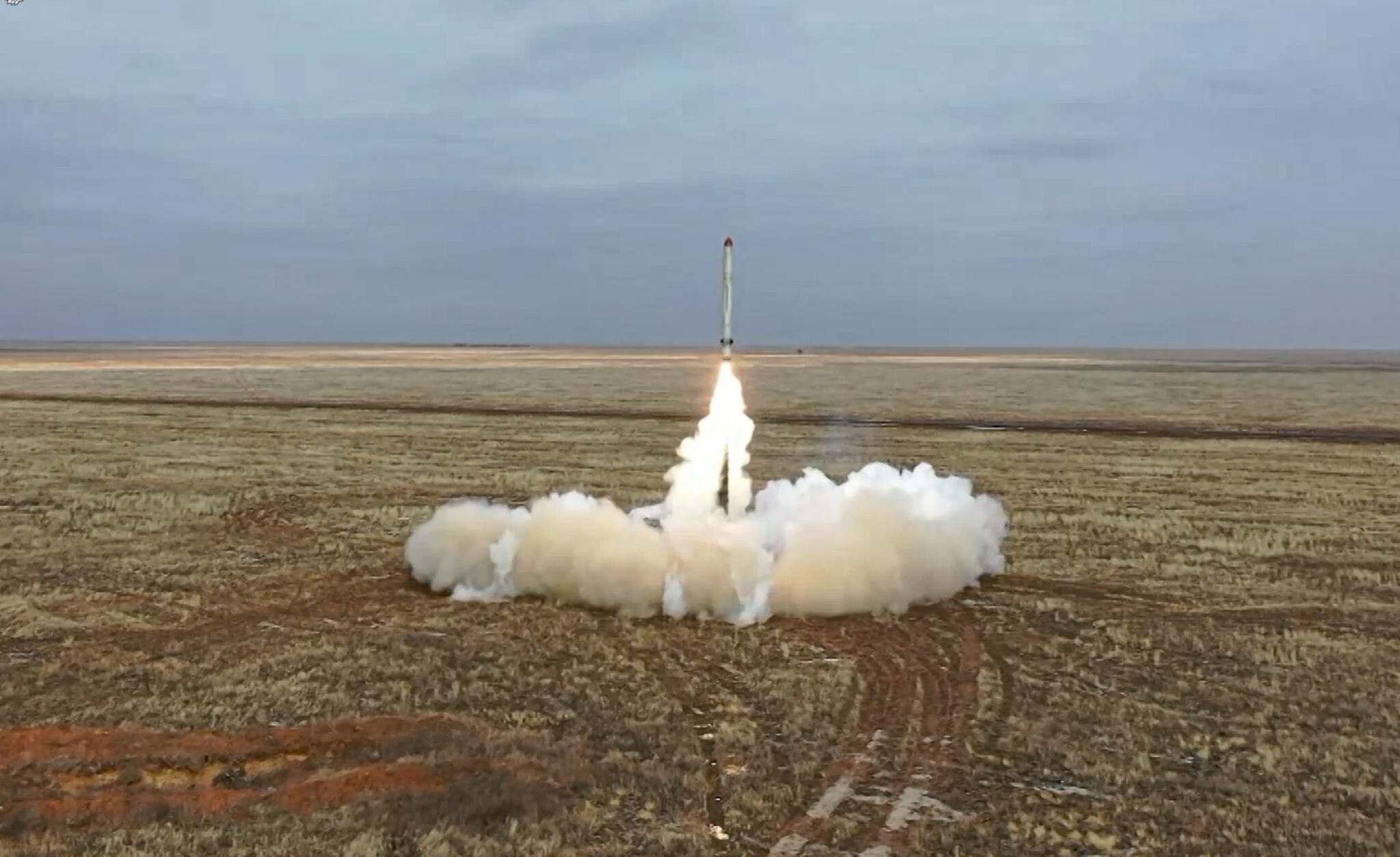
Some US officials have privately expressed concern that, in a worst-case scenario, Putin might order deployment of such mini-nukes on a city.
Director of National Intelligence Avril Haines said “Putin’s nuclear saber-rattling” has put the West on notice.
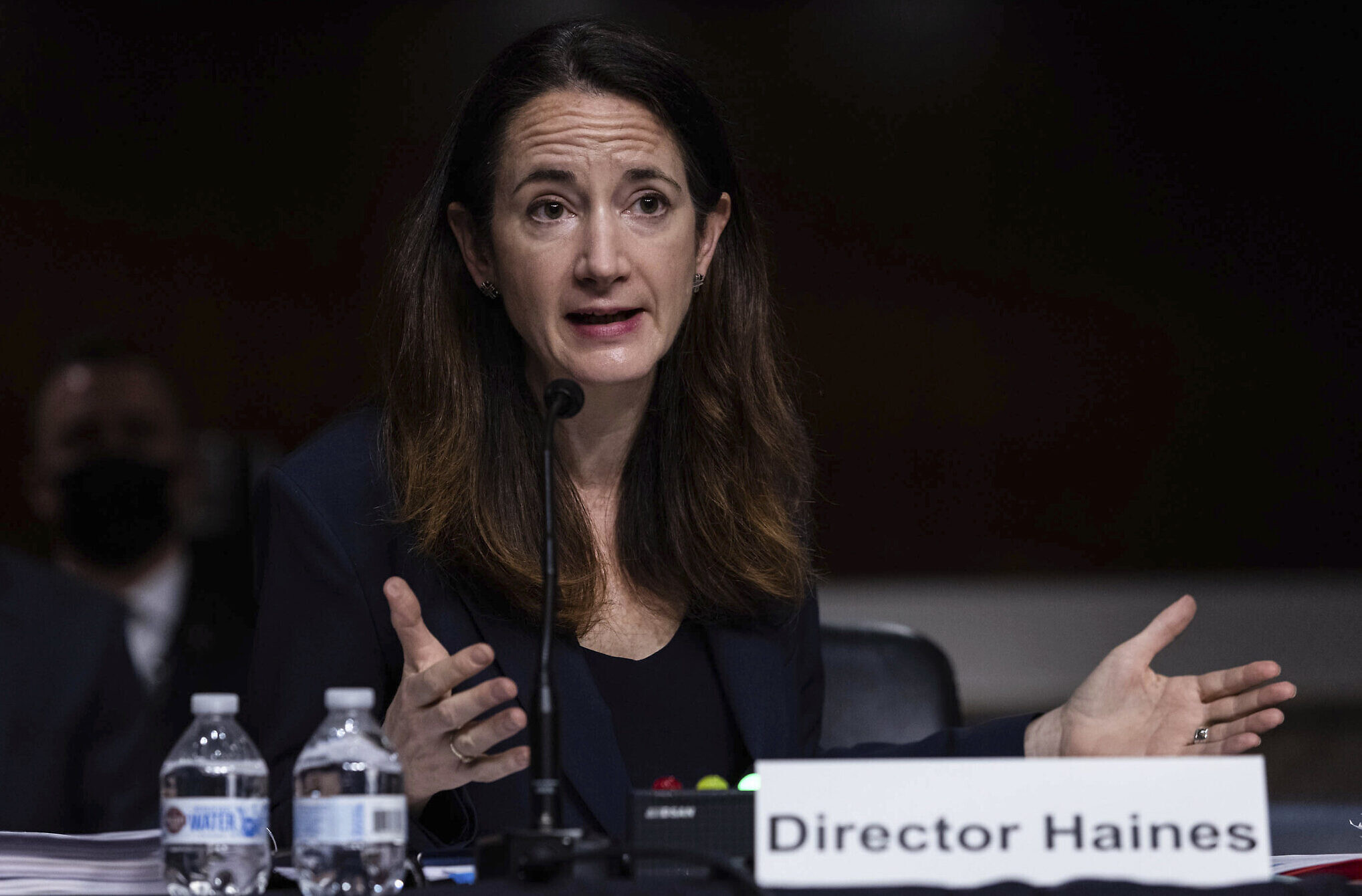
“We assess Putin feels aggrieved the West does not give him proper deference, and perceives this as a war he cannot afford to lose,” Haines told the panel.
“But what he might be willing to accept as a victory may change over time,” she said.
The invasion has produced “a shock to the geopolitical order with implications for the future that we are only beginning to understand, but are sure to be consequential.”
Despite Putin’s announcement that he would raise Russia’s alert level for nuclear weapons, Haines said the US has not observed unusual changes in Russia’s nuclear force posture.
With Putin under immense pressure, his circle of close advisors is getting “narrower and narrower,” the CIA’s Burns said.
In such a system, “it’s not proven career enhancing for people to question or challenge his judgment.”
Russian troops killed in the invasion probably number between 2,000 and 4,000, said Berrier, though he noted that assessment was made with “low confidence.”
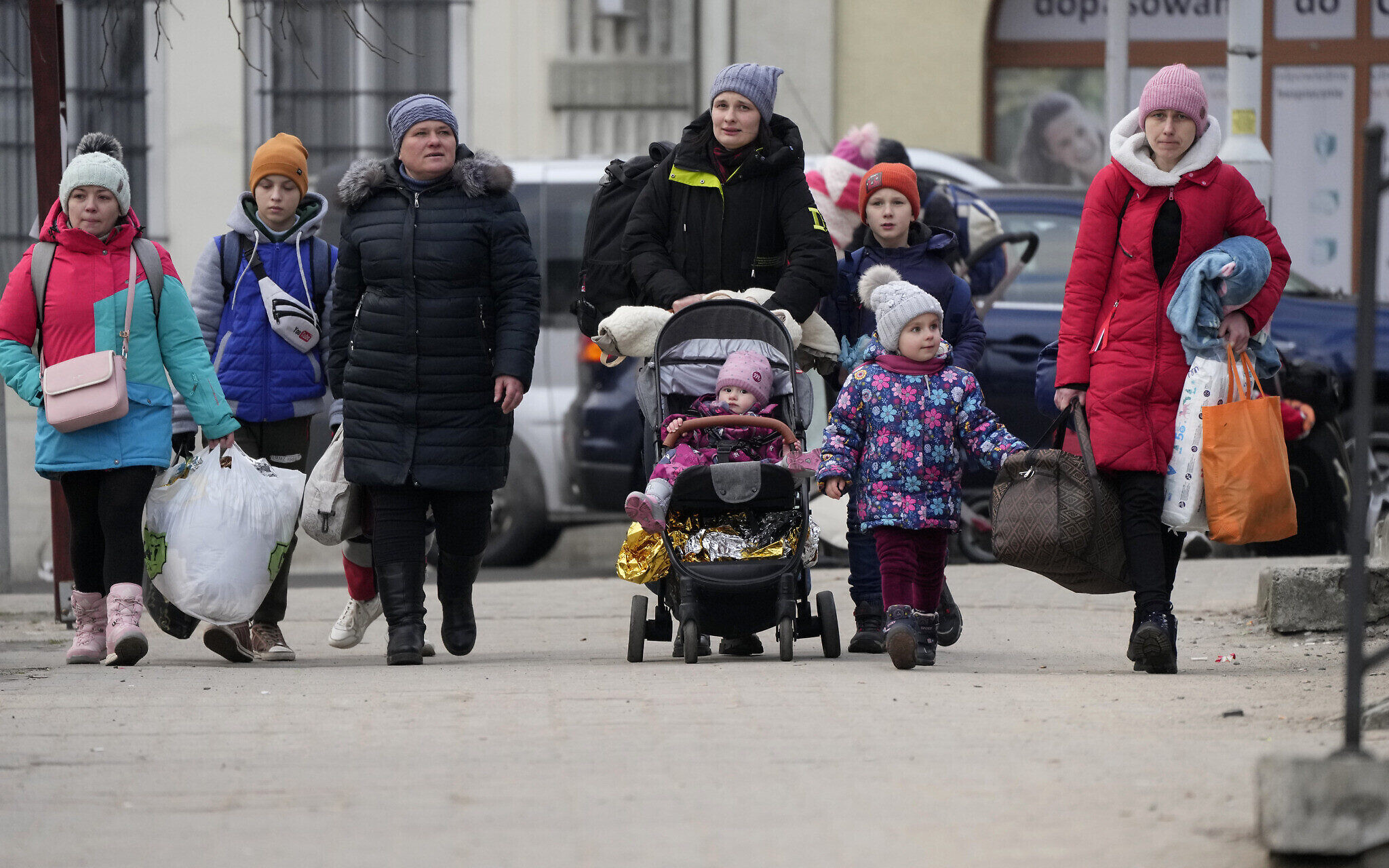
Even so, Moscow’s forces have managed to lay siege to Ukrainian cities and cut off food, water, heat and medicine, with continued shelling throwing into jeopardy attempts to evacuate civilians from the bombarded port of Mariupol, a city of 430,000.
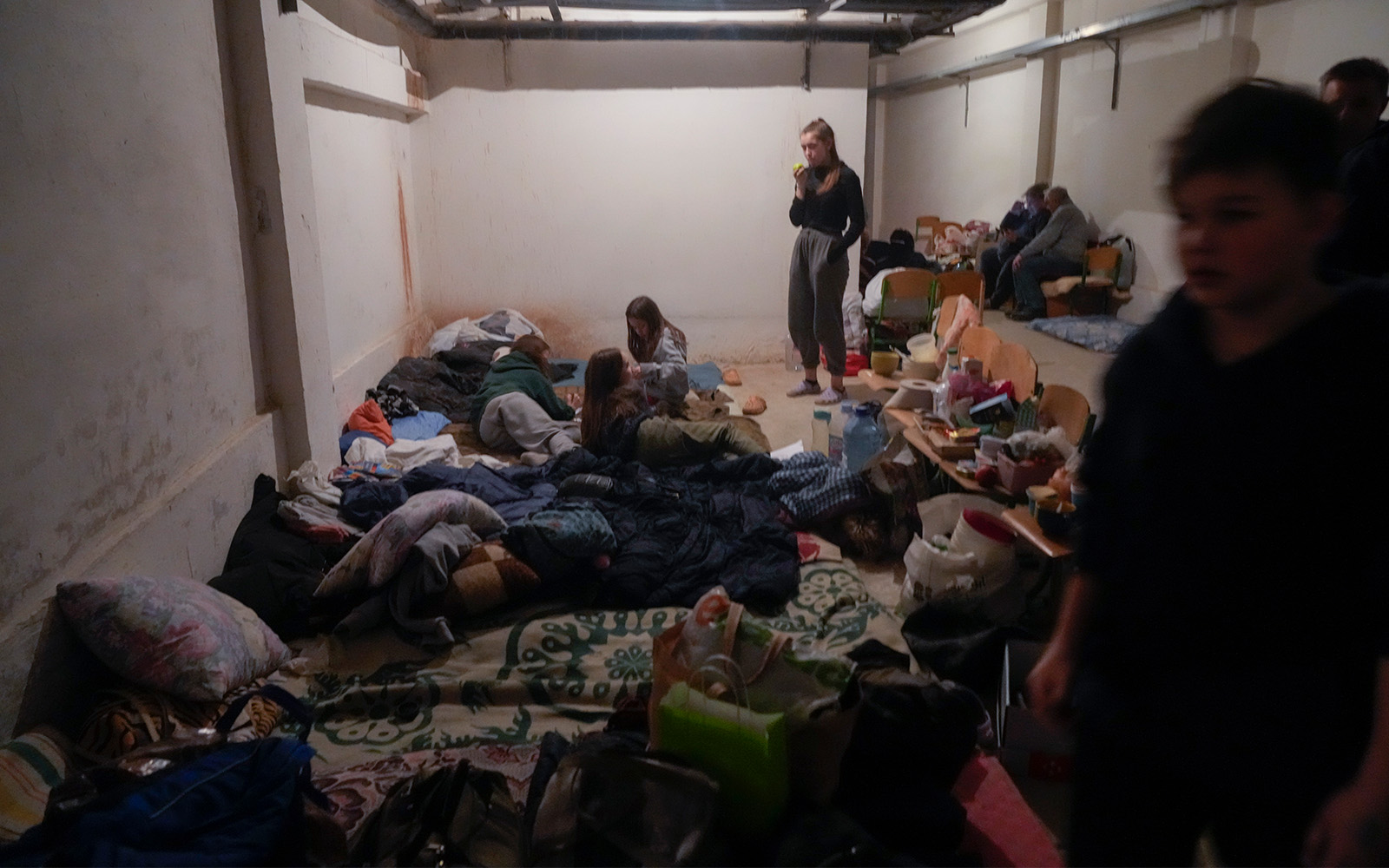
Asked about efforts to cut off food and water to Kyiv, Berrier said he could not say how many days of supplies the city had but that the situation could become “somewhat desperate” in 10 days to two weeks.
In a separate congressional hearing, Undersecretary of State for Political Affairs Victoria Nuland labeled Putin an “obsessed,” paranoid leader who has created a “bed of lies” and tested the very foundations of international law.
“Over the years, President Putin’s imperial ambition has grown and he is dissatisfied with the last 30 years of Russian history,” she said.
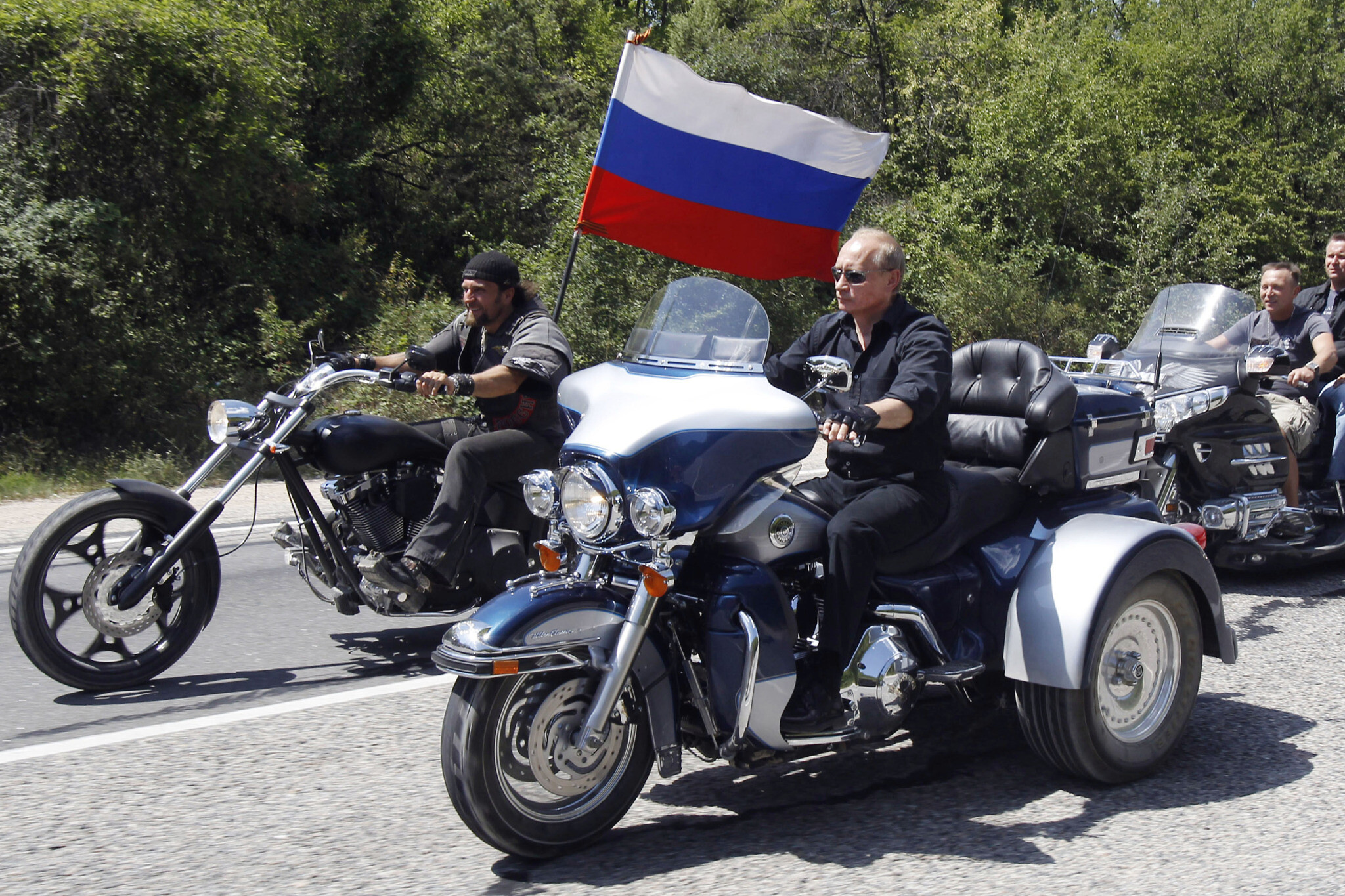
He has longed “to be the guy that helps recreate the Soviet Union,” she said of Putin, a KGB officer at the time of the USSR’s disintegration, which he saw as a personal defeat.
With his intentions laid bare by the war, and his recent comments suggesting Ukraine is not a legitimate nation independent from Russia, “I think his interior mind is now out there for everybody to see,” Nuland added.





The Times of Israel Community.