

US-Iran talks on long-term deal doomed as long as both sides insist they won the war
Iran thinks it can wring massive concessions on the nuclear and Hormuz issues, while Trump won’t cave to a country he bombed for weeks, leaving them in a stalemate and possibly bound for escalation

 Add ToI as a Preferred Source on Google
Lazar Berman is The Times of Israel's diplomatic reporter
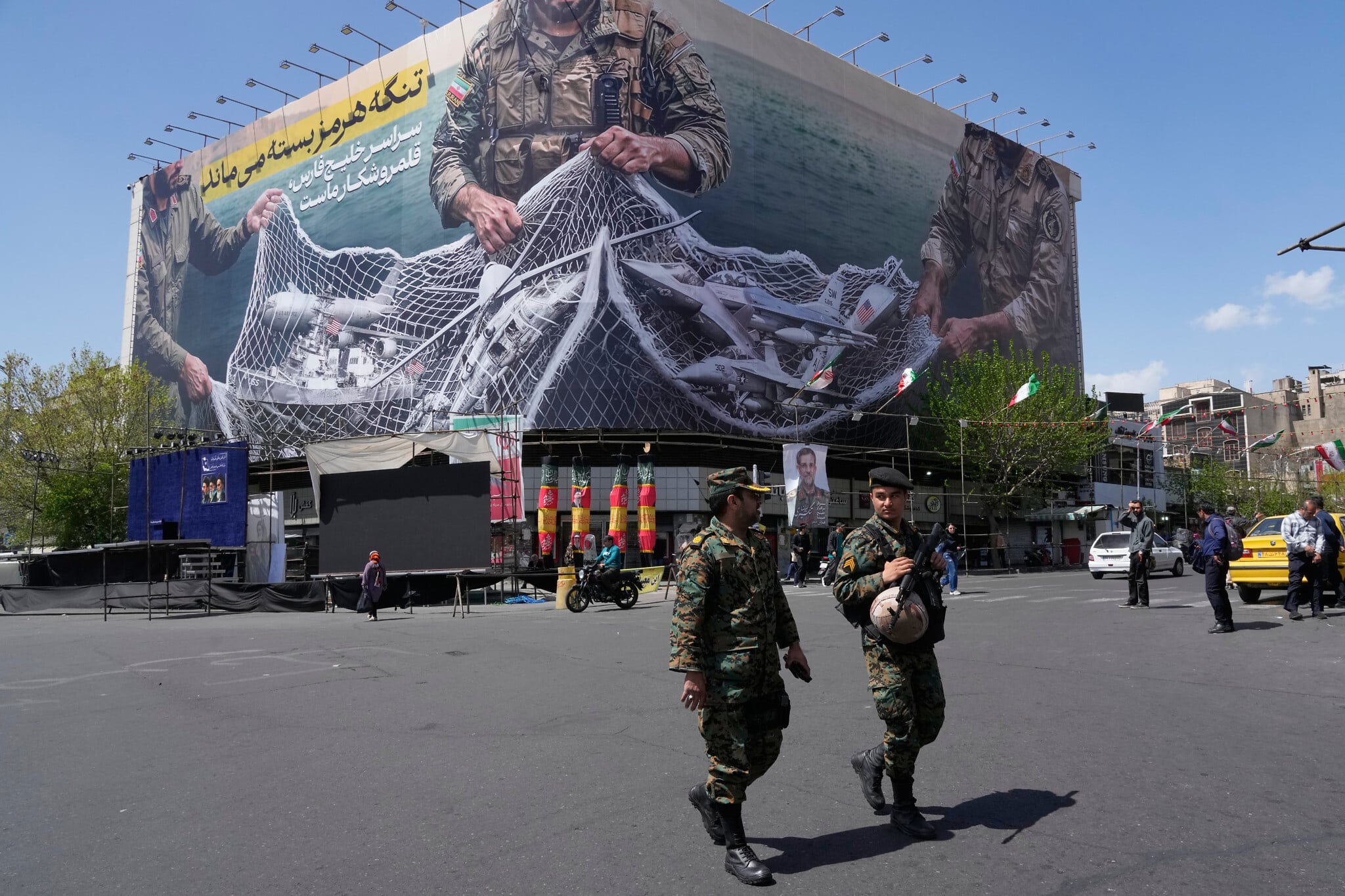
Entering marathon talks with Iran in Pakistan over the weekend, the US seemed to have had its sights set on hammering out a quick agreement.
But the expectation that an agreement could be hammered out in one day was never a reasonable one.
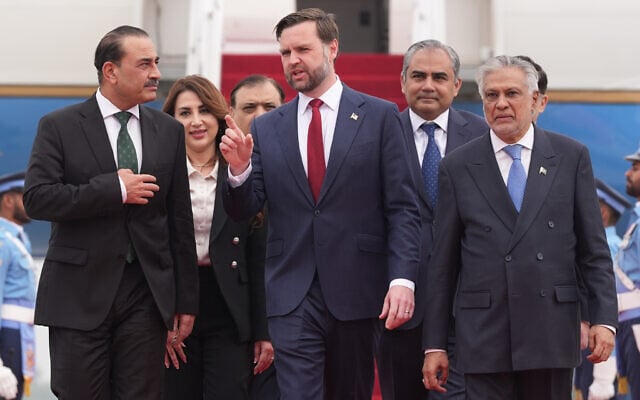
“The bad news is that we have not reached an agreement, and I think that’s bad news for Iran much more than it’s bad news for the United States of America,” said Vice President JD Vance, who led the talks, after the parley fell apart following a single marathon session.
Both the US and Iran are declaring victory, which is to be entirely expected. But it seems that both sides actually believe their own bluster, meaning neither is willing to give up much.
Washington maintains that it obliterated Iran on the battlefield and has insisted on the type of concessions it thinks should come with a redounding victory. But Iran contends that it did not lose, and is not about to accept US diktats that it feels reach beyond whatever gains America may have achieved in its joint bombing campaign with Israel.
In the words of Iran’s Foreign Minister Abbas Araghchi: “The US tried to achieve at the negotiating table what it could not achieve through war.”
With Iran refusing to wave a white flag, any concessions it may make in any resumed talks or contacts will have to be matched by far-reaching compromises on the US side, especially around sanctions relief.
Iran’s 10-point plan reads like the type of settlement a victor would impose on a vanquished foe. According to the Islamic Republic, the proposal includes “continued Iranian control over the Strait of Hormuz, acceptance of [nuclear] enrichment, [and] lifting of all primary and secondary sanctions.”
Other key demands in the blueprint include a US military withdrawal from the Middle East, an end to attacks on Iran and its allies, the release of frozen Iranian assets and a UN Security Council resolution making any deal binding.
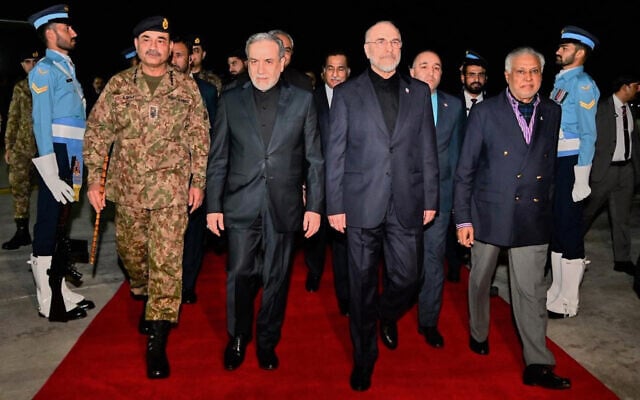
Tehran may be fully aware that most of its demands are wildly unrealistic, even as a starting point in negotiations. But even if Iran is willing to compromise on some of them, it seems entirely unwilling to budge on its “right” to continue enriching uranium.
US nuclear weapons expert David Albright pointed out that though the English version of the 10 points has no mention of nuclear enrichment, the version of the plan in Farsi “likely approved by the leadership, reiterates the same unacceptable enrichment condition.”
Iran also refuses to talk about its ballistic missiles, as has been the case in previous rounds of talks before the latest hostilities.
Both the US and Israel listed destroying Iran’s ballistic missile threat as a war aim in the operation that began on February 28, along with stopping its nuclear program.
In the talks, though, the US primarily focused on reopening the Strait of Hormuz alongside the nuclear issue, underlining one area in which American and Israeli priorities may diverge.
Writing on Truth Social after being debriefed by Vance, Witkoff, and Kushner, Trump focused on those two issues.
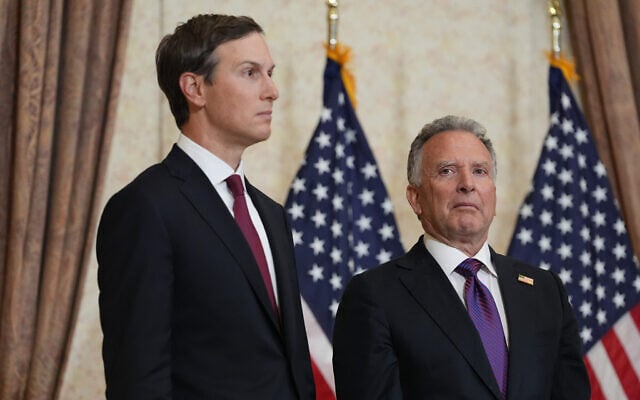
“IRAN IS UNWILLING TO GIVE UP ITS NUCLEAR AMBITIONS!” he wrote, calling it “the single most important issue.”
Referring to Hormuz, Trump added that Iran “better begin the process of getting this INTERNATIONAL WATERWAY OPEN AND FAST!”
Jerusalem appears to be content with the fact that Washington is holding fast on the nuclear issue.
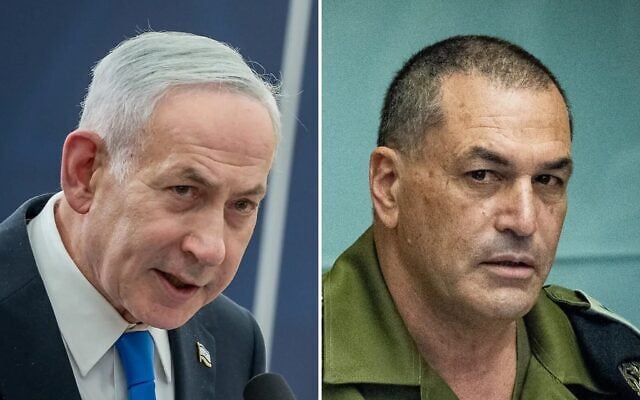
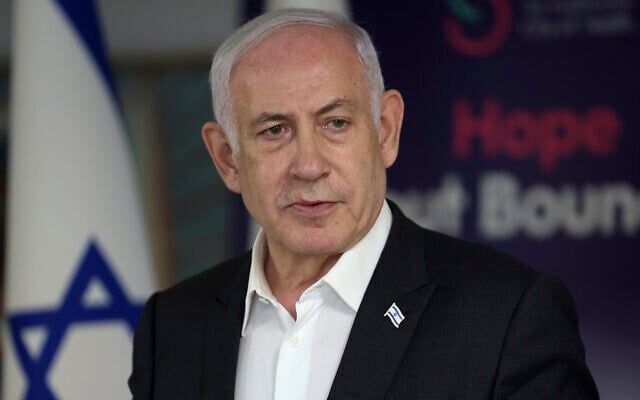
Netanyahu said on Monday that he was briefed by Vance that “the central issue from the perspective of President Trump and the United States is removing all enriched material and ensuring that there will be no enrichment in the coming years — possibly for decades — no enrichment inside Iran.”
Iran is still in a strong position on both issues.
On the nuclear file, Iran’s negotiating posture indicates that the six-week bombing campaign failed to produce the necessary leverage for it to willingly drop its nuclear ambitions, and Tehran is buoyed by the fact that the US may not have the means or will to rid it of nuclear capabilities by force.
Any Iranian agreement on removing its highly enriched uranium and for new restrictions on enrichment will only come alongside the lifting of most sanctions, opening the gates for billions of dollars to flow into the country’s coffers. Much of that newfound wealth will be poured into the rehabilitation of Iran’s military might.
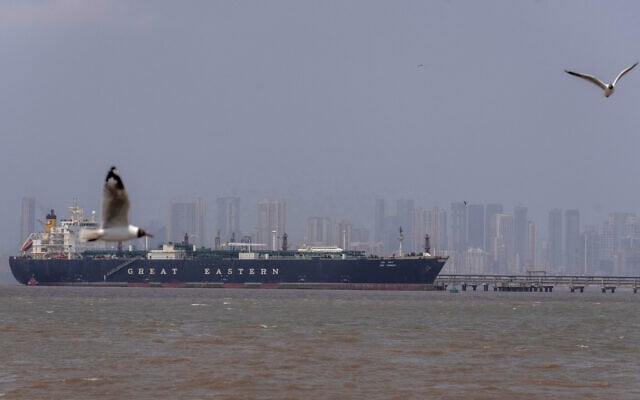
On Hormuz, battering its armed forces will not be enough to ensure that the Islamic Revolutionary Guard Corps cannot hold the strait hostage, given that it does not take much in terms of military capabilities to effectively close the waterway. The mere threat of mining the channel or firing a few cheap one-way drones is enough to keep civilian ships from risking passage alone.
Trump acknowledged as much Sunday in an interview with Fox Business Channel: “Just a mine, we’ll drop one mine, two mines, 10 mines, and that will, if you have a ship that costs a billion dollars, you say, well, you know, I’d prefer not getting whacked by a mine and losing my ship.”
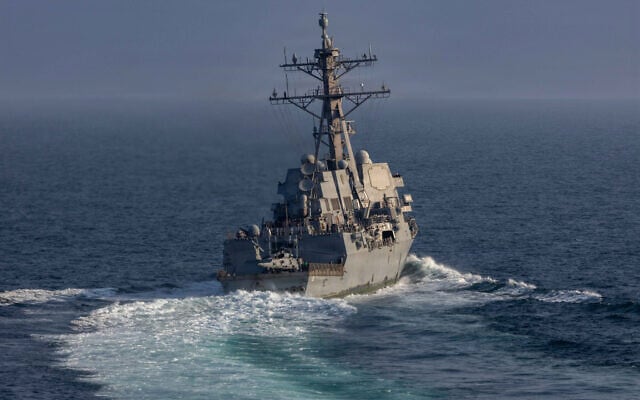
In the near term, Trump is choosing to escalate. A US blockade of all Iranian ports was set to start at Monday in an attempt to push Iran to agree to stop interfering with any shipping through Hormuz or demanding tolls from ships making the transit.
Iran continues to talk tough, with parliament speaker Mohammad Bagher Ghalibaf, who led Tehran’s delegation in Pakistan, promising that Tehran would “not bow to any threats” from Washington.
“If you fight, we will fight,” he said.
Iran’s military is also continuing to issue threats, saying that “Security in the Persian Gulf and the Sea of Oman is either for everyone or for NO ONE. NO PORT in the region will be safe.”
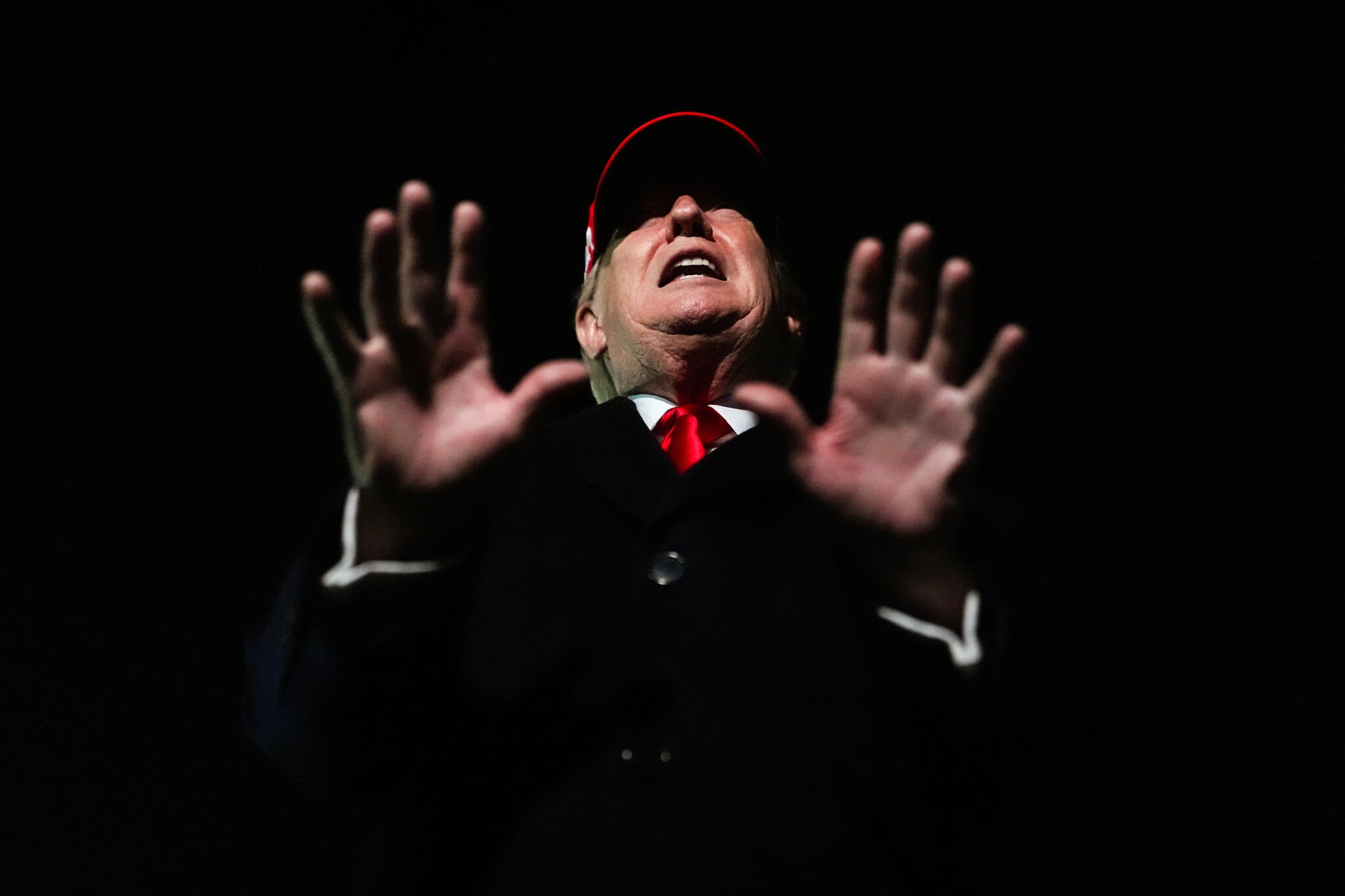
The blockade and a potential Iranian response don’t mean that there won’t be another round of talks.
But something has to change in the perceived balance of power first. Trump is betting that shutting down Iran’s main source of money will shake things up enough to get Tehran to agree to open Hormuz, which would allow the sides to talk about the nuclear issue.
Meanwhile, Iran is hoping that taking its oil off the market, while it keeps the strait effectively closed, will continue to drive up energy prices, increasing public pressure on Trump to find a way out of the war, even if it means caving to Iranian demands.
Israel remains convinced that the Islamic Republic must be battered even more — especially its energy infrastructure — before Iran will accept Trump’s conditions for an end to the fighting. Netanyahu has indicated Israel is more than ready to keep fighting.
That may well be where things are headed. Still, the tense ceasefire might simply ossify into a long-term stalemate, with both sides unhappy with the outcome of the fighting but unwilling to return to the battlefield.




The Times of Israel Community.