

US said rewording truce-hostage offer to revive talks, as families rally for deal
New effort focused on changes to conditions for talks in first phase, US official says; protest groups gather Sat. night, and plan July 7 shutdown to mark 9 months since Oct. 7
 Add ToI as a Preferred Source on Google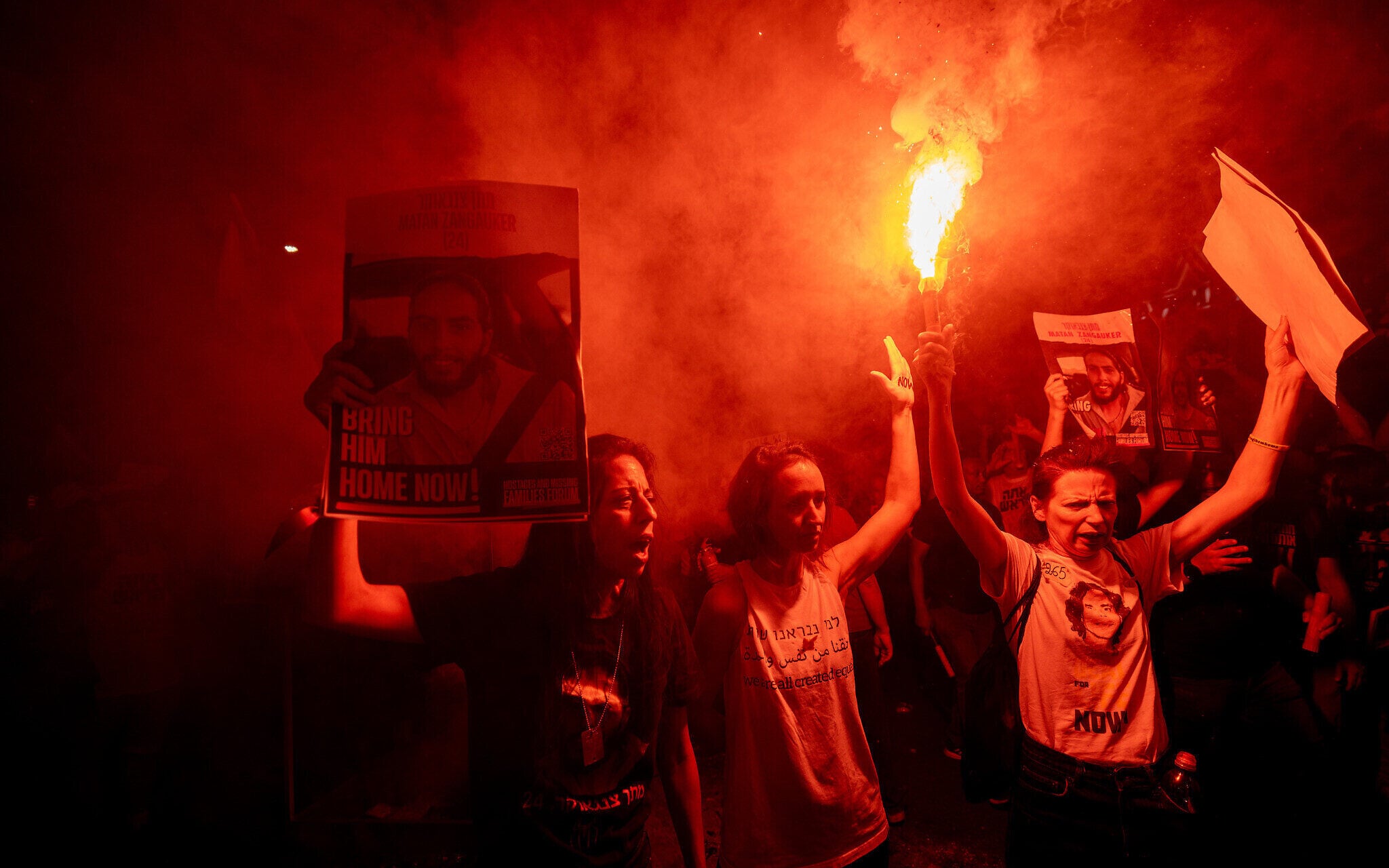
The United States has proposed new language for parts of the proposed hostage and ceasefire deal between Israel and Hamas in an effort to reach an agreement, a report said Saturday, as relatives of those still held captive in Gaza protested on Saturday night to urge the government to secure a deal.
The Axios news site reported on Saturday, citing three sources with direct knowledge of the talks, that the US, with fellow mediators Qatar and Egypt, was focused on amending Clause 8 of the hostage-truce deal, concerning negotiations to be held during the six-week ceasefire stipulated by the agreement’s first stage. Clause 14, which deals with the transition between stage one and stage two of the deal, is also being reexamined, Channel 12 reported on Saturday evening.
“The US is working very hard to find a formula that will allow reaching a deal,” one of the sources was quoted as saying, while another predicted that the agreement could be sealed if Hamas okays the changes.
Under the proposal’s current provisions, the deal’s first phase would see the fighting in Gaza cease for six weeks, during which Hamas would release the remaining living female, elderly and sick hostages.
In tandem, the sides would hold talks to secure a second six-week truce during which Hamas would release the remaining living hostages, including young men and male soldiers.
However, if Hamas were found to violate its commitments under the deal, Israel could resume fighting.
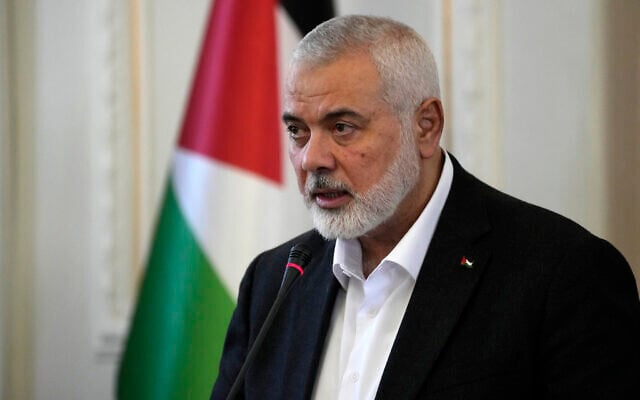
Hamas reportedly wants talks during the agreement’s first phase to address only how many and which Palestinian prisoners will be released in return for the living male hostages; Israel, on the other hand, also wants to discuss the demilitarization of Gaza, among other matters.
According to partial leaks of the Israeli proposal earlier this month, Clause 8 reads: “No later than day 16 [of phase one], the commencement of indirect negotiations between the two sides to agree on the conditions for implementing stage two of this agreement, including those relating to the keys for the exchange of hostages and prisoners (soldiers and remaining men), and this should be concluded and agreed upon before the end of week five of this [first] stage.”
Clause 14 reportedly states: “All procedures in this stage including the temporary cessation of military operations by both sides, aid and shelter effort, withdrawal of forces etc., Will continue in stage 2 so long as the negotiations on the conditions for implementing stage 2 of this agreement are ongoing. The guarantors of this agreement shall make every effort to ensure that these indirect negotiations continue until both sides are able to reach agreement on the conditions for implementing stage 2 of this agreement.”
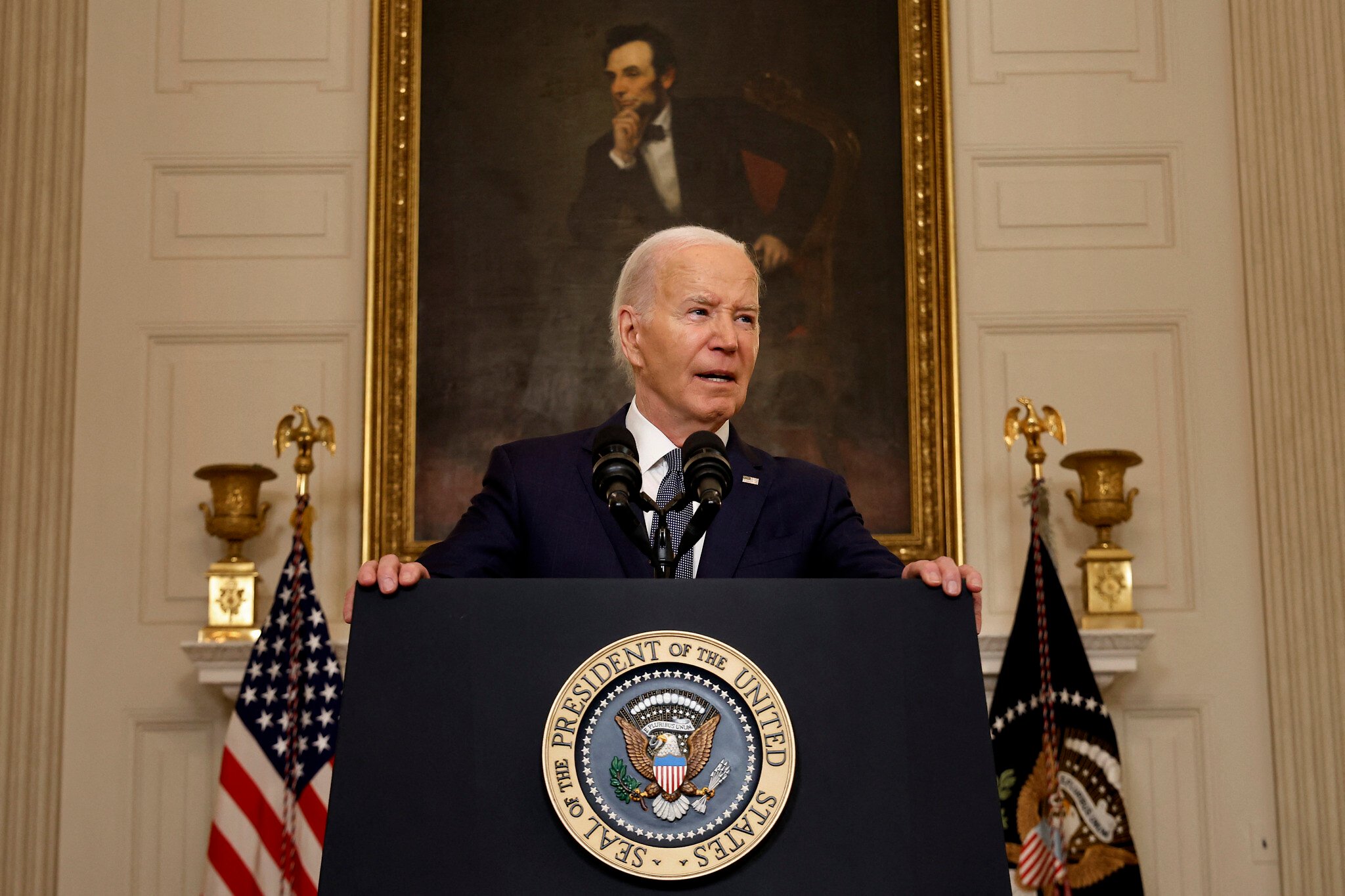
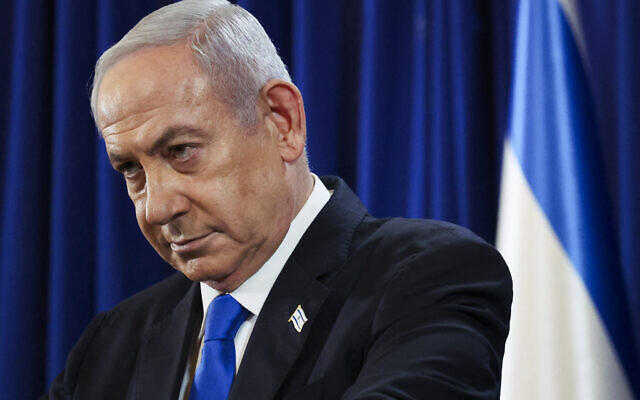
The fate of the proposal was unclear earlier this week after Prime Minister Benjamin Netanyahu said in an interview with the right-wing Channel 14 on Sunday that he was willing to temporarily withdraw the army from the Gaza Strip in return for a “partial deal” that would see some of the hostages returned, but would then “continue the fighting” until Hamas is destroyed.
But the prime minister appeared to walk back the statement the following day, insisting that he was still “committed to the Israeli [ceasefire] proposal welcomed by [US] President Biden. Our position has not changed.”
A senior Arab official from one of the mediating countries told The Times of Israel on Monday that Netanyahu’s comments had vindicated Hamas’s concerns Israel will only carry out phase one of the deal before finding a way to resume fighting.
For its part, the US State Department for the first time on Tuesday characterized Hamas’s response to the Israeli proposal as a rejection. The terror group “came back several weeks ago and rejected the proposal that was on the table,” State Department spokesperson Matthew Miller said during a press briefing. “They gave us a written response that rejected the proposal put forward by Israel, that President Biden had outlined, that the United Nations Security Council and countries all around the world had endorsed,” he added, calling it a “written rejection and counter-proposal that came from Hamas.”
Meanwhile, the Hostages and Missing Families Forum, which was holding its weekly rally at Tel Aviv’s Hostages Square on Saturday night, pledged to keep calling on the government to realize the deal, first presented by US Biden in a May 31 speech. The rally was accompanied by a nearby protest of anti-government groups, and numerous other protests nationwide.
The hostages’ families forum, as well as some opposition figures, eviscerated the premier earlier this week for appearing to renege on the deal presented by Biden, which had been approved by Israel’s since-disbanded war cabinet.

Announcing its weekly Saturday rally, the Hostages Forum said: “We must approve the deal — we cannot miss this opportunity for an agreement that will bring all the hostages home, the living for rehabilitation, the murdered for proper burial.”
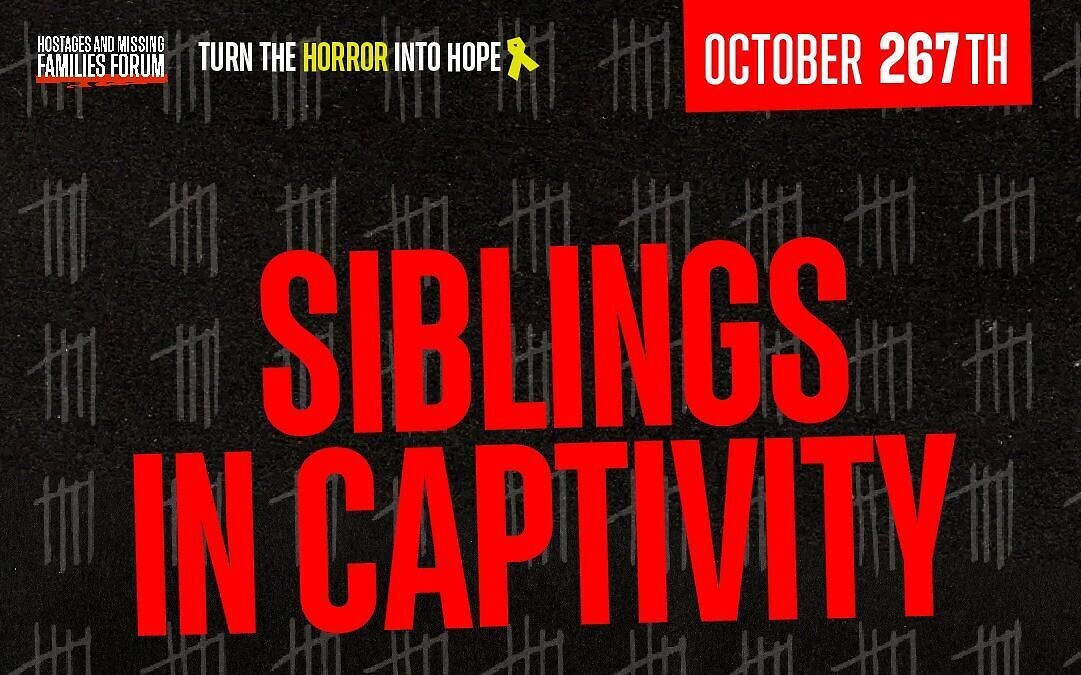
The rally was also highlighting the plight of kidnapped siblings, the group said in a statement, adding that among the 120 remaining hostages are five pairs of siblings.
This week’s demonstration featured a video message from Noa Argamani, who was rescued from Hamas captivity in early June along with three other hostages. Other speakers were to include the parents of hostage Liri Albag and siblings of hostages Itzik Elgarat, Tsachi Idan, Ohad Yahalomi and Tamir Adar, the statement said.
Near the Hostages Square rally, anti-government groups were protesting on Tel Aviv’s Kaplan Street to demand the government’s resignation and new elections.
The anti-government groups have also said they are organizing a shutdown of businesses and commerce on July 7, marking nine months to the day of Hamas’s shock assault, which protest groups accuse the government of failing to prevent.
Over the past week, protest leaders had campaigned for a shutdown of commerce on Thursday, but the call went largely unheeded.
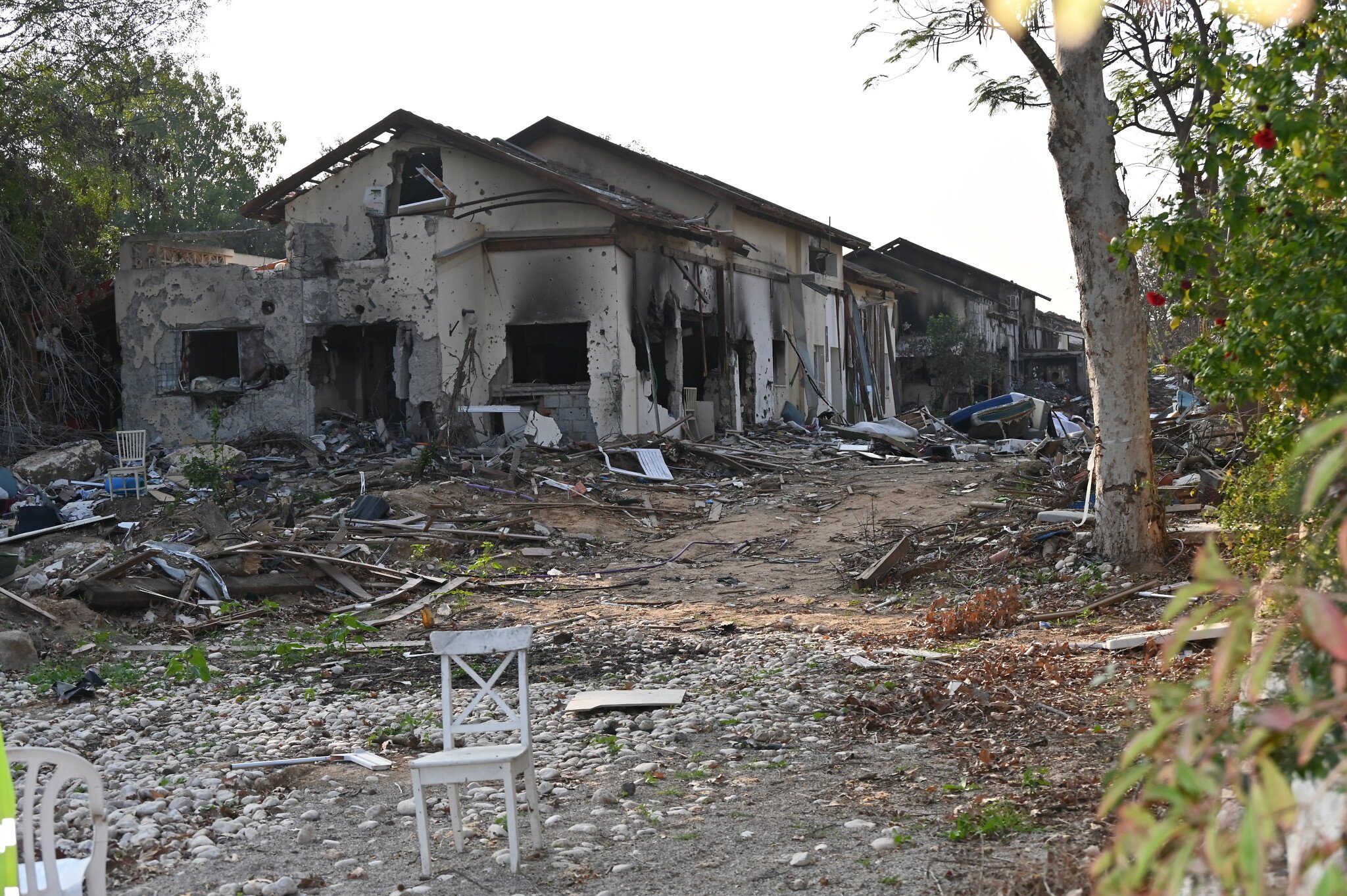
The war in Gaza erupted after Hamas’s October 7 massacre, which saw some 3,000 terrorists burst across the border into Israel by land, air and sea, killing some 1,200 people and seizing 251 hostages, mostly civilians, many amid acts of brutality and sexual assault.
It is believed that 116 hostages abducted on October 7 remain in Gaza — not all of them alive — after 105 civilians were released from Hamas captivity during a weeklong truce in late November, and four hostages were released prior to that.
Seven hostages have been rescued by troops alive, and the bodies of 19 hostages have also been recovered, including three mistakenly killed by the military.
The IDF has confirmed the deaths of 42 of those still held by Hamas, citing new intelligence and findings obtained by troops operating in Gaza. One more person has been listed as missing since October 7, and their fate is still unknown.
Hamas has also been holding two Israeli civilians who entered the Strip in 2014 and 2015, as well as the bodies of two IDF soldiers who were killed in 2014.
Jacob Magid contributed to this report.





The Times of Israel Community.