

With North Korea seen hanging on to nukes, senators question US strategy
Lawmakers say administration’s plan to isolate Pyongyang runs counter to intelligence assessment that Kim will never give up atomic weapons
 Add ToI as a Preferred Source on Google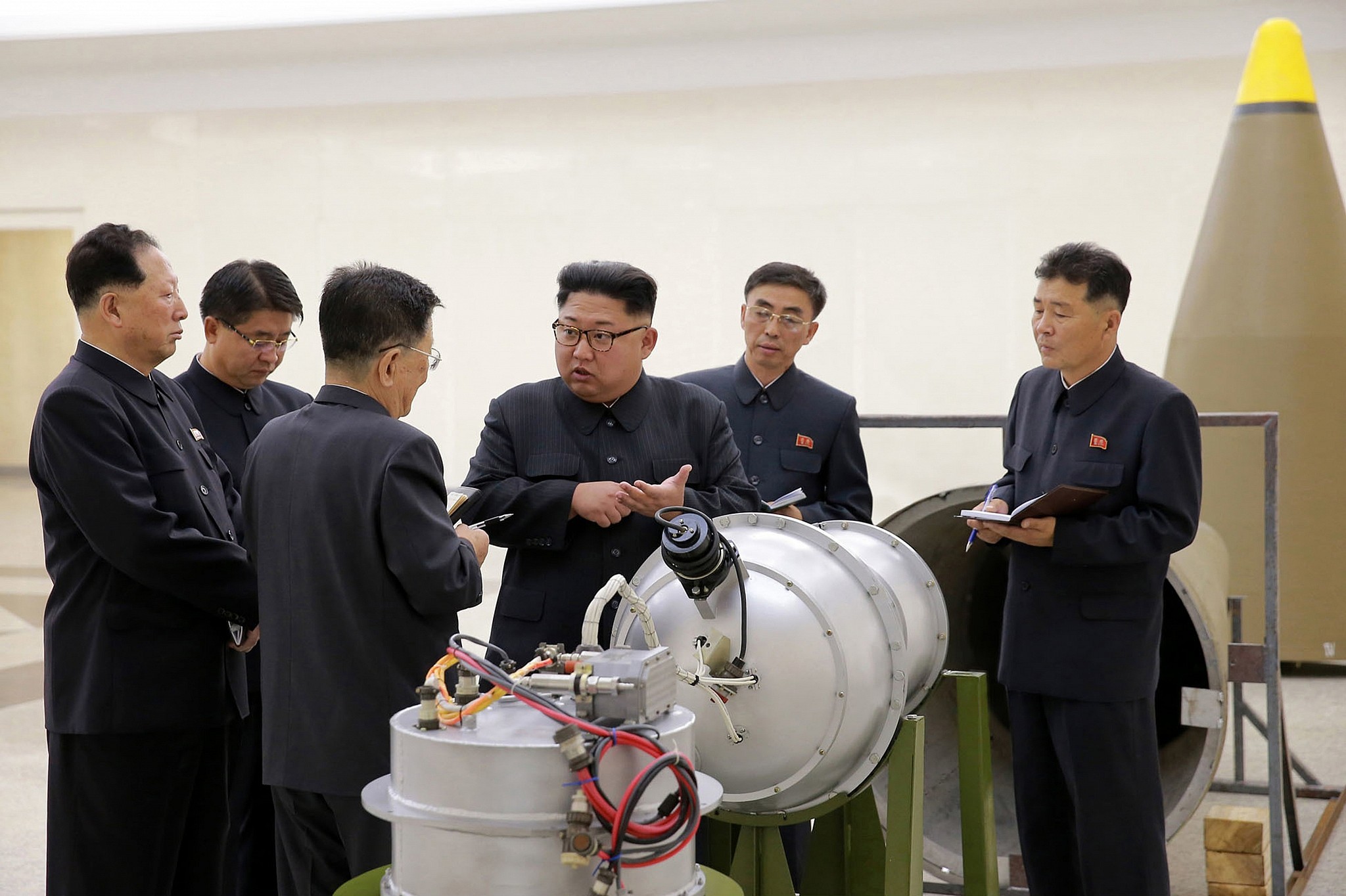
WASHINGTON (AP) — A senior State Department official acknowledged Thursday that US intelligence agencies don’t believe North Korea will ever pull the plug on its nuclear program, raising concerns among lawmakers over the Trump administration’s strategy for bringing a mounting crisis to a peaceful close.
Susan Thornton, the acting assistant secretary of state for East Asia and the Pacific, said her department and other federal agencies are “testing” the conclusion reached by the intelligence agencies. The administration, she told members of the Senate Banking Committee, is ratcheting up “international isolation and pressure” on North Korea, with essential help from China, which she called Pyongyang’s “leading enabler.”
Sen. Bob Corker, R-Tenn., said North Korean leader Kim Jong Un views nuclear weapons as “his ticket to survival” and there’s virtually nothing to make him turn back.
Corker, who also chairs the Foreign Relations Committee, asked Thornton and Sigal Mandelker, the undersecretary of Treasury for terrorism and financial intelligence, what steps could quickly steer North Korea from being able to fire missiles at the United States.
“We’re trying to turn China’s position from looking at North Korea as some kind of asset, to looking at them as a liability,” Thornton said. “I think that (Secretary of State Rex) Tillerson has made a lot of progress on that front.”

But Corker said that while he applauded Tillerson’s efforts, the secretary is “working against the unified view of our intelligence agencies.”
Echoing Corker’s concerns, Sen. Mark Warner, D-Va., said “there may be a contradiction between the conclusions of the intelligence community and what the secretary of state is trying to do.”
“It’s a really thorny issue,” said Warner, who also is vice chairman of the Senate Intelligence Committee. He called the findings of the intelligence agencies “fairly chilling.”
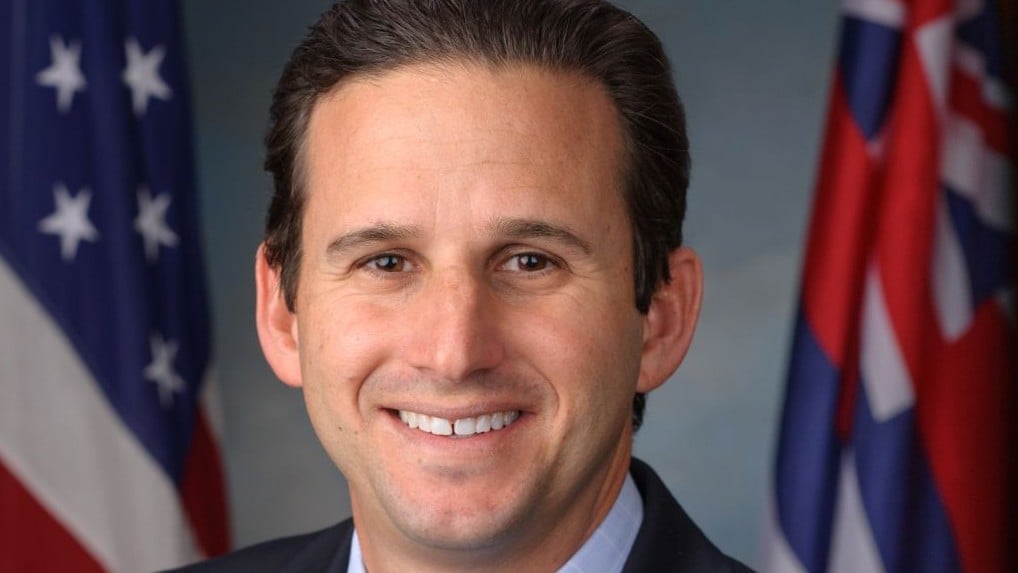
Sen. Brian Schatz, D-Hawaii, said the long-term objective of halting North Korea’s atomic arms program may not be achievable at all.
“I’m with you on the strategic objective of getting Kim Jong Un to change his calculus,” Schatz told Thornton. “But I don’t see that happening in the next three to six months, or even in the next, you know, six to 18 months. And yet, we are in a crisis right now.”
Sen. Tom Cotton, R-Ark., rejected cooperation from Beijing on North Korea as illusory. He dismissed the assumption that China wants a nuclear-free North Korea because Beijing fears war would lead to a massive refugee crisis on its border or a pro-American unified Korea.
“I know that’s what Chinese mouthpieces say to the United States and Western audiences, but I just can’t agree with it,” Cotton said. “A refugee crisis? Say what you will about our country, but I’m pretty sure that the Chinese government can build a wall on their border.”
China, Cotton said, is a strategic competitor of the United States and more “coercive pressure” should be use to secure more aggressive action by Beijing.
Thornton said the Chinese “change slowly,” but are becoming increasingly concerned about the behavior out of North Korea.
“It’s becoming clear to them, the implications for them, which they had maybe not fathomed clearly enough earlier,” she said.
Thornton and Mandelker cautioned that Congress shouldn’t pass any legislation that would undercut the Trump administration’s push for a diplomatic resolution with North Korea.
“When our hands are tied in different ways, it keeps us from being agile in the way that you would want us to be agile in order to maximize that economic pressure,” Mandelker said.








The Times of Israel Community.