

Hopes for a quick deal with Syria are gone, but Israel needs a strategy beyond strikes
When PM visited DC last week, there was talk of normalization with the Sharaa regime; now, given the Sweida fighting and the IDF’s attacks, the optimism is over but the door isn’t closed

 Add ToI as a Preferred Source on Google
Lazar Berman is The Times of Israel's diplomatic reporter
Only last week, optimism was swirling over the prospects of a formal truce agreement between longtime enemies Israel and Syria, designed to put an end to the strikes Israel had been carrying out on military assets of the new regime.
US President Donald Trump had formally dismantled American sanctions against Syria at the end of June, a watershed in the push to bring the regime in Damascus into Western acceptability.
Ahead of Prime Minister Benjamin Netanyahu’s visit to Washington, both Israeli and Syrian officials spoke about the possibility of a ceasefire agreement at the very least.
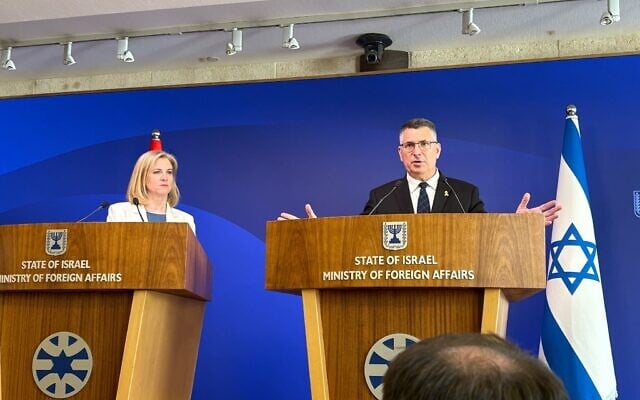
Israel “will welcome Syria to the peace and normalization circle in the Middle East,” said Foreign Minister Gideon Sa’ar in front of cameras.
“There is absolutely an aspiration to expand the Abraham Accords, and it’s no secret that we want to see Syria in this,” a senior Israeli official told The Times of Israel. “And there may be an opportunity.”
On the Syrian side, the Lebanese news channel LBCI reported before Netanyahu’s trip that Damascus was not demanding the return of the Golan Heights in any potential peace agreement, a crucial concession. Damascus was instead seeking Israeli recognition of the new regime, a withdrawal from areas held by the Israel Defense Forces in southern Syria since January, defined security arrangements in the south, and US support.
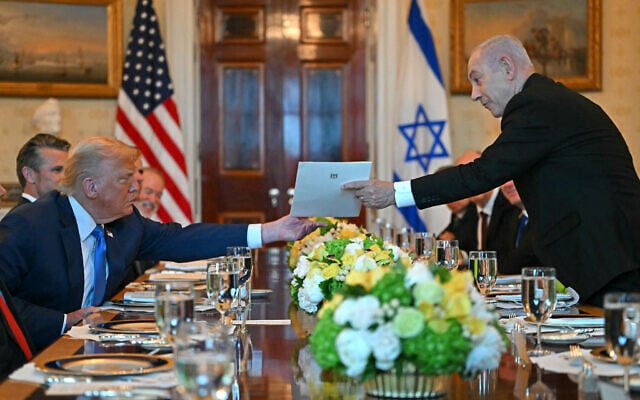
There were no dramatic White House announcements on Syria — or anything else for that matter — while Netanyahu was in Washington, but an agreement still seemed like it was on track.
While the prime minister was in the US, a Syrian political activist told the Knesset that he had held an “interesting meeting” with Syrian President Ahmed al-Sharaa: “One thing that stuck with me that President al-Sharaa said was, ‘We only have these opportunities one time every 100 years, it’s a very unique opportunity — but the window will not always stay open.'”
And there were rumors in the air that Netanyahu could meet Sharaa in New York on the sidelines of the United Nations General Assembly in September.
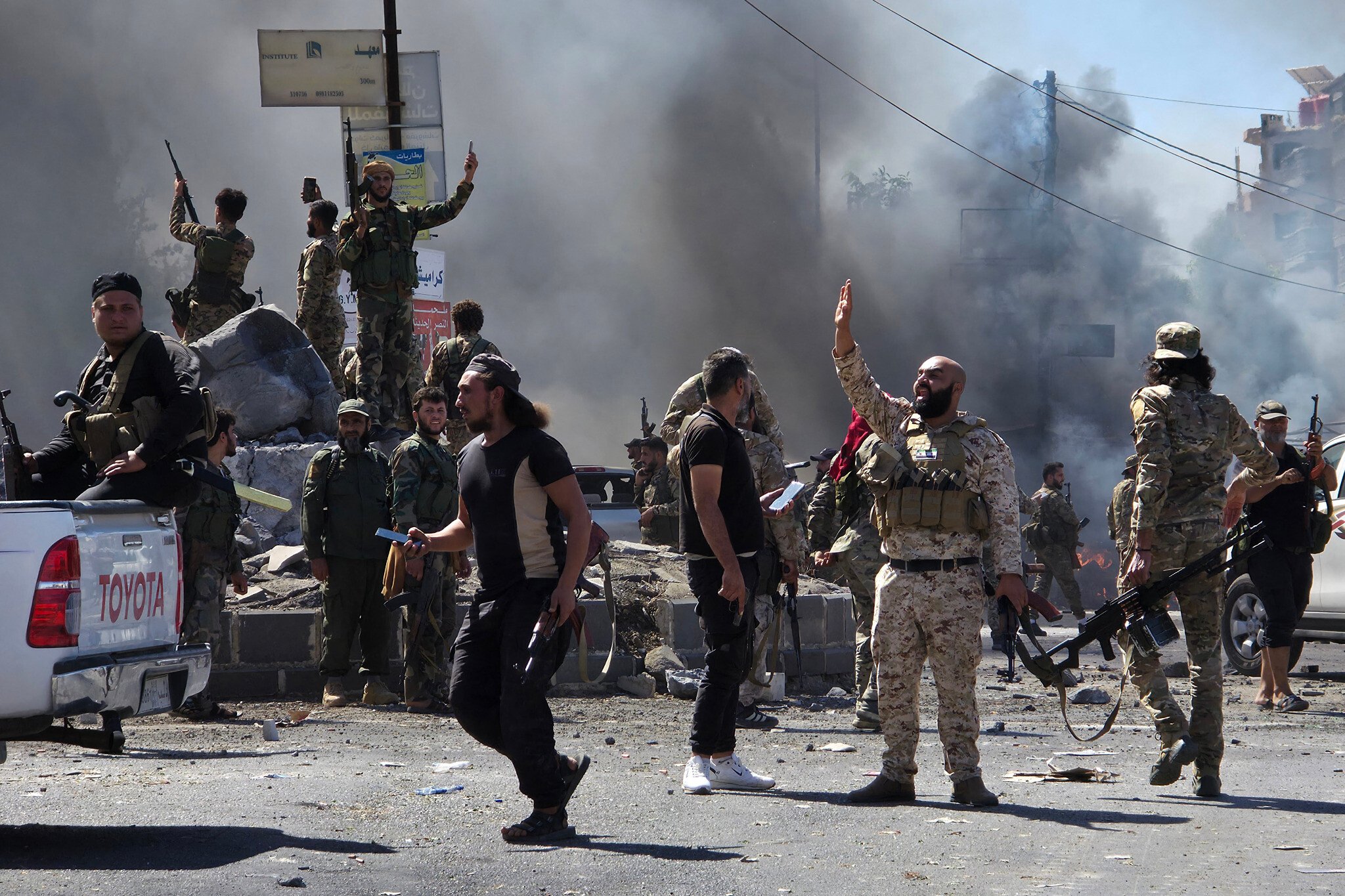
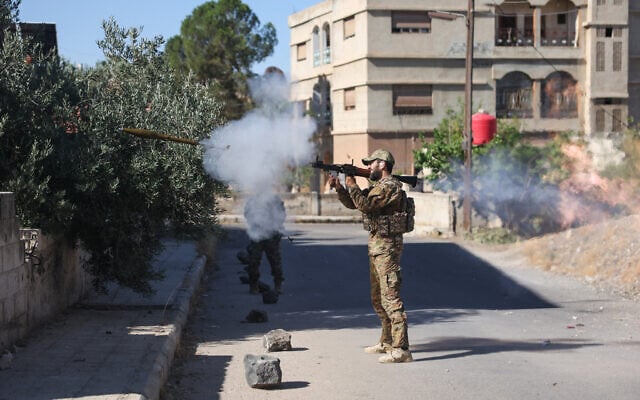
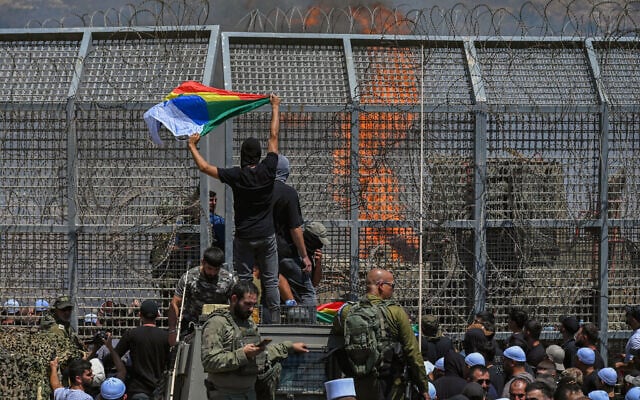
All that optimism came to a bloody end this week. Fighting erupted between Bedouin tribes and Druze in southern Syria. Syrian government forces entered the majority-Druze city of Sweida on Tuesday with the stated aim of overseeing a ceasefire, but witnesses reported that the government forces joined in the attacks on Druze fighters and civilians.
The number of dead was said on Wednesday afternoon to be approaching 250.
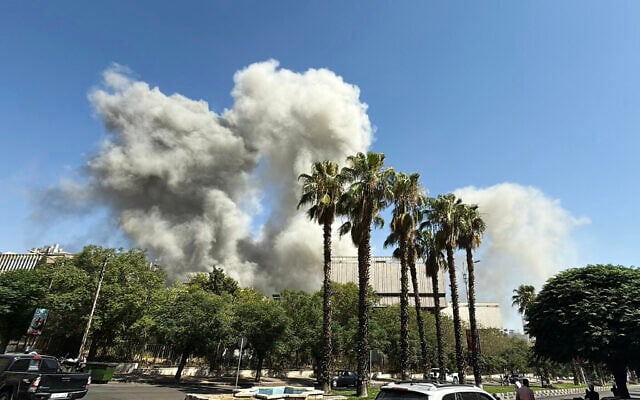
Israel reacted with force. It hit 160 targets, including Syrian tanks, rocket launchers and pickup trucks with mounted machine guns that were heading to Sweida.
Most significantly, IDF strikes on Wednesday hit Syria’s general staff command building in Damascus and another target near the Syrian Presidential Palace. There were also reports of casualties among Syrian forces.
Israel’s attacks represented a serious escalation.
“This is something different,” said Carmit Valensi, head of the Northern Arena Program at the Institute for National Security Studies in Tel Aviv. “It’s not threatening statements, it’s actually carrying the threats out.”
It’s hard to imagine how Jerusalem and Damascus will resume talks, with Syria now much more suspicious of Israel and its purported aims.
“I hear a lot from Syrian officials about a real lack of trust in Israeli intentions,” said Valensi, “that the real Israeli intentions are now being revealed with the attacks, which are to destabilize.”
And Israel, which was already wary of a government led by individuals who rose to prominence as jihadist leaders, has even more reason to be skeptical of a regime that, in the best-case scenario, can’t control what happens on the ground, and, in the worst case, is actively backing attacks on Druze.
“The civil war was won not by a cohesive, organized, and single-minded opposition with a clear vision of what comes next but by a patchwork of rivals who had nothing in common other than enmity towards Assad,” said Blaise Misztal, vice president for policy at the Jewish Institute for National Security of America.
“Sharaa might hope to cobble a state together out of these disparate factions, but he does not appear to have yet been able to make them disarm or follow his orders. Until he does, such paroxysms of violence by armed groups pursuing their own prejudices and agendas will likely remain common.”
Israel is presenting Sharaa’s regime as supportive of the attacks, but it’s hard to imagine how this stance would make any sense. He would be endangering all the goodwill and benefit of the doubt granted to him by Arab rulers, European governments and Trump himself.
Even if he privately sympathizes with the attacks, risking alienating the world’s most powerful man to settle a score with the Druze — perceived as infidels by jihadists — would go against everything Sharaa has managed to achieve since he took over Syria in December.
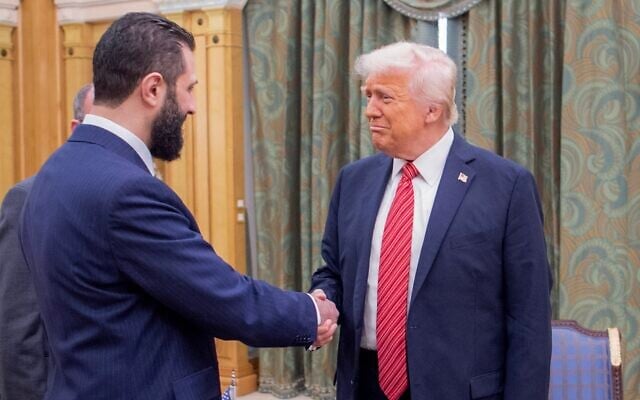
But it’s not only Sharaa who could find himself facing an angry Trump.
The US president clearly wants to bring Syria onto the American side for good, and is eager to see the Sharaa regime stabilize.
“The Trump administration appears guided less by any specific view of the regime than by a general preference for, as President Trump often says about conflicts the world over, ‘ending the killing,'” said Misztal.
“This violence will likely only reinforce that sentiment, as well as the hope that Sharaa can bring about some sort of end to bloodshed.”
The Israeli attacks are at odds with Washington’s aims, as is reflected by statements from the Trump administration.
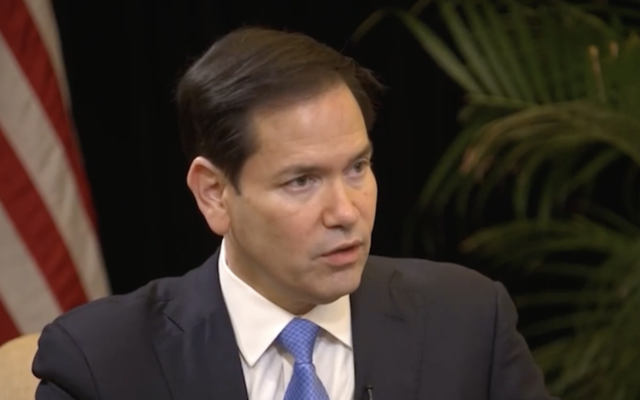
US Secretary of State Marco Rubio said Wednesday that Washington was “very concerned” by the fighting: “We want the fighting to stop.”
A US official told the Axios news site that the White House also asked Israel to halt its strikes in Syria and engage in dialogue with the government in Damascus in order to de-escalate tensions.
“We told the Israelis to stop and take a breath,” the senior US official said.
There is ample goodwill and trust built up between Netanyahu and Trump, especially after last month’s operation against Iran’s nuclear and ballistic missile programs. That is more than enough to get through this week’s fighting without any flare-up between the two sides.

Nonetheless, Israel risks finding itself at odds with Washington and most of its allies if it doesn’t decide what its long-term policy is in Syria.
If it wants to destabilize the new regime, it risks angering Trump while opening the door for further chaos — or the rise of even more dedicated jihadists — over the border.
And if Israel does want to reach a series of historic agreements with Syria, and has made its red lines clear with its strikes this week, it now needs to make its willingness to reach a deal just as evident.
“We did what we did,” said Valensi. “It’s time to let things progress more quietly, and to bring the Americans more into the picture.”







The Times of Israel Community.