

Lapid reportedly pressing for merger with Kahlon
According to poll, Yesh Atid-Kulanu centrist alliance could net 24-28 seats, compared with Herzog-Livni’s 24 and Likud’s 23
 Add ToI as a Preferred Source on Google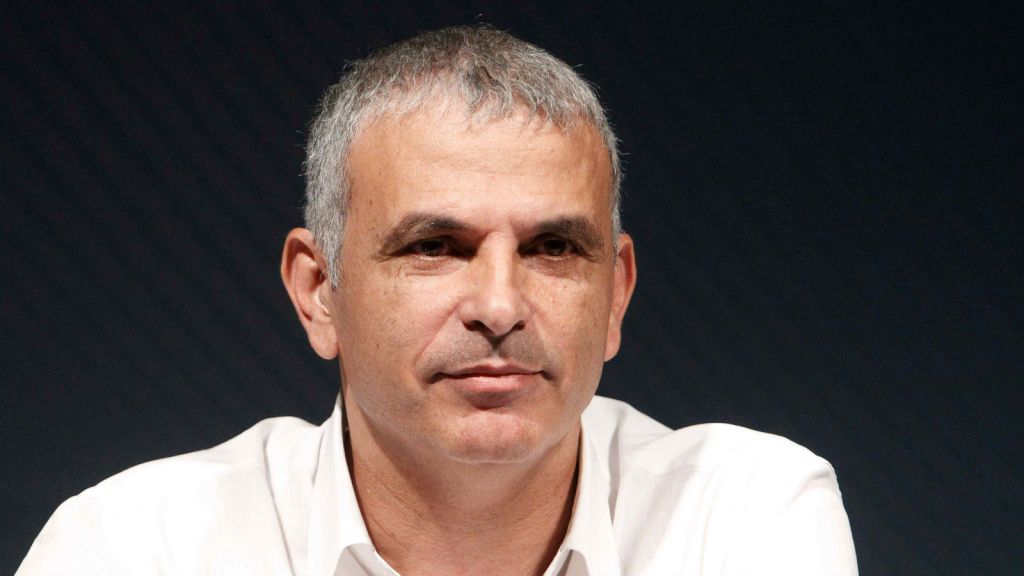
Yesh Atid chairman Yair Lapid is said to be trying to push former Likud minister Moshe Kahlon, who recently founded a new faction, into agreeing to a merger between their two parties, to form a strong centrist bloc ahead of the March 17 elections.
According to a recent poll conducted by Yesh Atid, a union with Kahlon’s nascent Kulanu Party would yield between 24 and 28 mandates, Channel 10 reported Friday. The recently announced merger between Isaac Herzog’s Labor party and Hatnua leader Tzipi Livni, seen as a center-left bloc, would also result in 24 seats, compared with Prime Minister Benjamin Netanyahu’s rightist Likud at 23, according to a Channel 2 poll this week.
In a bid to compete for the largest political bloc, Yesh Atid sources presented the findings to Kahlon, who has declined thus far to unite with the party, Channel 10 reported.
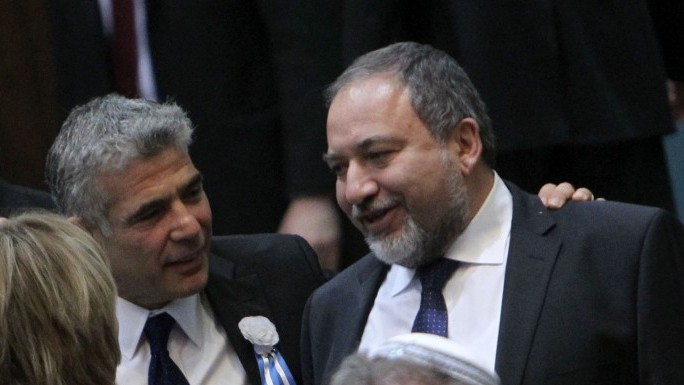
Lapid’s party, according to reports, was also courting Foreign Minister Avigdor Liberman’s Yisrael Beytenu, once a strong ally of the Likud. The latter two parties ran on a joint ticket in the 2013 elections.
On Thursday, Yesh Atid MK Meir Cohen revealed that Lapid and Liberman held talks in recent weeks to discuss the possibility of a merger deal between their parties, adding that Kahlon was considering joining forces with them.
However, Yisrael Beytenu and Kulanu later each issued separate denials of the reports, insisting that there were no merger negotiations between the two parties.
The Yesh Atid party currently holds 19 seats in the Knesset, while Liberman’s Yisrael Beytenu has 13. According to a recent Knesset Channel poll, Yesh Atid would drop to 12 seats in the upcoming election, and Yisrael Beytenu would receive 10.
Kahlon’s Kulanu Party is expected to garner 10 seats, according to early polls.
According to a previous Channel 10 report, Lapid, Liberman and Kahlon have been discussing a potential alliance for weeks.
While that report indicated that the chances were slim to none that the three parties would formally and fully join forces, it said that the three could cooperate in other ways, including presenting a united front on whom to recommend for the premiership following the elections, and agreeing not to target each other during the campaign in the run-up to the March 17 election.
According to an early Channel 10 poll, a trilateral alliance between the parties would win 33 seats.










The Times of Israel Community.