

Arab warnings to Netanyahu ahead of Oct. 7 massacre shatter his core political defense
PM’s threat to sue for libel cannot mask the growing evidence that he was alerted to an impending Hamas attack; warnings also raise questions about whether Sinwar wanted Israel to know what was coming

 Add ToI as a Preferred Source on Google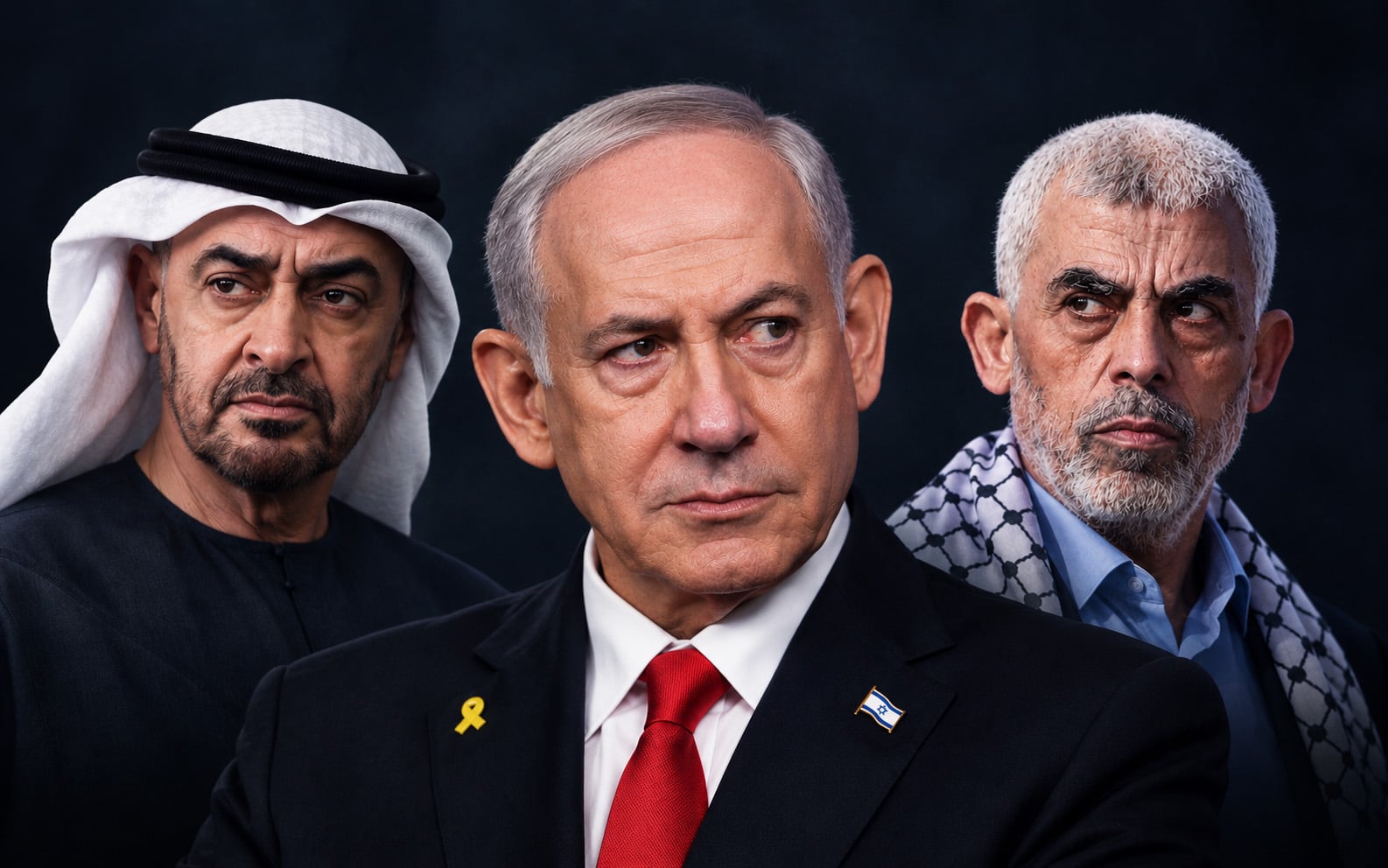
One of Israel’s senior strategic advisers once quipped that there are only two kinds of people who file libel suits: complete saints and complete fools. Prime Minister Benjamin Netanyahu is neither.
Netanyahu announced on Wednesday that he had instructed his legal team to file a defamation lawsuit against the Haaretz newspaper and journalists Shlomi Eldar and Ruth Yuval, after the pair reported in an expose published Tuesday that the prime minister had received a dire warning from United Arab Emirates President Mohammed bin Zayed about an extreme impending action by Hamas, just 10 days before the October 7, 2023, massacre, and had ignored it.
Netanyahu had no choice but to go on the offensive. Eldar and Yuval’s blockbuster report deals a fatal blow to Likud’s ongoing “They didn’t wake me up” campaign — Netanyahu’s repeated public defense that IDF and Shin Bet chiefs had failed to rouse him from his sleep on the night of October 6 to report suspicious Hamas activity — which lies at the heart of his attempt to shift the entirety of the blame onto the security establishment. Had he only been alerted, the premier insists, the outcome of the following, terrible morning would have been entirely different.
In reality, the evidentiary record shows that Netanyahu received at least four written warnings from senior security officials between March and September of 2023. Every single one cautioned him that war was rapidly approaching.
Netanyahu also held two critical face-to-face meetings in the weeks leading to October 7 that culminated in stark warnings of war — one on October 1, 2023, with then-IDF chief of staff Herzi Halevi; and another in late August with Maj. Gen. (res.) Giora Eiland, who had asked to meet the premier specifically to convey his concern.
Had Netanyahu not responded to the latest Haaretz report with the threat of a lawsuit and an outright denial that the conversation with bin Zayed ever took place, his silence would have served as a tacit confirmation of the story. And so Netanyahu is going all-in, keenly aware of the mortal political danger the revelation poses.
Yet even if a lawsuit is officially filed in the coming days, the agonizingly slow legal process guarantees it will not be heard until well after next month’s election. By then, the political landscape will be unrecognizable.
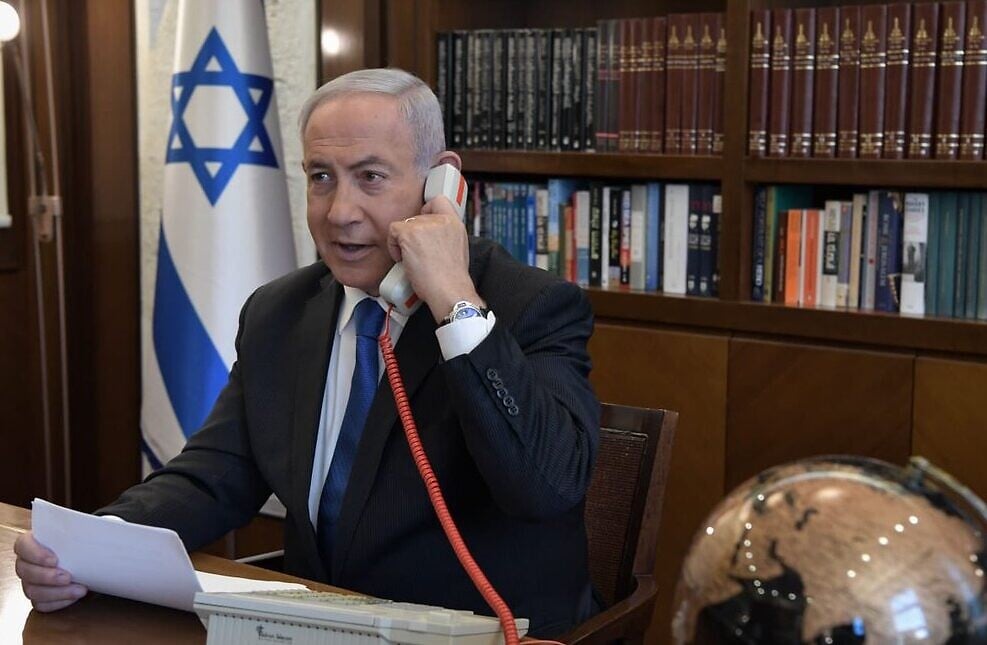
From the prime minister’s perspective, the only thing that matters right now is showing his base of voters that he did not blink in the face of what he calls a “false report.” That posture alone serves his immediate campaign needs.
Equally fascinating is the constructive ambivalence emanating from the United Arab Emirates. The Emirati Foreign Ministry’s bland statement on Tuesday evening that “relevant intelligence is routinely exchanged between the two countries” does nothing to contradict Eldar and Yuval’s reporting. If anything, the carefully worded non-denial reinforces it. Had the Emiratis wanted to torpedo the story, they could have issued a sweeping, unequivocal denial. They did not.
Adding another layer to this saga is the fact that the UAE revelation marks the second instance in which an Arab state reportedly warned Netanyahu prior to October 7. A bombshell report from veteran journalist Smadar Perry in Yedioth Ahronoth, published just two days after the massacre, detailed a grave warning Netanyahu had received from a senior Egyptian intelligence official a mere three days before the Hamas invasion.
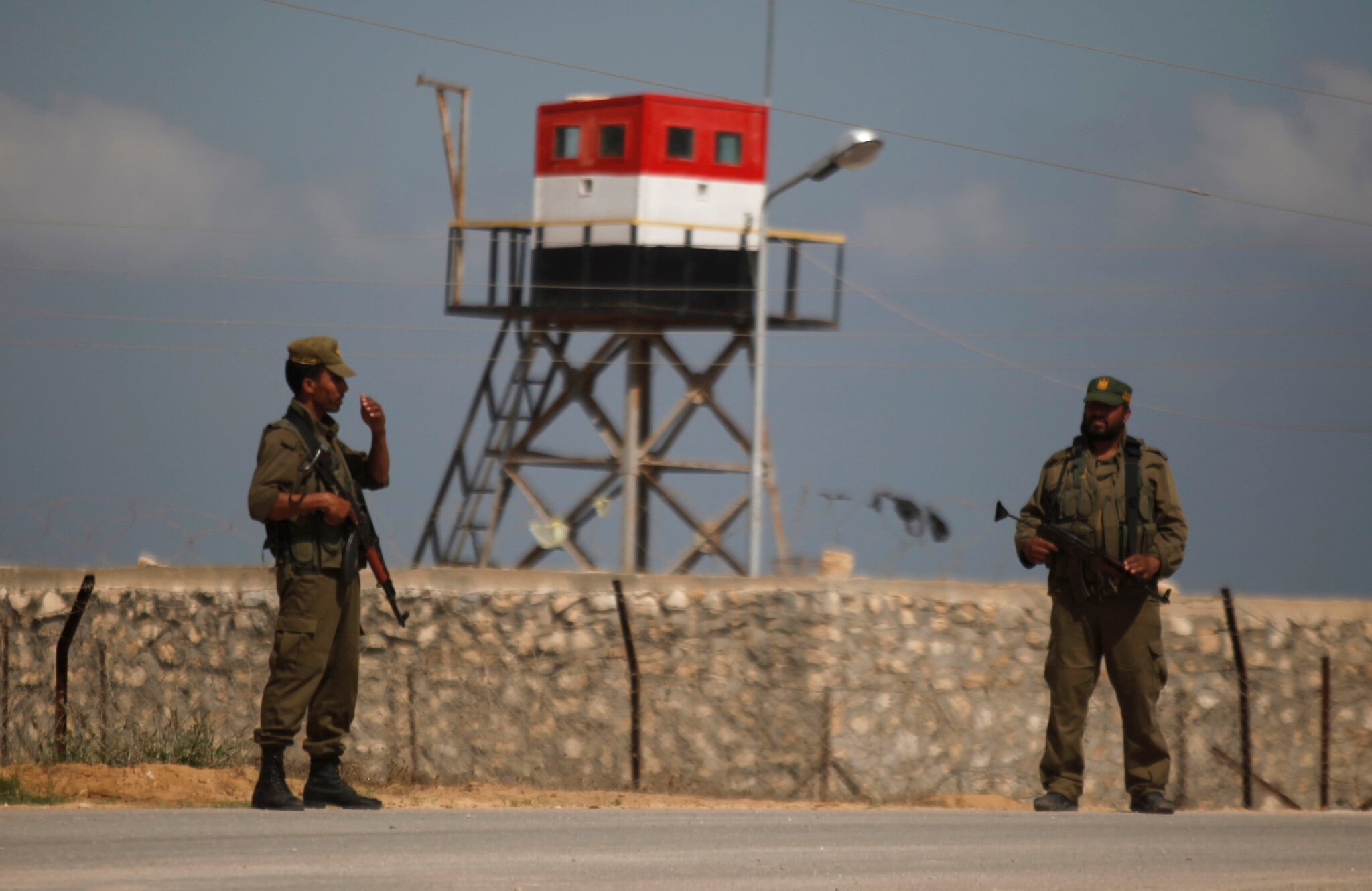
Perry’s reporting was later publicly confirmed by Michael McCaul, chairman of the US House Foreign Affairs Committee, who stated that American officials knew Egypt had conveyed a specific warning to Israel regarding the possibility of a major Hamas operation.
What did Sinwar want?
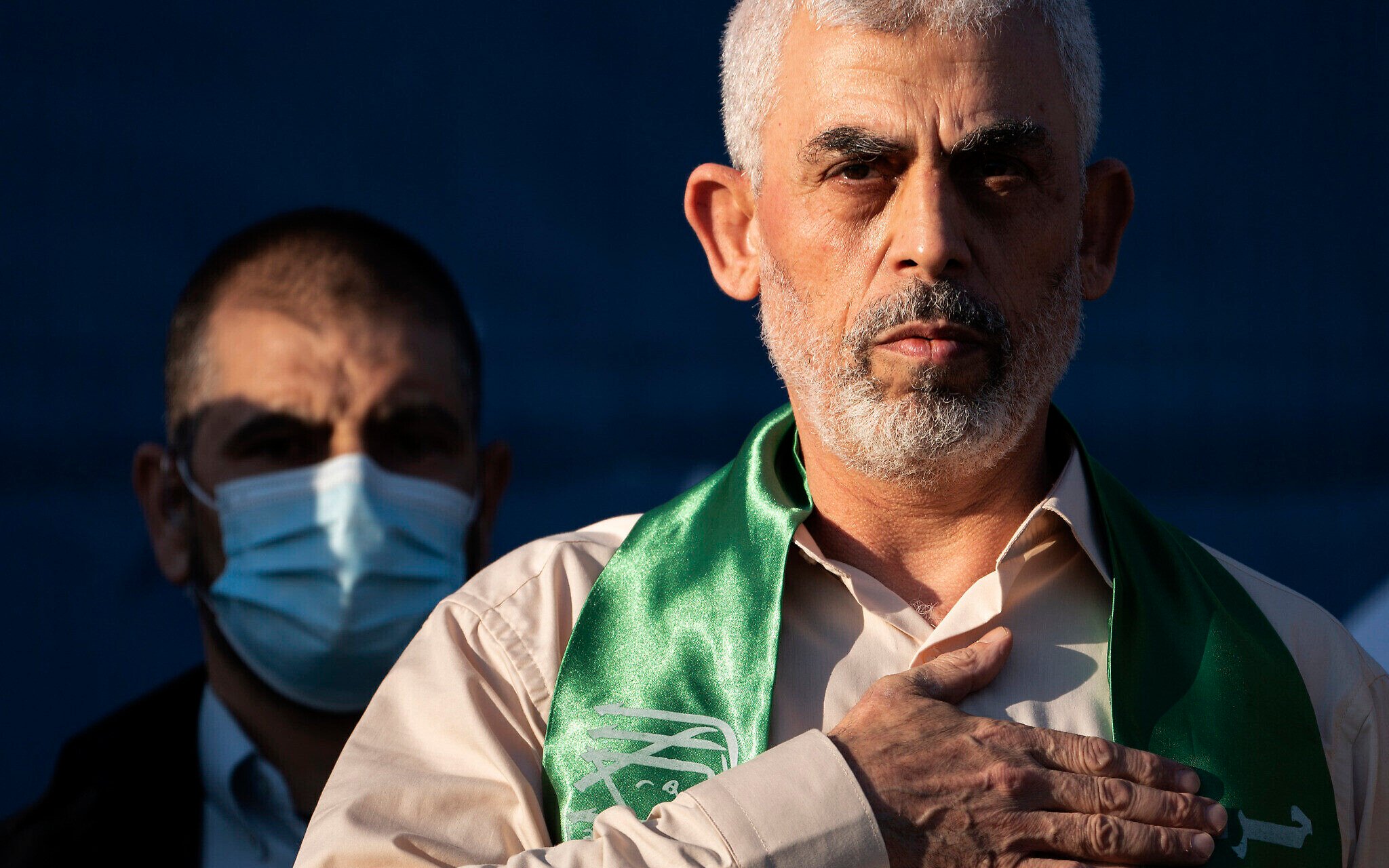
Taking the Emirati and Egyptian warnings together raises a chilling, counterintuitive question: Is it possible that Hamas leader Yahya Sinwar did everything in his power to warn Israel before he struck?
Securing a definitive answer is nearly impossible, as the key figures in Hamas’s Gaza leadership who were privy to the master plan are no longer alive. The exact source of the Egyptian intelligence remains murky, though Cairo constantly kept its finger on the pulse of the enclave, sending regular delegations to the Gaza Strip and frequently hosting senior Hamas officials.
The Emirati warning, however, carries significantly more substantive detail.
According to Eldar’s account, the intermediary who shuttled the initial warning message to Israel that an “earthquake” was coming, directly from Sinwar to the UAE leadership, was asked to repeat the process a week after the initial transmission.
This middleman — nicknamed “Coal Eyes” — is widely believed to have been Mohammed Dahlan, or someone acting closely on his behalf. Dahlan is an exiled Palestinian Fatah leader and bitter rival of Palestinian Authority President Mahmoud Abbas. Dahlan also ran the PA’s security forces in Gaza until Hamas violently ousted him in 2007. Today, he serves as a senior adviser to the UAE’s ruling elite.
Eldar reports that bin Zayed demanded verification that the message was authentic and had genuinely originated from Sinwar. The intermediary therefore returned to Sinwar a second time and received the exact same message, complete with a renewed demand that the warning be conveyed directly to Israel.
In other words, Sinwar actively insisted that the Israelis be informed of an impending move he ominously dubbed zilzal — the Arab word for “earthquake.”
Why would Sinwar want to expose his own offensive master plan, only to ultimately execute it anyway? Several theories exist.
One points to the profoundly tense relationship between Sinwar and the head of Hamas’s military wing, Mohammed Deif. While Deif viewed every issue strictly through the crosshairs of a rifle, Sinwar surveyed Gaza through the wider lens of the leader’s office — two fundamentally different strategic perspectives.
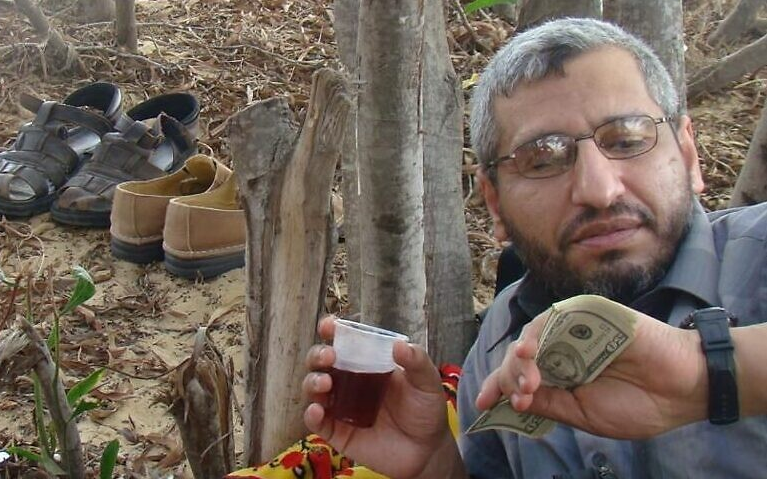
Deif constantly pushed for a devastating military confrontation. Sinwar, on the other hand, apparently wanted to exhaust efforts for a truce to secure the release of a large number of Palestinian security prisoners and to wring further economic concessions out of Israel and Qatar — specifically, increasing the number of Gazan laborers permitted to work in Israel and securing more Qatari cash for both the civilian population and his military wing.
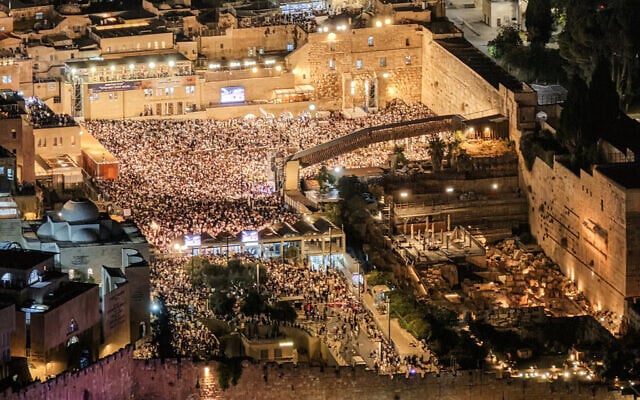
So what tipped the scales toward war? Hamas was eyeing Israel’s hard-right, fully nationalist government with mounting alarm. The terror group was particularly triggered by National Security Minister Itamar Ben Gvir’s relentless efforts to erode the fragile status quo on the Temple Mount — the historical arrangement that permits Jews to visit the flashpoint holy site, but reserves the right of prayer exclusively for Muslims. Ben Gvir’s highly publicized visits and quiet encouragement of Jewish prayer there backed Hamas into a strategic corner.
During Operation Guardian of the Walls in 2021, Hamas had successfully claimed “ownership” of the Temple Mount issue in the Islamic world by firing barrages of rockets at Jerusalem. For the terror group, this was a crucial watershed moment: it transformed Hamas into the premier Palestinian faction fighting, quite literally, for the defense of the site.
Moreover, Sinwar grasped a critical Israeli delusion. He understood that Israel had convinced itself it had inflicted devastating damage on Hamas, when in fact the organization had barely been scratched.

Sinwar ruthlessly exploited this cognitive gap. The IDF and the defense establishment were lulling themselves to sleep with fantasies of deterrence and operational superiority, while Hamas, in practice, was quietly growing into a formidable army.
Looking at Netanyahu’s hardline coalition, Sinwar concluded that the chances of extracting further diplomatic or economic concessions were slim to nonexistent. Conversely, the danger of losing Hamas’s hard-won hegemony as the ultimate defender of the Temple Mount was steadily growing.
Compound all of this with the unprecedented domestic upheaval that paralyzed Israel throughout 2023: the government’s deeply divisive judicial overhaul and the crisis sparked by a massive coalition of elite IDF reservists who threatened to halt their volunteer service to protest the legislation.
With training suspended across large swaths of the military, Hamas watched the Israeli army seemingly fracture from within. In Sinwar’s eyes, this internal chaos presented a rare, historic window of opportunity that simply could not be missed.
Tragically, his gamble paid off for 36 hours. Hamas successfully overran the western Negev and dragged Israel into a grinding, multifront regional war — a catastrophic conflict that, to this day, Israel is struggling not only to end, but even to properly investigate.






The Times of Israel Community.