

As hostages return, documentarian says his film about NYC poster wars remains sadly relevant
A year after the release of ‘Torn,’ Israeli-born, Brooklyn-based Nim Shapira laments how the intolerance that inspired it still plagues one of the world’s most diverse cities
 Add ToI as a Preferred Source on Google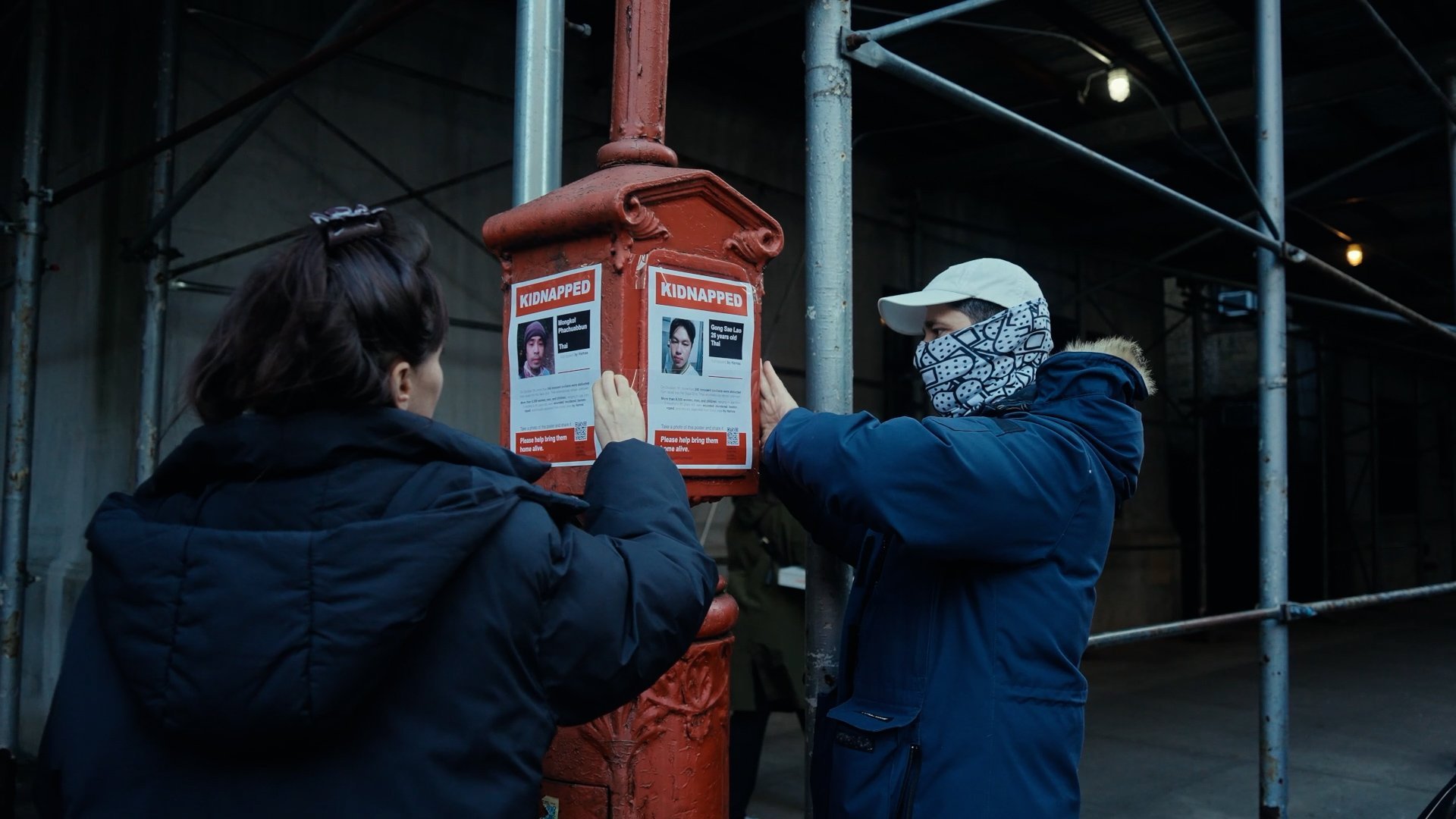
JTA — What caught Nim Shapira’s eye when videos of New Yorkers tearing down posters of Israeli hostages began circulating in October 2023 wasn’t just the stark affront. It was also the poles to which the posters had been attached.
“I recognized every corner,” he said. “This was my neighborhood.”
The filmmaker had never before turned his craft to his identity as an Israeli living in New York. But Shapira immediately began gathering footage about the posters — and about those who felt compelled to put them up, and to tear them down.
His resulting documentary, “Torn,” was first released last year, when about 100 Israelis were still held hostage out of the 251 abducted during the bloody Hamas-led invasion of southern Israel on October 7, 2023. Now, with all living hostages released and Hamas agreeing to free the bodies of 28 deceased hostages, too, Shapira — who is entering “Torn” into awards consideration — says its message remains deeply relevant.
JTA spoke to Shapira on Monday in the hours after 20 hostages were released, discussing what he had learned about the poster wars and why his film is still essential viewing.
JTA: Before Oct. 7, your work did not focus on your Israeli identity. Why did you feel you had to make this movie?
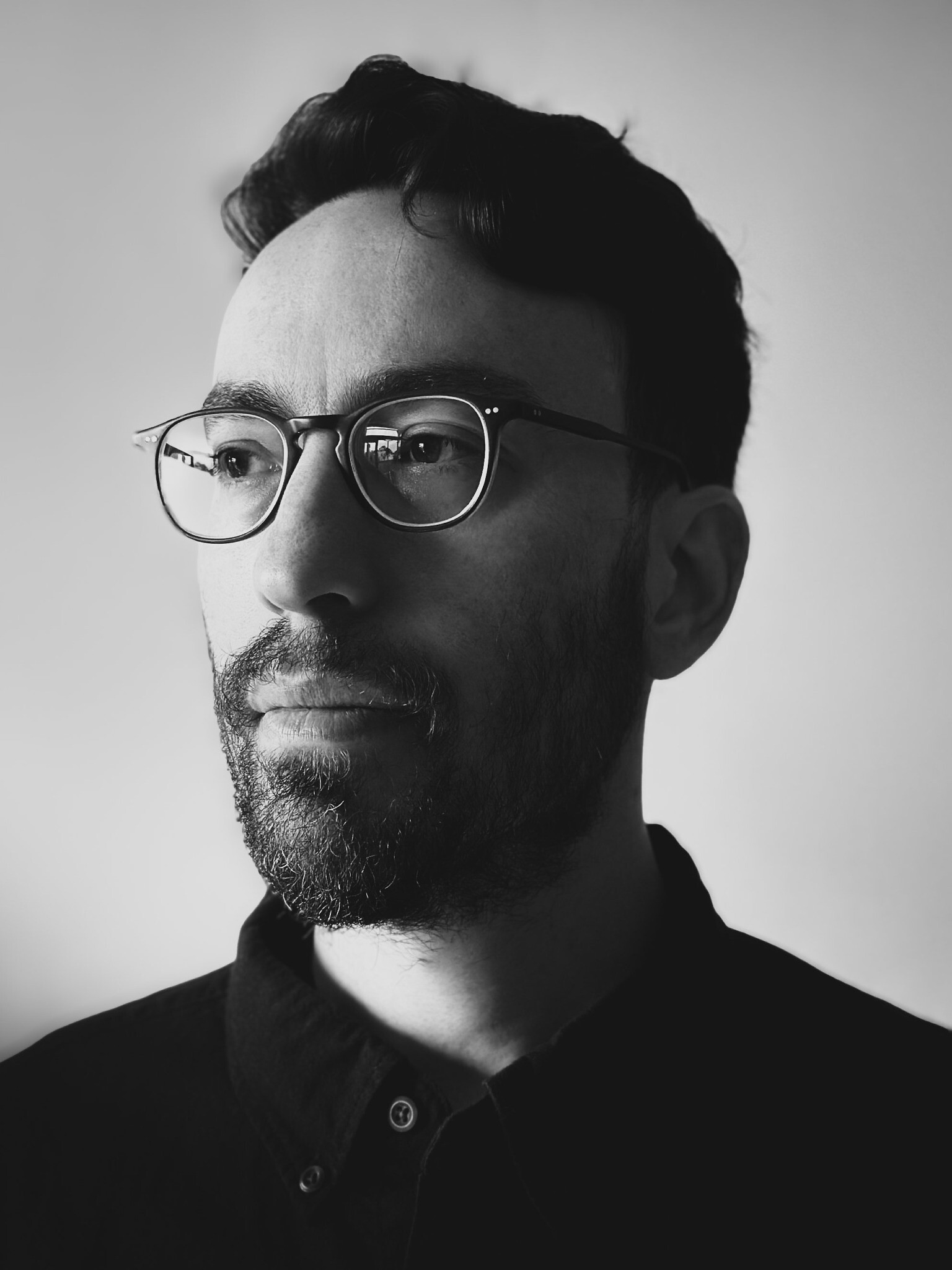
Nim Shapira: I’ve always been vocal for peace. But then, October 7 happened, and the people that were my friends stopped speaking to me because I’m Israeli. It’s like the old saying, “You are the people you’ve been waiting for.” I just had to do it. I didn’t want to do this film, and I had to do it.
What did you learn about the people who were tearing down the posters? Were there moments where you felt like you understood what they were thinking?
That’s what I wanted to explore in the film. I don’t justify what they did, and I don’t respect it, but this is a documentary. It’s asking questions. It’s not a film funded by this organization or that organization, or this country or that country. I’m asking for empathy, and if I’m asking for empathy, I should also have empathy for the other side, and I should also understand their motives.
I would say that the people who tore down the posters live on a spectrum. These were people from in their teens to people who are retired, every ethnicity, every background, and every age group. And that’s what strikes me the most. There were so many people without skin in the game who joined this cause of taking down these posters.
Some people who tore down the posters did lose family members in Gaza because of Israeli airstrikes. Some people who tore down the posters — they didn’t read what was on the signs. They were told that this was Israeli propaganda funded by the government, and they thought that it needed to be removed. Some of them are college students who thought it was the cool thing to do. And some are antisemites.
So I don’t want to put a label on the entire group of people who tore down the posters, because there are different scenarios in which posters were torn. In any case, this was an attack on freedom of speech, and this was anti-American. And there are enough lampposts in New York to share their suffering as well.
What do you hope viewers will take away from seeing “Torn”?
Empathy is all about putting yourself in someone else’s shoes. I honestly don’t think that people can put themselves in other people’s shoes, because you can never know what another person is going through, but you can step outside of your own shoes for a quick moment. So that’s all I’m asking.
I’m asking for the people who pulled down the posters to think about these victims and hostages who did nothing wrong. And I’m also asking for understanding from, let’s say, my side, to understand that the number one reason why people tore down the posters is that the death toll in Gaza kept rising throughout this war.
What has been most surprising about the reception?
I was able to have a film screened in Ivy League universities from Columbia to Harvard to Stanford to NYU. I’m very proud of that. I’m very proud that some of the screenings had people from the encampments. I spoke with American Muslims. I spoke with people from Jordan and from Egypt. I also spoke with Chinese and Venezuelans — I spoke to everyone who came to the screenings. I think maybe the most surprising thing was that there was a Q&A that I couldn’t come to — people just stayed in the theater and talked until the usher told them to leave.
Now there are good reasons to remove hostage posters — all of the living hostages are home. Why is your movie still worth seeing?
For two reasons. First, the hostage families with their loved ones still in Gaza — they are asking for us to stay in the fight. They still need us.
These hostages that were murdered, first kidnapped and then murdered — they are not just Israeli. They are American, and they are also from Nepal, Thailand and Tanzania. They are Christian and Muslim and Buddhists and Jews. People from all religions are captive right now because their only sin was to be at the wrong place at the wrong time, and their families deserve to bring them home for a proper burial.
But also, my film is not about Israel or Palestine. My film is about New York and America. I’m dying for the day that the film will be irrelevant, but we are more tribal and polarized than ever. We exist in different echo chambers and different silos. The poster war did not just tear down the posters, but also tore down the social fabric of the city. We are the most diverse city on the planet, so if we can’t sit down and talk to one another, what are we doing here? We have the biggest Jewish population. We have a huge Muslim population. Antisemitism is at a record high; there’s also Islamophobia that is rising.
But these are not just problems for the Jews or the Muslims. This is a societal problem and the film mostly asks questions. It asks: Can multiple things be true at the same time? Why is empathy a limited resource, and can we have disagreements without dehumanizations? So yes, the film is still much more relevant than ever.





The Times of Israel Community.