

Authorities said to weigh limiting court hearings due to virus fears
With Netanyahu trial due to start March 17, officials reportedly consider only holding sessions for remand extension, urgent petitions, to prevent spread of coronavirus to inmates
 Add ToI as a Preferred Source on Google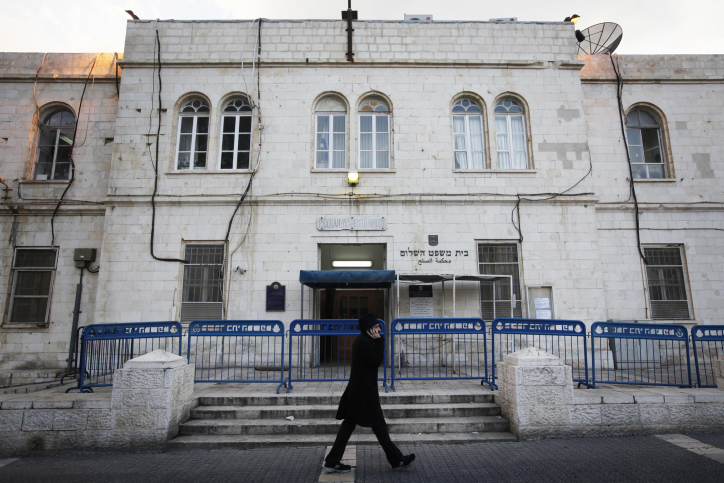
Israel’s police, prison service and Justice Ministry are considering an emergency protocol in which all non-essential court hearings would be pushed off due to coronavirus fears, the Kan public broadcaster reported Wednesday.
The special procedures would mean there would only be hearings for remand extension and urgent petitions, in order to prevent the spread of the virus into Israeli jails where there has yet to be a reported case.
In discussions held on the matter, officials from the three bodies are considering expanding court regulations to include sections on the virus, Kan said.
Such a protocol would effectively shut down the legal system and at the very least would considerably limit the number of participants allowed entry into hearings.

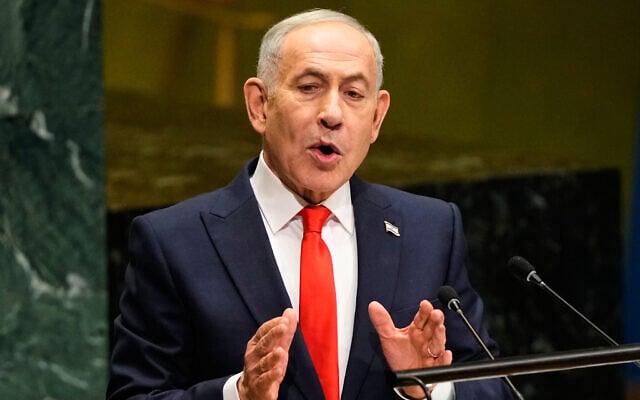
Last month the Justice Ministry announced Prime Minister Benjamin Netanyahu’s corruption trial would open on March 17.
However also on Wednesday, Channel 12 reported that various government officials were lambasting the Health Ministry’s increasingly strict restrictions aimed at containing the coronavirus, saying the new guidelines “border on hysteria” and could place the country’s economy in jeopardy.
Over 70,000 Israelis are now reported to be in self-quarantine, foreigners from a slew of European and Asian countries have been or will be banned, and large events, such as concerts and sporting matches have been canceled, due to directives issued by the Health Ministry, which were significantly expanded on Wednesday.
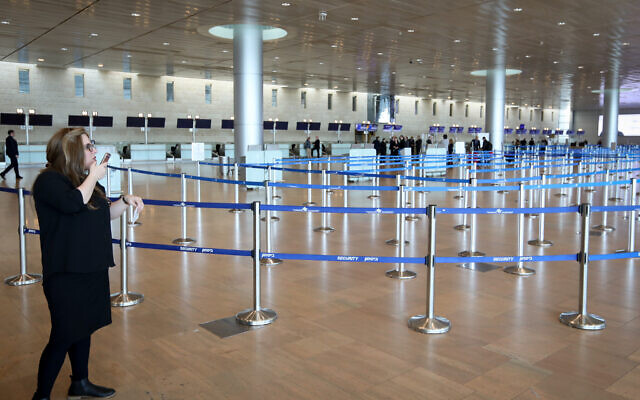
All Israelis returning from France, Germany, Spain, Austria and Switzerland were instructed to enter self-quarantine for a period of 14 days after their last day in those countries.
The decision applied retroactively to all who have come from those nations in the last 14 days. Foreign citizens arriving from those countries will not be allowed into Israel unless they can show a proven ability to self-quarantine at a home during their stay.
The ministry also announced that gatherings of over 5,000 people will henceforth not be permitted, and Netanyahu advised Israelis to avoid personal contact, including shaking hands. International conferences of any kind will not be permitted.
Another restriction is that people who have returned from anywhere abroad in the past 14 days may not attend gatherings of over 100 people.
The new restrictions were met with a wave of cancellations of Purim street parties marking the upcoming holiday, concerts and sports events.
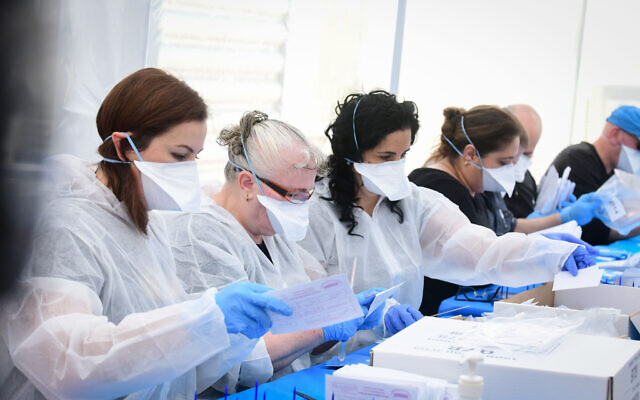
Israel has taken far-reaching steps to prevent an outbreak, previously banning entry to foreigners who were in China, Hong Kong, Macau, Thailand, Singapore, South Korea, Japan and Italy in the 14 days prior to arriving, and compelling all Israelis recently in those areas to self-quarantine for 14 days.
In a statement last month, the Health Ministry urged Israelis to seriously consider refraining from traveling abroad. Israel was the first country to urge its citizens to refrain from international travel entirely because of the outbreak, which started in China in December and has since infected over 93,000 worldwide and claimed over 3,200 lives, almost all of them in China.
The Health Ministry has faced criticism for its extreme measures, with some saying it is unnecessarily panicking people and causing economic and diplomatic damage to the country. Ministry officials have said they prefer to take a strict line than be sorry later.





The Times of Israel Community.