

Billions in damages: Israel rebuilds after Iran war, destruction in south and north
An overview of Israel’s rebuilding initiatives following 21 months of war, including the 12-day conflict with Iran
 Add ToI as a Preferred Source on Google
Zev Stub is the Times of Israel's Diaspora Affairs correspondent.
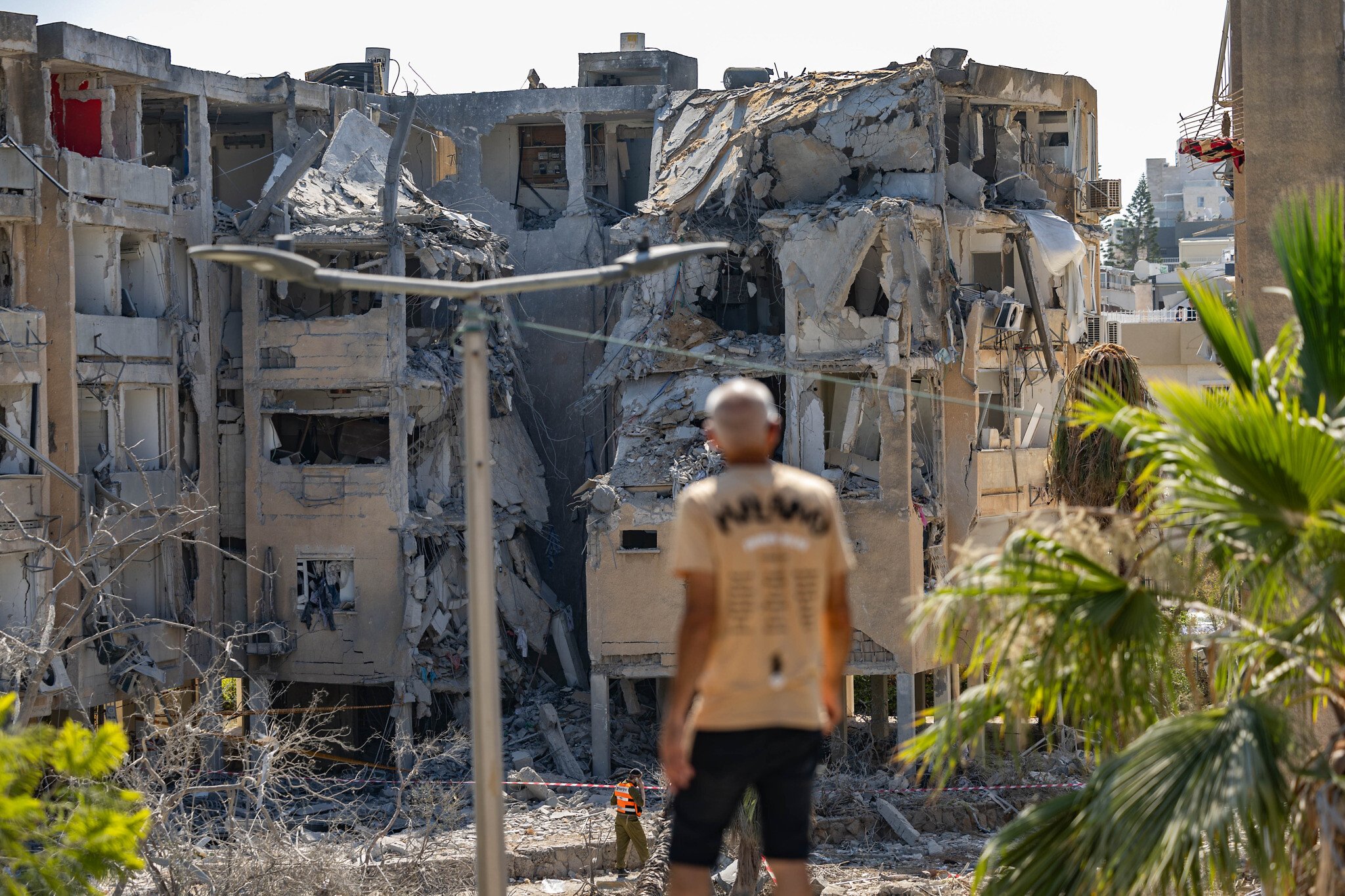
As the dust of battle settles on most war-torn fronts, Israel is pursuing numerous aggressive rebuilding projects.
At a press conference in mid-July, Ze’ev Elkin, the Finance Ministry’s point man for rehabilitating the southern and northern border areas, announced a NIS 1 billion ($297 million) plan for 28 communities displaced by attacks from the Lebanese terror group Hezbollah.
“We are moving from defense to offense… with a new vision for a flourishing and prosperous north,” Elkin said some 21 months after Hamas launched its war with Israel on October 7, 2023, which Hezbollah joined a day later.
“A young reservist will be able to buy a plot… at an accessible and very reasonable price and start a family in the most beautiful place in the country,” Elkin said. “This is not a dream — this is the new reality.”
With tens of thousands of buildings damaged in Israel’s multiple fronts — including many damaged by missiles fired by Iran during the 12-day Operation Rising Lion in June this year — Israel’s goal is not only to repair damage but also to improve infrastructure to double down on the country’s long-term strategic growth.
Many of these programs have changed over time and are quite complicated. The following is an overview of the latest developments for the various plans and programs in place, including for Israelis building private safe rooms in regions not directly damaged by fighting.
Iran war damages
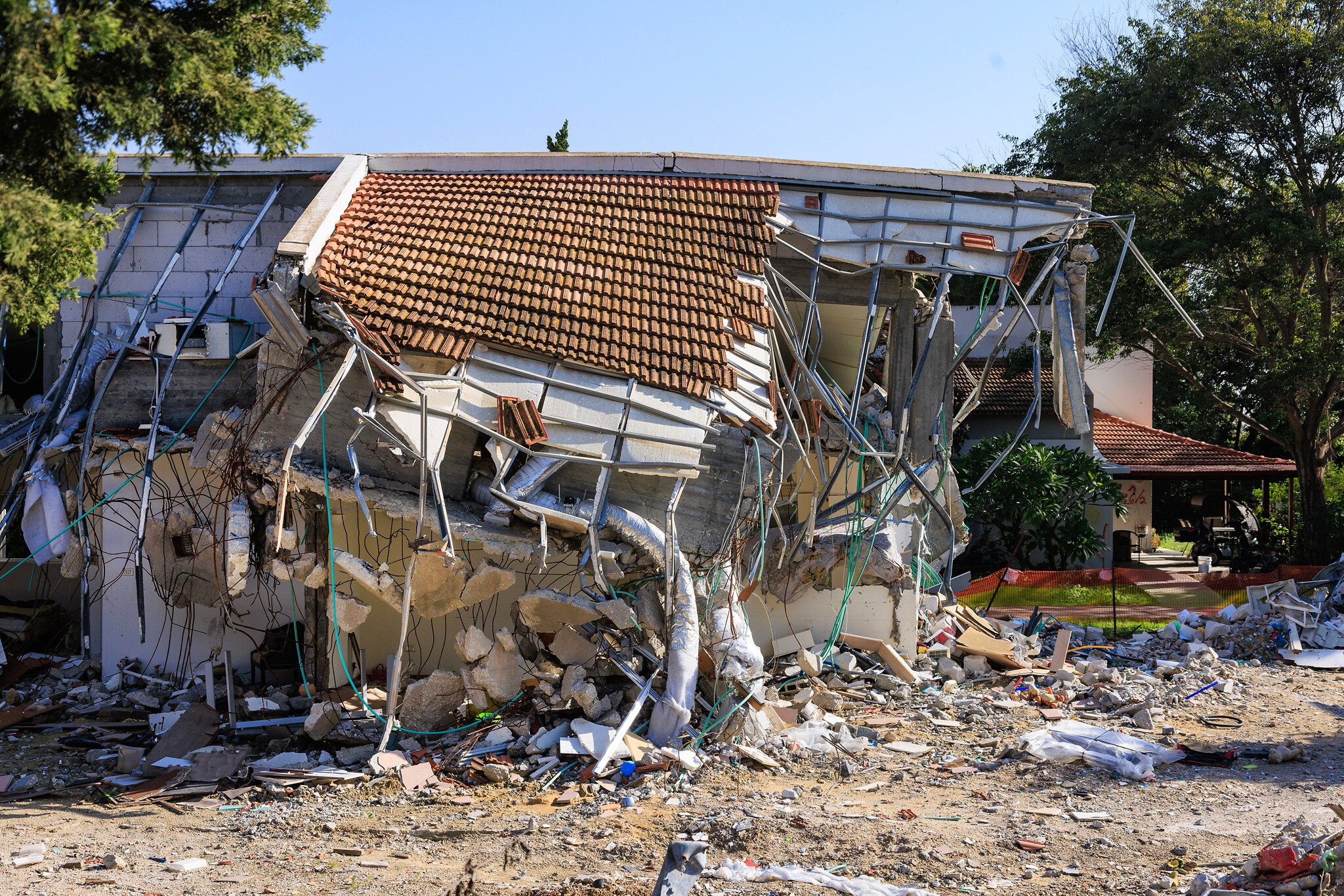
After Israeli homeowners filed more than 45,000 claims for some NIS 5 billion ($1.47 billion) of property damage sustained during Israel’s 12-day war with Iran in June, a government initiative called “Renovating in Unity” was designed to bring together private contractors, local authorities, and government officials to manage the large-scale restoration effort.
Under the plan, local authorities would first map out the work needed under their jurisdictions, and then have all work for each building or complex completed by one large construction firm. The idea is that having one point of contact for each building or complex would streamline the process, removing the need to create price quotes and monitor progress for each individual damage claim.
The entire process is managed and funded by the state, and victims are not required to spend any of their own money. In many cases, the plan requires residents in a building to agree upon a unified design and standard.
Damage claims in different areas range from collapsed buildings to relatively minor harm to windows and building exteriors. The project is jointly managed by the Construction and Housing Ministry, the Tax Authority, and the Israel Builders Contractors Association, in cooperation with local authorities.
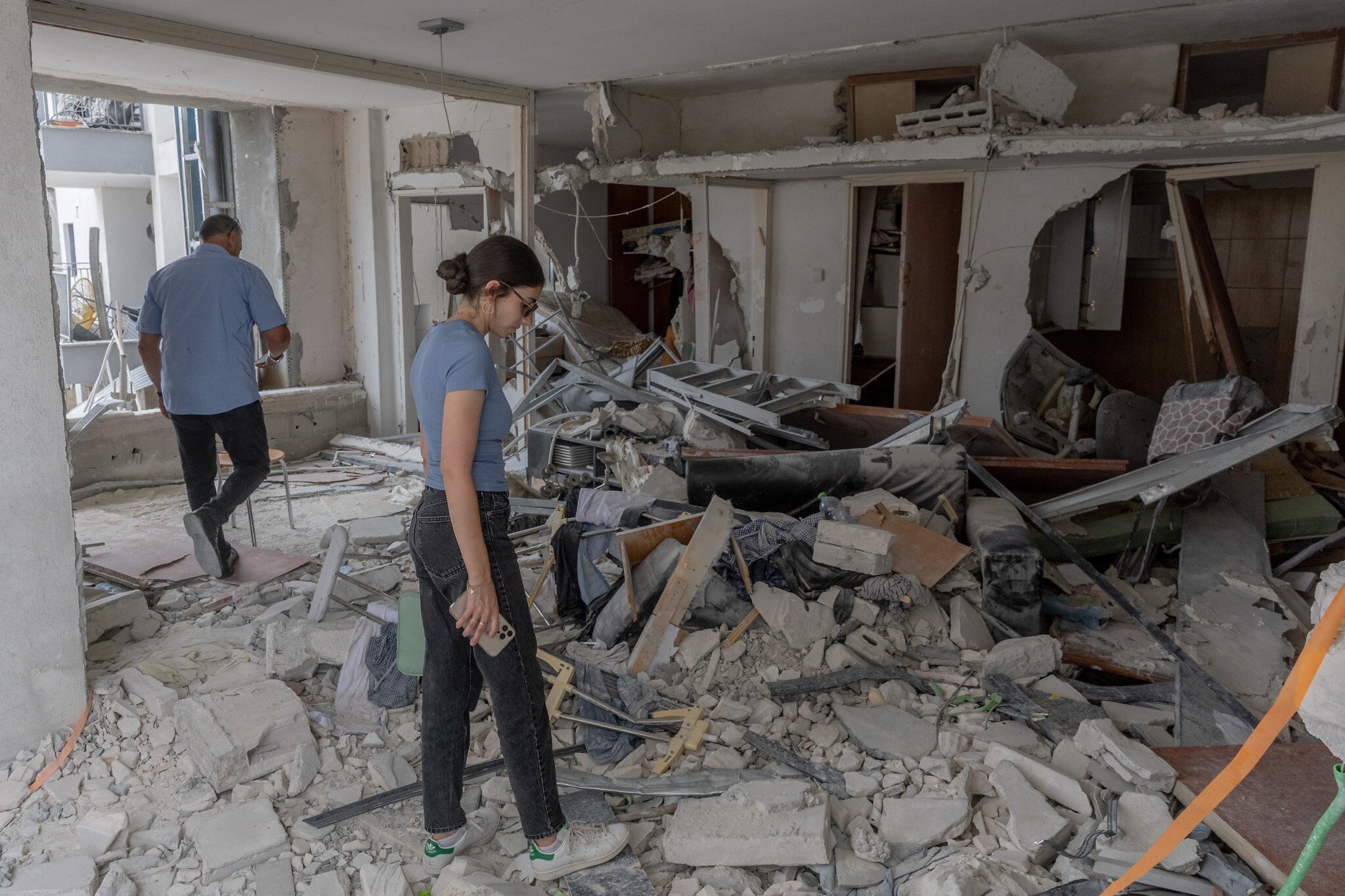
Individuals whose homes were damaged have the right to opt out of this plan and arrange repairs privately, at the government’s expense, but they may face significant delays in the process, the government has warned.
While this type of renovation work is not usually done by large construction firms, it is believed that this is the best way to manage the large-scale work that is required.
The Renovation Contractors Association, a group representing some 6,500 renovation contractors throughout the country, has charged that the model gives the large construction companies work that would otherwise go to smaller renovators better suited for the required work. It has also charged that by approaching each building as a single entity, some owners may receive lower-quality renovations than are appropriate for their homes.
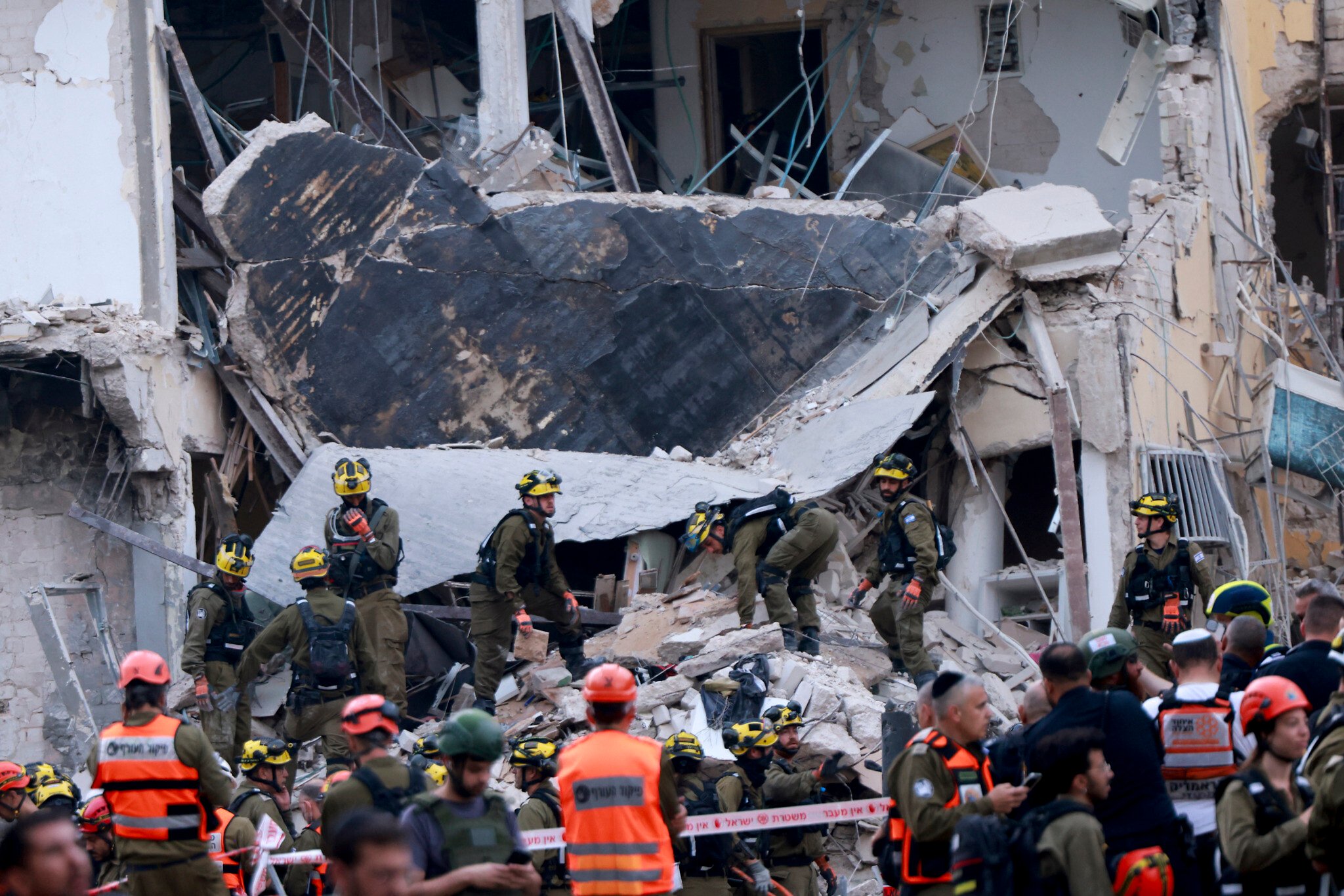
There are also concerns about providing sufficient manpower for the work. Because Palestinian Arabs are barred from working inside the Green Line, the construction sector faces a shortage of some 40,000 workers, the Builders’ Association has said.
Last week, an inter-ministerial team from the Finance, Interior, and Housing and Construction ministries recommended a number of measures to expedite the Renovating in Unity framework, according to Hebrew media reports. These include expanded planning powers for local authorities, shortening the timeline for buildings to sign with a contractor, and developing a compensation mechanism that would allow owners who do not want to participate in the renovation to sell their properties to a developer.
More than 11,000 people were evacuated from their homes during the war due to direct and indirect damage from missiles. Currently, more than 7,000 are still unable to return to their homes, a spokesperson for the Federation of Local Authorities told The Times of Israel. The government will continue paying for them to stay in hotels until August 1, except those whose stay is extended by an exceptions committee, the spokesperson said.
Knesset has also approved a compensation package for businesses hurt by the Iran conflict.
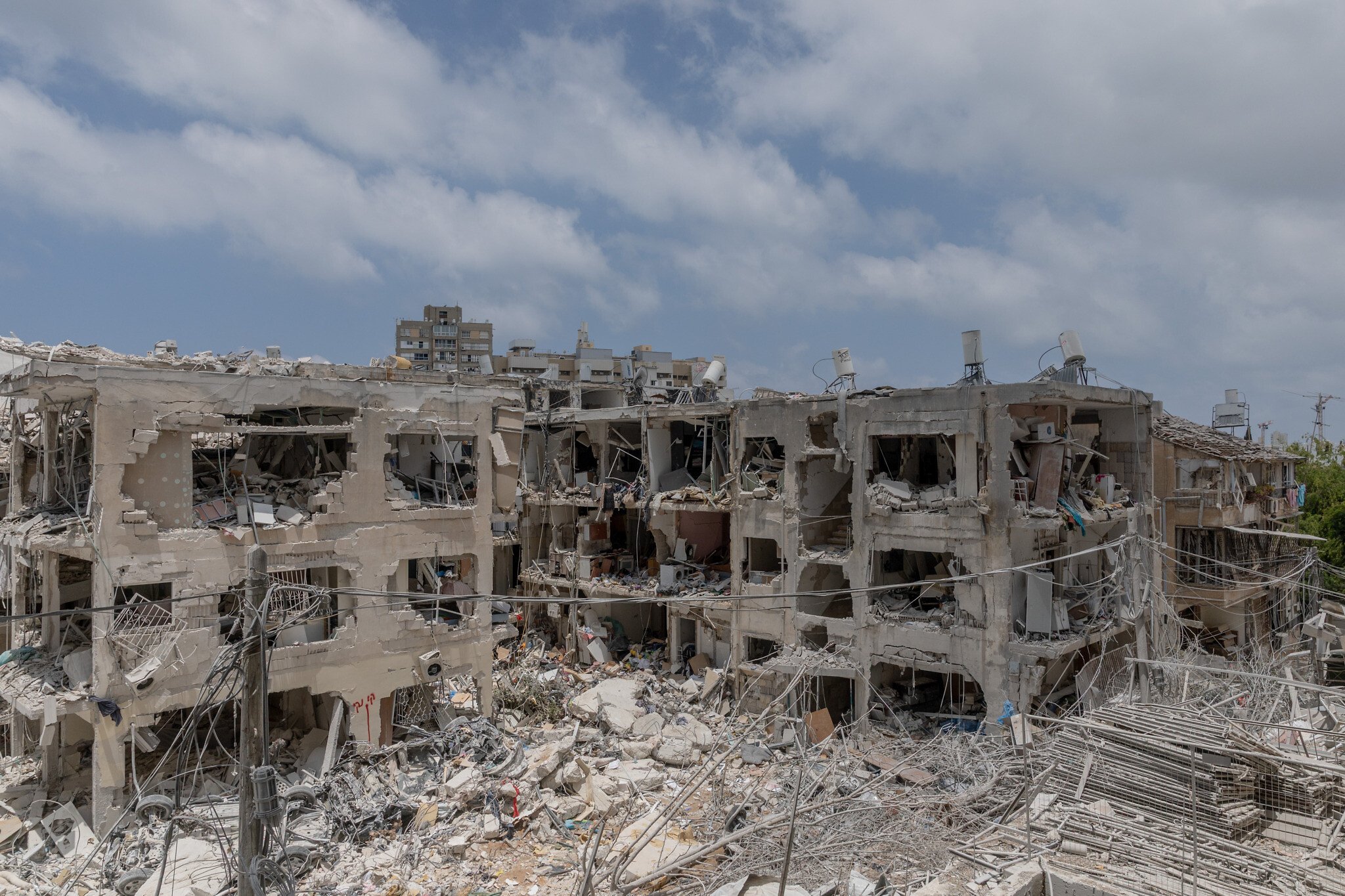
The western Negev
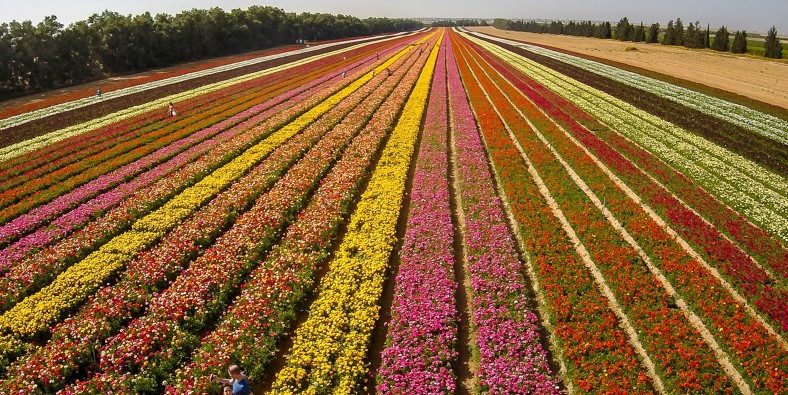
A budget of NIS 17.5 billion ($5.25 billion) has been set aside for the rebuilding of the 47 settlements within seven kilometers of Israel’s border with Gaza. Some 6,500 buildings were damaged as the area was decimated on October 7, 2023, when Hamas launched its war on Israel. The government now seeks to reinvigorate the Gaza periphery, which it now refers to as the Tekuma (Hebrew for revival) region.
Israel seeks to double the region’s population from the current 62,000 to 120,000. The NIS 17.5 billion budget is meant to finance a comprehensive rebuilding package for the region, once ignored by policymakers, to upgrade its economic development, education, agriculture, culture, and other aspects of life.
Included in this budget is NIS 1.1 billion ($330 million) for rebuilding the 10 settlements that were most heavily damaged during the attack, as well as another NIS 400 million ($120 million) earmarked for the other 37 towns.
Other funds have been set aside for encouraging growth. Last week, the government announced that it will subsidize the construction of 2,350 new homes throughout the Gaza border region, discounting up to NIS 280,000 ($84,000) from the price of land for building a new home.
Under this plan, in the 13 communities damaged most heavily by the October 7 attacks, plots for new homes can be purchased for NIS 100,000 ($30,000) by a regular citizen and NIS 50,000 ($15,000) by an active reserve soldier, when the development cost is up to NIS 330,000 ($99,000).
Subsidies of NIS 210,000-NIS 250,000 ($63,000-$75,000) will be made available in other towns.
This is in addition to a NIS 560 million ($170 million) budget for the construction of 1,000 new homes announced earlier this month.
Significant consumer demand has already been demonstrated for these projects, a spokesperson for the Tekuma administration said.
Most of the residents evacuated from their homes have been resettled, after security restrictions were lifted July 1, the spokesperson said. By the time the school year starts in Israel at the beginning of September, 42 of the 47 towns will be ready to launch.
Of the remaining towns, residents of Kissufim are scheduled to return in November 2025; Holit, in March 2026; and members of Be’eri, Nir Oz, and Kfar Azza are projected to return in the summer of 2026.

The north
Last year, the government earmarked NIS 15 billion ($4.1 billion) for rehabilitating and revitalizing the north, where many towns were evacuated after October 7, 2023, in anticipation of military conflict with Hezbollah in Lebanon. So far, some NIS 3.3 billion has been spent repairing towns so that the 67,000 evacuated residents could return, and that figure will likely reach NIS 5 billion by the end of 2025, a spokesperson for the government’s rebuilding efforts, referred to as Tenufa (Hebrew for momentum), explained.
While in the south, most residents were evacuated from their homes for several months, some in the north were unable to return until this month, some 21 months after they left. For that reason, an additional grant has been given to residents to cover damages related to neglect — water damage, mold, rodent infestations, and the like.
Some 75% of residents have by now returned to their homes, and about 90% are expected to return by the beginning of the school year in September, the spokesperson said.
Last week, Elkin presented a new growth framework for rehabilitating the southern and northern border areas, part of an NIS 8 billion allowance for strategic development to boost economic growth in the north for the long term.
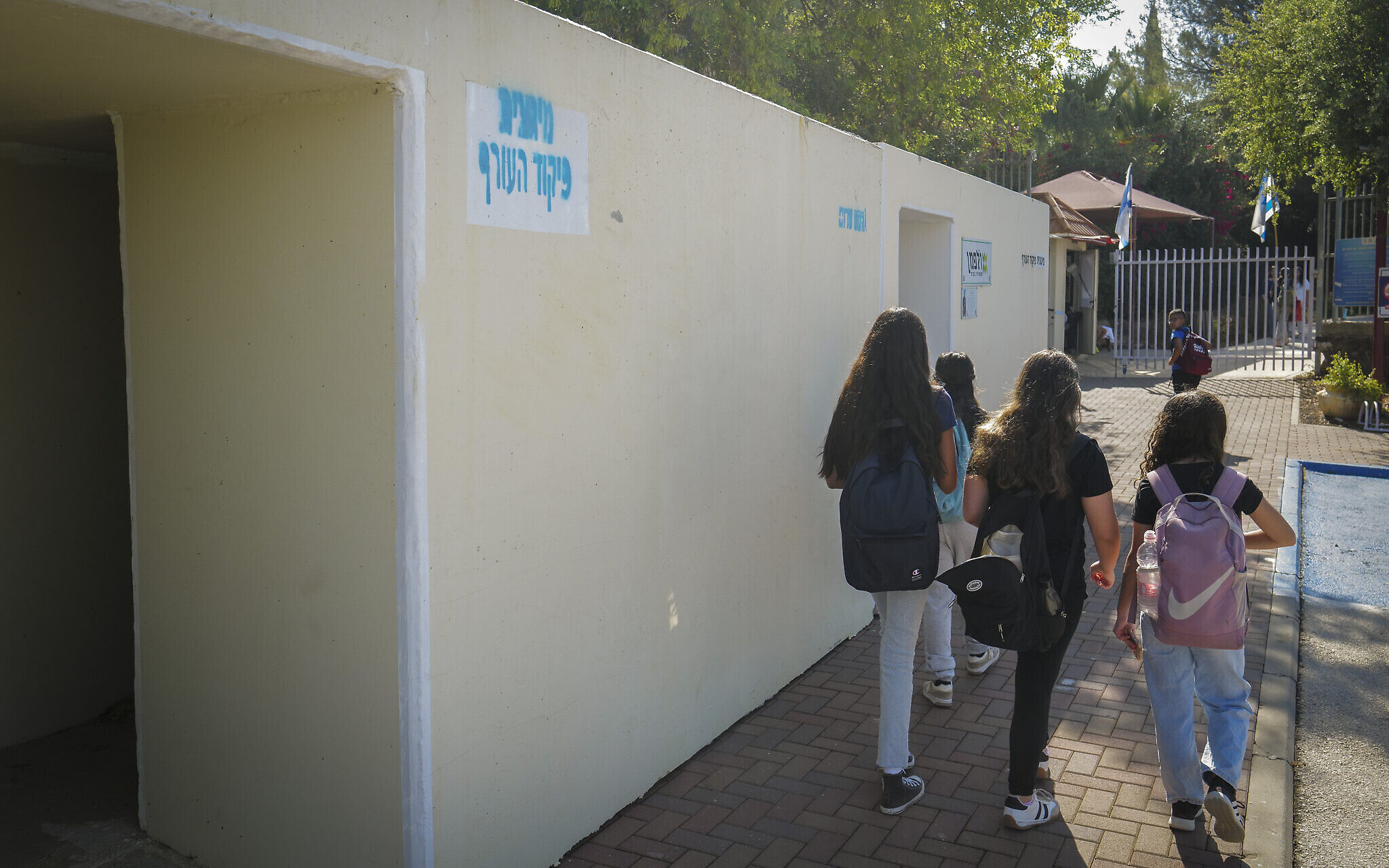
Under the plan, 28 communities along the border fence will receive approximately NIS 1 billion in the near term, with the goal of attracting young families and strengthening the northern region.
The plan includes fast-track construction of temporary housing neighborhoods, as well as subsidies of up to NIS 450,000 ($135,000) for individuals to purchase land to build permanent homes.
Families will be required to contribute only NIS 100,000 ($30,000) to acquire the plots, while IDF reservists will pay just NIS 50,000 ($15,000).
Rural communities adjacent to the border will each receive NIS 2.5 million ($750,000) in direct support, while the cities of Kiryat Shmona, Shlomi, and Metula will receive a combined NIS 120 million ($36 million).
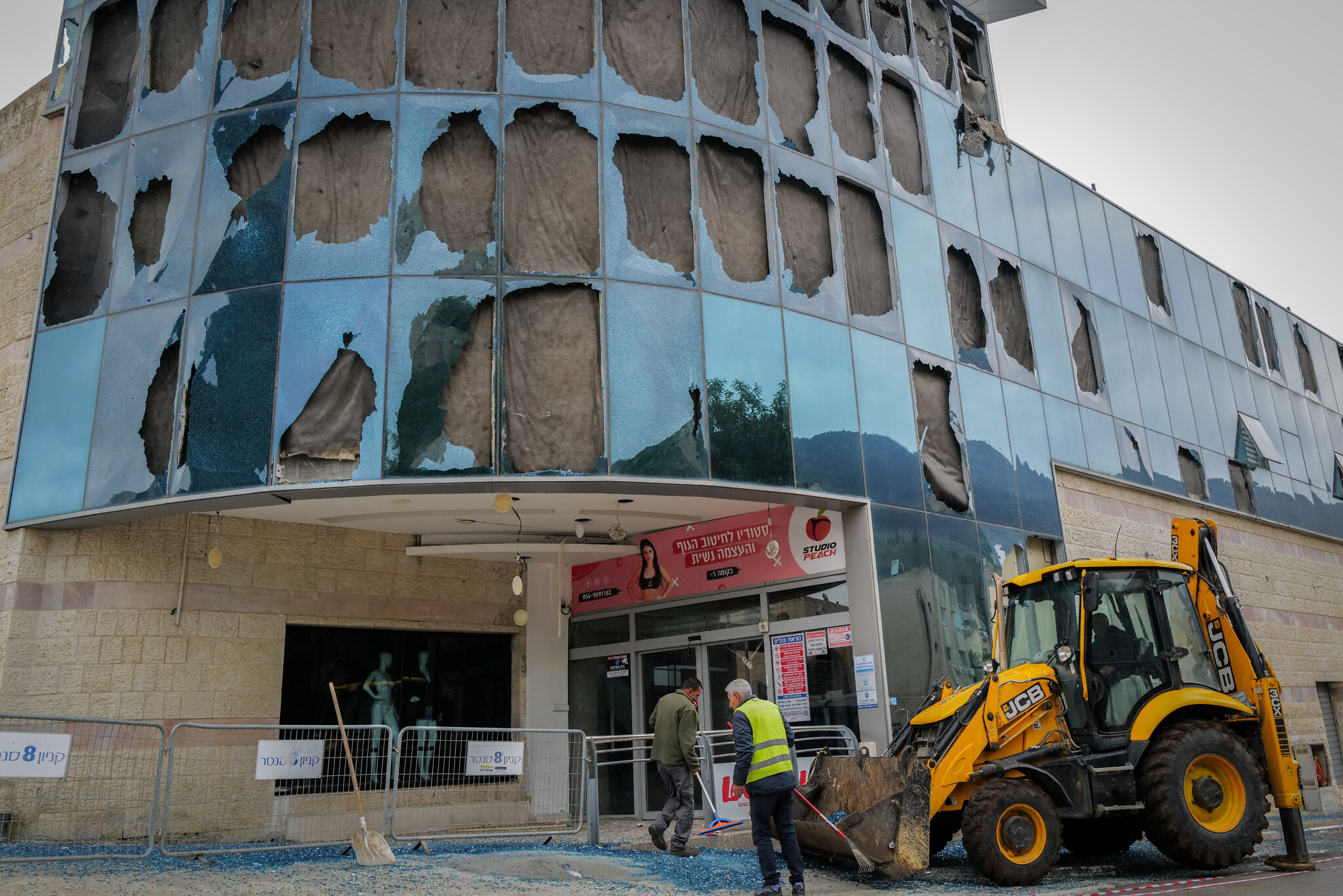
Grants will also be provided to local farmers and schools, and for the restoration and development of public institutions and community infrastructure in both rural and urban areas.
Among the new developments being planned is a new university in Kiryat Shmona, which would help encourage additional economic investments in the surrounding areas.
The government has defined towns within two kilometers of the Lebanese border as national priority settlements, and will expand its basket of benefits for housing, employment, education, and security as part of a NIS 2.6 billion ($780 million) investment to be made in the region over the next two years.
In addition, communities within a 9-kilometer radius of the Lebanese border will be eligible for long-term government incentives for a period of 7 to 10 years.
A second program announced last week also sets aside another NIS 610 million in grants, loans, and subsidies to strengthen local companies and prepare them for future growth.
“This is a plan for growth and renewal, not just temporary aid — but infrastructure for the future,” Elkin said. “The north is not just returning to what it was; it’s coming back stronger.”
Building private safe rooms
After the October 7 massacre, new regulations were created to allow private safe rooms to be built more quickly, expediting Israel’s notoriously lengthy building approval process.
A regulation known as TAMA 40/A/1 allows private safe rooms to be built without municipal bureaucracy, even when they deviate from existing plans for the housing plot.
However, TAMA 40/A/1 only applies to buildings of two stories or fewer, so it is not relevant for most urban apartment buildings.
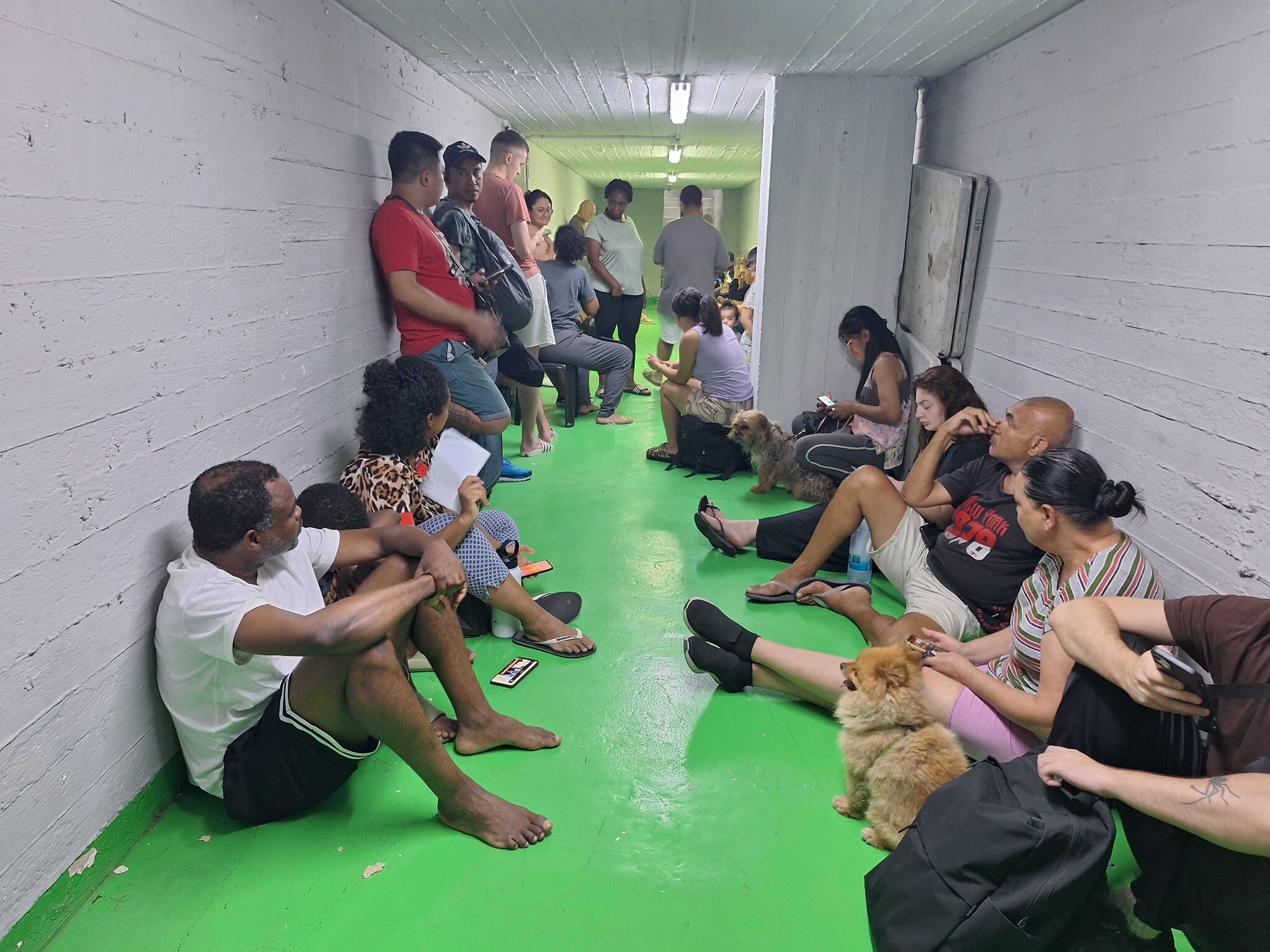
For taller buildings, the application process to build safe rooms has been significantly shortened in most cities. In Jerusalem, for example, approvals for the construction of protected rooms can be obtained in as little as three or four months, instead of a year as was previously needed, a spokesperson for the city has said.
Building a safe room typically costs NIS 150,000 to 250,000 ($44,475 to $74,120), depending on the size and building quality. Financial grants are available in certain high-risk areas.
Earlier this month, Knesset approved a bill expanding the permitted size of private safe rooms (Mamads) and allowing bathrooms to be included for the first time. The decision was made after Israelis were forced to remain in their shelters for extended periods of time during the October 7 attack and Iranian missile barrages.
Sue Surkes contributed to this report.







The Times of Israel Community.