

Knesset approves compensation package for businesses hurt by Iran conflict
With summer recess looming, coalition and opposition race to complete plan that focuses on maintaining economic ‘continuity’ for small- and medium-sized businesses
 Add ToI as a Preferred Source on Google
Sam Sokol is a former political correspondent at The Times of Israel. He was previously a reporter for the Jerusalem Post, Jewish Telegraphic Agency and Haaretz. He is the author of "Putin’s Hybrid War and the Jews"
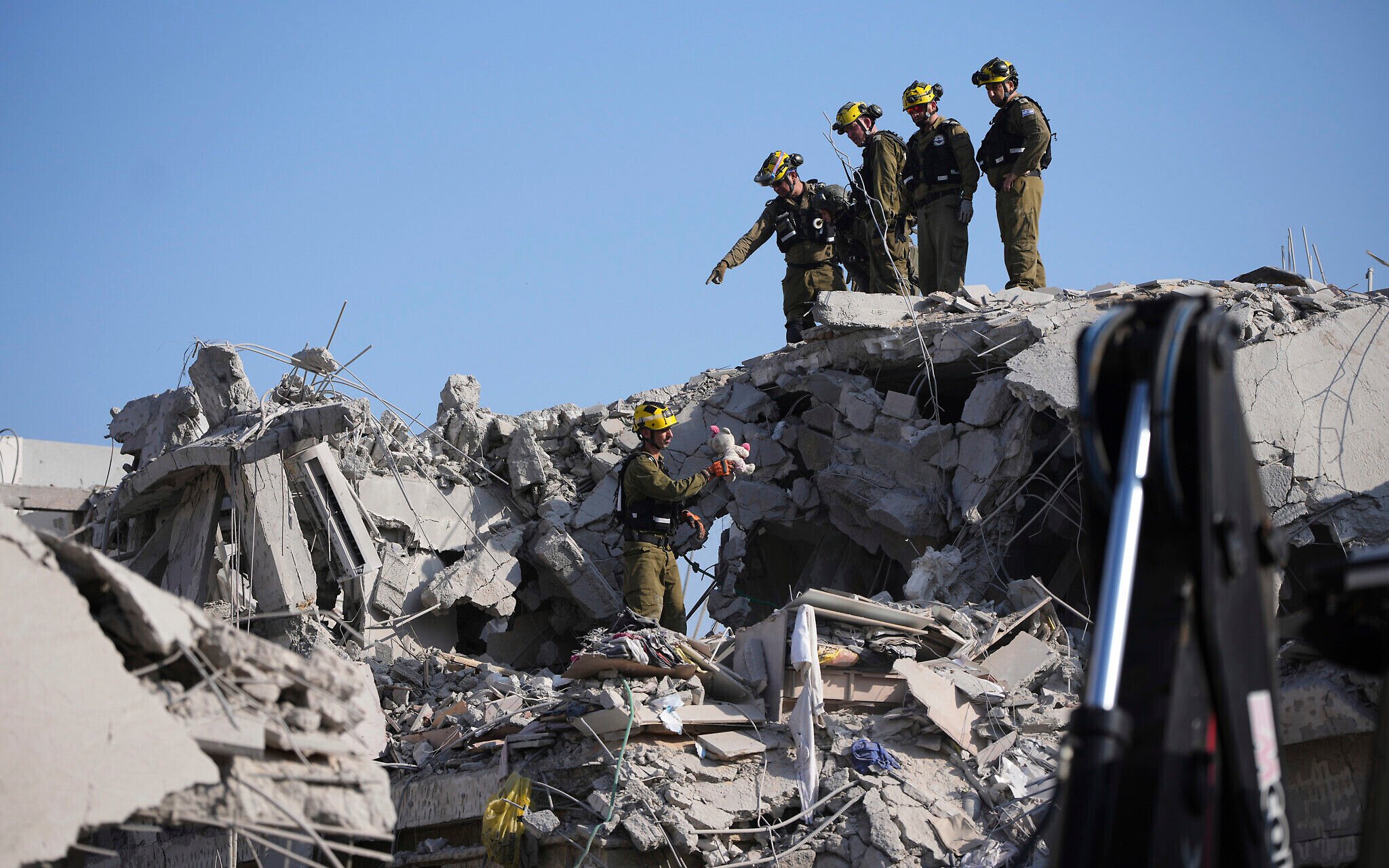
Lawmakers voted 55-2 to approve the government’s plan to compensate those affected financially by last month’s conflict with Iran, in its third and final Knesset reading on Monday afternoon, including grants for businesses whose income streams were reduced and workers who were furloughed.
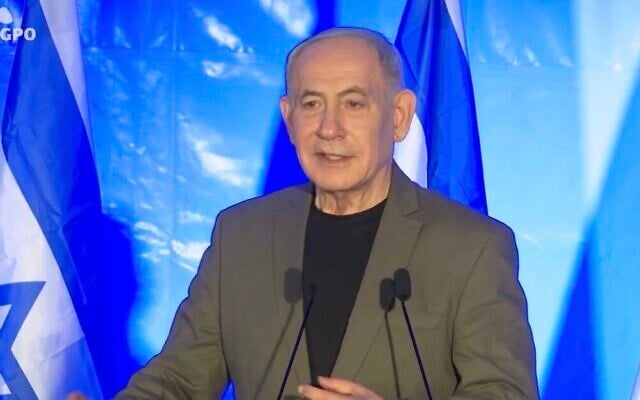
“Our message to businesses is clear: the state is with you. The approval of the compensation outline today in the Knesset is an important step in ensuring business continuity and economic recovery following Operation Rising Lion,” said Finance Minister Bezalel Smotrich.
“We will act quickly, efficiently and sensitively, so that every business owner, in every part in the country, receives the assistance they deserve.”
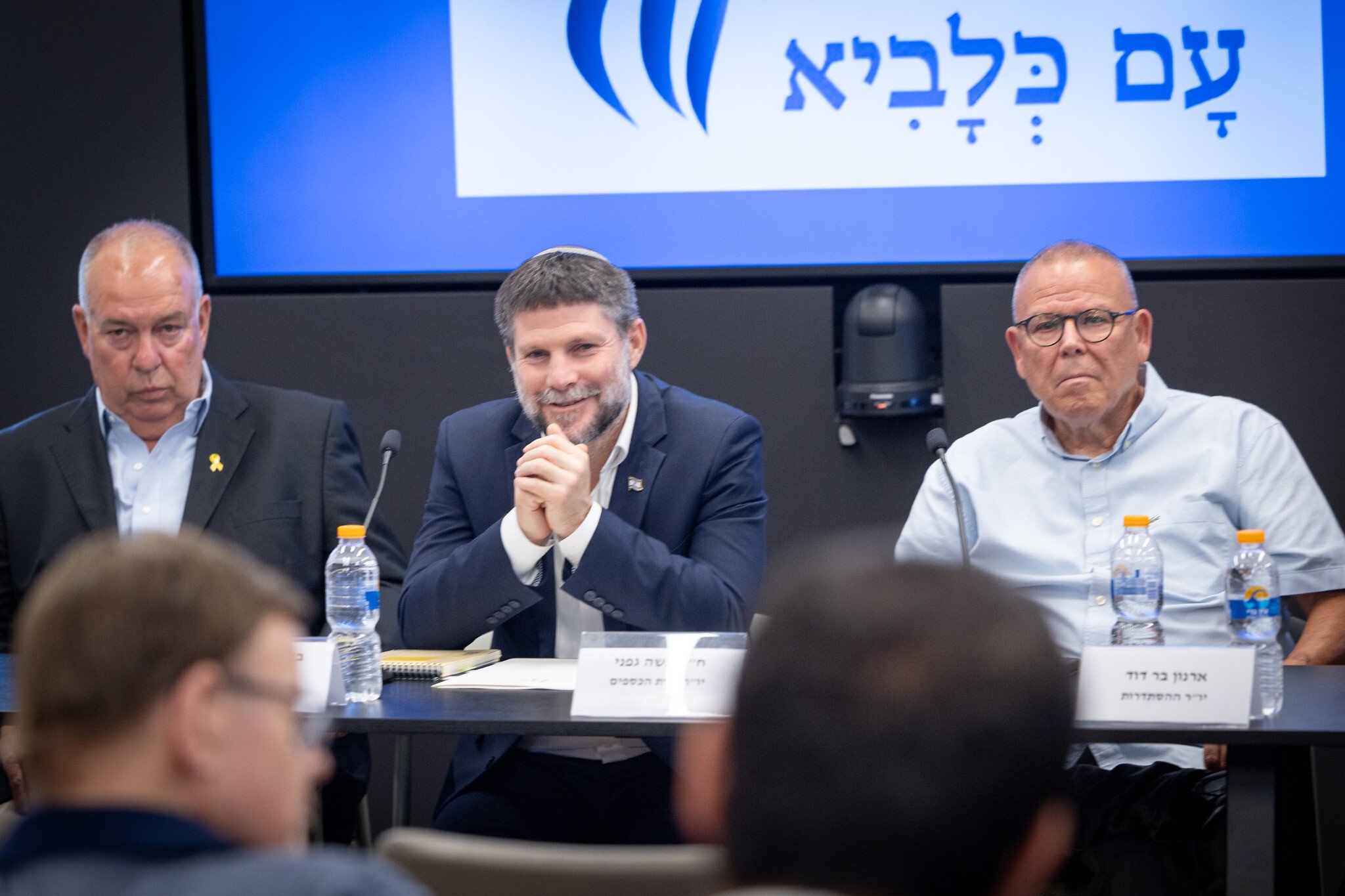
The outline, whose aim is to create “as broad a safety net as possible for the working public,” was first presented at a joint press conference last month by officials including Finance Minister Bezalel Smotrich, then-Knesset Finance Committee Chairman Moshe Gafni, Business Sector Presidium chair Dubi Amitai, and Histadrut Labor Federation chief Arnon Bar-David.
According to the Finance Ministry, the outline is focused on maintaining economic “continuity,” with an emphasis on small- and medium-sized businesses. Businesses with an annual turnover of NIS 12,000 ($3,450) to NIS 400 million ($114 million) that has decreased by more than 25 percent month over month will be compensated from the Property Tax Compensation Fund.
Businesses bringing in less than NIS 300,000 ($86,000) a year will be eligible for a fixed business continuity grant “depending on the level of damage to the business,” while businesses earning NIS 300,000 to NIS 400 million will be eligible for the reimbursement of 7% – 22% of their expenses, “depending on the rate of damage to business turnover, as well as a refund of 75% of salary expenses in relation to the level of damage.”
Businesses with an annual turnover of NIS 300,000 to NIS 100 million ($28 million) will have compensation capped at NIS 600,000 ($172,000).
Employees placed on unpaid leave due to the cessation of economic activity during the war will receive payments from the National Insurance Institute and will not be forced to use any of their accrued vacation days.
According to officials, an online system for claims under the new compensation plan will be opened by the Tax Authority “in the coming days.”
Aside from assisting businesses and employees, the government will also offer compensation to landlords of residential apartments or commercial properties damaged as a result of the war.
Overall, the war caused economic damage of at least NIS 4.5 billion ($1.2 billion), officials said last month.
Progress on the compensation law was temporarily halted last week when the ultra-Orthodox United Torah Judaism party’s quit the coalition to protest its failure to pass legislation exempting yeshiva students from military service.
In the wake of his resignation, UTJ lawmaker and then-committee chairman Moshe Gafni failed to show up for a Knesset Finance Committee meeting on the compensation bill, taking participants in the scheduled discussion by surprise.
Without Gafni, the parliamentary panel had no chairman, and the discussion of the bill could not move forward, causing what committee member MK Vladimir Beliak (Yesh Atid) called “an absurd and unprecedented situation.”
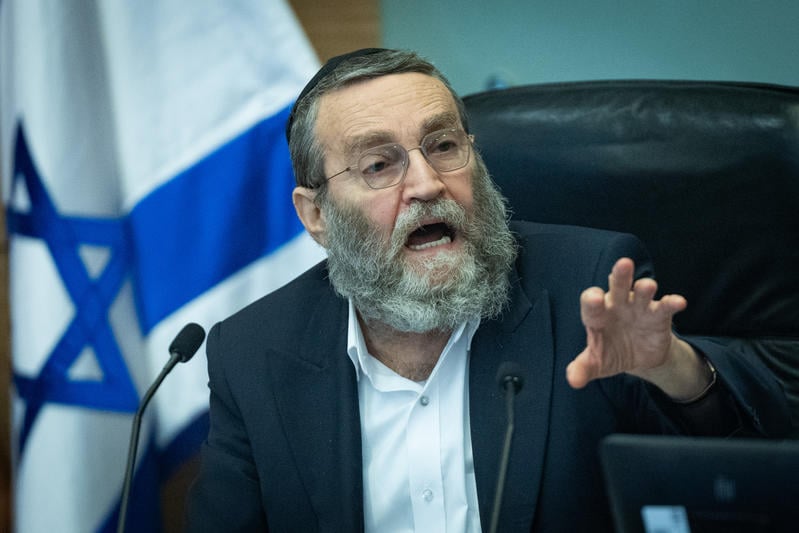
“Representatives from government ministries, the business sector, and opposition members arrived this morning for a discussion on the compensation outline for businesses. But here’s the thing: committee chairman Gafni resigned overnight, didn’t cancel the meeting, and currently, no one has the authority to lead the committee,” Beliak tweeted at the time.
Within a day, the committee had approved a Knesset House Committee recommendation to appoint Likud MK Ofir Katz as chairman of the influential panel and announced that it would hold a meeting to advance the compensation outline prior to the upcoming Knesset recess.
The Knesset is set to enter a nearly three-month-long recess on July 27. It will reconvene on October 19 for the winter session.
“There is an urgency to finish with the compensation outline, on which most of the work has already been done,” Katz said at the time, adding that he intended to “finish the work in the committee, and bring the legislation up in the plenum next week.”




The Times of Israel Community.