

Circumventing Israeli law, judge grants ALS patient’s right to die; he donates his organs
Mechanically ventilated oxygen for Michael Podolsky, 44, was reduced at Sheba Medical Center last week; became the first ALS patient under end-of-life care to donate organs
 Add ToI as a Preferred Source on Google
Reporter at The Times of Israel

Michael Podolsky, a 44-year-old man diagnosed with amyotrophic lateral sclerosis (ALS), died on September 25 at Sheba Medical Center in Tel HaShomer after a Tel Aviv District Court granted his request to reduce vital life support.
He is the first named individual with ALS to successfully fight for his right to die in Israel in almost 30 years and the first to donate his organs.
Israel bans euthanasia and prohibits assisting or encouraging a patient to die. But the Knesset enacted the Dying Patient Law in 2005, which allows advance directives to refuse life-prolonging treatment. This law distinguishes between actively causing death and passively allowing a patient to decline or reduce interventions.
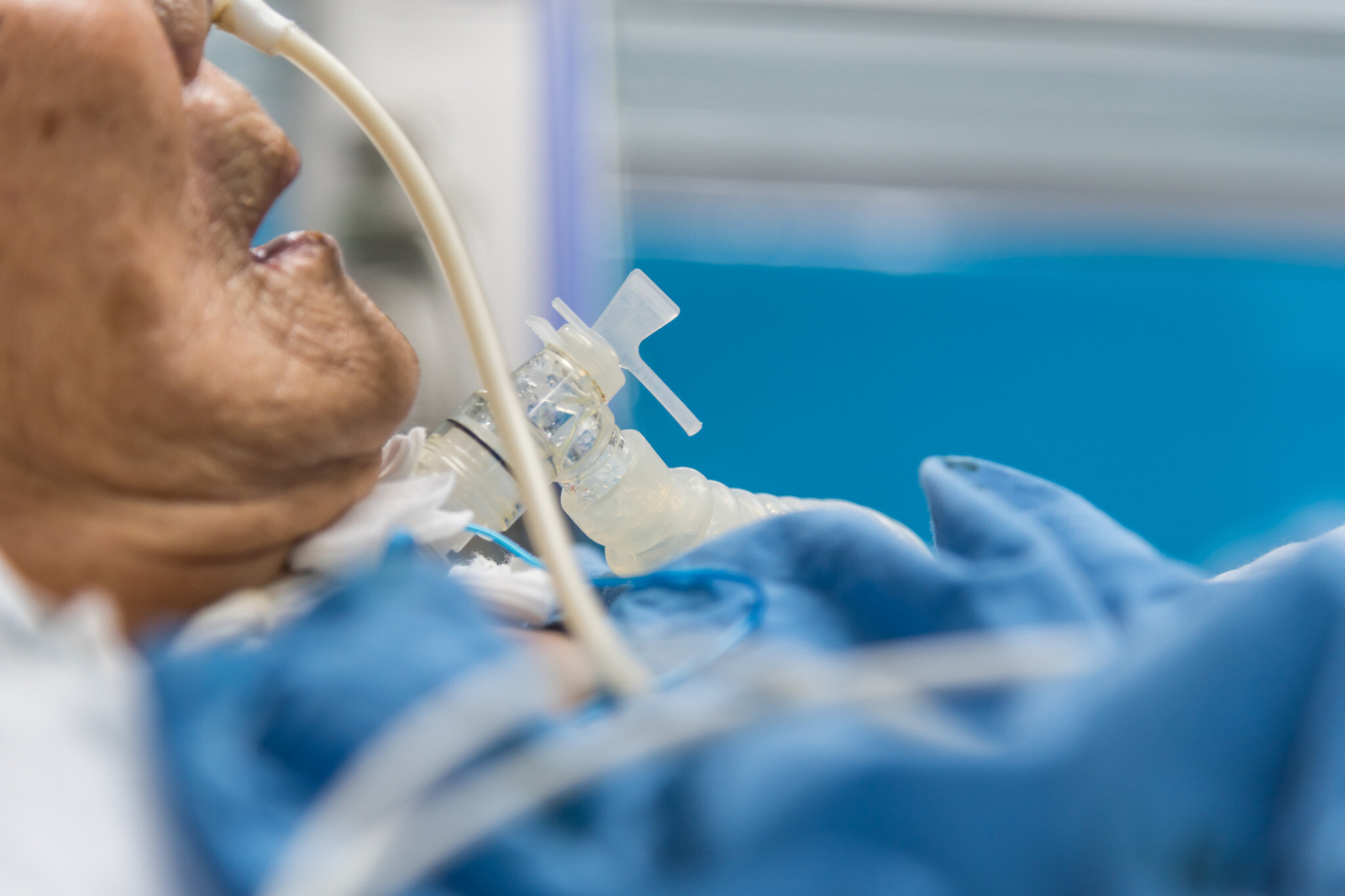
Podolsky had a tracheostomy and was on a mechanical ventilator, which moved air in and out of his lungs, for about three years. According to Efrat Carmi, CEO of IsrALS, the Israeli ALS Research Association, Israeli law states that once patients are on a ventilator, it is considered “continuous treatment and can’t be turned off.”
In other countries, patients “can be ventilated, and then after a year or two, they can tell their doctor, ‘I’ve had enough,'” Carmi said, speaking to The Times of Israel by telephone. “But Israel is the only country that forbids the right to withdraw from ventilation.”
Podolsky, who communicated by blinking his eyes and a computer, hired a pro bono lawyer to fight for his right to die. According to the Hebrew news media outlet Ynet, in the affidavit submitted with his petition and verified by fingerprint, Podolsky stated, “My life now is hell and I want to end it.”
The District Court judge handling the case, Amir Lukashinsky-Gal, visited Podolsky in his home to ascertain that he was sure about his decision.
Lukashinsky-Gal then ruled that a physician could administer sedation to decrease Podolsky’s suffering and gradually lower oxygen levels to 21 percent, the concentration found in ambient air.
This ruling, said Carmi, was not a legal precedent but rather a way to circumvent the law.
Podolsky had “a very nice judge who came to his home and listened to him and understood his situation,” said Carmi. “The law is not going to be changed any time soon, but the message is that every ALS patient has a right to decide how and when to finish their life, even after they make that first decision for a tracheostomy.”
ALS: An incurable neuromuscular disease
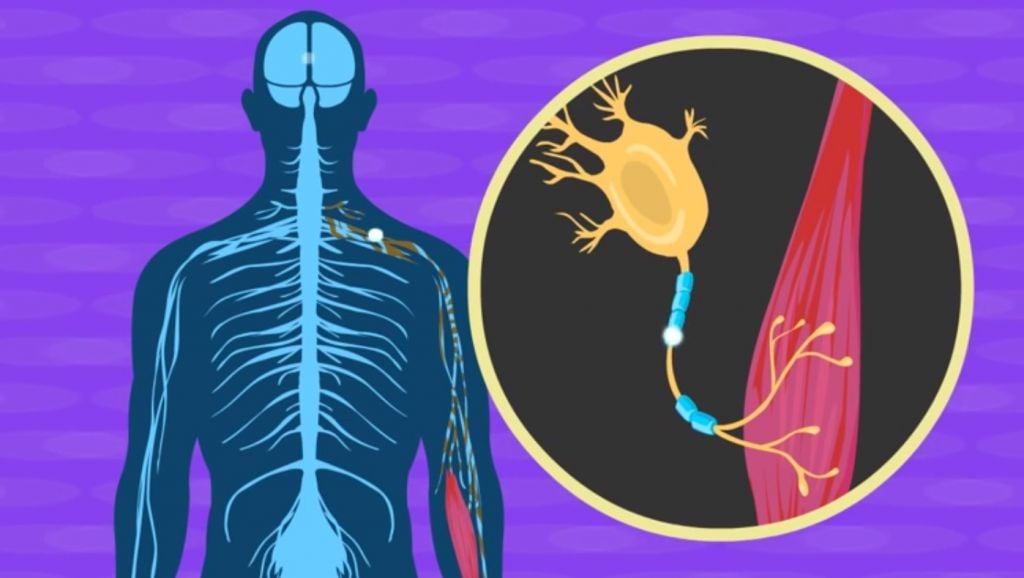
ALS is a progressive disease that has no cure. It attacks the neuromuscular system, gradually destroying the nerve cells that control muscles.
Patients typically lose their ability to walk, speak, swallow and breathe, often becoming completely paralyzed while their cognitive abilities remain intact.
There are currently some 600 ALS patients in Israel, Carmi said. On the staff of the organization are four social workers who talk to patients before they decide to be mechanically intubated.
“Because of the complexity of the law in Israel, we try to talk to them and their families before they make this decision,” Carmi said. “We want them to know all the consequences.”
After patients are intubated, “it doesn’t stop the disease,” she explained. “The deterioration continues. They can’t move, they can communicate only with eye movement, and then they start to lose that. They are not cognitively impaired, but they stay at home with zero communication, on ventilation and nutrition, and they will be like that for years and years and years, and no one can take them off. It’s terrible. It’s absurd.”
Israel’s ban on euthanasia
According to Ynet, Podolsky’s primary physician since 2021, Dr. Ehud Hochner, had tried interventions “when there was still a glimmer of hope.”
By July 2025, however, Podolsky’s condition had deteriorated. The news outlet said that both a psychiatrist, Dr. Iris Fadlon, and a palliative-care internist, Dr. Amit Shintel, confirmed Podolsky’s “consistent and clear wish to end his life without suffering.”
Several other patients, all acting anonymously, have requested the removal of their tracheostomy before Podolsky.
“But a judge cannot order its withdrawal,” Carmi said, because removing the breathing tube is considered “actively” causing death.
Instead, the medical staff can lower “the saturation of the oxygen while they keep asking the patient if they agree to this,” Carmi said.
The first ALS patient to donate his organs
Tamar Ashkenazi is director of the Health Ministry’s Israel Transplant Center, responsible for all the transplants from both living and deceased organ donors. She told The Times of Israel that Podolsky contacted her about four weeks ago, explaining that he wanted to donate his organs after his death.
It was the first time that an ALS patient under court-approved end-of-life care also donated organs.
“I suggested he postpone his death until after the holidays or even Hanukkah,” Ashkenazi said. “But he wanted to die,” she said, and didn’t want to wait.
“When he asked me about the organ donation, I could see his smile,” she recounted. “Even though he couldn’t move his lips, on the side of his lips and his eyes, I could see when he smiled.”
That Thursday morning, when an ambulance came to bring Podolsky to Sheba Medical Center, the emergency medical team didn’t wheel him on the stretcher, but instead, “they lifted him and carried him because the sidewalk out of his house was bumpy and they didn’t want to cause him pain,” she said.

A hospital bedside ceremony

In his room at the hospital’s intensive care unit, Podolsky’s brother, Yuri, and about 15 friends held a special ceremony for him.
“In my 30 years working in this field, I never attended a ceremony like this,” Ashkenazi said.
Podolsky was a singer, she said, and they played some of his songs and then hugged him goodbye.
“I felt a very strong connection with him and his brother,” Ashkenazi said. “He was also a chef. He gave me some of his recipes and I promised him that on the anniversary of his death, I would make some of his dishes.”
After his death was confirmed, Ashkenazi said that Podolsky was brought to an operating room where a transplant team began retrieving his organs. His heart and liver were unsuitable for transplantation, but both his kidneys were successfully transplanted into two patients.
A Sheba Medical spokesperson declined to comment on the matter.
“I feel like a bag of bones,” Podolsky stated in his affidavit. “I am terribly afraid of being left without the ability to communicate. I am helpless and in physical and mental distress. I am fully of sound mind and my decision is firm.”










The Times of Israel Community.