

Deadly drive-by shooting in Ramle comes amid rising tide of violence
As funeral of three men shot dead on Saturday sparks more attacks, Arab community on track for bloodiest year yet
 Add ToI as a Preferred Source on Google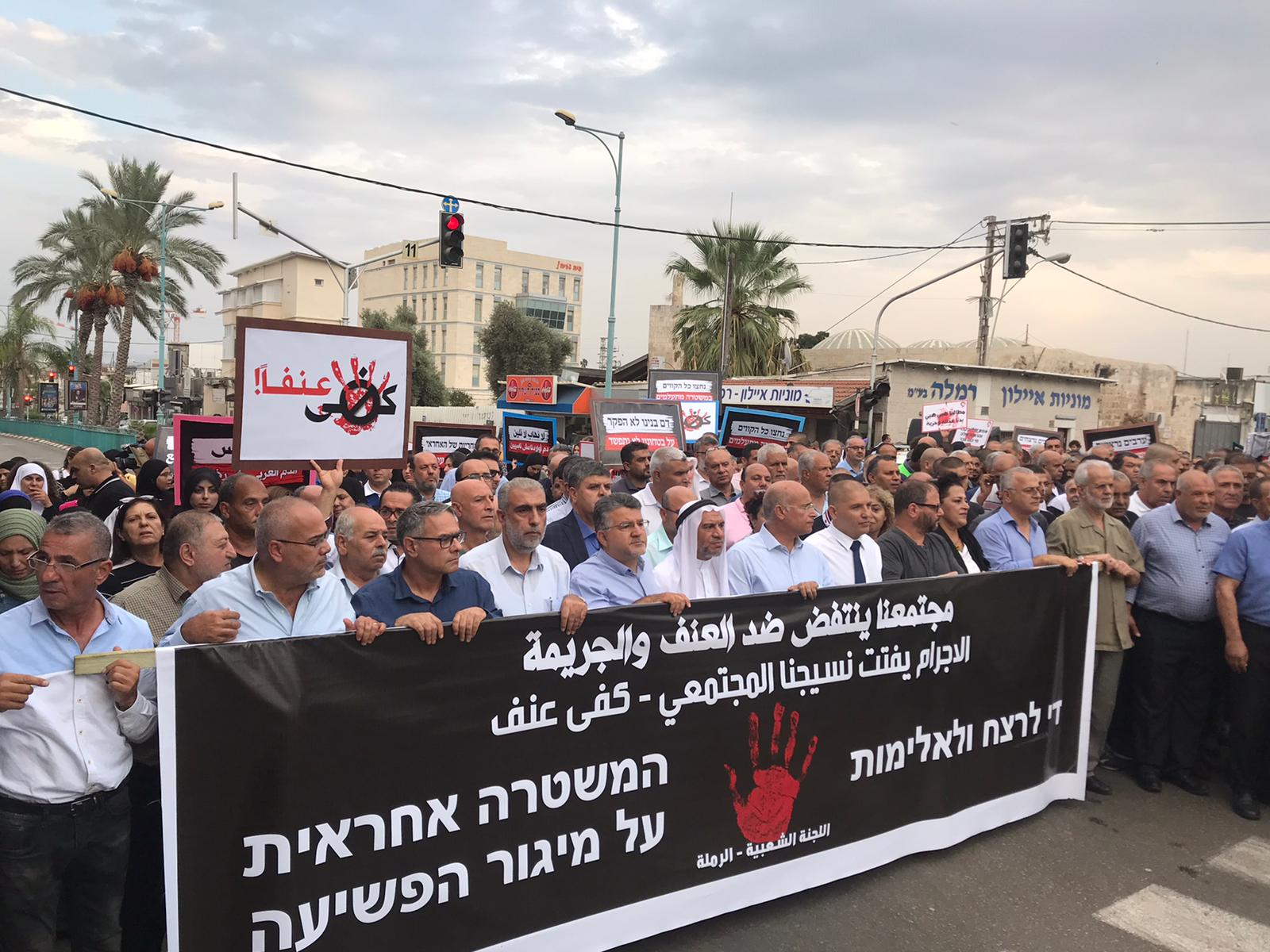
Three Arab Israeli men from Ramle were buried on Sunday after they were gunned down near the Lod interchange amid rising violence in their community.
The same night, Molotov cocktails and rocks were thrown at firefighters who came to put out flaming garbage piles, apparently lit in response to the killings, Arab Israeli news site Panet reported.
Also after the funeral, a patrol car was shot up in al-Jawarish, a poor, mostly Arab, neighborhood in the city. Nobody was injured, according to a police statement, and on Monday morning seven people were arrested on suspicion of involvement in the drive-by shooting.
Ramle Mayor Michael Vidal announced Sunday that schools in al-Jawarish would close for at least two days “in light of recent events and out of concern for the lives of residents.”
3 הרוגים, חסימת כבישים,ירי על ניידת, עשרות שוטרים שנכנסים בטורים, השבתת לימודים, מסוקים וצרורות של כדורים באוויר. לא בחו״ל, בג׳ואריש רק רבע שעה מתל אביב pic.twitter.com/H3i86idgar
— Bar Peleg (@bar_peleg) June 7, 2020
Hundreds of the friends and family of Ra’id Abdel Latif, 40, Jibreel Okasha, 41, and Nihad al-Shamaali, 28, gathered to bury their dead in Nebi Saleh cemetery in al-Jawarish on Sunday afternoon. The three were killed when bullets were fired into their car from another car close by, according to the police, who subsequently gave chase.
Al-Shamaali is the fourth in his family to die of gun violence in the last year. Two of his cousins, Mu’ataz and Muhammad, were killed in nearby Lod last year. His brother Sa’id was shot on his way to Mu’ataz’s funeral, and later died from his wounds.
After his brother’s murder, al-Shamaali was interviewed by the Kan public broadcaster for “Ramle: Crime Scene,” a documentary series.
“It’s a graveyard there,” al-Shamaali told Kan, referring to an area controlled by two major gangs.
The police said in a statement that the names of all three men killed on Saturday were “known” to law enforcement, indicating that the shooting could be part of a struggle within the criminal underworld. During the funeral, police took up positions across al-Jawarish in a bid to prevent further violence, Panet reported.
The wave of violence in Ramle may have started as revenge for the assassination of a prominent businessmen, Mohammad al-Maghrabi, by one of al-Shamaali’s relatives, Ynet reported.
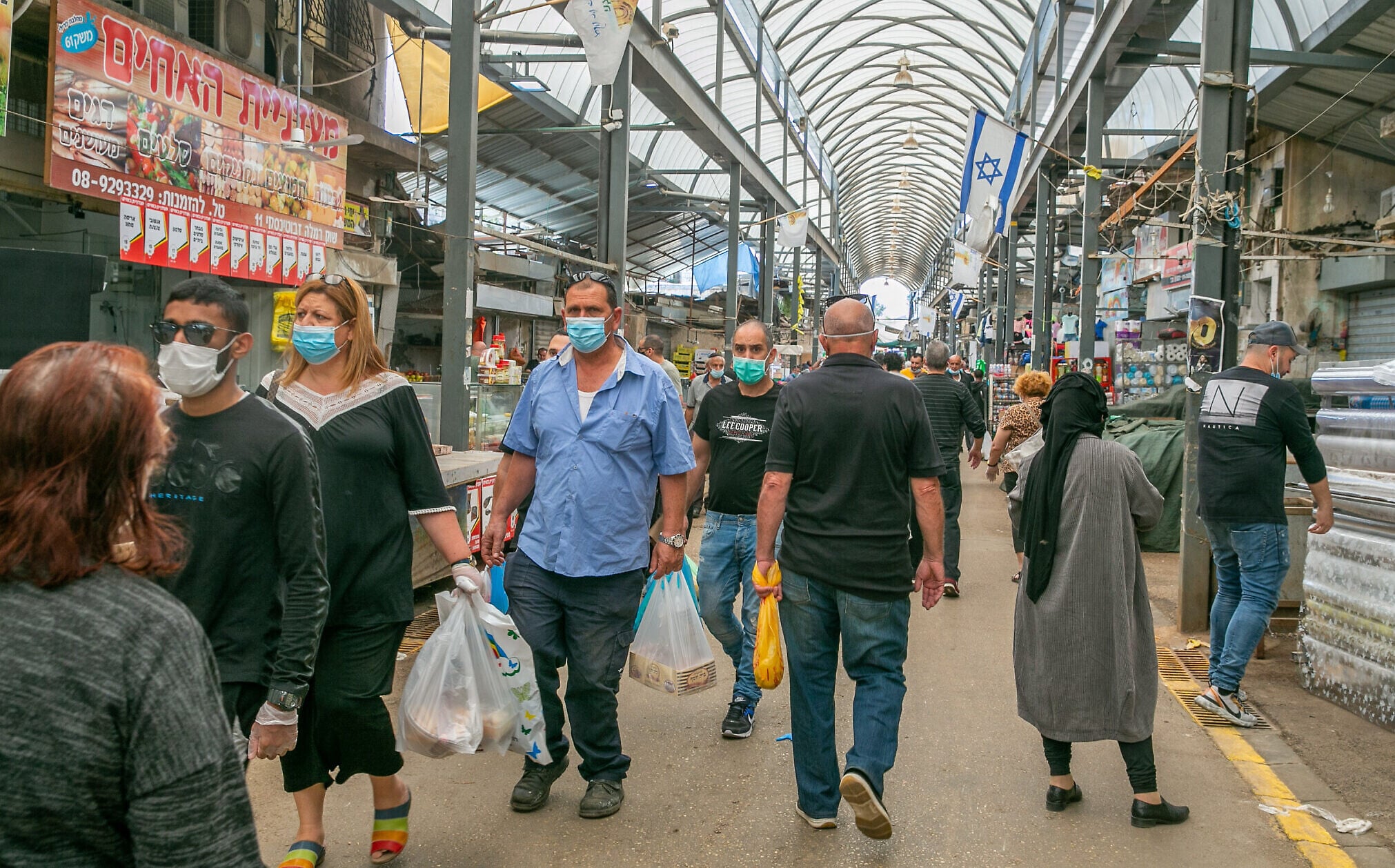
Ramle is one of several integrated cities in Israel — the majority of the residents are Jewish, and 25 percent are Arab. Only a 20-minute drive from Tel Aviv, the contrast between the two cities is stark. Ramle has struggled for decades with violence and poverty, and it has one of the highest crime rates in Israel.
In October 2019, amidst a wave of killings in Ramle, hundreds of residents demonstrated against violence in the city and in Arab communities across Israel.
“If we don’t keep on counting arrests and demonstrations, we will have to keep on counting deaths and funerals,” Joint List party chairman Ayman Odeh told the demonstrators.
Despite numerous calls for action and campaigns at the end of last year, Arab Israelis may be heading to their most violent year on record. Thirty-eight Arab Israelis have been killed since January. In 2019, which so far holds the record, the Arab community did not reach that number until mid-July.
Only 30 percent of the alleged murders — 27 out of 88 in 2019 – were ever solved, Haaretz reported at the time.
Thirty-six percent of Arab Israelis have a sense of personal insecurity in the community where they live due to violence, compared to 12.8% among Jewish Israelis, according to a 2019 report by the Abraham Fund. Baladna, a nonprofit organization, reported that young Arab Israelis are the most likely to be killed — more than half of the death toll among Arab Israelis is among those 18 to 34 years old.









The Times of Israel Community.