

Dragged before Knesset panel, top cop accuses suspects of leaks in PM probes
Roni Alsheich defends his claim that ‘powerful figures’ collected information about officers investigating Netanyahu, says attack on police damages public trust
 Add ToI as a Preferred Source on Google
Raoul Wootliff is a former Times of Israel political correspondent and Daily Briefing podcast producer.
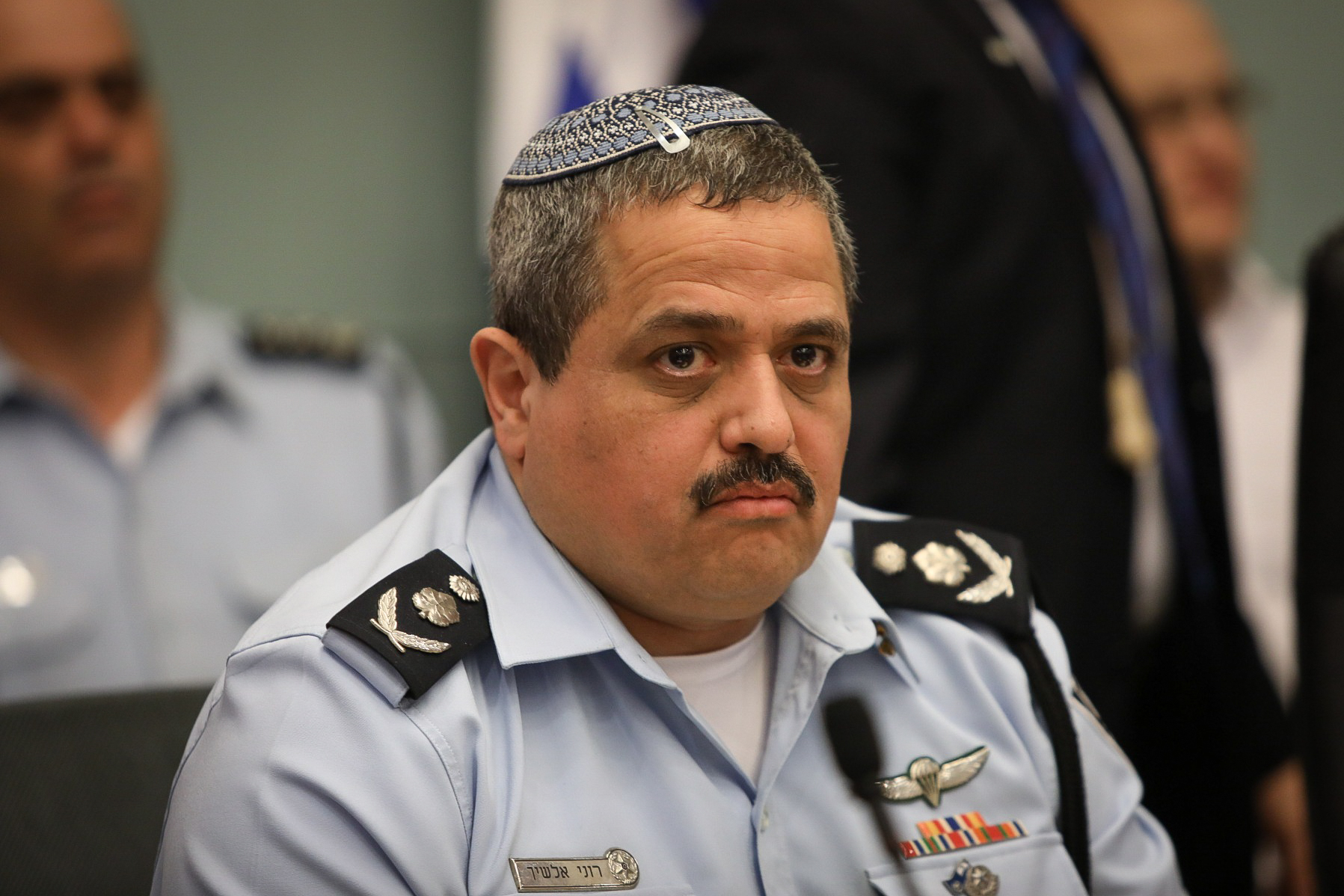
In a Knesset hearing Monday marred by repeated interruptions, Israel Police Commissioner Roni Alsheich rejected accusations that investigators had leaked confidential information from the cases involving Prime Minister Benjamin Netanyahu, claiming instead that any leaks came from suspects implicated in the probes.
Alsheich was summoned before the Knesset Internal Affairs and Environment Committee to address a claim he made in an interview earlier this month that “powerful figures” had hired private investigators to collect information about the officers probing corruption cases surrounding Netanyahu.
Before discussing his allegations, Alcheich was harangued for an hour by Knesset members, mainly from Netanyahu’s Likud party, and at least 10 lawmakers from both the coalition and opposition were thrown out for screaming at each other.
Opening the session, committee chair MK Yoav Kisch (Likud) said that the statements Alsheich made to Hadashot’s “Uvda” program “severely damaged the public’s trust in the police.”
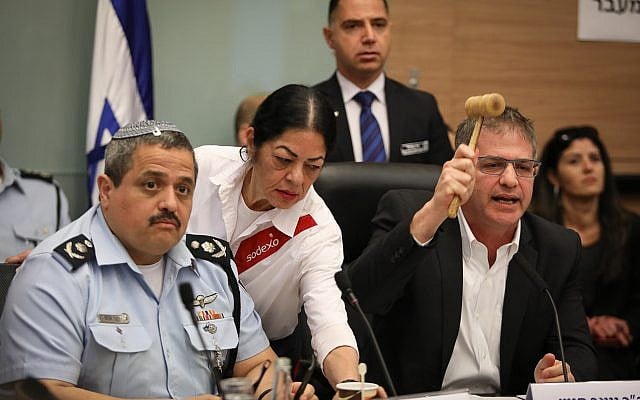
Another Likud MK, Miki Zohar, charged that Alsheich had “aligned the police with those on the left trying to bring down the prime minister,” while coalition chair David Amsalem (Likud) said it was time police “took a serious look at themselves.”
Responding to the accusations, Alsheich said the statements he had made in the interview “did not include one word about the details of the investigations” into Netanyahu and were completely within his rights as head of the police.
“In the interview, I was asked about previous statements on the topic and I confirmed that we believe various people tried to pressure investigators,” he said. “Often, when we are trying to put an end to a certain trend we use public tools. The most important was to end the trailing of investigators, which is dangerous and destructive,” he added, noting that it had ended after he made it public.
Asked why, if the claims are true, police had not opened an investigation into the allegations that investigators were trailed, Alesheich implied that a probe was already underway, saying, “I will not give any information about an ongoing investigation, but I also won’t confirm or deny the existence of one.”
Netanyahu has said that the “ridiculous” allegations of interference by allies of his prove that police are biased against him and cannot be trusted to carry out fair investigations.
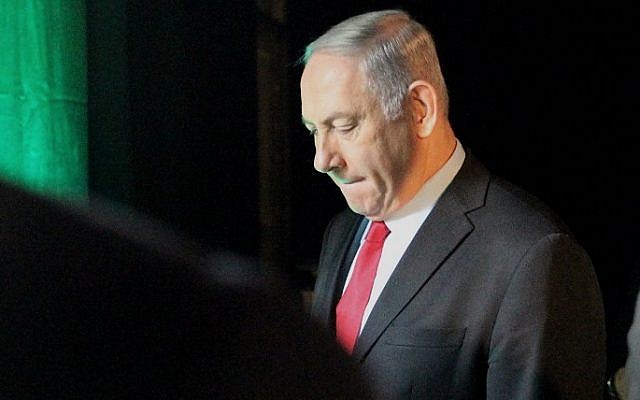
The prime minister’s call for the Alsheich claims to be “investigated immediately, independently and objectively” was apparently the impetus for Kisch’s summons of the police chief.
Alsheich also hit back at claims that his comments constituted leaks and that, as Zohar alleged, they proved police were behind numerous other leaks throughout the year-long investigations.
“As long as the investigation were carried out in secret, you didn’t hear one word from them. When did the leaks begin? When there were suspects being investigated,” he charged. “The lawyers of suspects leak from the investigations and they speak to each other via the media.”
In an apparent veiled reference to Netanyahu’s own attacks on the police, Alsheich said, “Some people are trying to make it look like the police are leaking in order to make themselves look better in the eyes of the public.”
Last Tuesday, police recommended Netanyahu be indicted for bribery, fraud and breach of trust in two criminal investigations — Case 1000 and Case 2000, as they are known — involving suspicions he accepted gifts and favors from wealthy businessmen in exchange for advancing their interests.
Netanyahu called the police recommendations “unfounded” and “full of holes,” maintaining his innocence and saying he would lead Israel for years to come.
During his speech responding to the allegations, Netanyahu cast doubt on the objectivity of police investigators, alluding to Alsheich’s earlier assertion that private sleuths had tried to dig up dirt on officers investigating Netanyahu.
“It is impossible to escape from the impression that the [police recommendations] were influenced by the unfounded feelings of investigators that I acted against them,” the prime minister said. The investigation simply could not have been objective, he charged.
At one point, Alsheich requested a break in the hearing to “take an important phone call,” during which he was apparently informed of reports that a former Netanyahu aide is suspected of promoting a deal with a senior judge to halt an investigation into Netanyahu’s wife, Sara, in exchange for the judge being appointed attorney general.
While Kisch concluded the heated session by calling for an external investigation into Alsheich’s claims, the commissioner said that if any MKs had questions, they were welcome to send them to his office and he would “answer them personally.”
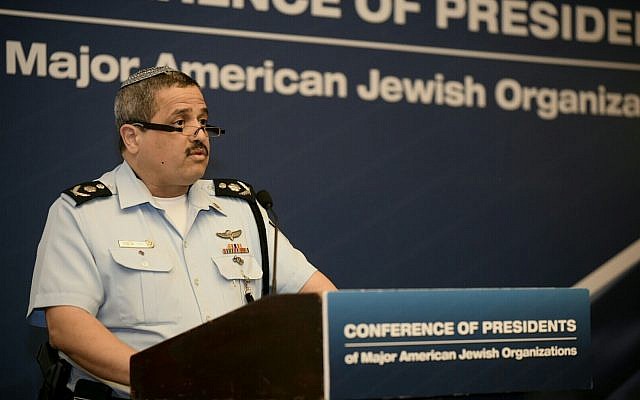
Earlier Tuesday, speaking at the the Conference of Presidents of Major Jewish Organizations annual mission in Jerusalem, Alsheich admonished those who “damage public trust” in his organization and vehemently defended his officers from attacks on their integrity.
“The police needs the trust of the police and not only for the purpose of public relations,” he told the US Jewish leaders. “When the public trust is damaged, fewer crimes are reported to the police, the public receives poor service and the crime rate, including street crime and violence, increases.”
In the first of the cases against Netanyahu, Case 1000, police say, he and his wife are alleged to have received illicit gifts from billionaire benefactors, most notably the Israeli-born Hollywood producer Arnon Milchan, totaling NIS 1 million ($282,000). In return, Netanyahu is alleged by police to have intervened on Milchan’s behalf in matters relating to legislation, business dealings, and visa arrangements.
The second, Case 2000, according to investigators, involves a suspected illicit quid-pro-quo deal between Netanyahu and Yedioth Ahronoth publisher Arnon Mozes that would have seen the prime minister weaken a rival daily, the Sheldon Adelson-backed Israel Hayom, in return for more favorable coverage from Yedioth.
The prime minister has also been linked indirectly to Case 3000, a large investigation into suspected corruption surrounding the multi-billion-shekel purchase of naval vessels and submarines from a German shipbuilder. While Netanyahu has not been named as a suspect, close associates of his, including his personal aides, have been arrested or questioned.
And in new developments in a further case, named Case 4000, Netanyahu is said to be suspected of furthering a deal under which Shaul Elovitch, owner of the Walla news site and the controlling shareholder of the Bezeq communications company, swayed Walla’s coverage of the prime minister and his family, in exchange for the Communications Ministry enacting policies potentially worth hundreds of millions of shekels for Elovitch.
According to police sources quoted by a range of Hebrew media sources, investigators already have significant proof of a deal involving Netanyahu, who was also acting communications minister at the time.
The prime minister denies wrongdoing in all of the investigations against him.




The Times of Israel Community.