

Emergency crews on alert as storm blows through
Floods, blackouts anticipated around the country; heavy rains, winds up to 80 km an hour expected overnight
 Add ToI as a Preferred Source on Google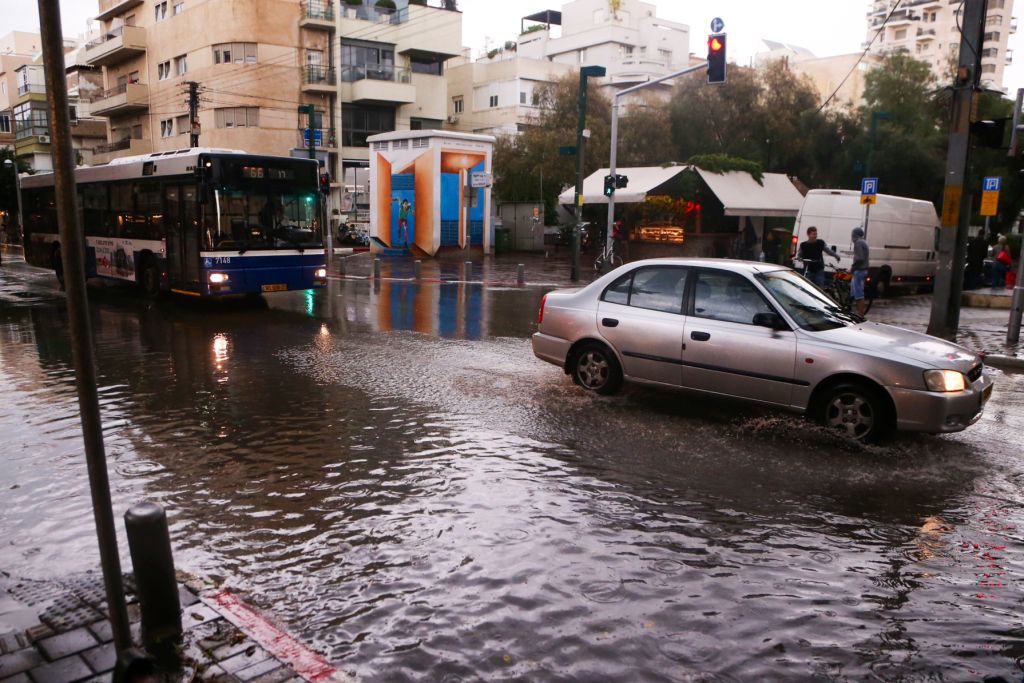
Israeli officials geared up for floods, power outages and other weather-related chaos as a large winter storm swept into the region Tuesday evening.
Ahead of the storm, police and the fire department raised their alertness level, and beefed up their deployment across the country, while the electric company called on the public to report any fallen electrical wires and readied crews in case of electricity outages.
The storm was expected to peak overnight, with fierce rains and winds up to 80 kph (50 mph), according to Channel 2. The rain is expected to die down by Wednesday afternoon.
An overall 100 millimeters (3.9 inches) of rain is anticipated in northern Israel, and Mount Hermon will likely see some heavy snow.
Lower amounts of rain are expected in the rest of the country, though officials warned of possible flash floods, especially in dry river beds in desert regions.
Various highways were expected to flood in the north and parts of the south.
In the northern city of Acre, a tree fell on a parked vehicle as a result of strong winds, No injuries were reported.
Police urged drivers to exercise caution and stay away from areas hit hard by the storm.
In the central Israeli cities of Rishon Lezion and Bat Yam, some 30 millimeters of rain poured down by the late evening hours. Tel Aviv, Kfar Saba and Netanya saw 20 millimeters of rain each.
Jerusalem received 20 millimeters as well.
The northern Mount Hermon got a first dusting of snow Monday morning.
Rain and occasional thunderstorms will continue Wednesday and Thursday, with the system forecast to taper off Friday.
Winter rains are vital for Israel’s water reserves, and this winter is off to a good start.
The Tel Aviv region has already received 37 percent of its annual average and Beersheba 25%. The area around the Sea of Galilee has seen one-fifth of its yearly total. Jerusalem is lagging behind with 13%. The totals are well ahead of the average rainfall for this point in the year.
Tel Aviv has seen more than double the average precipitation for this point in the year, while Haifa has received 150%. Jerusalem is also enjoying a relatively wet winter, and stands at 136% of the average so far.
The Sea of Galilee, Israel’s largest freshwater lake, stands at 212.86 meters below sea level, close to the -213 meter red line, at which point no more water is legally permitted to be pumped from the lake. The level is expected to rise throughout the winter.









The Times of Israel Community.