

Eurovision gears up for ‘watershed’ vote on Israel participation amid boycott calls
Member broadcasters set to vote Thursday on rule changes aimed at preventing too much song promotion, but if deemed ‘inadequate,’ vote to be held on inclusion in song contest
 Add ToI as a Preferred Source on Google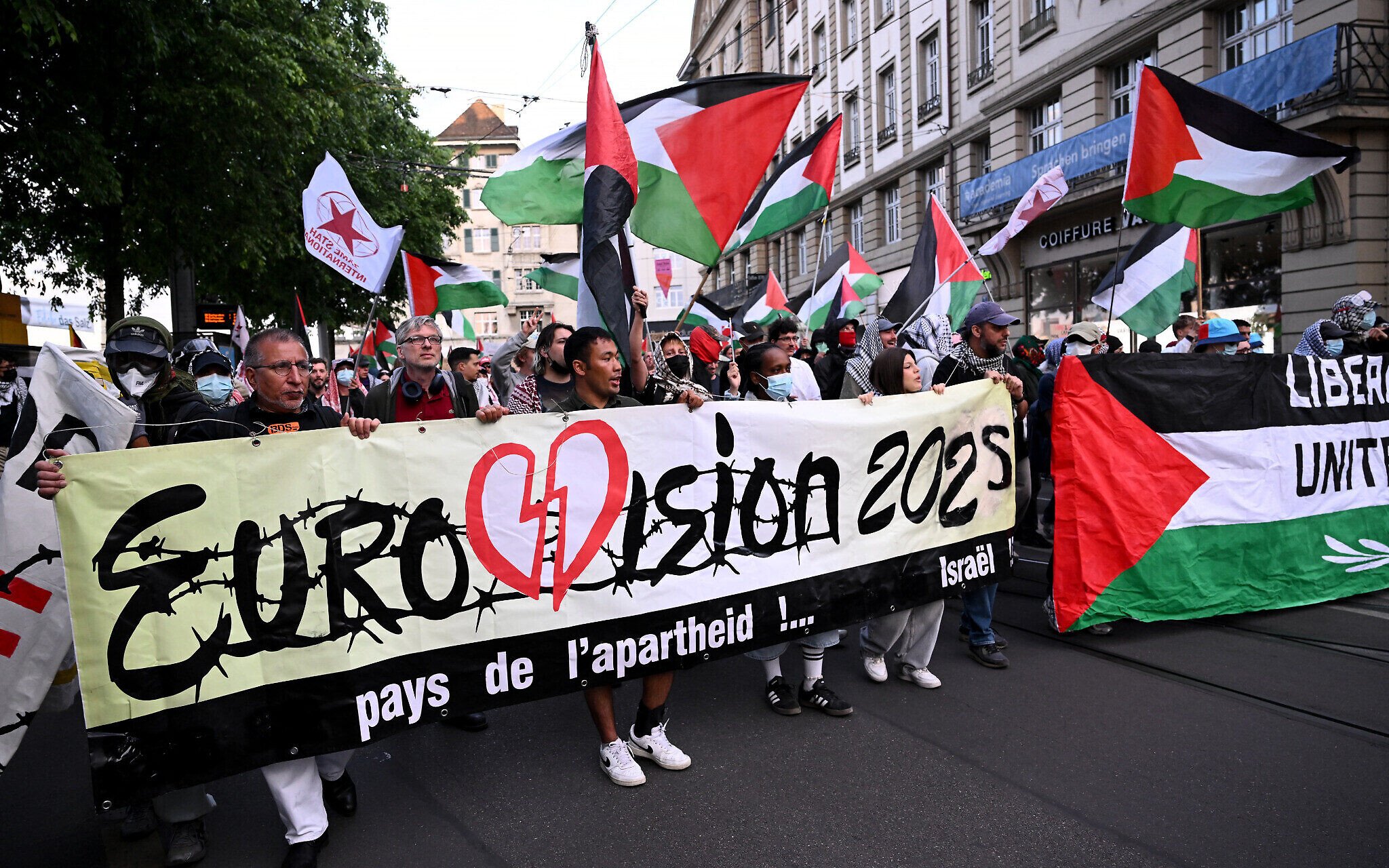
GENEVA — The Eurovision Song Contest faces a “watershed moment” on Thursday when members of the body that organizes the contest may vote on whether Israel can compete in 2026, with some nations threatening to withdraw if it is not excluded due to the Gaza war.
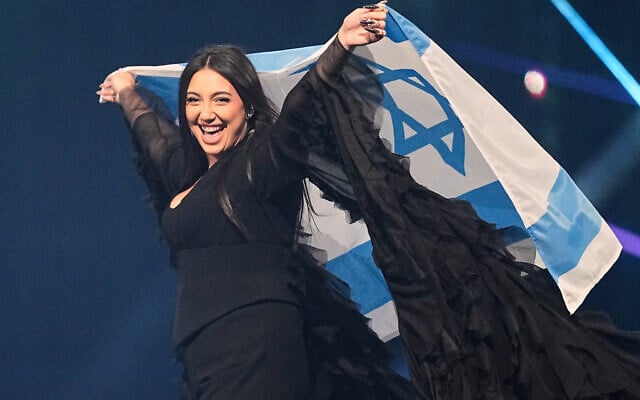
European Broadcasting Union members will convene to discuss new rules designed to prevent governments and third parties from disproportionately promoting songs to influence voters after controversy following this year’s competition in Switzerland, where Israel’s Yuval Raphael ran away with the popular vote and finished second overall.
The voting changes, aimed at appeasing some angry member states, are yet another sign indicating the European Broadcasting Union is leaning toward allowing Israel to remain in the competition, after it scrapped a vote planned for this month on the issue.
If members are not convinced the rules are adequate, there will be a vote on participation, the EBU said, without naming Israel specifically.
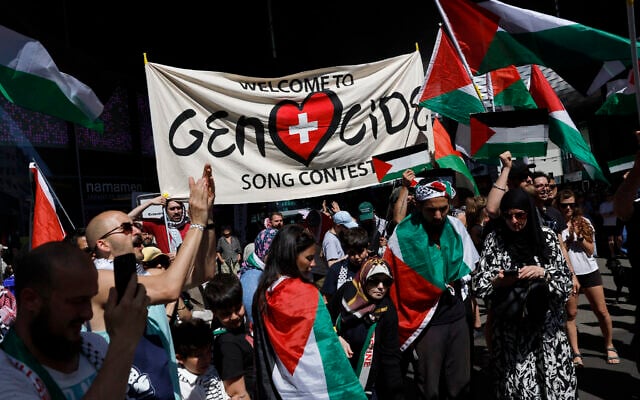
Public broadcasters from Slovenia, Ireland, Spain and the Netherlands have all threatened to boycott the event, scheduled for May in Austria, if Israel is allowed to take part, citing concern over the humanitarian situation in Gaza amid Israel’s war against Hamas.
The controversy over Israel’s participation heavily overshadowed the 2024 and 2025 Eurovision contests, with most international media coverage of those competitions focusing on the efforts to bar Jerusalem.
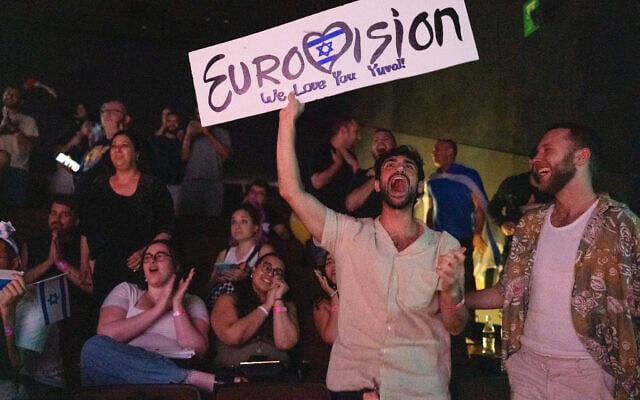
Meanwhile, Israel is moving full steam ahead with its plans to compete, with the newest season of “Hakochav Haba” (Rising Star), which traditionally selects the country’s Eurovision entrant, officially kicking off last month.
Nonpolitical aims overshadowed by world events
The televised annual celebration of pop music, watched by around 150 million viewers worldwide, aims to be nonpolitical, but the Gaza war has embroiled it in controversy. A boycott by some of the competition’s biggest European backers, including Spain, risks a major drop in audience numbers and potential sponsorship.
In this year’s contest, critics accused Israel of unfairly boosting the second-place finish of its entrant Yuval Raphael, a survivor of the October 7, 2023, attack on Israel by Hamas terrorists that triggered the conflict. Israel has not responded to these accusations but frequently argues it has faced a global smear campaign.
“We very much hope the package of measures will assure members that we have taken strong action to protect the neutrality and impartiality of the Song Contest,” the EBU said.
Eurovision expert Paul Jordan, who did a PhD on the contest, said it was a “watershed moment” for the competition.
“This is a real crisis point for Eurovision and the EBU… I think it probably has to go to a vote,” Jordan said.
Ben Robertson from fan site ESC Insight noted the potential impact of a loss in audience, but added without Israeli inclusion, Eurovision risks becoming more isolated.
Norway calls proposed changes ‘promising’
Luxembourg’s RTL broadcaster backed the proposed changes, while Norway’s NRK broadcaster described the EBU’s signal of major change as “promising.”
If a vote against Israel were successful, Germany would probably withdraw and not broadcast the contest, a broadcasting industry source told Reuters. German broadcaster ARD did not comment. Austrian host broadcaster ORF has said it wants Israel to compete.
Sources within Israel’s Kan broadcaster told Reuters it believed discussions about excluding Israel were unjustified, asserting that Kan was in full compliance with EBU rules. It also noted Kan’s support for Israeli acts that have delivered what they described as memorable Eurovision performances.
The Israeli foreign ministry did not respond to a Reuters request for comment.
Russia has been excluded from Eurovision since its 2022 invasion of Ukraine.





The Times of Israel Community.