

Five new MERS deaths reported in Saudi Arabia
Deadlier but less transmissible cousin of SARS virus has already infected 529 people; WHO to carry out inspections
 Add ToI as a Preferred Source on Google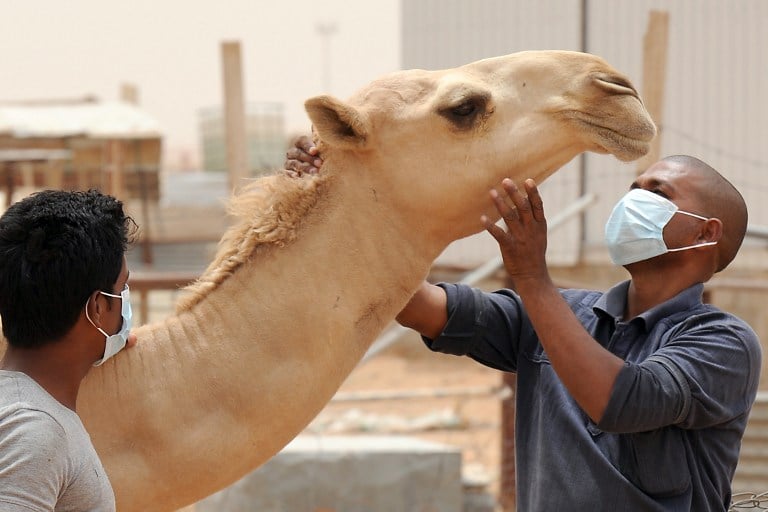
RIYADH, Saudi Arabia — Saudi Arabia has reported five new deaths from the MERS respiratory virus, bringing the death toll in the world’s worst-hit country to 168.
In its latest tally, issued on Saturday, the health ministry said the total number of infections in the kingdom from the coronavirus since it first appeared in 2012 now stood at 529 people.
Among the latest fatalities were two men aged 67 and 55 and an 80-year-old woman in Jeddah, the port city where a spate of cases among staff at King Fahd Hospital last month led to the dismissal of its director and the health minister.
In addition, a 71-year-old man and another aged 77 died in Riyadh and Medina respectively, the ministry website reported.
Other nations including Egypt, Jordan, Lebanon, the Netherlands, the United Arab Emirates and the United States have also recorded cases, mostly in people who had been to the desert kingdom.
The World Health Organization carried out a five-day inspection visit to Saudi Arabia this month and pinpointed breaches in its recommended infection prevention measures as being partly responsible for the spike in hospital infections.
MERS is considered a deadlier but less transmissible cousin of the SARS virus that appeared in Asia in 2003 and infected 8,273 people, nine percent of whom died.
Like SARS, it appears to cause a lung infection, with patients suffering coughing, breathing difficulties and a temperature. But MERS differs in that it also causes rapid kidney failure.








The Times of Israel Community.