

Gaza border kibbutz redirects donations to help war-torn north
‘We feel what our brothers and sisters in the north are going through,’ says Kibbutz Nirim, which lost seven residents on October 7
 Add ToI as a Preferred Source on Google
Sue Surkes is The Times of Israel's environment reporter
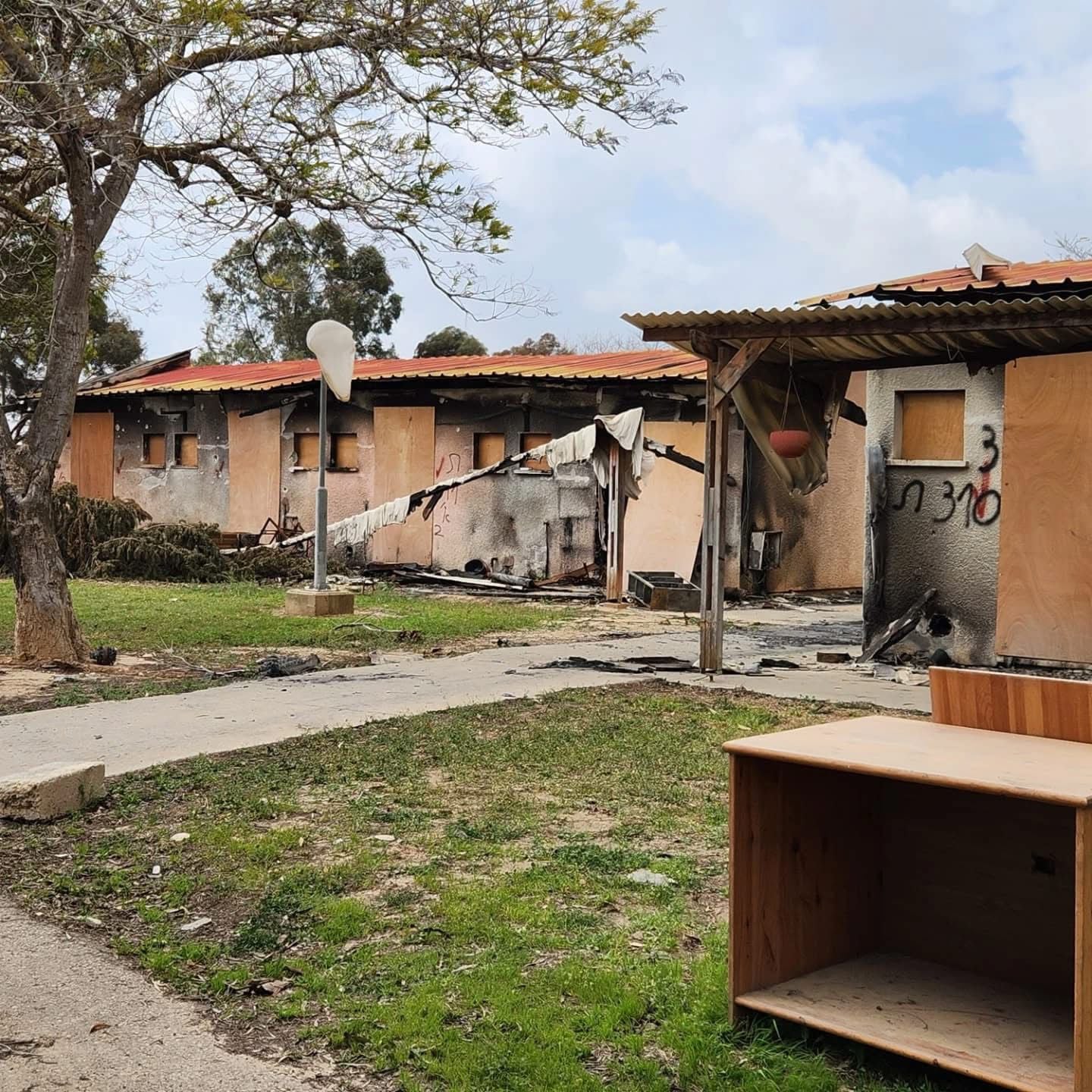
A Gaza border kibbutz, which lost seven residents during the murderous Hamas onslaught of October 7, 2023, said Thursday that it will redirect donations in its name to a fund to support frontline kibbutzim in northern.
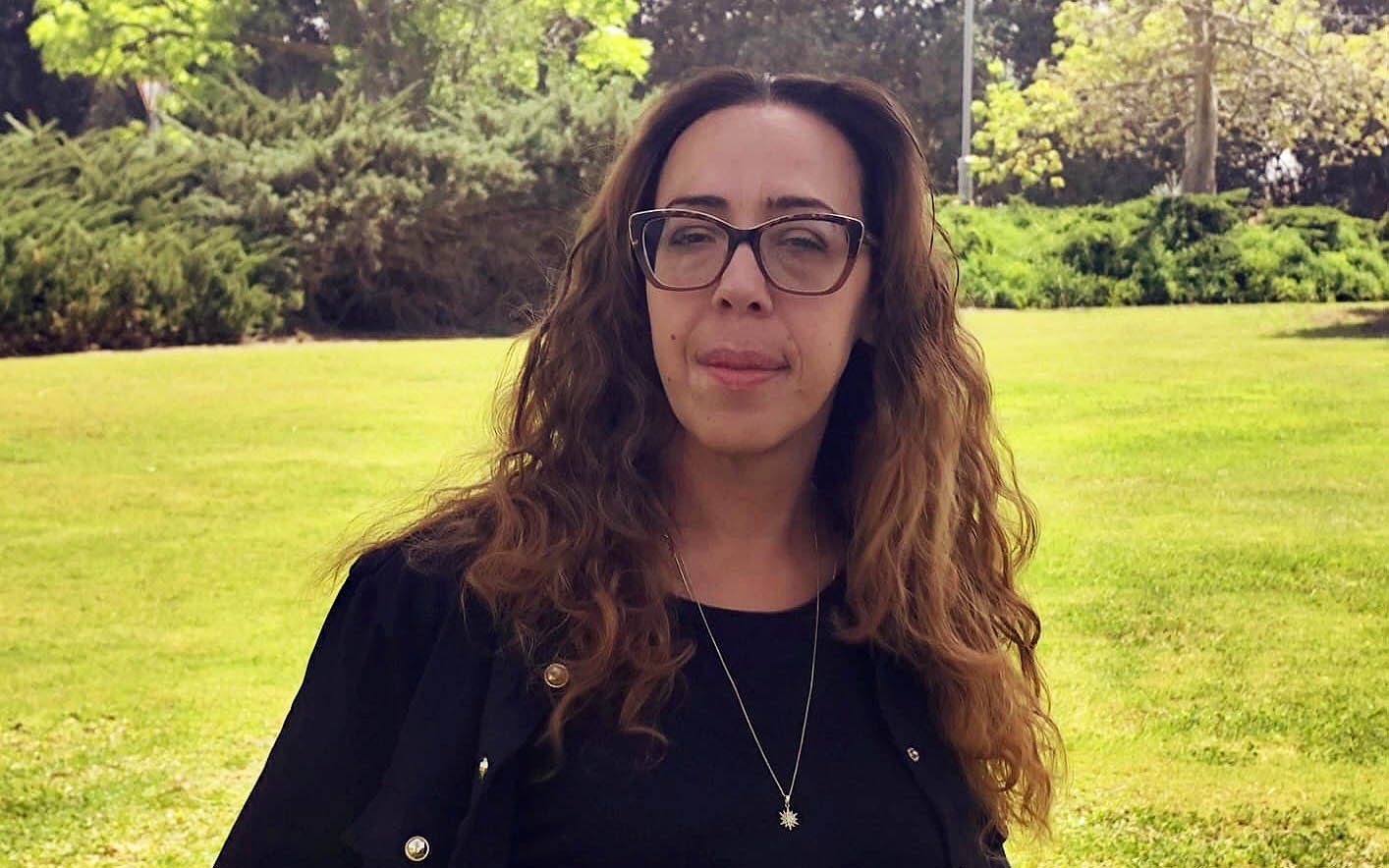
Maya Liberman, Community Manager of Kibbutz Nirim, wrote to the Kibbutz Movement Rehabilitation Fund, saying, “At this time, the communities of the north in general, and the frontline kibbutzim in particular, are living in an impossible reality, and our hearts go out to them.”
She continued, “We feel, in the deepest fibers of our being, what our brothers and sisters in the north are going through. Despite the urgent rehabilitation needs that still exist in Nirim, we are asking that donations from the Kibbutz Movement Rehabilitation Fund designated for Kibbutz Nirim be redirected to the rehabilitation of the frontline kibbutzim for whatever needs are required.”
Among the northern kibbutzim still in the line of fire from the Iran-backed Hezbollah organization in Lebanon are Misgav Am, Manara, Snir, Evron, and Metzuba.
Fighting between the IDF and the Iran-backed Hezbollah has continued despite Tuesday’s announcement by US President Donald Trump of a two-week ceasefire with Iran.
Five civilians were murdered by terrorists at Kibbutz Nirim on October 7, as gunmen rampaged through Gaza border communities: Gideon Babani, 66; Roi Popplewell, 53; father and daughter Doron Meyer, 58, and Mor Meyer, 17; and Oran Alfasi, 22.
Five others were abducted to Gaza: Yagev Buchshtab, 35, and his wife Rimon Kirsht Buchshtab, 34; Nadav Popplewell, 51, and his mother Channah Peri, 79; and Noralin Agojo, 60.
The three women were released by Hamas during a November 2023 hostage deal. The two men were murdered in captivity, and their bodies were recovered by the military.
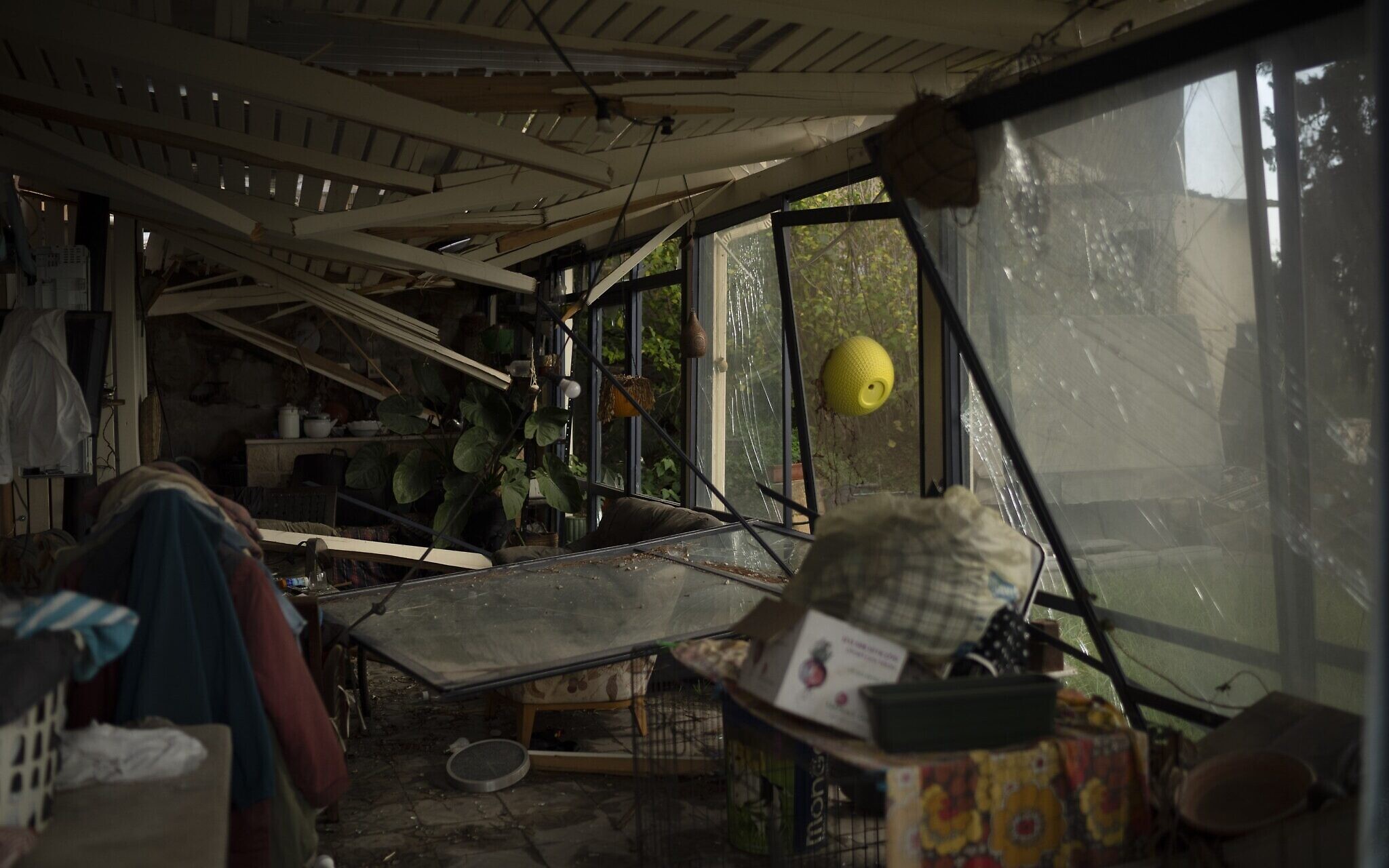
Nirim’s decision comes despite its own need for rehabilitation funding. In addition to donations from the rehabilitation fund, the kibbutz also receives gifts directly.
Speaking to The Times of Israel, Liberman declined to give financial details.
She said Nirim had almost completed its physical rehabilitation, including new construction. Around 90 percent of residents have returned.
“Our reality changes all the time, and we have to adapt our programs accordingly,” she said. “We are trying to keep our heads above water and to do the best we can to return to some kind of routine.”
Neri Shotan, CEO of the Kibbutz Movement Rehabilitation Fund, said, “Even today, as entire communities struggle to rebuild, it is the public — citizens, foundations, and the Jewish Diaspora — who step in, while the state is absent. The growing phenomenon of crowdfunding and the increasing reliance on philanthropy, exemplified by Nirim’s choice to redirect donations to frontline kibbutzim despite the severe damage it suffered on October 7, demonstrates extraordinary solidarity, but also highlights a troubling reality: the growing dependence on philanthropy in place of basic state responsibility.”
The Kibbutz Movement Rehabilitation Fund provides emergency grants, educational programming, agricultural recovery, community rebuilding, and resilience programs to both southern and northern communities.










The Times of Israel Community.