

Government agrees it must help pay costs borne by travelers, airlines due to Iran war
Economic Affairs Committee head demands plan within 10 days for compensating passengers stranded when Israeli airspace closed, without putting the whole burden on airlines
 Add ToI as a Preferred Source on Google
Sharon Wrobel is a tech reporter for The Times of Israel
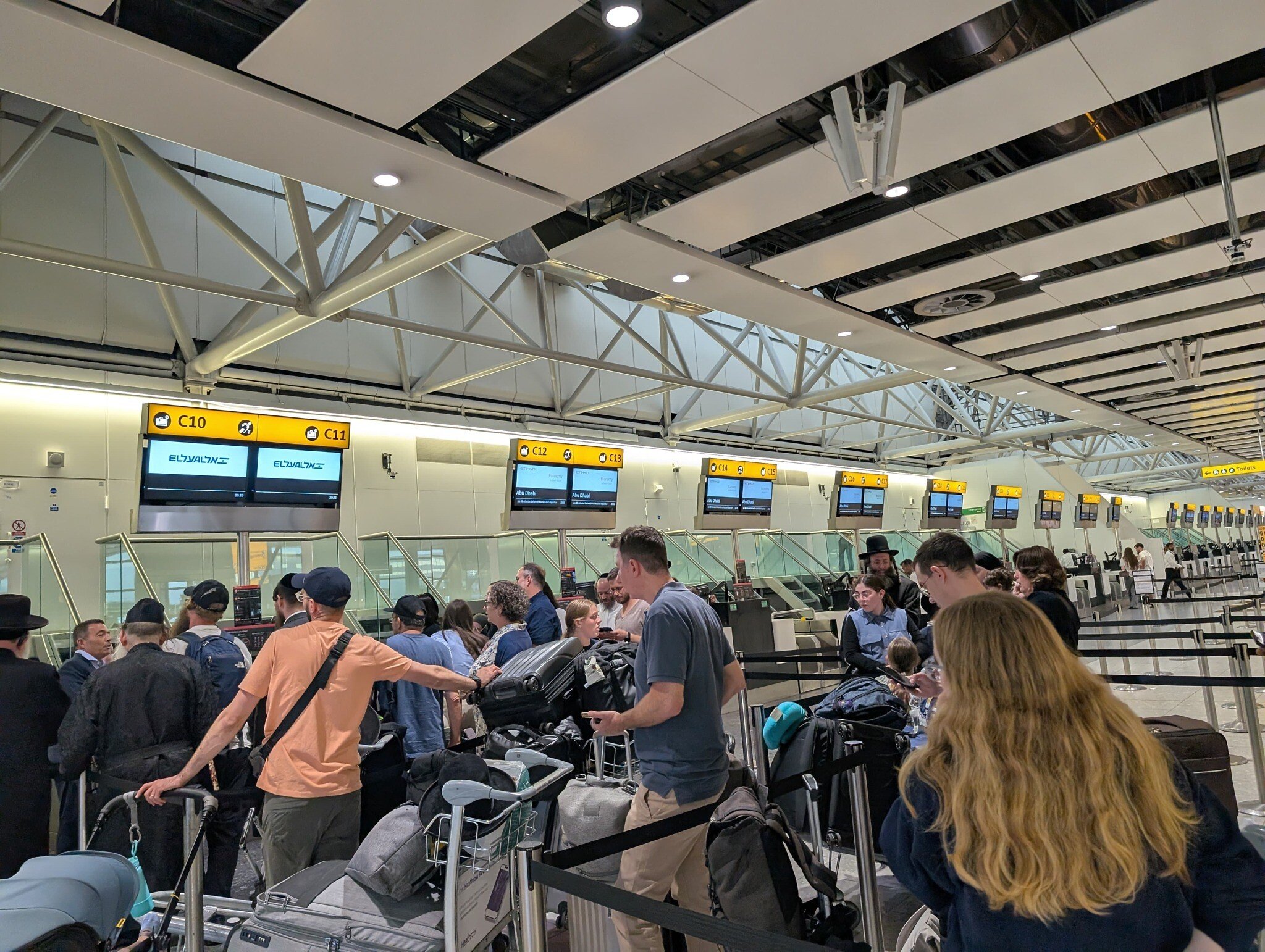
Knesset Economics Affairs Committee chairman MK David Bitan urged the government to swiftly agree to pay a share of the costs borne by Israeli and foreign airlines, as well as consumers whose flights were canceled, due to the closure of the skies during the war with Iran.
Bitan on Sunday called on the Finance Ministry to present an outline within 10 days for compensating passengers and airlines who suffered losses during the closure of Israel’s airspace.
“The government needs to step in either fully or in a compromise with the airlines,” said Bitan. “There are smaller local carriers Arkia and Israir, [bigger airline] El Al, and there are foreign airlines on whom the security situation was forced upon, which should not cause them damages.”
“Consumers need to get compensation, and airlines are also expected to face lawsuits, and therefore it needs to be resolved as quickly as possible, one way or another,” he cautioned.
Israel’s airspace remained almost entirely closed during the 12-day conflict with Iran that began on June 13, leading to waves of flight cancellations by domestic and foreign airlines that left many passengers stranded. As part of a government-led operation, on June 18, Israeli airlines El Al, Arkia, Air Haifa and Israir started to operate restricted repatriation flights to bring back an estimated 100,000 to 150,000 Israelis from abroad.
Since Israel fully reopened its airspace on June 24 following a ceasefire agreement with Iran, only a few foreign airlines have resumed their flight services to Tel Aviv. French carrier Air France is the only major Western European airline that has announced a relaunch of flights, starting July 7. US carrier United Airlines has suspended service on the Tel Aviv-New York route through August 1, and rival Delta through August 31.

Sunday’s committee hearing came after a group of more than 25 foreign carriers joined forces with Israeli airlines and sent a letter last week to Transportation Minister Miri Regev, Finance Minister Bezalel Smotrich, and Economy Minister Nir Barkat, urgently requesting the government exempt airlines from providing certain benefits and entitlements to passengers whose flights were affected due to the closure of Israeli airspace.
Although the foreign carriers have not committed to resuming their Israel flight operations if the request is granted, all of the airlines indicated that it was critical for their continued operations in the country.
At Sunday’s hearing, Finance Ministry representative Elchanan Ben Dahan clarified that Israeli and European aviation law obligates airlines to offer passengers whose flights have been canceled alternative flights and compensate them for hotel stays.
At the same time, Ben Dahan said that the ministry has begun “examining the economic data and is trying to find a fair solution as quickly as possible.”
Bitan criticized the government for not accounting for damages suffered by airlines as part of its plan to compensate businesses for wartime costs.
“A hairdresser that was closed during the days of the war with Iran is entitled to compensation, but we are not compensating an airline that stopped flying and then operated flights to return Israelis?” he exclaimed.
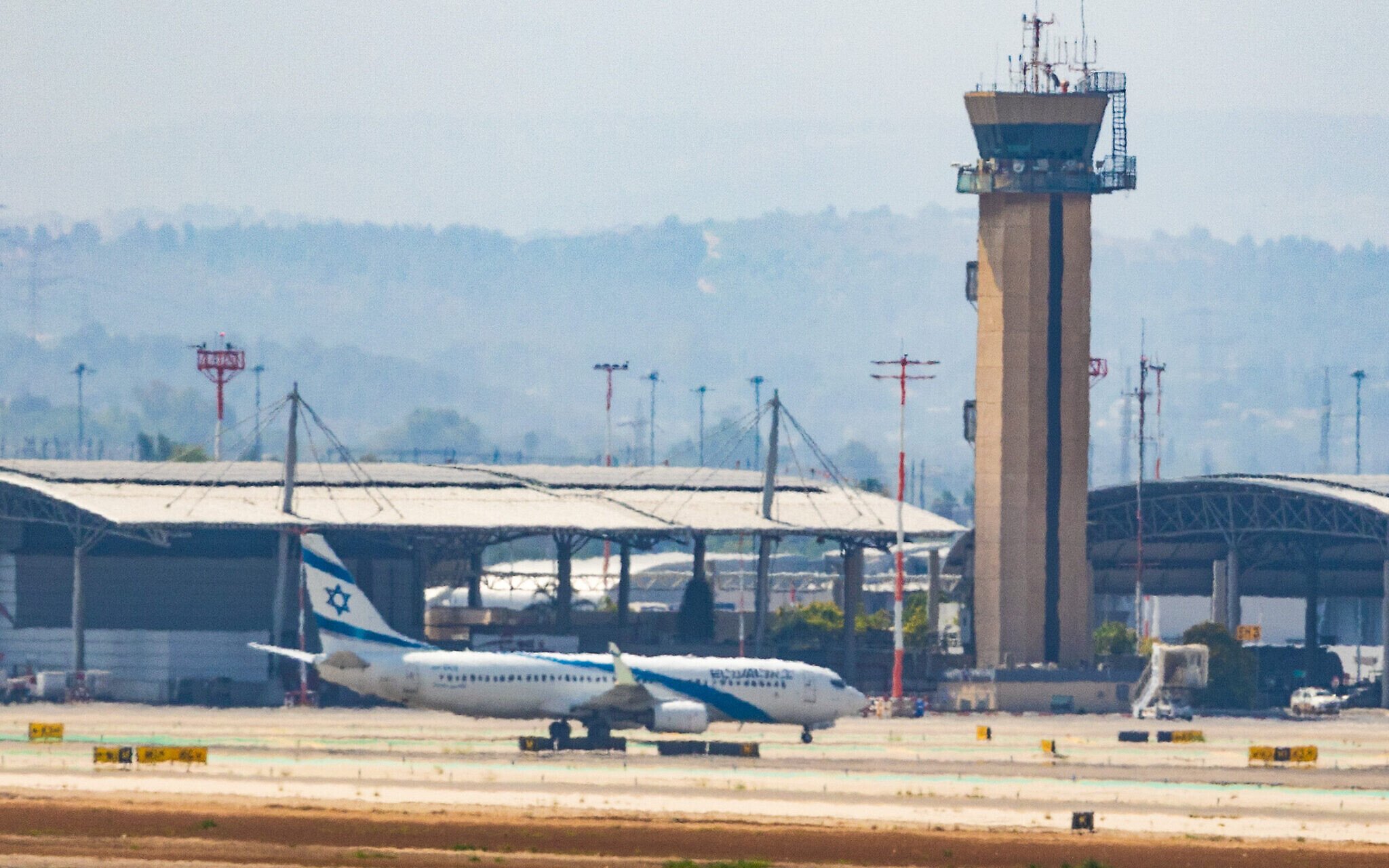
Representatives of the Economy and Transportation ministries present at the hearing agreed on the need for a framework to ensure that the burden of the costs does not only fall on airlines that have been hurt. On Thursday, Regev and Barkat called on the Finance Ministry to convene a joint discussion on compensating passengers who were stranded abroad for days.
“While the state closed the skies due to the security situation, many citizens bore heavy costs as a result of the war,” Barkat said last week. “Our responsibility is to ensure that the state is there for them to make sure that no citizen bears this burden alone.”
Civil Aviation Authority representative Yishai Don Yehia described the closure of Israel’s airspace as an “exceptional event” requiring the government to participate in the compensation.
“I don’t want to say exactly how much, but it can’t be that everything will fall on airlines and citizens,” he insisted.
El Al, smaller Israeli rivals Arkia and Israir, and some foreign airlines are already facing pending class action lawsuits from passengers whose flights were canceled during the Iran conflict.
During the heated committee debate, Arkia CEO Oz Berlowitz warned that without immediate government assistance, the airline will not be able to meet the challenges of the war period.

“One hundred and fifty thousand Israelis were stranded abroad, the costs were expensive, and we did what was necessary out of a deep commitment to bringing them home, without taking advantage of the moment and without making profits,” said Berlowitz. “We are asking not only for assistance but also for recognition of the strategic importance of our existence: Without Israeli aviation, Israel is cut off; an airline that does not fly does not survive.”
“The damages are estimated in millions of dollars – and the danger is tangible: the economic collapse of an Israeli airline,” he cautioned.
Israir CEO Uri Sirkis emphasized that even after Ben Gurion Airport returned to full capacity, it was operating at about 20 percent lower capacity than usual during July, translating into about 32 fewer passengers per plane, and a loss of about $12,000 per flight.
“We are compensating passengers for $10 million, and it can’t be that we are a victim,” he said.
El Al Vice President of Commerce and International Affairs Shlomi Zafrani said that it was taking the flag carrier a whole week to cover the costs of one day of canceled flights.
“Right now, our damage in direct losses amounts to $50 million,” Zafrani said.








The Times of Israel Community.