

Arab party Hadash to pick new leaders, hopes to energize efforts for Joint List revival
Former MK Yousef Jabareen expected to win race to replace Ayman Odeh as party head in internal Saturday vote, with faction shifting focus toward crime-plagued Triangle region and eyeing foray into Negev
 Add ToI as a Preferred Source on Google
Ariela Karmel is a political correspondent at The Times of Israel. She previously reported for Calcalist and Haaretz. She holds an MA in Middle Eastern and African History from Tel Aviv University and a BA in Political Science from the University of British Columbia.
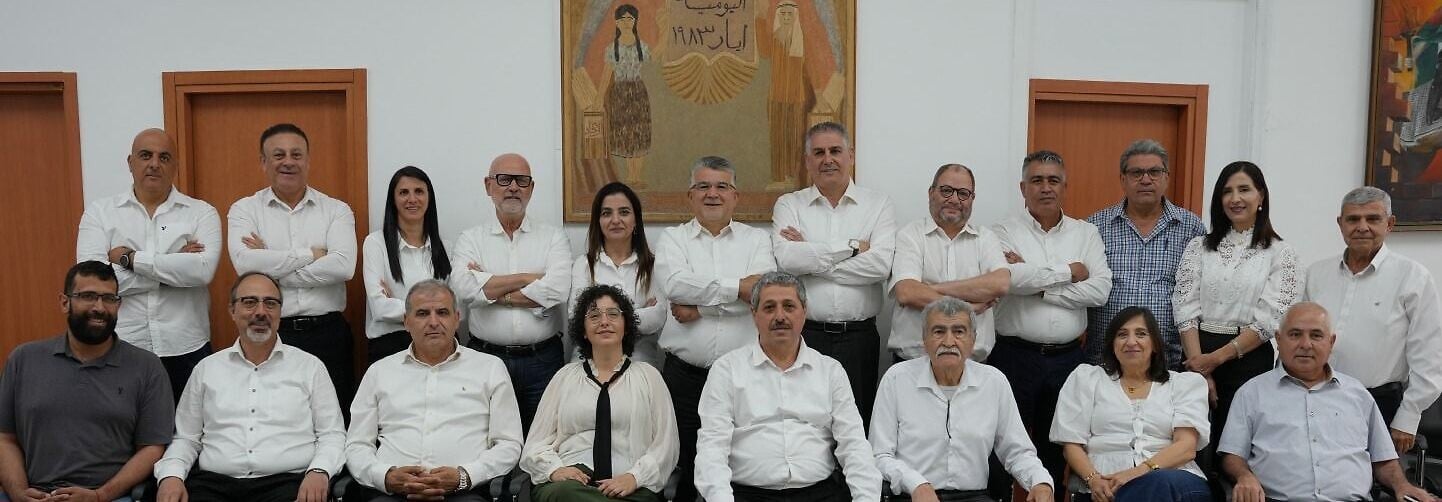
The Arab-majority Hadash party is set to hold internal primaries on Saturday to select its first new leader in over a decade, in a vote expected to bring fresh energy to the faction’s ranks and help invigorate efforts to reunify the country’s four main Arab parties under a single ticket as elections inch closer.
Two of Hadash’s three sitting MKs, including party chairman Ayman Odeh, are stepping down, opening the door to new leadership at a moment when Arab parties are under great public pressure to unite for the upcoming vote. The outcome of the primaries is likely to influence both the prospects of reestablishing the Joint List of Arab parties and the approach such a unified Arab bloc could take toward supporting Zionist parties currently in the opposition in their bid to replace Prime Minister Benjamin Netanyahu and his far-right, ultra-Orthodox coalition.
In a statement announcing the primaries, Hadash described the upcoming elections, currently scheduled for late October, as a “decisive struggle against the Netanyahu-Ben Gvir-Smotrich government and against the deepening of the occupation, abandonment, racism and fascism.”
Saturday’s vote, in which senior party members will choose the top six candidates for the Arab-Jewish party slate, will mark the first party primaries of the 2026 campaign season; only a handful of Israeli parties, including Netanyahu’s Likud and Yair Golan’s The Democrats, use primaries to select their Knesset slates.
It comes as lawmakers from both the opposition and coalition appear poised to dissolve the Knesset and bring the election forward by as much as two months.
Candidates for the Hadash slate had until Thursday to submit their names for the vote among the party’s 966-member National Council, who will cast ballots Saturday in the Arab town of Deir Hanna in the Lower Galilee.
Odeh, who has led the party since 2015, announced in May 2023 that he would remain in office through the end of the current Knesset term but would not seek reelection. He led the Joint List when it first came together in 2015, bringing new political energy to the Arab public, but struggled to hold the alliance’s four parties together in later years.
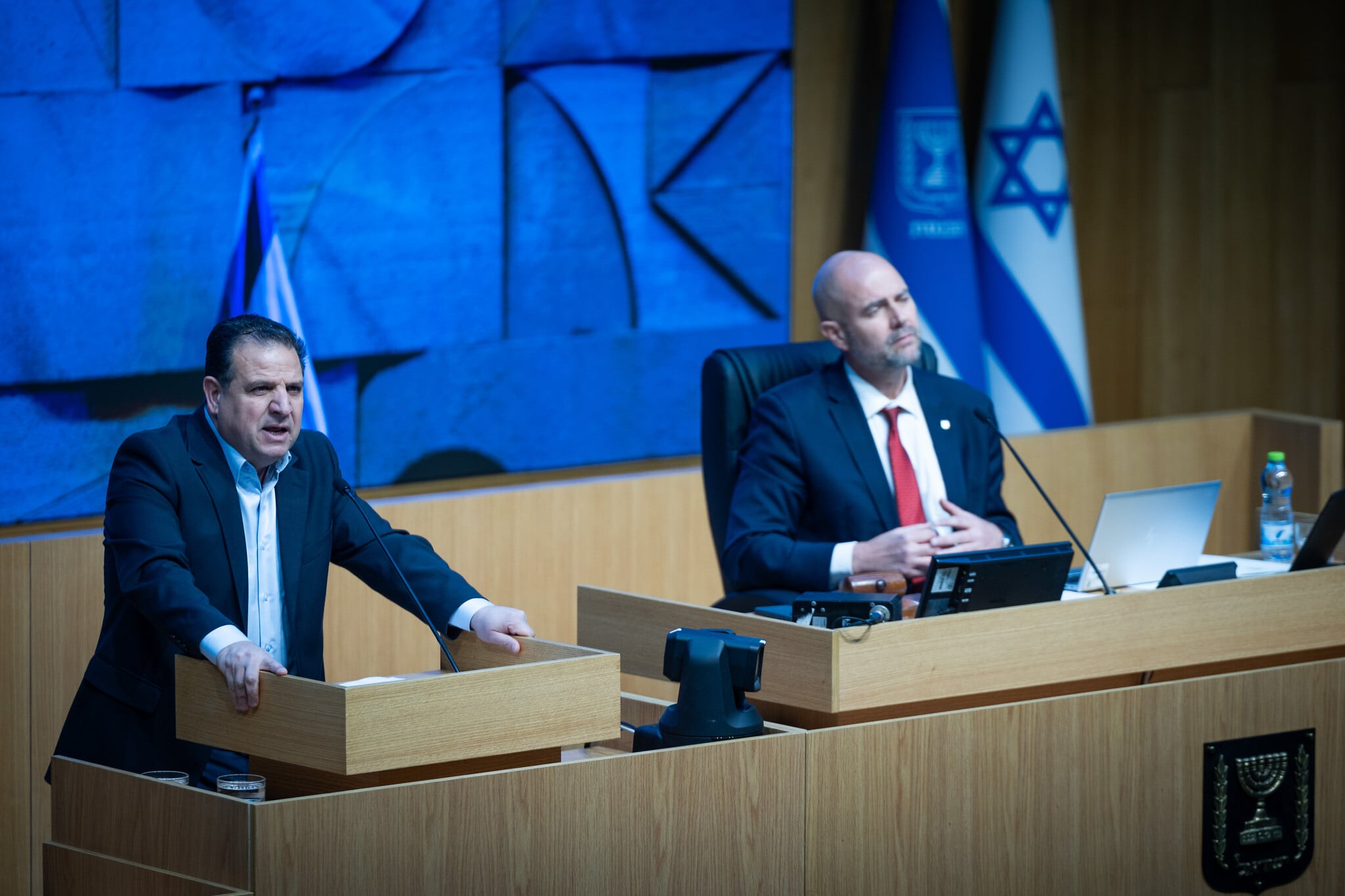
Former MK Yousef Jabareen, who served in the Knesset from 2015 to 2021, when Hadash was part of the Joint List, is widely viewed as the frontrunner to replace him, facing former Nof Hagalil deputy mayor Dr. Shukry Awouda for the top spot.
Jabareen, a legal scholar and longtime Hadash activist, hails from the Arab city of Umm al-Fahm in the so-called Triangle region just south of the Lower Galilee, a densely populated cluster of Arab towns and villages that has increasingly pushed for greater representation within the party.
His rise to leadership would mark a geographic and political shift for the left-wing party, which for years has been dominated by figures from the north and coastal urban centers like Tel Aviv and Haifa, the latter of which is also home to outgoing chairman Odeh.
Activists from the Triangle region have in recent years argued that the area, home to about 250,000 of Israel’s approximately 2 million Arabs and heavily affected by the violent crime epidemic plaguing Arab society, has not been sufficiently represented in the party’s leadership. Jabareen’s election is expected to increase activity and voter participation in the national elections in the important region.
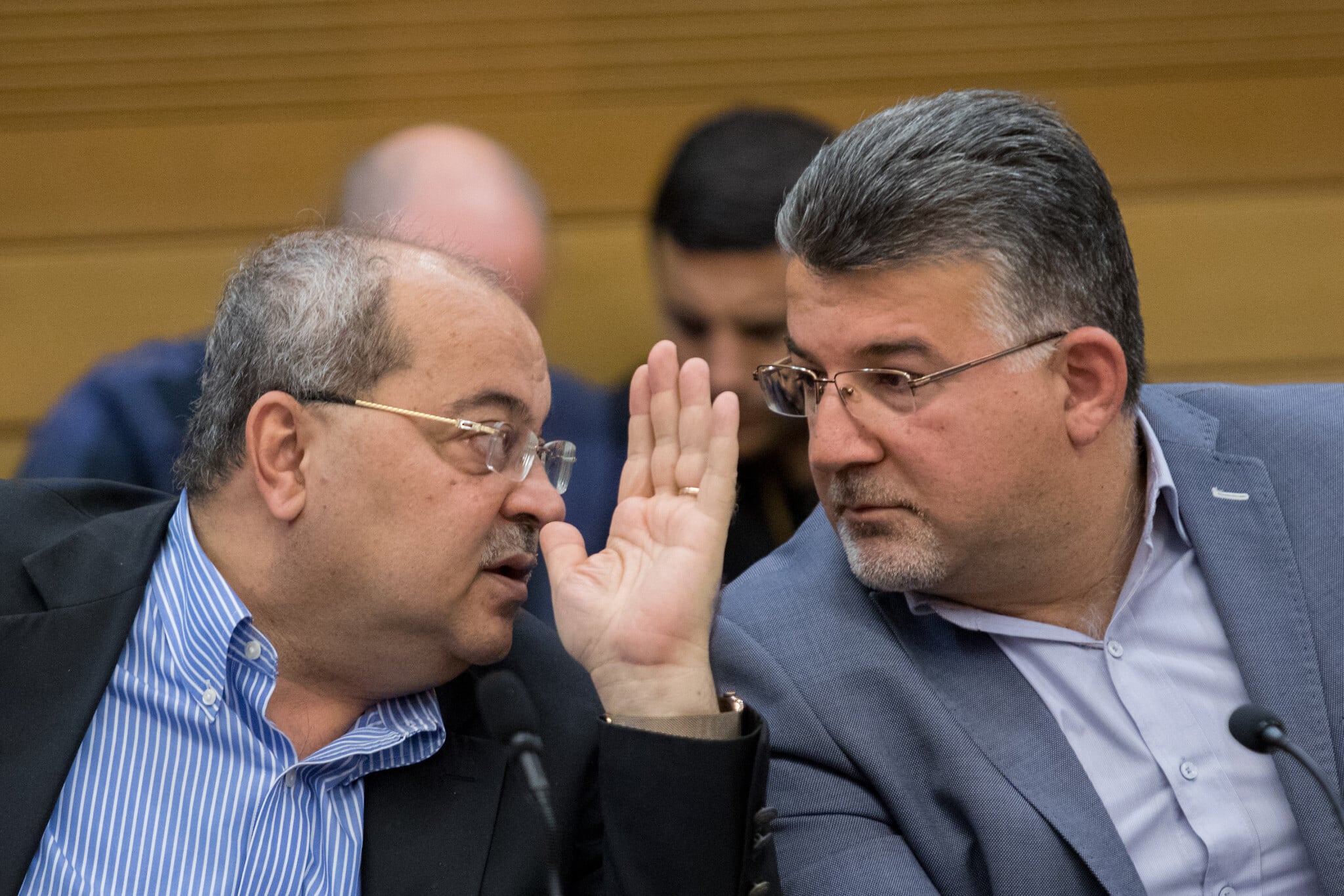
(Olivier Fitoussi/Flash90)
Jabareen’s ascent is part of a broader reshuffling underway within the Communist Hadash, as two of the party’s three current MKs in the party, which allied with the secularist Ta’al party for the last vote in 2022, prepare to leave parliamentary politics.
In addition to Odeh, Hadash number two MK Aida Touma-Sliman is stepping down after 11 years in the Knesset. Among those competing for her slot are human rights activist Jafar Farah, who heads the Mossawa rights group, Nasreen Morqos, and former Kafr Yasif mayor Shadi Shweiri.
Unlike other primaries, which place candidates based on their popularity, Hadash candidates each compete for specific slots only, meaning the primary will consist of six separate races.
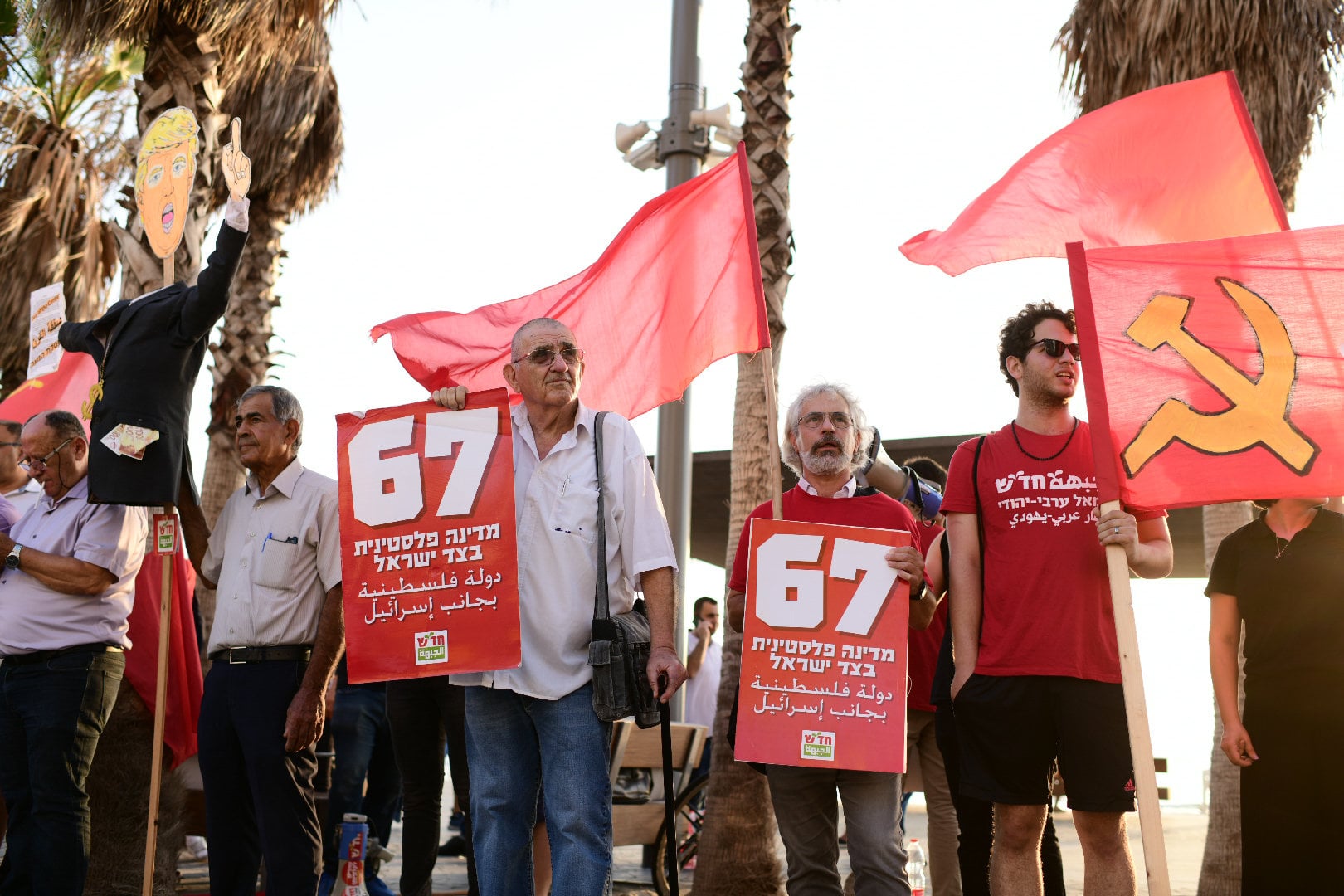
MK Ofer Cassif will face a challenge from party activist Noa Levy for the third spot on the slate, which is customarily reserved for a Jewish candidate.
Candidates competing for the fourth slot include former MK Youssef Atauna, who is considered the frontrunner, and former Arraba mayor Omar Wahad Nasser.
A Bedouin politician from the Negev, Atauna served in the Knesset from 2017 to 2025 before resigning under a rotation agreement between Hadash and Ta’al, which ran together in the 2022 elections.
His likely return to the Knesset, alongside the anticipated rise of Yousef Jabareen from the Triangle region, underscores Hadash’s effort to broaden its appeal beyond its traditional bases and challenge Mansour Abbas’s Islamist United Arab List (Ra’am) for support among Bedouin voters in the Negev.
Accelerant for stalled reunification talks
The leadership shakeup also comes as Hadash seeks to break months of deadlock in negotiations to revive the Joint List and maximize the Arab community’s political power, with party officials hoping the primaries will inject new momentum into the stalled talks.
Historically, the largest and most influential of the Arab factions, Hadash has long championed re-establishing the unified slate of Arab parties. Despite uniting sharply dissonant ideological views, the alliance has a track record of energizing Arab voters and bringing the community unprecedented political influence. At its peak in 2020, it won 15 seats out of 120 in the Knesset, making it the third largest party.
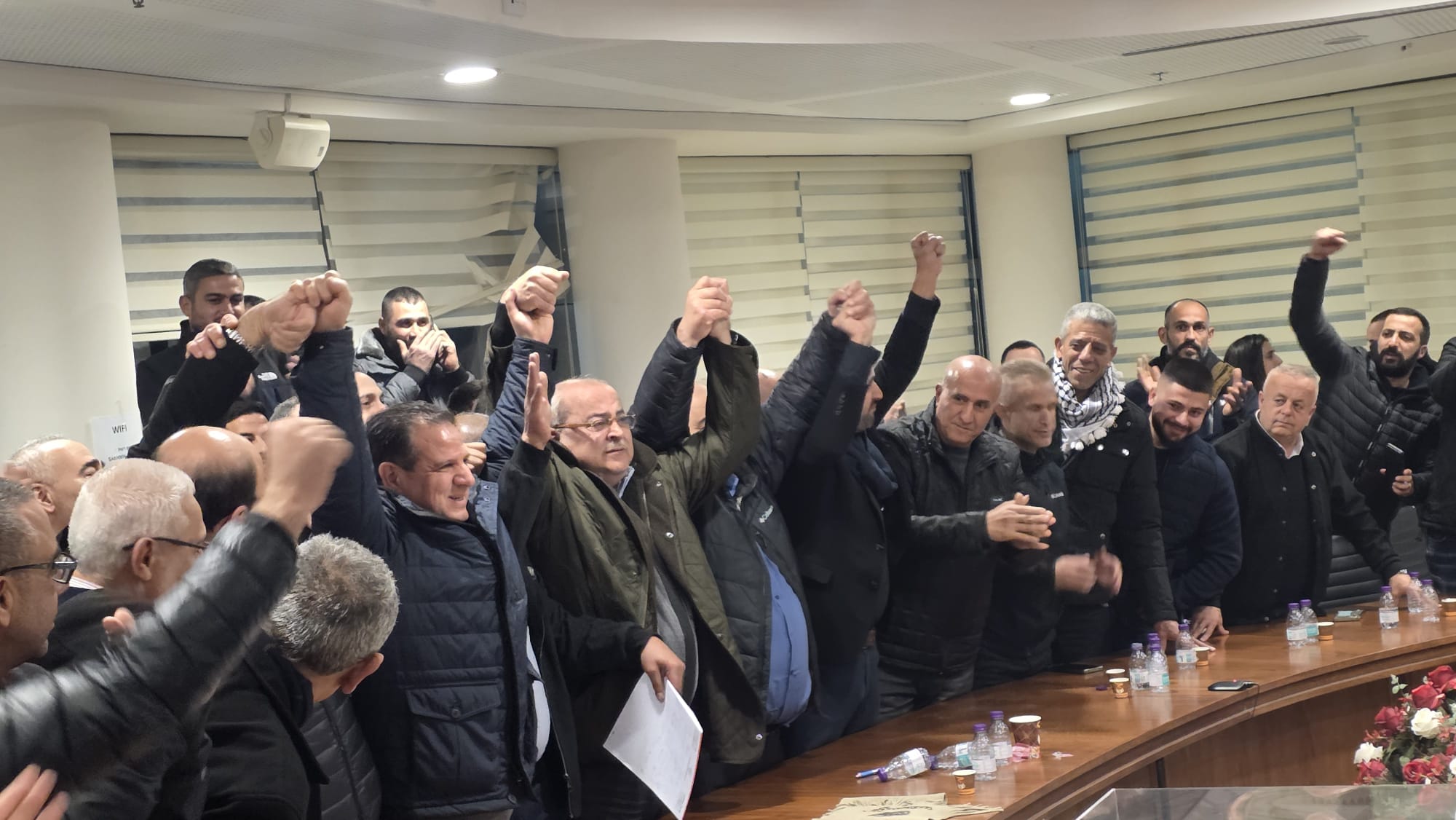
The bloc split due to internal fighting in 2021 when Abbas’s Ra’am broke away to join the short-lived coalition led by Naftali Bennett and Yair Lapid that ousted Netanyahu from power. The joint slate collapsed the following year as the nationalist Balad party pursued an ultimately unsuccessful solo run.
With the Arab public seeking government resources to fight an unprecedented wave of deadly crime plaguing their communities, grassroots pressure has mounted for the revival of the Joint List.
In January, Hadash, Ra’am, Ta’al and Balad signed an agreement committing to work toward a joint run, but more than four months later, negotiations have yielded little progress.
A Hadash source told The Times of Israel on Wednesday that one reason Jabareen is widely favored to lead the party is the belief that he could help move the talks forward. The source described him as “very well respected” both within Hadash and by leaders of the other parties, including Ra’am, and said the “injection of new blood” could help ease longstanding tensions between the factions.
Jabareen has himself been involved in the reunification efforts for months, joining leaders from the other Arab parties last July when party leaders first announced they were formally exploring reviving the bloc. According to a source with knowledge of the matter, Jabareen “speaks frequently with all the other party leaders” and “knows how to bring everyone together.”
Ra’am and the rest
Polls have consistently shown that a reunited Joint List would significantly outperform the Arab parties running separately. Surveys, including those published by Zman Yisrael, The Times of Israel’s sister site, have projected a unified slate winning roughly 12 to 15 seats – likely making it the third or fourth largest bloc in the Knesset — compared to around 10 seats split between them if they run separately, with at least one of the four factions failing to enter the Knesset.
The central dispute in negotiations, according to both Hadash and Ra’am sources, remains Abbas’s insistence that they join up for the election alone, allowing the Islamist party to easily break away after the vote and independently pursue a spot in a governing coalition.
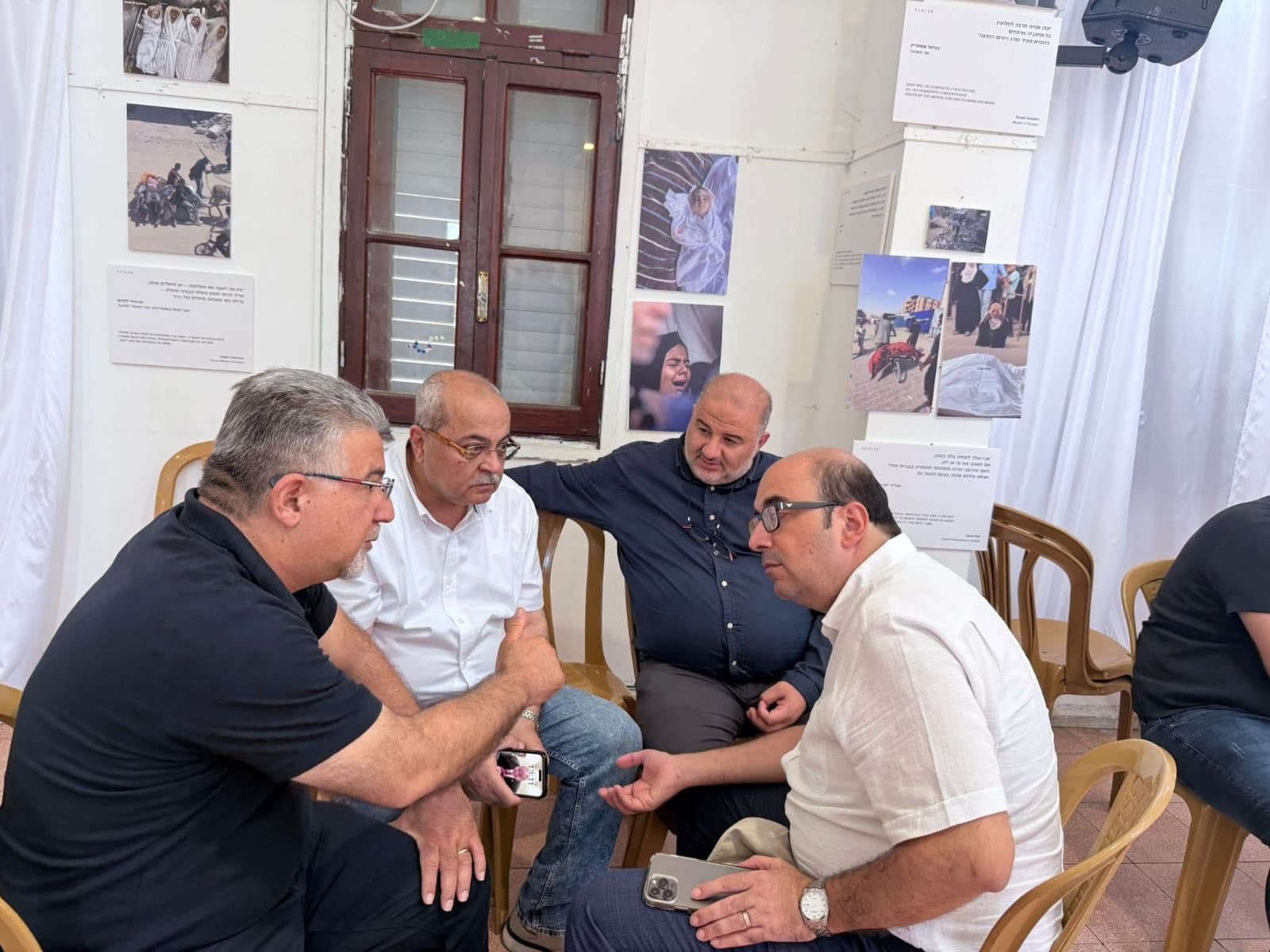
Balad, Ta’al and Hadash are all opposed to formally joining a government, though Hadash and Ta’al are open to the possibility of propping one up with tacit outside support. Ra’am, meanwhile, says it will consider joining virtually any coalition, seeking a seat at the government table, and insists on preserving that option.
Even though most mainstream Zionist parties have said that they would refuse to share coalition power with an Arab party, polls have consistently shown that the neither the Netanyahu-led bloc or a presumed alliance of Zionist parties opposed to him — including former Prime Minister Naftali Bennett and Opposition Leader Yair Lapid’s Together slate, Avigdor Liberman’s Yisrael Beytenu, Yair Golan’s Democrats, and Gadi Eisenkot’s Yashar party — would be able form a government without support from Ra’am.
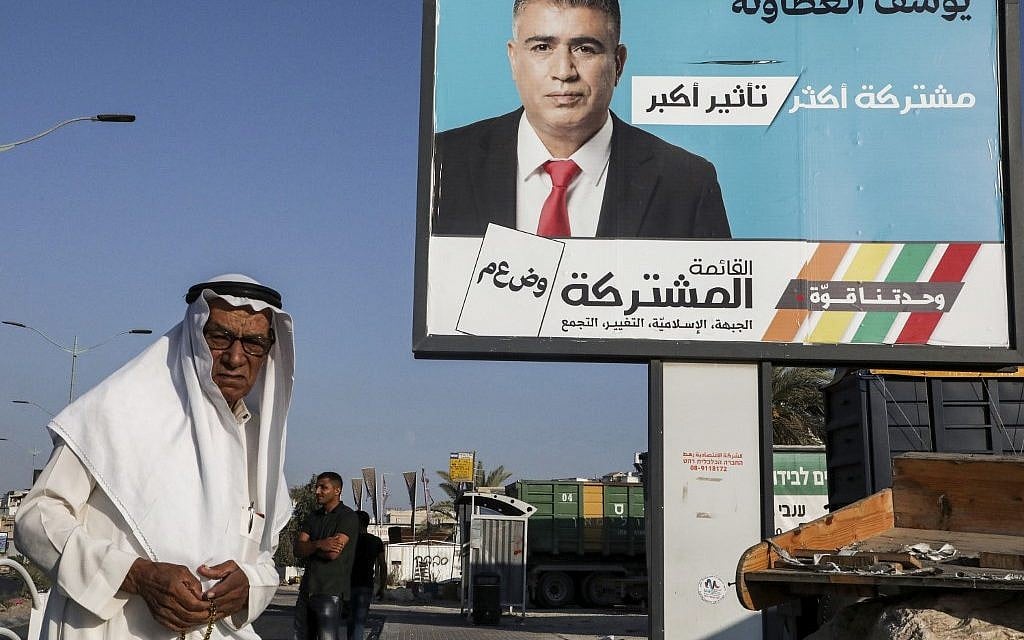
A Hadash source said the other factions oppose a temporary arrangement, known as a technical alliance, partly due to fears that Ra’am could ultimately join a future Netanyahu-led coalition that includes Bezalel Smotrich and Itamar Ben Gvir, which the Arab parties have pledged to topple.
Abbas has publicly rejected suggestions that he is coordinating with Netanyahu. Speaking Tuesday at a conference at Tel Aviv University, Abbas said Ra’am has had “no contact whatsoever with Likud and Netanyahu” and insisted that “we want to replace this government.”
At the same time, however, Ra’am has reportedly demanded that any joint slate agreement include guarantees that the other Arab parties would not work to undermine or topple a coalition the Islamist party chooses to join, a condition the other factions have so far refused to accept, according to a source familiar with the negotiations.
Speaking at the same conference, Abbas appeared to confirm this, saying that Ra’am was prepared to join a “joint, technical and pluralistic list,” but would not accept “a situation in which one party is in the coalition while other Arab parties conduct talks behind closed doors to bring down the government.”
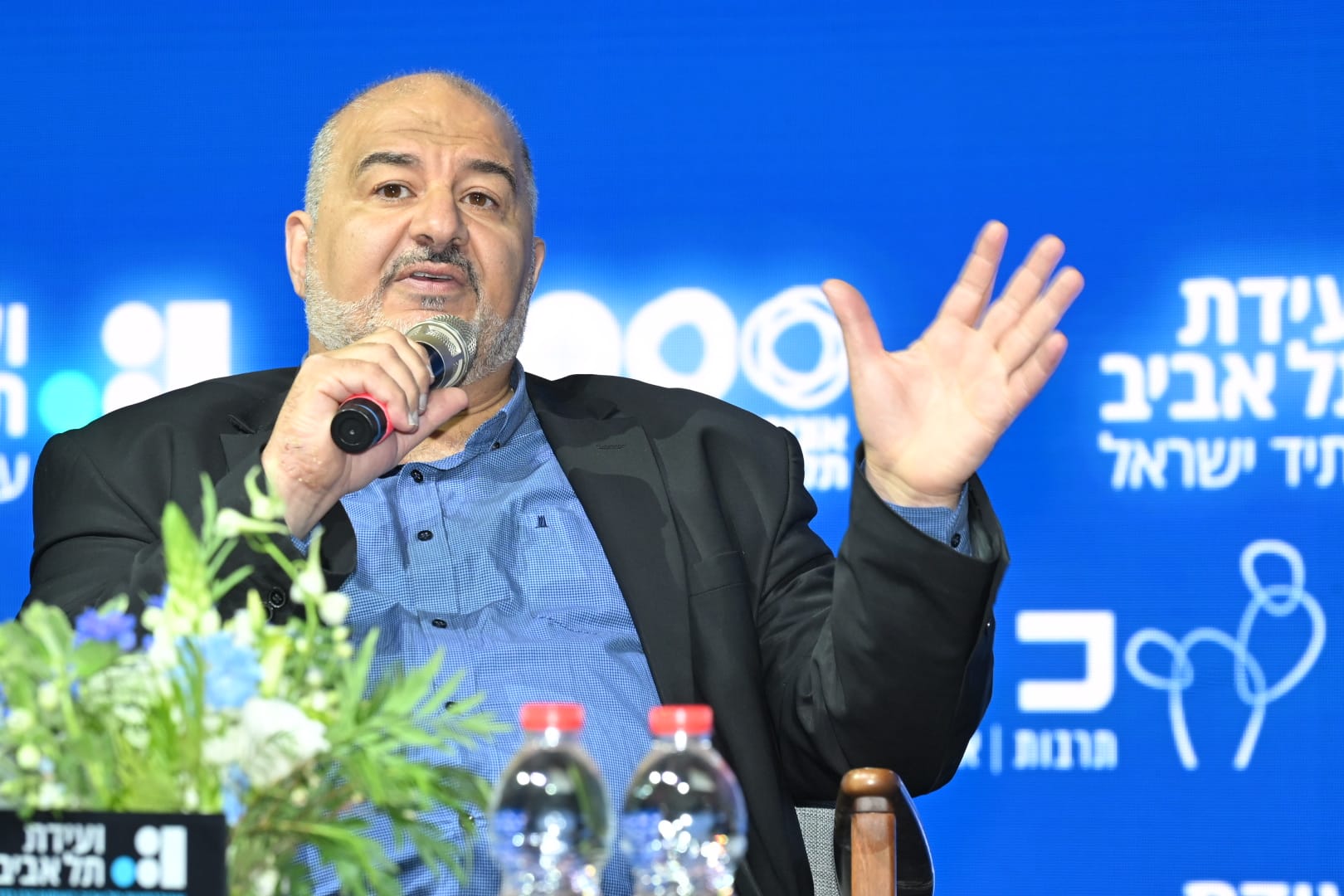
While the other Arab parties are already wary of a temporary technical alliance that would dissolve immediately after the election, they are even more resistant to any arrangement that could limit their ability to oppose a future government, particularly one that includes members of the current coalition.
The dispute has exposed the fundamentally different political calculations driving the negotiations and the seemingly uneven incentives that the parties have for reunification.
Ra’am remains strong independently and is projected in most polls to win roughly six seats on its own, which could position Abbas as a kingmaker in post-election jockeying. By contrast, Hadash and Ta’al are projected to win only four to six seats together, while Balad is polling below the electoral threshold entirely.
According to Hadash sources, however, if Ra’am runs on its own, the three other parties will still join together and could potentially win around seven seats as a unified slate.
At the same time, overwhelming support within Arab society for reviving the Joint List has intensified pressure on Ra’am to compromise and fall in line.
Failing to do so could carry political risks for the party if voters see it as responsible for blocking the reestablishment of the Joint List and keeping Arabs from maximizing their political power. A backlash at the ballot box could jeopardize both its coalition ambitions and its ability to wield real power.





The Times of Israel Community.