

Health Ministry urges calm as more Golan waterways said to be contaminated
Authorities tell vacationers to continue visiting northern reserves but avoid certain rivers and streams, after 60 hikers hospitalized with suspected leptospirosis
 Add ToI as a Preferred Source on Google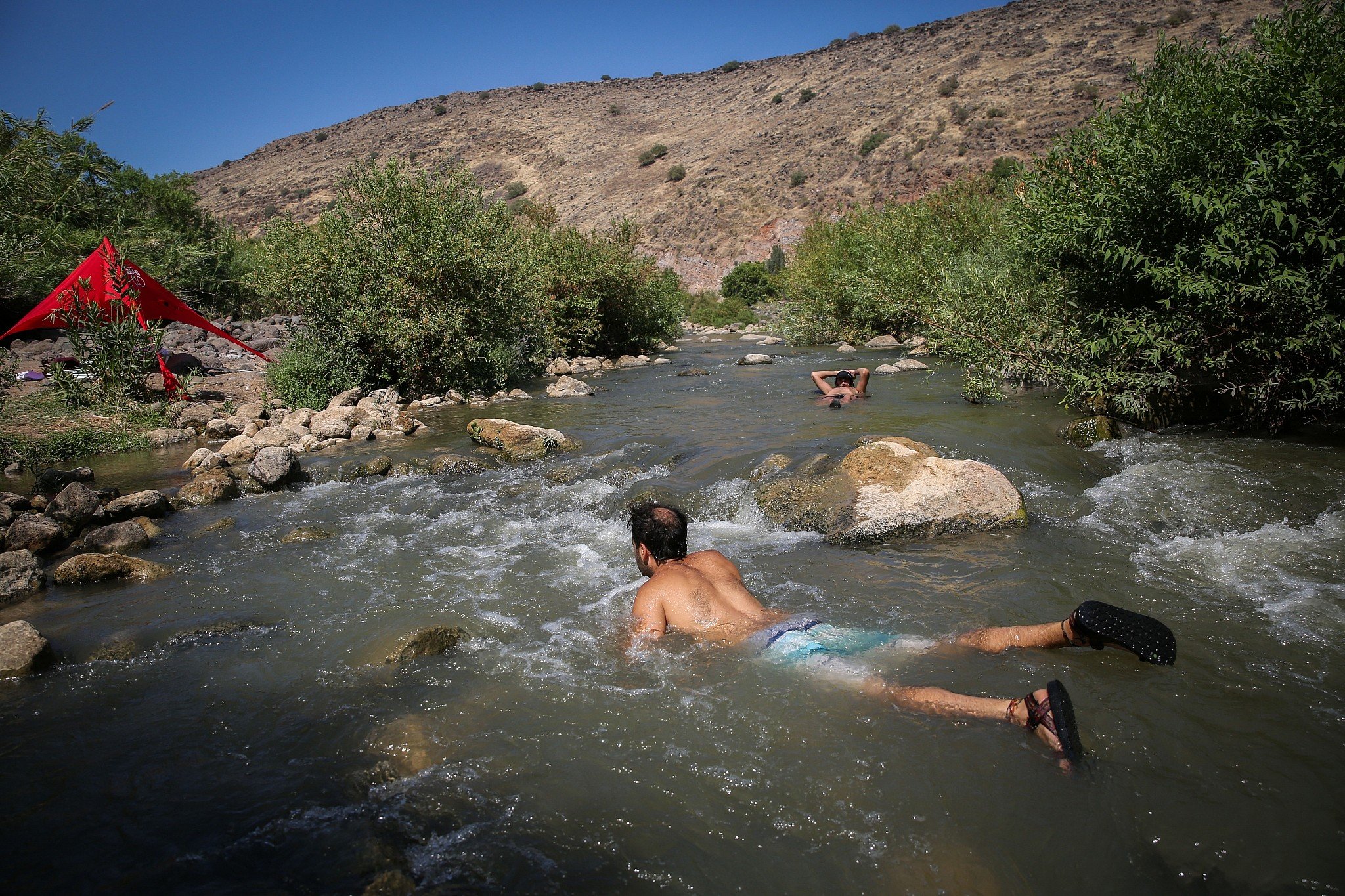
The Health Ministry on Wednesday urged the public to remain calm and encouraged vacationers in northern Israel not to alter their plans, while confirming that additional waterways in the area are believed to be carrying a bacterial infection that has sparked a major scare.
“The Health Ministry wants to calm the public and calls on it to continue as normal with regard to visits to nature reserves and northern Israel,” a statement said. “At the same time, it is important to follow the guidelines as the ministry extends its warnings to additional streams that are forbidden to enter.”
A health official said authorities were considering closing off more rivers and streams in the Golan Heights — including the Jordan River — possibly for months, as more people were hospitalized with symptoms feared to be leptospirosis, a bacterial disease that can be fatal and is transmitted via animal urine.
Waterways currently closed to bathers are Zavitan, Zaki, Yehudia and Meshushim streams, the Jordan River in the area of Jordan Park, Betekha and Bethsaida in the Majrasa, the Daliot River estuary and the Jilbon River.
In the statement, the ministry instructed visitors to follow signs at the sites, but stressed there was no indication of infection elsewhere.
“You may continue to visit the rest of the sites as normal,” it said.
The ministry said most people who bathed in the infected rivers would not be affected. However, the statement said that anyone who experienced flu-like symptoms within three weeks of having visited the waterways in the north should see a doctor.
Earlier in the day, Prof. Itamar Grotto, deputy director-general of the Health Ministry, told the Ynet news site that the Jordan River and its tributaries — the Hasbani River, Banias stream and Dan River — could be contaminated.
However, after lab results from several streams came through, the Health Ministry said only the waterways listed had been affected.
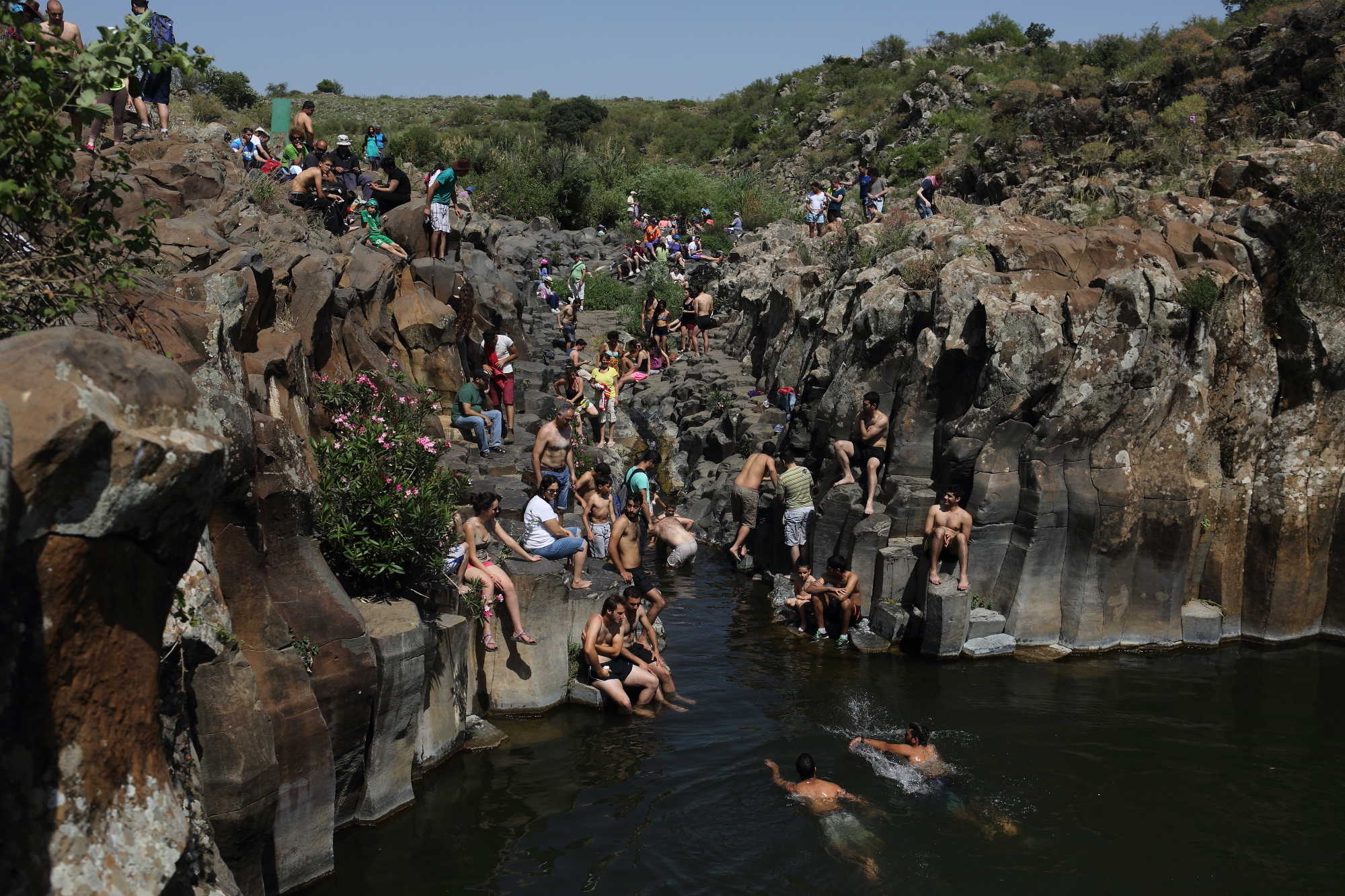
Grotto said only strong currents due to significant rain could rid the waterways of the contamination.
Asked if access to the streams could be blocked until December or January, Grotto said, “It’s possible, maybe there will be rain before that, I don’t know.”
On Wednesday, a central Israel hospital said that five teenagers had arrived with suspected leptospirosis after kayaking in the Jordan River, raising concerns that one of Israel’s main water bodies had been contaminated.
The Mayanei Hayeshua Medical Center in Bnei Brak said the high school students, 14 to 17 years old, had fallen ill two weeks after visiting the kayaking site north of the Sea of Galilee, and it was expecting more patients to arrive with similar symptoms.
In response, kayaking company Abu Kayak criticized the hospital for its “irresponsible announcement,” which had caused damage to its business and “defamed” the firm.
“The water hasn’t been examined and there is no indication this is leptospirosis,” it said in a statement.
The Health Ministry confirmed on Tuesday that at least 12 people had been diagnosed with the disease, and more than 50 others are awaiting test results to establish whether they have been infected.
Leptospirosis is transmitted to humans via the urine of mammals, usually from rats or mice, but also dogs, deer, cows and sheep. While the bacteria do not harm the host animal, in humans they can cause flu-like symptoms, including fever and chills, intense headaches, stomach pain and conjunctivitis, in milder forms. In a more severe form, it can degenerate into Weil’s disease, which causes liver damage, kidney failure, bleeding in the lungs and meningitis, and can been fatal if left without treatment.
Health experts quoted by Ynet said they suspected the outbreak of the disease was caused by the large number of wild boars in the Golan Heights, coupled with a persistent drought in recent years that has driven them to huddle continuously next to streams and urinate in them.
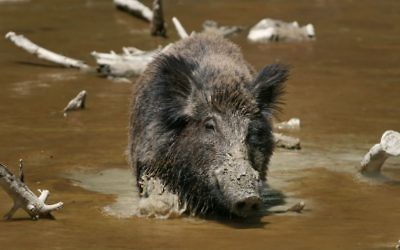
Dr. Doron Tiomkin told the outlet that there have been many recent cases of pregnancy loss among cows in the Golan, and that the cause has been determined to be various forms of leptospirosis, particularly a strain that originates in wild boars and other wild animals.
Meanwhile, one of Israel’s main mineral water companies, Mey Eden, said it has stopped pumping water from one of its sources, the Salukia Spring in the Golan, after the water was found to be contaminated in recent days.
But the company denied reports that the infection has affected its supply to customers, saying it was continuing to market water as usual from water tanks in its factory in the town of Katzrin.

The Health Ministry has previously called on anyone who swam in the infected streams on or after July 1, and who has had a fever of more than 38ºC in the past three weeks, to see their family doctor as soon as possible.
Other symptoms mentioned by the ministry — also typical of the common flu — are headaches and muscle pain. Some may also suffer liver or kidney diseases, it added.
Stuart Winer and Michael Bachner contributed to this report.










The Times of Israel Community.