

High Court suggests government retreat from bid to fire AG under new process
Judge Sohlberg indicates for second time in as many weeks that the court views dismissal mechanism that the government designed specifically to axe Baharav-Miara as problematic
 Add ToI as a Preferred Source on Google
Jeremy Sharon is The Times of Israel’s legal affairs and settlements reporter

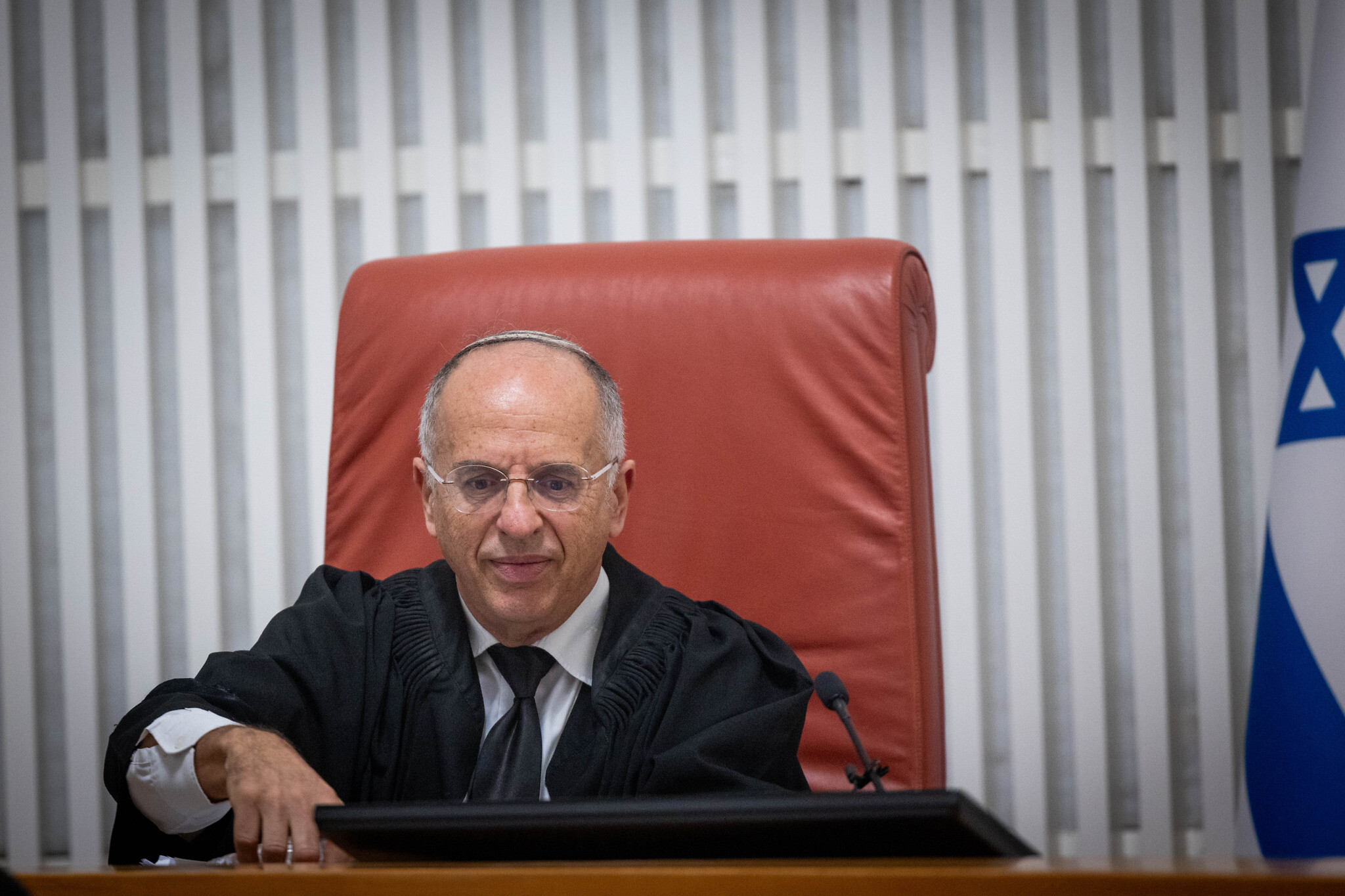
The High Court of Justice suggested on Tuesday that the government should consider going back to a process for firing the attorney general adopted in 2000, likely indicating that it does not support a process innovated by the government to bypass the established mechanism to fire current Attorney General Gali Baharav-Miara.
Judge Noam Sohlberg’s comments were included in his decision rejecting a request by petitioners seeking an urgent hearing on the government’s intention to hold a vote to fire Baharav-Miara in short order.
“Perhaps it would be right to consider — to reduce division in these days — returning, essentially, to the framework for ending the tenure of the attorney general as laid out in the report of the public committee for examining the methods of appointing the attorney general,” wrote Sohlberg in his decision on Tuesday.
Sohlberg was referring to the Shamgar Committee, which issued a series of recommendations for how to hire and fire the attorney general in 1998, which were adopted in a cabinet resolution in 2000.
That included appointing the attorney general through a public, professional committee headed by a retired Supreme Court judge, and which also included a former attorney general or former justice minister; a representative of the Israel Bar Association; a legal academic from a law faculty of one of Israel’s universities; and a member of Knesset.
Under that resolution, if a government sought to fire an attorney general, it was required to seek the advice and recommendation of the same committee as to whether there were grounds for dismissal.
In March this year, the government initiated the process of firing the attorney general under the terms of the 2000 resolution, but was unable to find a former attorney general or justice minister who would sit on the committee.
The cabinet then passed a resolution in June to supersede the 2000 measure and establish a five-member ministerial committee that could make the recommendation to fire Baharav-Miara instead of the public panel under the old system.
Last week, the ministerial committee recommended that the government fire the attorney general. The cabinet was expected to hold a vote on firing the attorney general on Sunday, but the scheduled meeting was canceled.
A vote on the issue could be brought to the cabinet next Monday.
Sohlberg has already ruled that if the cabinet does vote to fire Baharav-Miara, the decision will not come into effect until the High Court issues a ruling on petitions against the new dismissal process.
When issuing that decision, Sohlberg indicated the court views the new dismissal process as problematic, stating that he was making his ruling in light of “difficulties highlighted by the petitioners” and “the apparent chances of the petition.”
The government, however, is already formulating a plan to circumvent any such ruling. The Times of Israel understands that Justice Minister Yariv Levin expects the government to stop working with Baharav-Miara once the cabinet votes to fire her, despite Sohlberg’s ruling that the decision will not go into effect until after the court rules on the matter.
As part of the boycott, Baharav-Miara will no longer be invited to cabinet meetings and security cabinet deliberations.









The Times of Israel Community.