

High Court to hear petition against snubbing of opposition on judicial panel
Movement for Quality Government warns denying a seat to the opposition on committee that selects judges means more ‘political considerations’ in the appointments process
 Add ToI as a Preferred Source on Google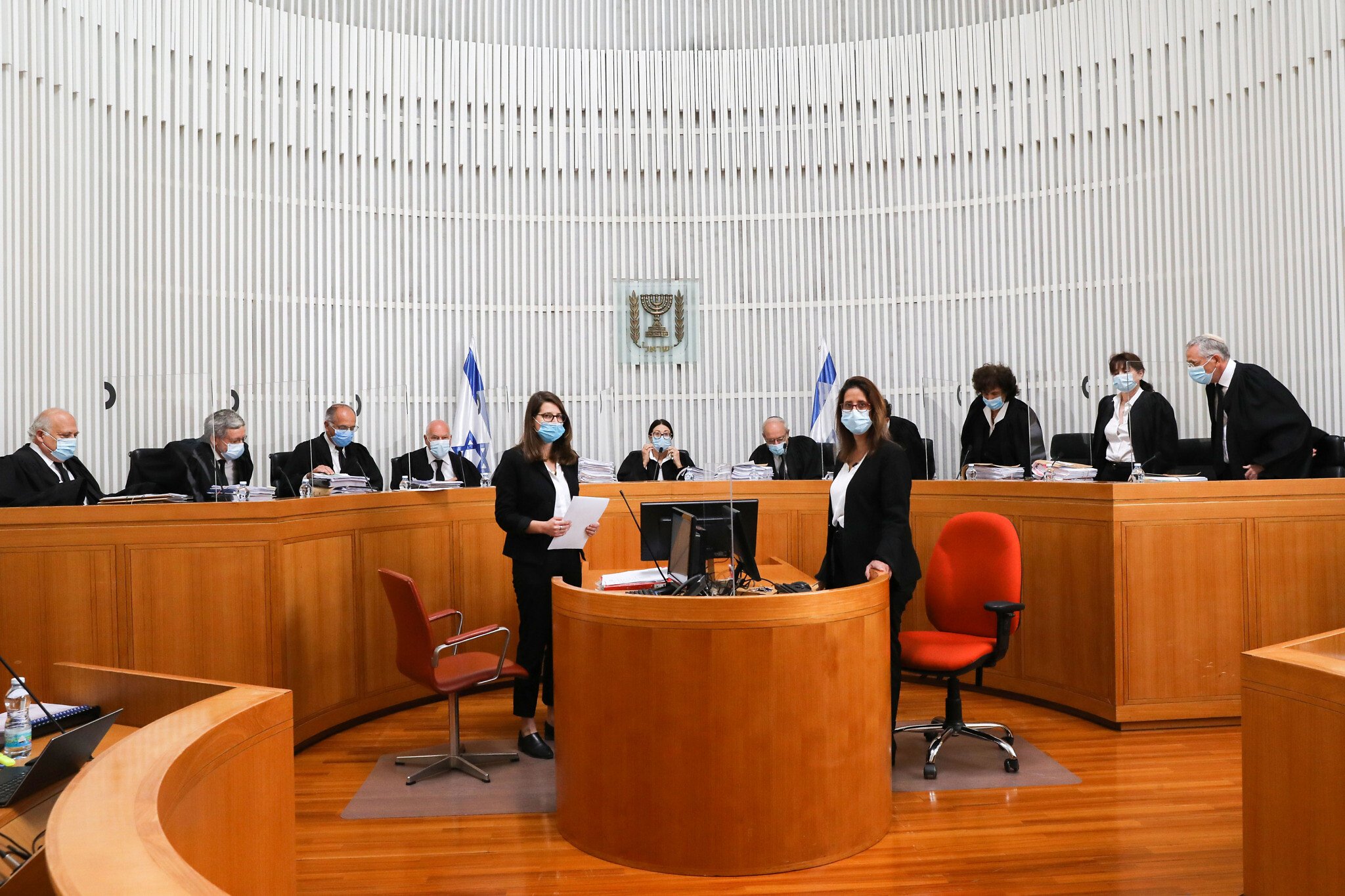
A corruption watchdog petitioned the High Court of Justice on Thursday against the newly chosen representatives of the Knesset on the panel that appoints Israel’s judges.
The Knesset on Wednesday elected MKs Zvi Hauser (Blue and White) and Osnat Mark (Likud) to the nine-member Judicial Appointments Committee. Both are members of coalition parties.
The vote is a break from the tradition that one MK appointed to the committee represent the coalition and the other represent the opposition.
A 2017 High Court ruling by Justice Neal Hendel suggested that the requirement to have an opposition MK on the committee, though not set down in any written statute, may amount to a binding “constitutional custom.”
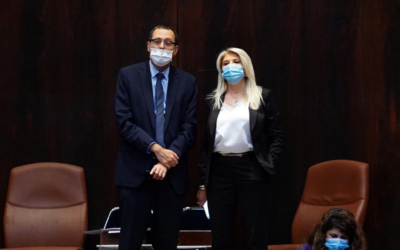
“Electing representatives from the coalition alone undermines the constitutional balance achieved by the makeup of the Judicial Appointments Committee, and will give added weight to the coalition and to political considerations in the judicial appointments process,” the petition from the Movement for Quality Government warns.
The group’s chairman, Eliad Shraga, told Army Radio that the Knesset vote risked “denying the opposition the right to influence the committee’s work.”
Under a 2002 law, the nine-member committee is made up of two representatives of the Knesset, two representatives of the cabinet (one, the justice minister, chairs the committee), two representatives of the Israel Bar Association and three representatives of the Supreme Court.
That makeup, and the rule that appointments to the Supreme Court require seven votes, means that the Supreme Court’s three justices can essentially have a veto on appointments to the court if they vote together, as a seven-vote majority cannot be reached without at least one of them.
The executive branch also has a veto, since it is represented by at least one MK and both cabinet ministers.
But in the current unity government, those coalition votes are divided between right-wing representatives and centrist ones. Transportation Minister Miri Regev represents the conservative view, while Justice Minister Avi Nissenkorn represents the centrists. That split means that the right has lost its three-member bloc that can prevent the appointment of so-called activist judges it dislikes.

To restore that three-member rightist bloc, Likud obtained Blue and White’s acquiescence in the two parties’ coalition agreement that both Knesset representatives hail from the right. Besides Likud’s Mark, Hauser belongs to the centrist Blue and White half of the coalition, but is a former Likud cabinet secretary and a conservative on judicial issues.
If the High Court accepts the Movement for Quality Government’s appeal, striking down the Knesset vote, it could trigger a new vote — or the replacement of either Hauser or Mark with the third-place finisher in Wednesday’s election, Yesh Atid MK Karine Elharrar.
Elharrar is considered a leftist when it comes to judicial appointments. Her posting to the committee would once again remove the right’s ability to veto appointments.
The fourth-place finisher on Wednesday (four candidates competed for two slots) was Yamina MK Ayelet Shaked, a right-wing conservative who hails from the opposition. If the High Court pushes Hauser or Mark off the committee, the right-wing factions may back Shaked, ensuring both a three-member right-wing bloc and representation for the opposition on the committee.








The Times of Israel Community.