

High Court urges compromise in Sde Teiman leak investigation ‘for sake of public’
Justices challenge legality of Levin’s appointment, but assert state attorney has conflict of interest; court suggests district court judge as option for overseeing probe
 Add ToI as a Preferred Source on Google
Jeremy Sharon is The Times of Israel’s legal affairs and settlements reporter
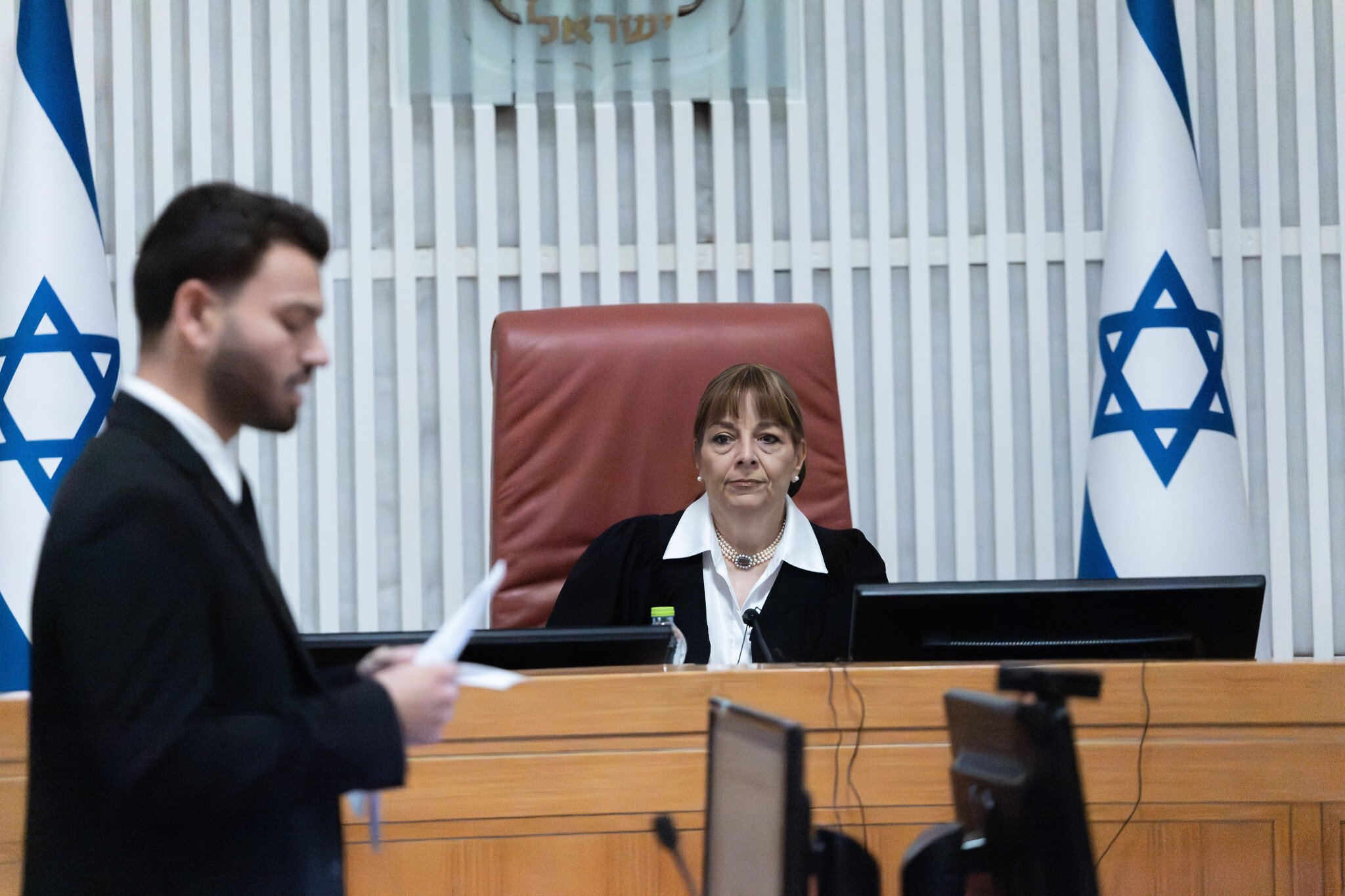
The High Court Justice “implored” the opposing sides in the petitions over the investigation into the Sde Teiman video leak affair to come to a compromise agreement over who will oversee the criminal probe into the scandal, following a lengthy court hearing on Tuesday.
The court had sought a compromise by 5 p.m., but said it would wait into the evening for the sides to reach an agreement after the deadline passed.
Speaking to the attorneys for the parties to the petition, Justice Yael Willner said one option for compromise was for the opposing sides to empower the court to appoint either a serving or retired district court judge, or a retired Supreme Court judge, to oversee the investigation.
Another option Wilner said was to empower the Israel Securities Authority or the Israel Competition Authority to conduct the investigation.
Willner’s appeal for a compromise on these lines essentially confirmed that the court will not approve Justice Minister Yariv Levin’s appointment of State Ombudsman for Judges Asher Kula to oversee the investigation, but equally will not approve the attorney general’s position that the state attorney will take up the task.
“We implore you from the public’s perspective to reach an agreement,” said Willner, in reference to how politically and societally charged the Sde Teiman leak affair has become.
“Deliberate on it until white smoke comes out. We will wait for you here until five o’clock, until six o’clock, seven o’clock and even later. Just reach an agreement.”
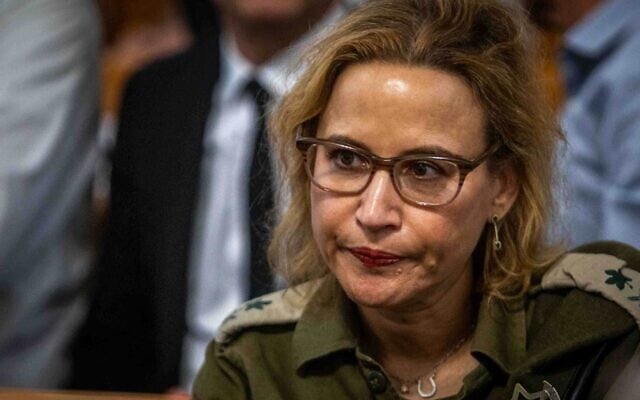
During the course of the hearing, the judges found legal problems with the actions of all parties in the fight over who will have ultimate authority over the criminal investigation.
The judges strongly challenged Levin’s intervention in the investigative process by unilaterally appointing Kula to head the investigation, while also sharply questioning the authority under which he took this action.
But the court also asserted that Attorney General Gali Baharav-Miara had a conflict of interest in delegating a lead prosecutor, and strongly implied that her pick, State Attorney Amit Aisman, would also have a conflict of interest in accepting the role.
The legal conflict over who will have authority over the criminal investigation into the leak — and the alleged cover-up — has sparked a severe political furore in Israel and laid bare the country’s ongoing societal divides over its law enforcement and justice systems.
The government and its right-wing supporters have accused the law enforcement agencies of being a law unto themselves while persecuting the soldiers at the heart of the abuse allegations, while elements of the opposition and its backers have accused the government of taking advantage of the Sde Teiman video leak to further undermine the already embattled attorney general, and the rule of law more broadly.
The hearing was held to address several petitions regarding the Sde Teiman affair, in which former military advocate general Yifat Tomer-Yerushalmi has admitted to having authorized the leak of a video of surveillance footage from the Sde Teiman military detention facility purportedly showing abuse by IDF soldiers of a Palestinian security detainee.
Tomer-Yerushalmi is suspected of the unlawful disclosure of investigative material and breach of trust in connection with the actual leak, as well as abuse of her office and obstruction of justice in relation to suspicions she tried to cover up the leak.
Following Tomer-Yerushalmi’s confession, Levin told Baharav-Miara he was removing her from oversight over the investigation, and appointing Kula to oversee the criminal probe due to what he said was her conflict of interest in the case.

Baharav-Miara initially refused to step aside but eventually was forced to do so when the Justice Ministry’s legal adviser found her to have a conflict of interest, but insisted that State Attorney Amit Aisman oversee the investigation, not Kula.
During Tuesday’s hearing, the judges pointed to significant problems with the positions of either side of the imbroglio.
Critically, the judges pointed out that the Law for the Ombudsman for Judges explicitly bars him from taking any other role or job.
“The problem is that as ombudsman there is a clause in the law which says he can’t do any other job, either directly or indirectly,” noted Willner, and was backed by Justice Alex Stein, who made the same point.
Wilner also asserted that the ombudsman for judges has an apparent conflict of interest in overseeing a criminal investigation and prosecution, since he could potentially file an indictment which would be dealt with by judges over whom he has authority as ombudsman.
The judges also challenged Levin’s use of Clause 23 in the 1959 Law for the Civil Service (Appointments) to appoint Kula.
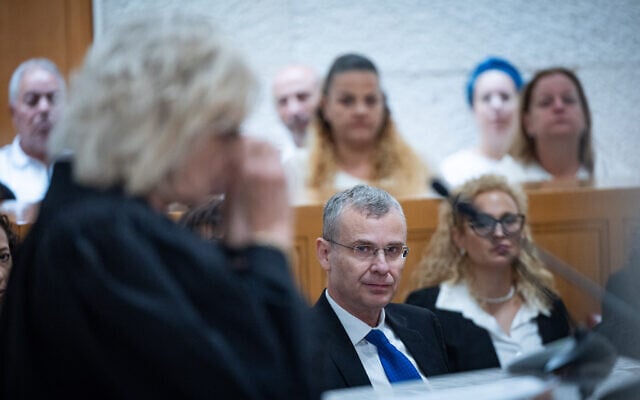
Judge Gila Canfy Steinitz opined that Levin’s move “was certainly intervention” into the criminal justice process, something to which the attorney general, in her submission to the court, said violated basic principles of the independence of law enforcement agencies.
Willner noted that Levin’s use of Clause 23 to appoint an external prosecutor in a criminal investigation was unprecedented, and challenged Levin’s attorney Zion Amir to present a single example of such use of the clause in the past, which he failed to do.
But Willner and Canfy Steinitz also challenged the representative for the Attorney General’s Office as to why Aisman did not also have a conflict of interest in the investigation, since he too was involved in meetings regarding the military advocate general’s internal probe.
And Willner questioned the notion that Baharav-Miara had the authority to delegate Aisman to head the investigation, referencing the fact that such authority is not stated in law.
She also pointed out that if Baharav-Miara had a conflict of interest in overseeing the investigation, by extension she also had a conflict of interest in choosing who should have oversight.






The Times of Israel Community.