

Hospital finds five stillborn fetuses were never returned to families for burial
Eilat’s Yoseftal Medical Center says it was only recently made aware that remains sent to lab for autopsies in separate incidents five-to-eight years ago weren’t returned
 Add ToI as a Preferred Source on Google
Michael Horovitz is a breaking news editor at The Times of Israel
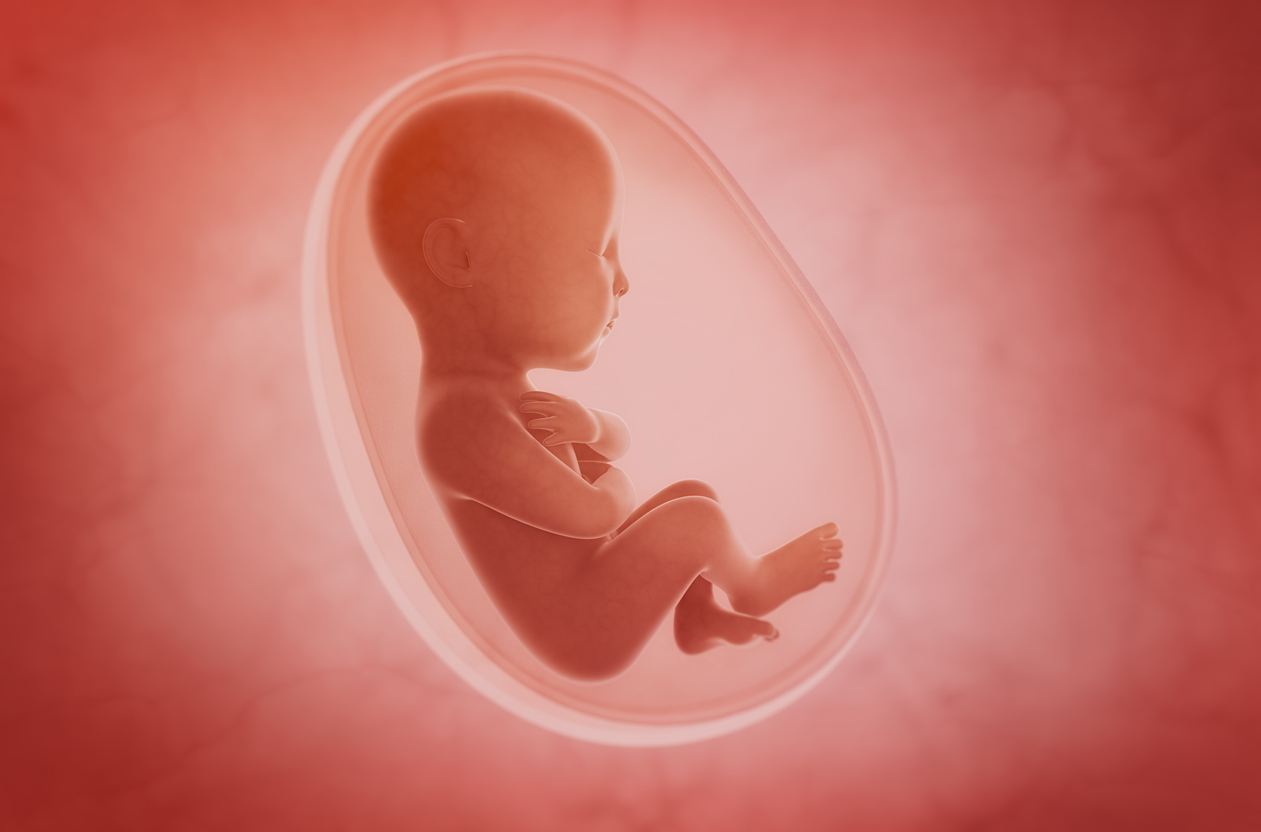
Five stillborn fetuses at Eilat’s Yoseftal Medical Center over the past decade were never returned to their families to be buried, the hospital revealed Tuesday.
The fetuses were transferred to a pathology lab at Ness Ziona for autopsies but never released, in incidents occurring between five to eight years ago. The hospital stated it was only recently made aware of the oversight, without elaborating.
It was unclear what prompted the hospital’s statement, and if any of the families had complained.
The medical center admitted that it filed a report on the matter with the Health Ministry and contacted the families.
“The hospital is conducting a comprehensive investigation with the laboratory to clarify the details and expresses regret over the incident,” Yoseftal’s statement said.” The hospital provided a professional team, including a specialist doctor, social worker and others, to support them and accompany them as needed.”
In a separate case of medical neglect, the Health Ministry summoned senior officials at the Assuta Medical Center for a hearing Monday, saying that following a series of mix-ups, it is considering shuttering the in vitro fertilization (IVF) department at the hospital’s branch in Tel Aviv.
The hearing came after it was revealed last week that testing had found that a child born through in vitro fertility treatment in 2018 may not be genetically linked to his father.
The suspected incident occurred at Assuta Hospital in Ramat HaHayal. Last September, a woman discovered that her embryo had been mixed up at the hospital’s Rishon Lezion branch. She and her husband waged a months-long legal battle against potential biological parents to keep the baby, Sophia, who was born in October.




The Times of Israel Community.