

IDF will no longer draft immigrants aged 22-26
Six-month service for new Israelis more hassle than it was worth, army officer says; those interested in serving may still volunteer
- See more Times of Israel on Google - add us as a Preferred Source
Judah Ari Gross is The Times of Israel's religions and Diaspora affairs correspondent.

The IDF will no longer draft new immigrants aged 22 to 26, in a bid to make their integration into Israeli society easier, an army official said Tuesday.
In the past, men who moved to Israel — or made aliyah, as the process is called in Hebrew — were required to serve a minimum of six months in the Israeli army. Women were exempted from service if they arrived after the age of 20.
But with this change in IDF policy, which was first announced by the Knesset on Monday, men under the age of 26 will no longer be required to serve at all, but will still be able to volunteer if they so choose, according to the deputy commander of the army’s enlistment unit, Lt. Col. Nimrod Arzuan.
“We’re leaving the option up to the individual,” Arzuan told The Times of the Israel over the phone.
Despite requiring fewer people to enlist in the army, Arzuan does not foresee this new measure taking a serious toll on the overall number of recruits, as many new immigrants already volunteer to extend their army service.
The new policy works towards the IDF’s overall goal of encouraging people to move to Israel, Arzuan said.
‘We’re leaving the option up to the individual’
As a people’s army, the IDF is tasked with helping new immigrants — olim, as they’re known in Hebrew — integrate into society, providing soldiers with Hebrew instruction if their knowledge of the language is weak or Jewish history education for those interested in learning more about the culture.
“The policy of drafting new olim is supposed to support and encourage aliyah,” Arzuan said. “We see IDF service as a central tool in acclimating immigrants to the Israeli society and a tool for absorption into the country.”
For some of the thousands of immigrants who join the IDF each year, the required six month army service can be more of an obstacle than a boon towards integration into society, Arzuan said.
People who come to Israel, hoping to find work or start a university degree, can have their plans derailed, as they are forced into “ineffective” army service, he said.

With only a six month service, new recruits are unable to take on more useful and challenging roles, as the amount of time that would be required to train the soldiers can sometimes be longer than their time in the actual position. Many new immigrants, therefore, serve in menial positions for their half-year service, staffing warehouses or doing maintenance.
The benefit of that work, important and necessary though it may be, is far outweighed by the cost to the 24- or 25-year-old college graduate who is looking to start a job and a family in Israel, Arzuan said.
As a result of this assessment, earlier this summer the head of the IDF’s manpower planning brigade decided to do away with the six month service requirement. The army held off on formally announcing the decision, however, as the Knesset and the military’s Manpower Directorate were still discussing other related aspects of new immigrants’ army service.
The Knesset, however, announced the decision in a statement on Monday morning, following a discussion in the plenary’s Committee for Immigration, Absorption and Diaspora Affairs.
Though many new immigrants will now be exempt from army service, the IDF not only believes this new policy won’t seriously impact the overall manpower, but that it won’t even reduce the total number of immigrant recruits.
“In fact, we expect the opposite,” Arzuan said.
There has been an increase in the number of Jewish people moving to Israel in recent years, so the total number of immigrants joining the IDF will go up, Arzuan said.
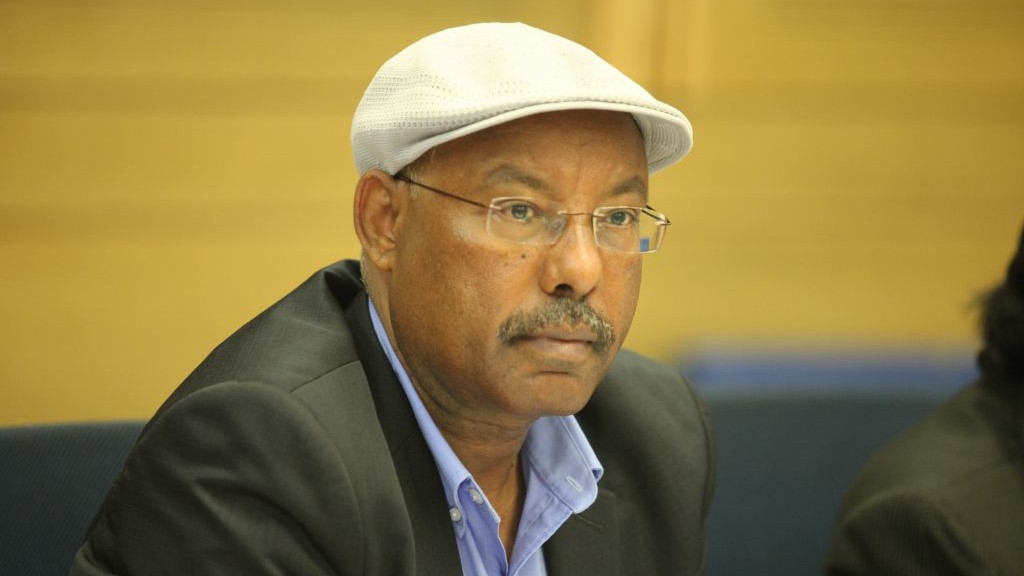
Over 30,000 people immigrated to Israel in 2015, and with a “deteriorating reality in Europe” that number is only expected to rise, Avraham Neguise, chairman of the Knesset committee, said Monday.
Many of those who will be exempt are still expected to volunteer, Arzuan said.
“We just had [a new immigrant] who went into project management in the air force,” Arzuan said. “Despite the fact that he was not required to serve, he signed on for 24 months.”
And this is not exceptional, Arzuan said. “The majority of people sign on for longer service than what is required. People who were required to serve six months got to the enlistment center and extended their service to two years.”
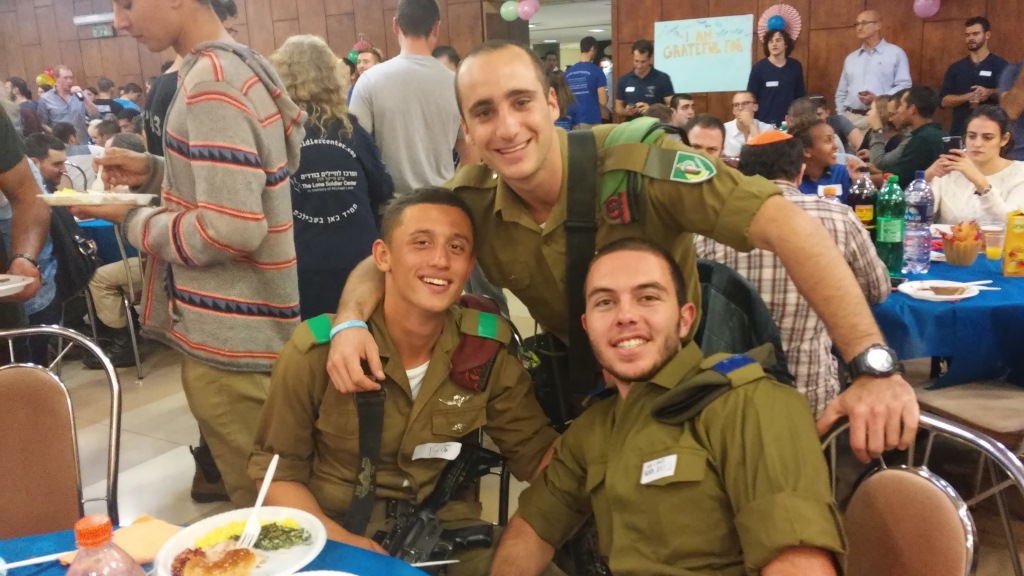
“This is not only because they want to do something more meaningful with their service, but also because they want to have the full experience of serving the IDF, in combat units, in fighting units. And also to give back to the country,” he added.
In addition to those who join the army independently, each year hundreds of new immigrants who move to Israel without their families choose to enlist through the Garin Tzabar program, which provides housing and support for the “lone soldiers.” The group requires its participants to serve a minimum of two years in the army, so the new requirements will not affect those immigrant soldiers.
Under the new policy, men who move to Israel between the ages of 18 and 19 will be required to serve for 32 months, and women will serve for two years. Men ages 20 and 21 will serve for two years, and women of the same age will have a one-year service.
The Knesset committee also discussed the need to reexamine many of the state’s protocols for new immigrants, in light of the expected increase in aliyah.
“We must constantly examine the state`s preparedness for the immigrants with regards to employment, welfare, professional licensing, education, absorption and the army — in order to prevent, as much as possible, the return of immigrants to their home countries,” MK Moti Yogev of the Jewish Home party said during the session.







The Times of Israel Community.