

Desalination plants again shut down due to murky seawater; farmers sound the alarm
With 5 of 6 facilities again closed amid rising seawater turbidity, local authorities told to curb water use; farmers lament risk to crops, livestock
 Add ToI as a Preferred Source on Google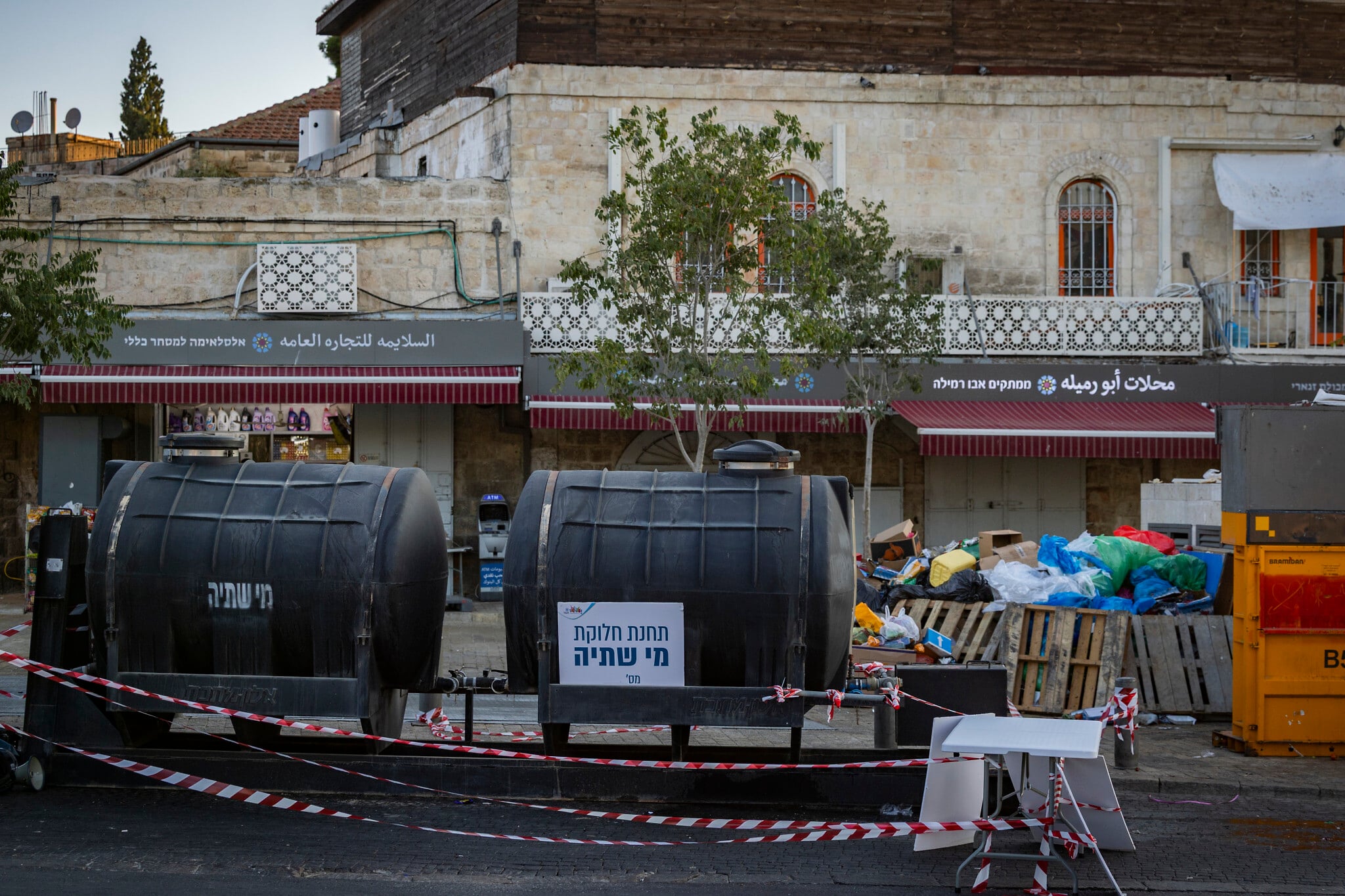
After operating through the night, most desalination plants were again shut down on Tuesday morning amid rising seawater turbidity, the Water Authority announced.
Local authorities were told to limit the use of public water, and to reduce irrigation in agriculture and public parks and gardens.
Supply to homes will continue, a statement said, adding that the Water Authority’s operations center will handle localized shortages of supply.
But Israeli farmers sounded the alarm Tuesday, with one telling Channel 12 that her water had been shut off for over 27 hours, severely risking the health of her crops and livestock.
Shai Swissa, owner of a family farm in the northern Negev town of Kadesh Barnea, told the outlet that hundreds of animals at her farm had no access to water.
“Without access to water, we have to transport water to workers in the field in bags,” she said, adding that she hoped the desalination plants will return to service soon.
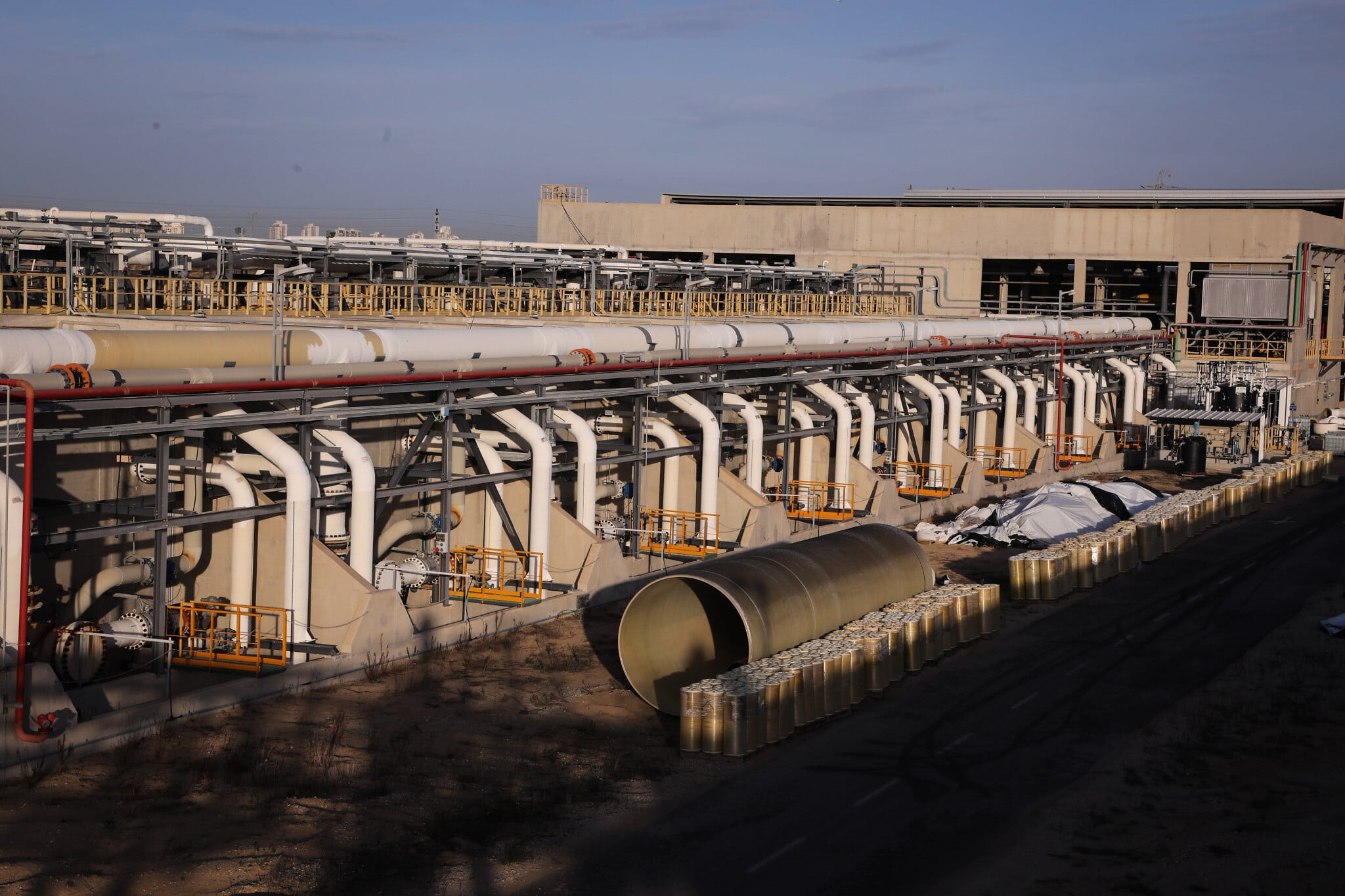
The only station working as of midday Monday was in central Israel’s Hadera.
Those temporarily closed were to the south — Soreq A and Soreq B, Palmachim, Ashkelon and Ashdod.
“Professional personnel are closely monitoring water quality and are prepared for any scenario, with the goal of returning all facilities to operation as soon as the seawater becomes clearer,” a statement said.
Five out of six desalination stations were shut on Saturday due to high levels of turbidity, or murkiness, apparently due to microalgae being carried to Israel’s southern coast by waves from the Nile Delta. They had reopened on Monday.
The desalination plants provide up to 80 percent of Israel’s drinking water and are considered a strategic asset in the drought-prone, water-scarce Middle East.
Sources told Hebrew media that there were no fears that this was a cyberattack, following several recent instances of attacks on water facilities and power plants in the US and the UK that have been blamed on Iran and Iran-linked hackers.
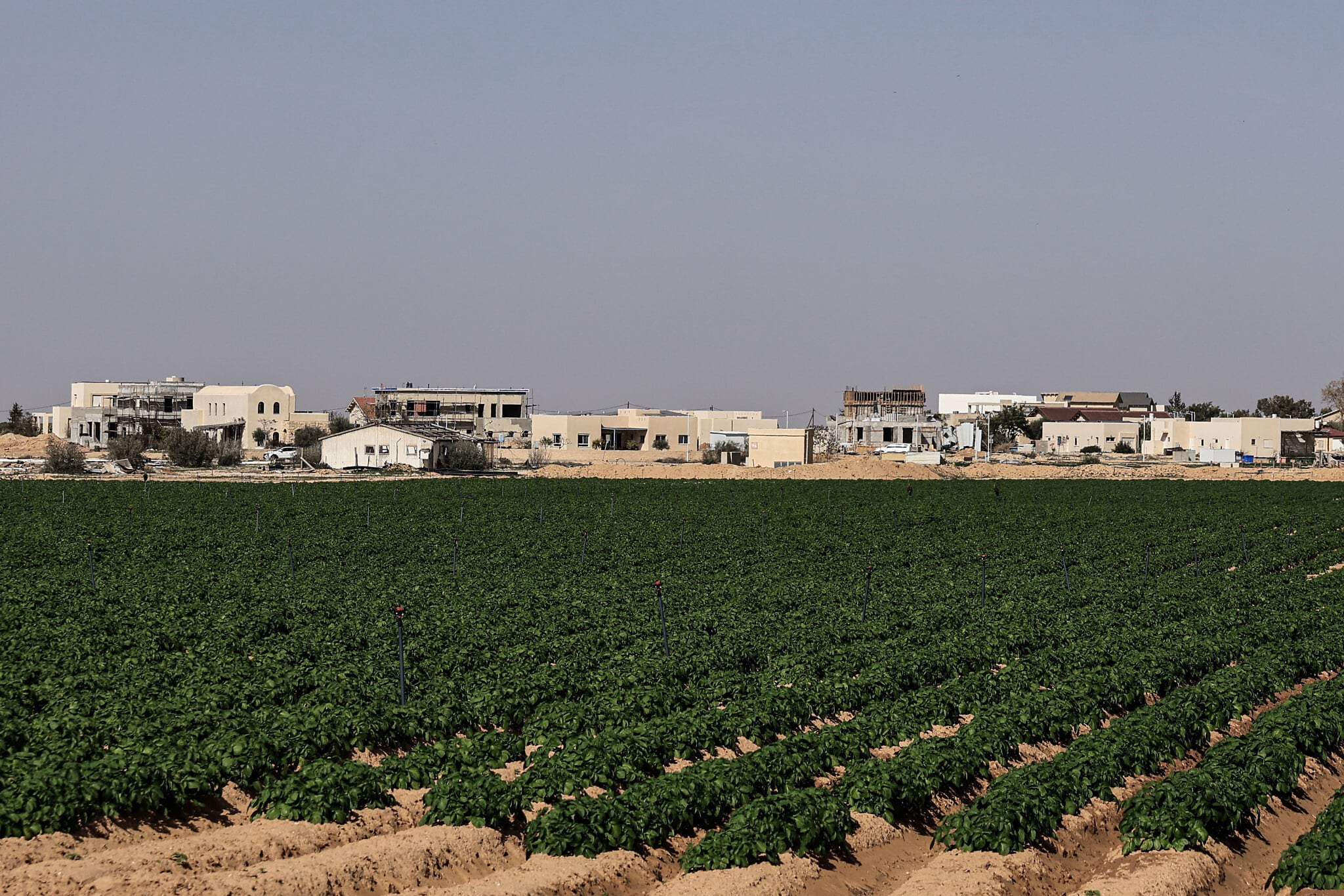
The move sparked immediate water restrictions, particularly in the Negev desert region.
Israel requires approximately 2.3 billion cubic meters of water during the hydrological year, which begins in October, when rainfall typically starts.
Israel’s six desalination stations supply around 800 million cubic meters of water. A seventh station, located in the Western Galilee, is planned to come online in 2027 and provide an additional 100 million cubic meters.
A further 700 million cubic meters come from recycled sewage water and brackish water, used mainly for agriculture, according to the Water Authority, bringing the total of “manufactured” water up to 1.5 billion cubic meters.
The rest comes from fresh water sources, including subterranean aquifers or reservoirs in the country’s north and south, built to trap floodwaters.
Israel has recently even used desalinated water to top up the Sea of Galilee.










The Times of Israel Community.