

Almost all of Israel’s desalination plants shut due to weather; source denies cyberattack
5 of 6 facilities temporarily close due to ‘severe turbidity,’ prompting limits for agriculture use; incident follows recent hack on US water systems, allegedly by Iran
 Add ToI as a Preferred Source on Google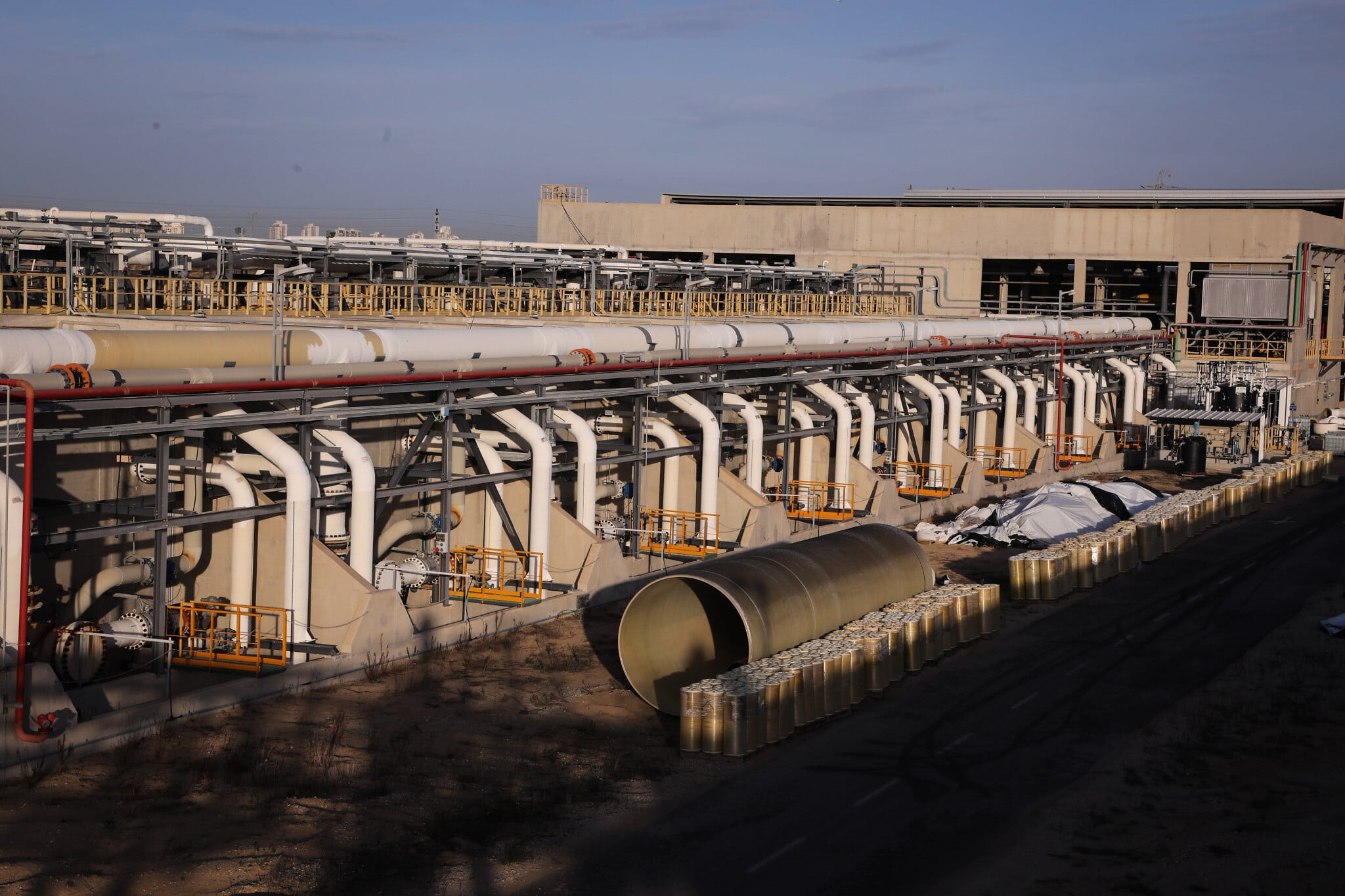
In an extremely rare move, the Water Authority announced on Monday that five out of Israel’s six desalination stations have temporarily shut down due to “severe turbidity” in seawater caused by weather conditions.
The desalination plants provide up to 80 percent of Israel’s drinking water and are considered a strategic asset in the drought-prone, water-scarce Middle East.
Sources told Hebrew media that there were no fears that this was a cyber attack following several recent instances of attacks on water facilities and power plants in the US and the UK that have been blamed on Iran and Iran-linked hackers.
The authority issued instructions to reduce the supply of potable water used for agriculture in the south of the country, while the Mekorot water company sought backup sources.
The only station working as of midday Monday was in central Israel’s Hadera. Those temporarily closed were to the south — Soreq A and Soreq B, Palmachim, Ashkelon and Ashdod.
“Professional personnel are closely monitoring water quality and are prepared for any scenario, with the goal of returning all facilities to operation as soon as the seawater becomes clearer,” a statement said.
It was not immediately clear what affected the sea waters, but Israel has seen rare summer rain in recent days.
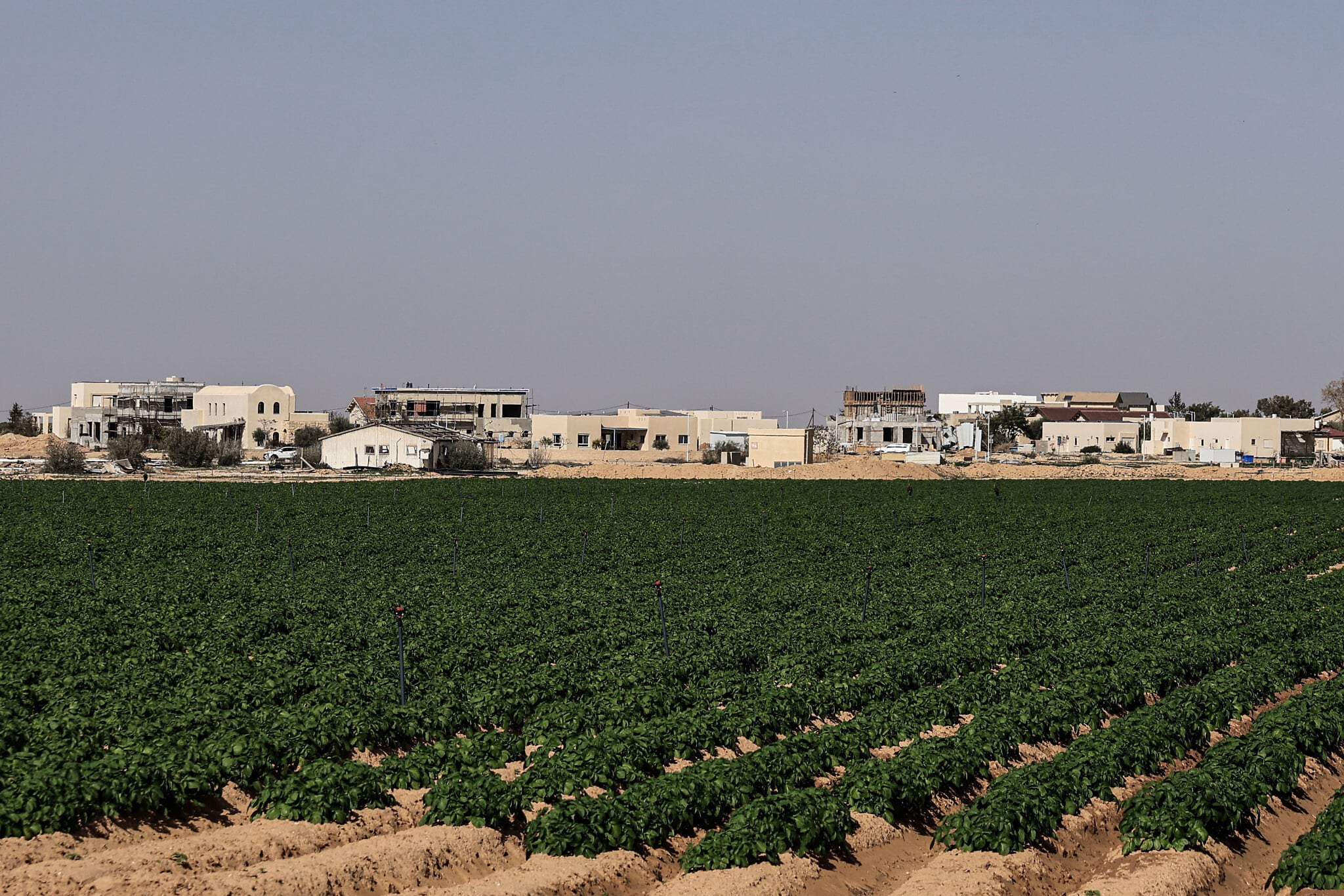
The move sparked immediate water restrictions, particularly in the Negev desert region.
In the Ramat HaNegev regional council, agricultural water supplies were shut down on Monday, according to the Ynet news site. The report said shutdowns began on Saturday, but were initially unannounced.
The Eshkol regional council, nearby, asked its farmers to “reduce immediately all use of fresh water for agricultural or gardening needs,” warning that a failure to do so could harm the supply to households.
It noted that recycled water, which is supplied to the Negev from the Shafdan treatment plant, can still be used.
A source in the industry told Channel 12 of the Monday stoppage, “This was not a cyber incident.” The reassurance came after, earlier this summer, experts blamed Iran for dozens of attacks on water systems in more than a half-dozen US states.
Last month, hackers linked to Iran reportedly shut down a small UK power plant for four days.
When the US attacks were announced, Israel’s National Cyber Directorate said that “Israel experiences cyberattacks on all fronts day in and day out,” including some Iranian attempts to harm the water system in recent years, but that none had succeeded in doing significant damage.
Israel requires approximately 2.3 billion cubic meters of water during the hydrological year, which begins in October, when rainfall typically starts.
Israel’s six desalination stations supply around 800 million cubic meters of water. A seventh station, located in the Western Galilee, is planned to come online in 2027 and provide an additional 100 million cubic meters.
A further 700 million cubic meters come from recycled sewage water and brackish water, used mainly for agriculture, according to the Water Authority, bringing the total of ‘manufactured’ water up to 1.5 billion cubic meters.
The rest comes from fresh water sources, including subterranean aquifers or reservoirs in the country’s north and south, built to trap floodwaters.
Israel has recently even used desalinated water to top up the Sea of Galilee.
In a separate, unrelated announcement Monday, the Agriculture Ministry said that following interministerial work, the Water Authority Council had unanimously approved an addition of up to 15% in the supply of potable water to be used for agriculture in the national system for 2026.









The Times of Israel Community.