

‘That’s victory’: In battle-scarred Metula, a reopened school offers hope on the border
School is again in session in Israel’s northernmost community, after 65% of its residents came back to live amid telltale signs of war. It was a celebration three years in the making
 Add ToI as a Preferred Source on Google
Reporter at The Times of Israel
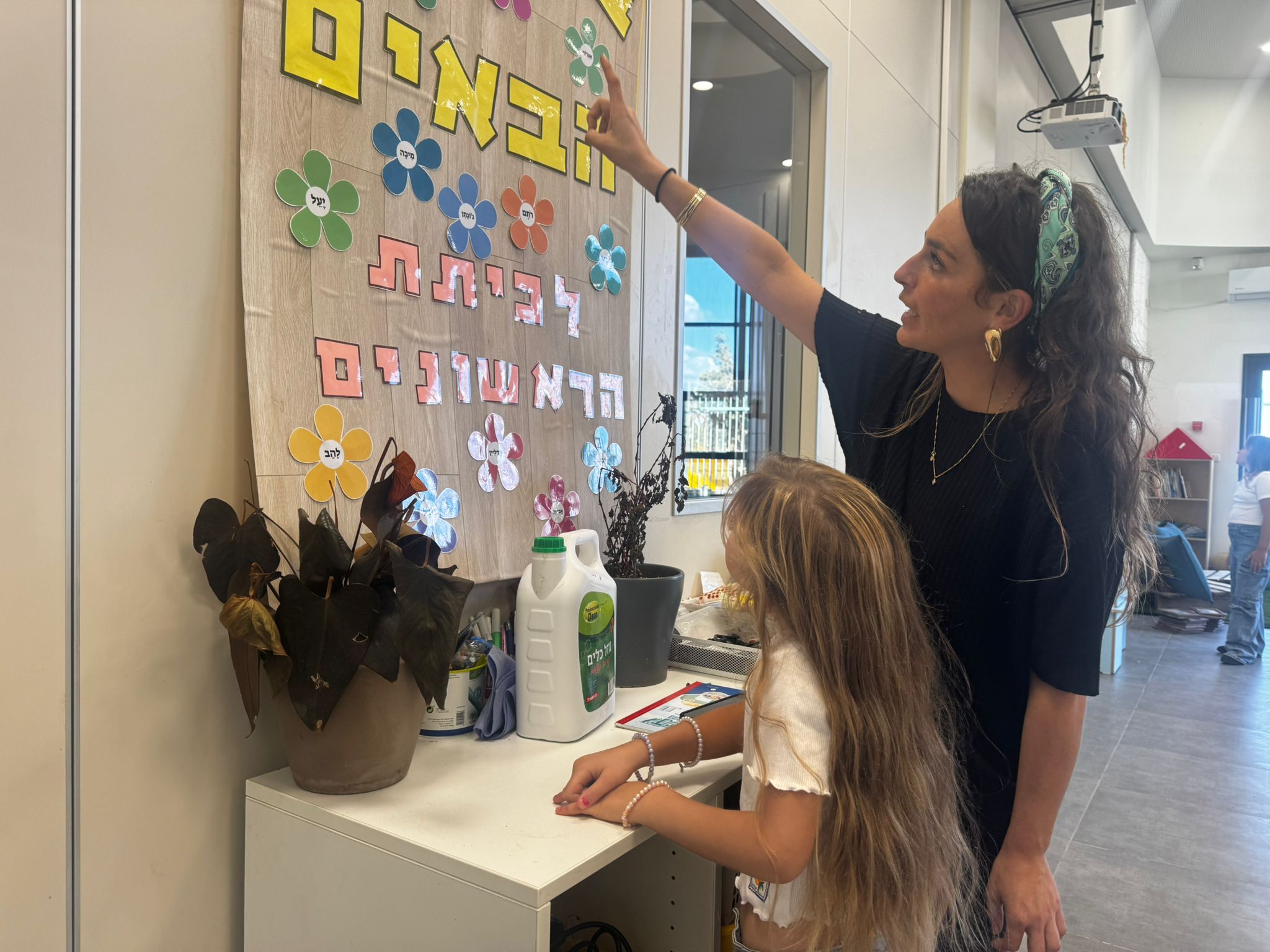
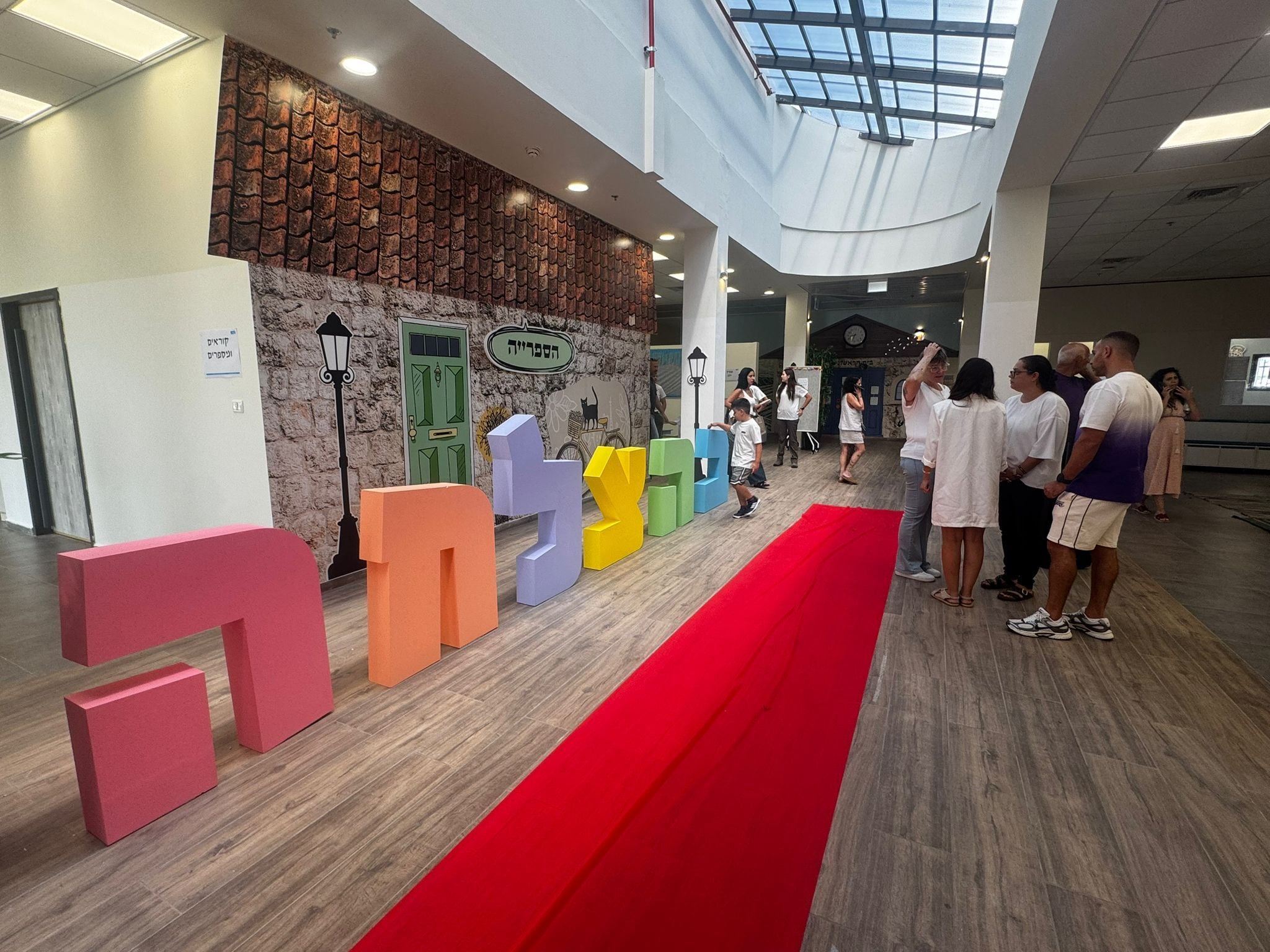
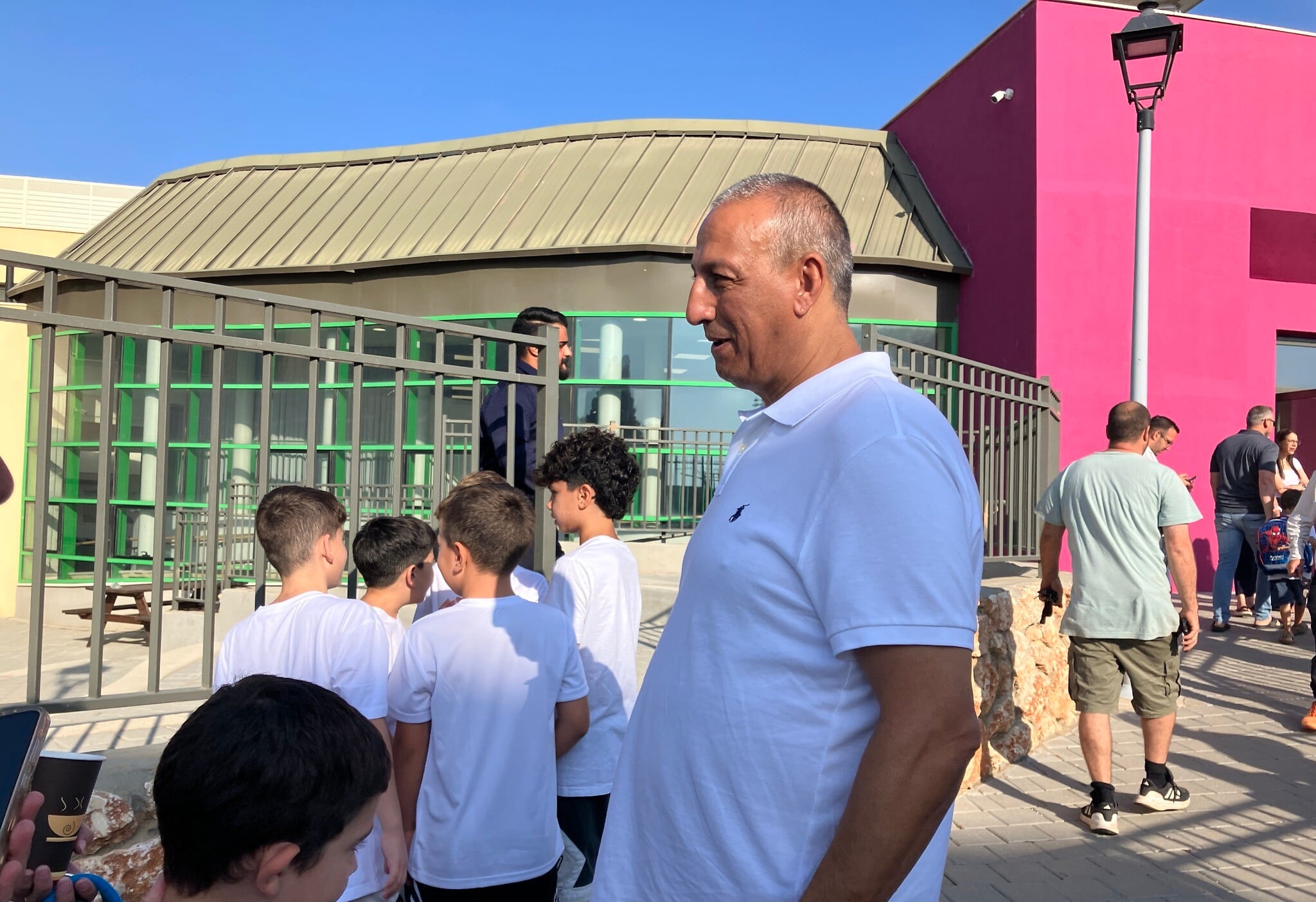
METULA – For the first time in three years, Israel’s northernmost community reopened its Hanadiv Elementary School on Tuesday, with 36 students in grades one to six. Another 18 children began the school year in a freshly reopened kindergarten.
The Metula school had been closed from October 8, 2023, when Hezbollah began firing rockets, missiles and drones at Israel in solidarity with fellow terror group Hamas. The picturesque town became the scene of near-daily devastation, forcing nearly all of its 2,100 residents to flee. Prior to the 2023 war, 75 children had attended the elementary school.
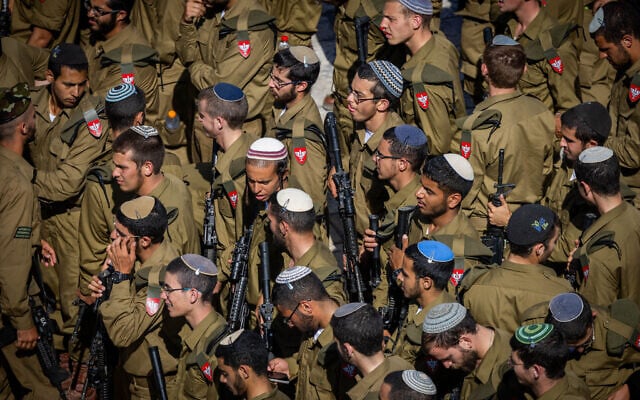
Since the November 27, 2024, ceasefire, roughly 65% of the town’s residents on the Israel-Lebanon border have returned, a Metula spokesperson told The Times of Israel. Today, the northern border felt peaceful, with IDF soldiers sitting in cafes enjoying the relatively mild weather.
Speaking with The Times of Israel at the celebratory school reopening, Metula native Shimon Gino said he moved back a month ago with his wife, Noa, and their four children.
“Moving back here won’t be easy, but kids can adjust, and they’re very excited,” Shimon said. “We have to rebuild the community from scratch.”
One of the Gino children started school during COVID-19, then went to two different schools during the family’s relocation, and has now returned to school in Metula for sixth grade. He recalled that when he was a student here in the early 1980s, there were far more children — 17 in each grade.
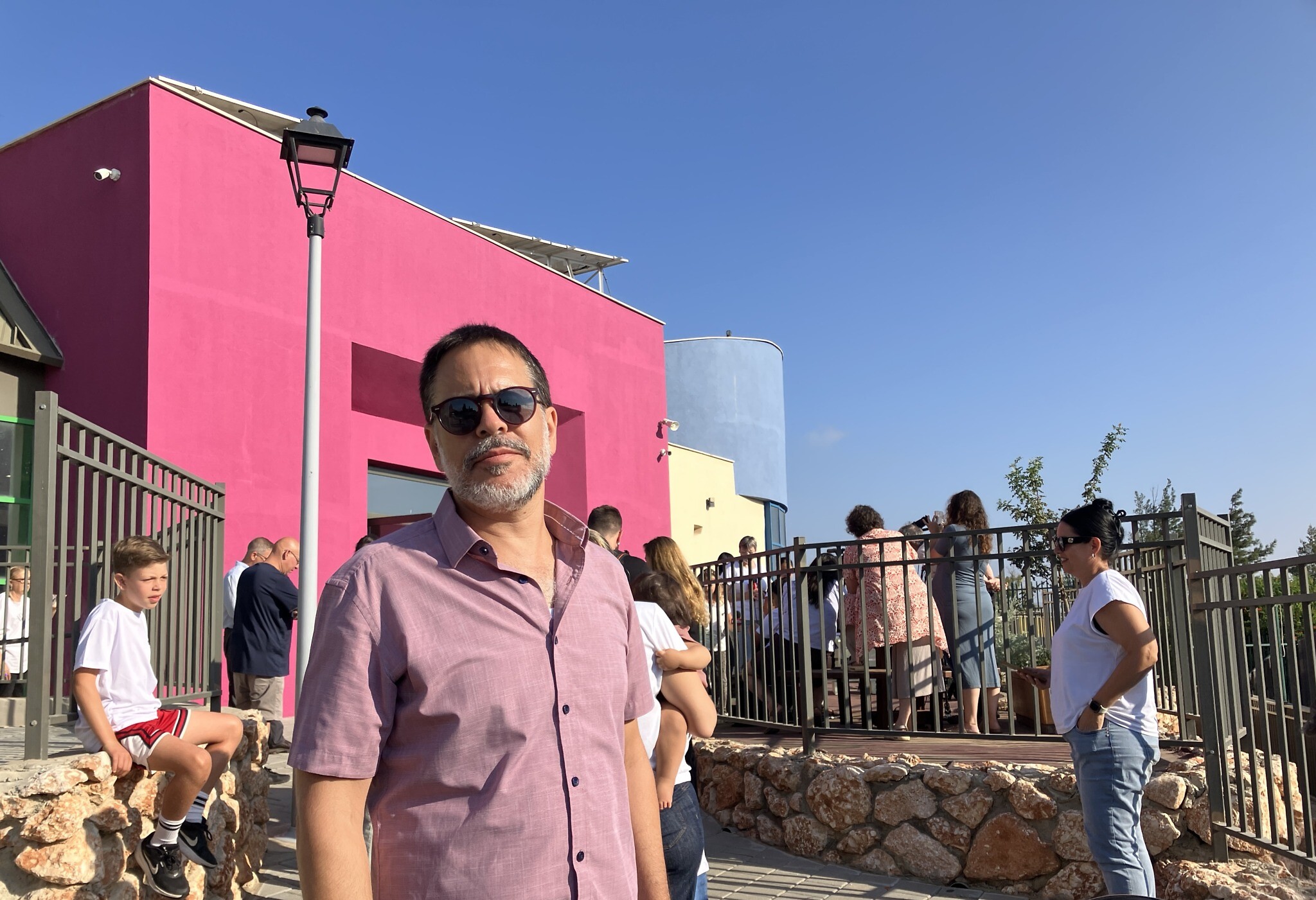
But the scars of war are everywhere.
Because of its proximity to the border, the town wasn’t subjected only to rocket and drone attacks, but also to anti-tank missiles. Out of 650 homes in Metula, 460 sustained damage from attacks, 120 of them severely. And the danger continues: On August 18, six foreign workers were injured, two of them seriously, when an old explosive detonated in an agricultural field in the town.
Some agricultural orchards have yet to bloom again, and the iconic Canada Center, with its skating rinks and Olympic-sized pool, has not yet been rebuilt.
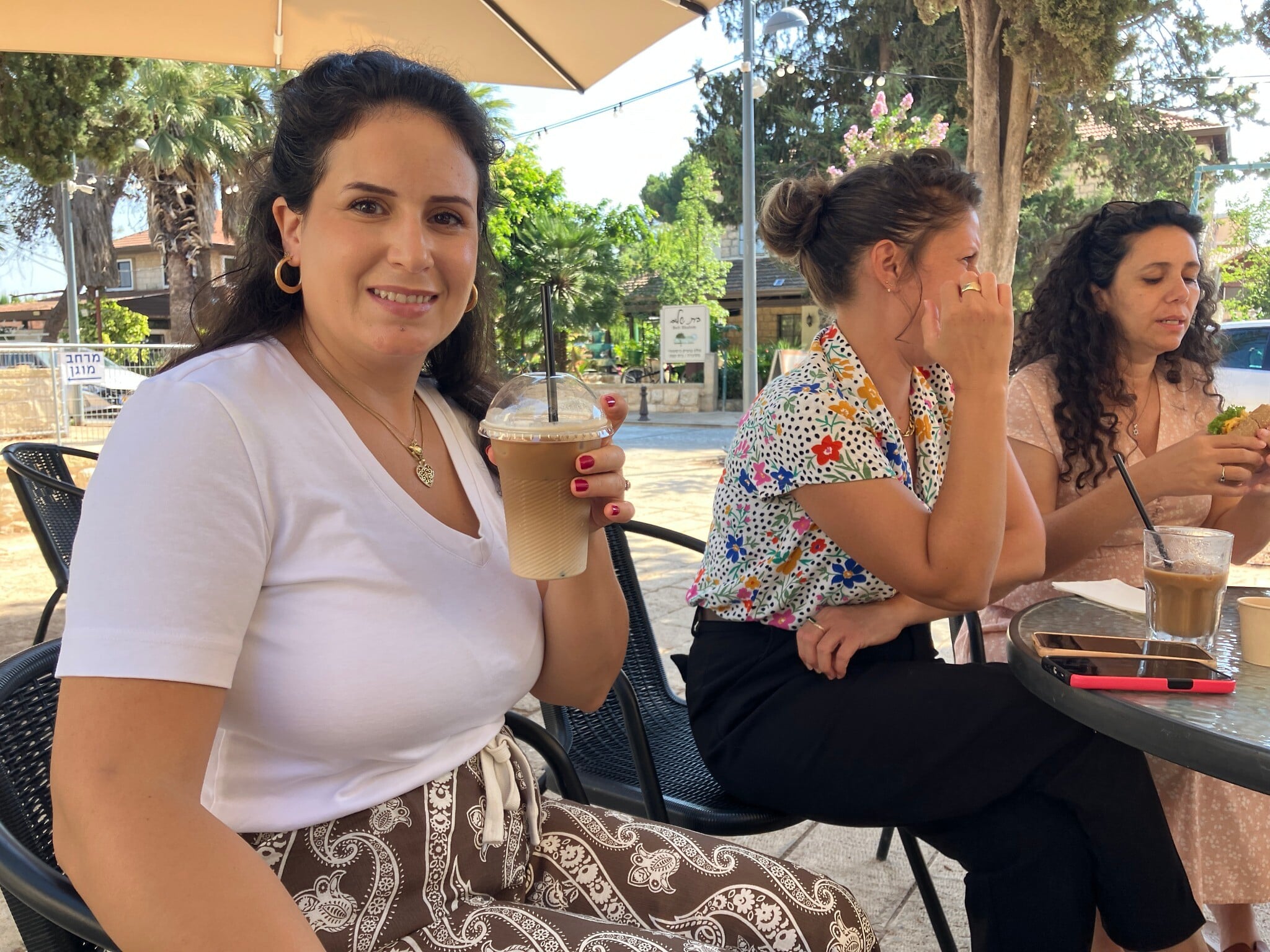
However, the town has repaired most of the roads, and new cobblestones have been installed on HaRishonim, the town’s charming main street. Enjoying a cold coffee at the street’s Bela Cafe after dropping the kids at school, Noa Gino said she believes in the importance of the family’s return.
“Having grown up in Tel Aviv during the intifada, I’m not naive,” she added. “The situation could change, but I believe in being here… We can’t abandon the north or the Gaza border region because if we do, our enemies will move in,” she said.
The Ginos’ sense of commitment is characteristic of the people who live both in Metula and the surrounding area of the Golan.
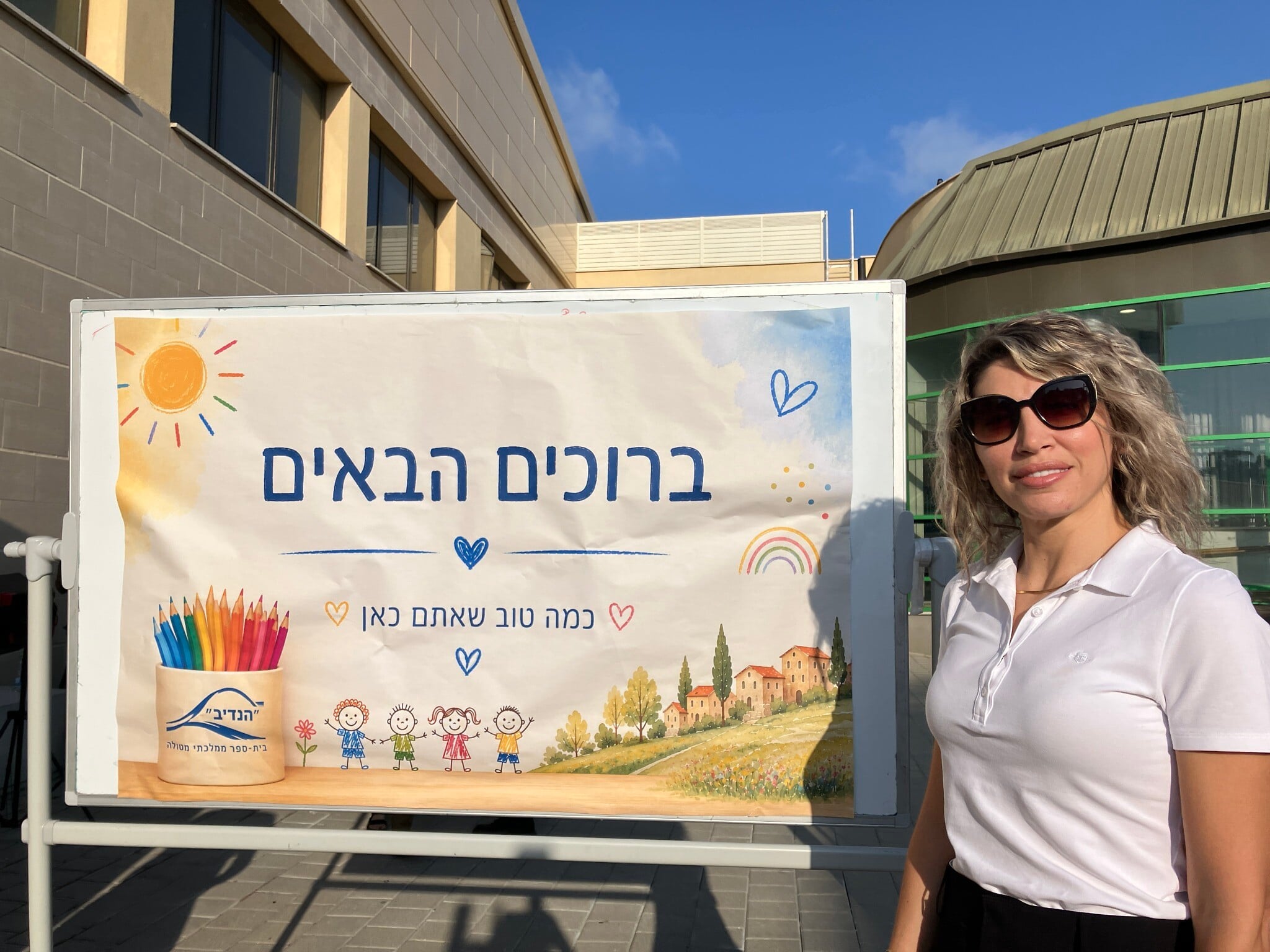
Noleen Safadi, head of Metula’s education department, lives in the Druze town of Majdal Shams, 35 kilometers (22 miles) away, in the Golan Heights.
Her son, Alan, now 14, was one of the survivors of the devastating July 27, 2024, Hezbollah rocket attack on a soccer field in Majdal Shams, which killed 12 children. Safadi said that Alan has undergone 23 operations since the attack.
She stood at the school entrance greeting students, parents and teachers.
“Since the attack, we’ve met so many good people,” Safadi said. “It’s very moving for me to take part in rebuilding Metula’s education system.”
‘Lebanese people tell us, ‘We’re sick of war’
Soon after the war ended, in February 2025, Metula Mayor David Azoulay bemoaned that Metula had “no lights in the streets, no sidewalks, no health clinics, schools, or grocery stores,” and he discouraged residents from returning.
But on the first day of school, Azoulay was beaming as he greeted people.
He said that he’s heard from some Lebanese, Christian, Druze, Sunni, and even Shiites in southern Lebanon.
“They told me, ‘We’re sick of war, and we want something different,'” he said. “We want peace. Right now, I’m optimistic.”
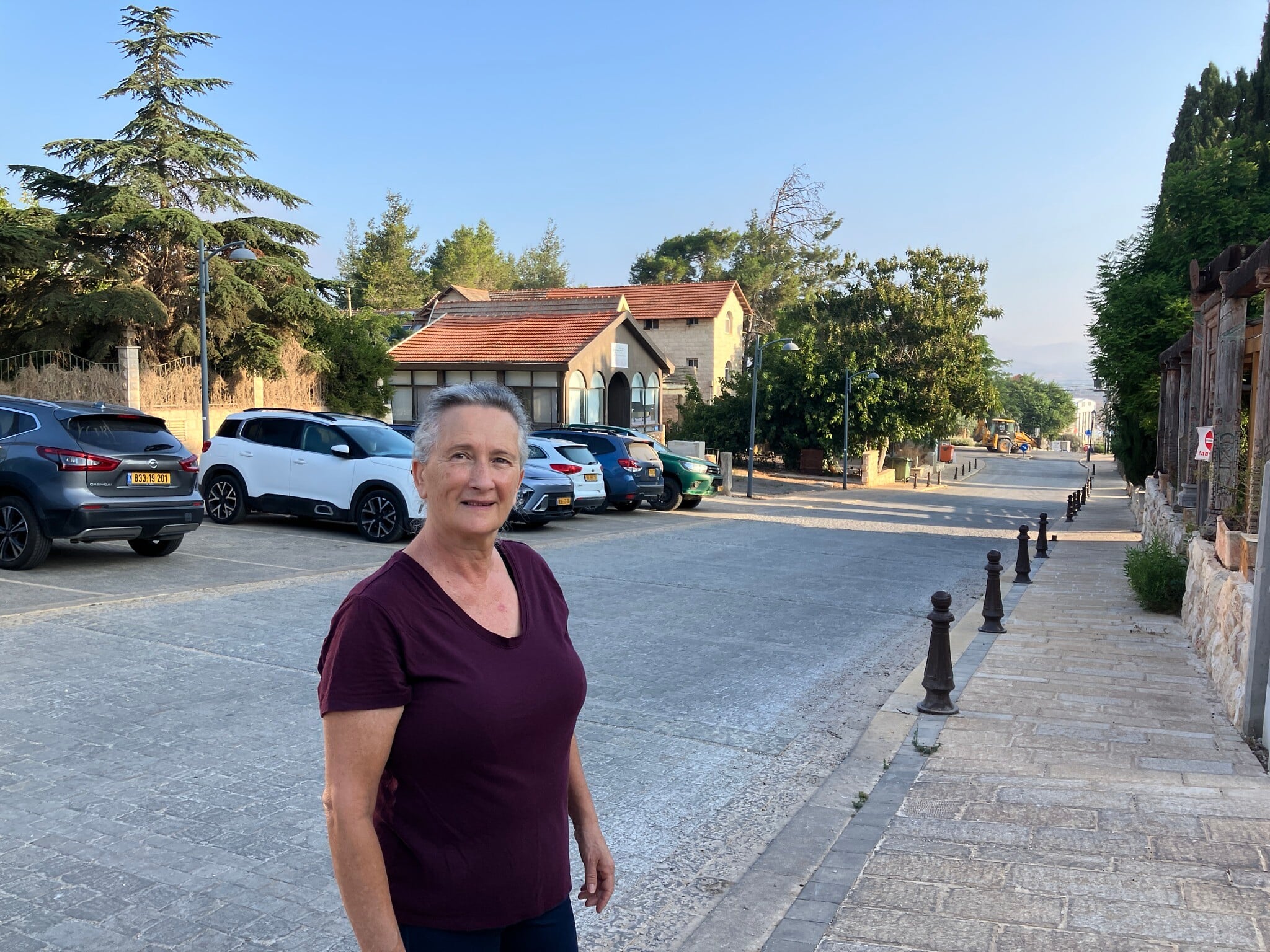
Early in the morning, right by the school, Zipora Norel was taking her morning walk.
“I fell in love with Metula when I came here a month ago, and moved here two days ago,” she told The Times of Israel. “The weather is beautiful. The vibe is open.”
During the war, Norel was evacuated from Kiryat Shmona and lived in various places.
“I’ve been wandering,” she said. “But since arriving in Metula, everyone wants to help me. I’m looking for part-time work, cooking or teaching, and I do art.”
When asked how it was for her to live in the border town, she replied, “I count on our soldiers. I don’t have a gram of fear.”
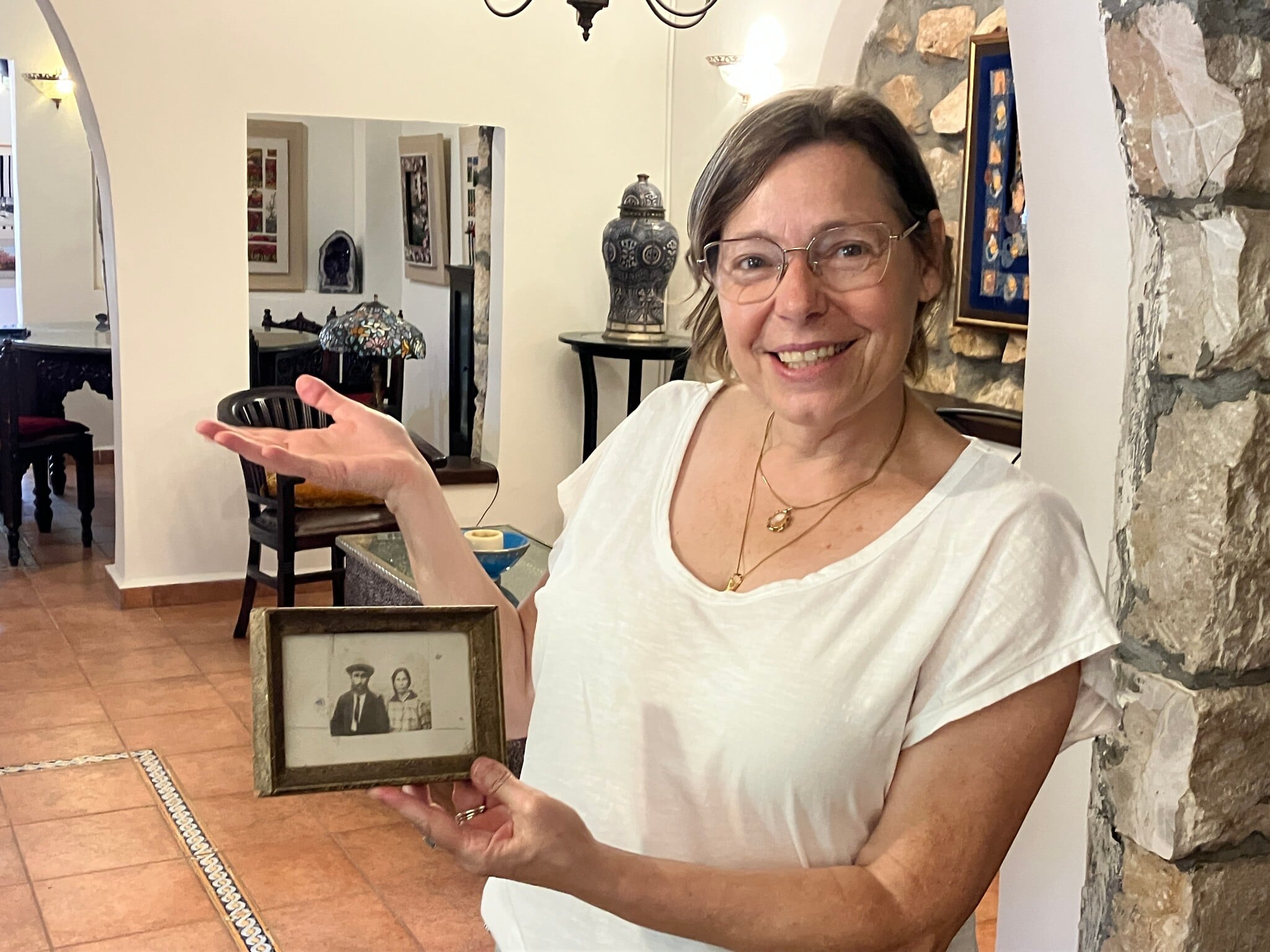
Erit Fine, a fifth-generation Metula resident, operates Hod Rishonim, a family retreat center on the town’s main street.
The center was closed during the war, but she said that now, “my phone is ringing again.”
Standing on HaRishonim Street, she gestured to the various eateries that have sprouted since the war.
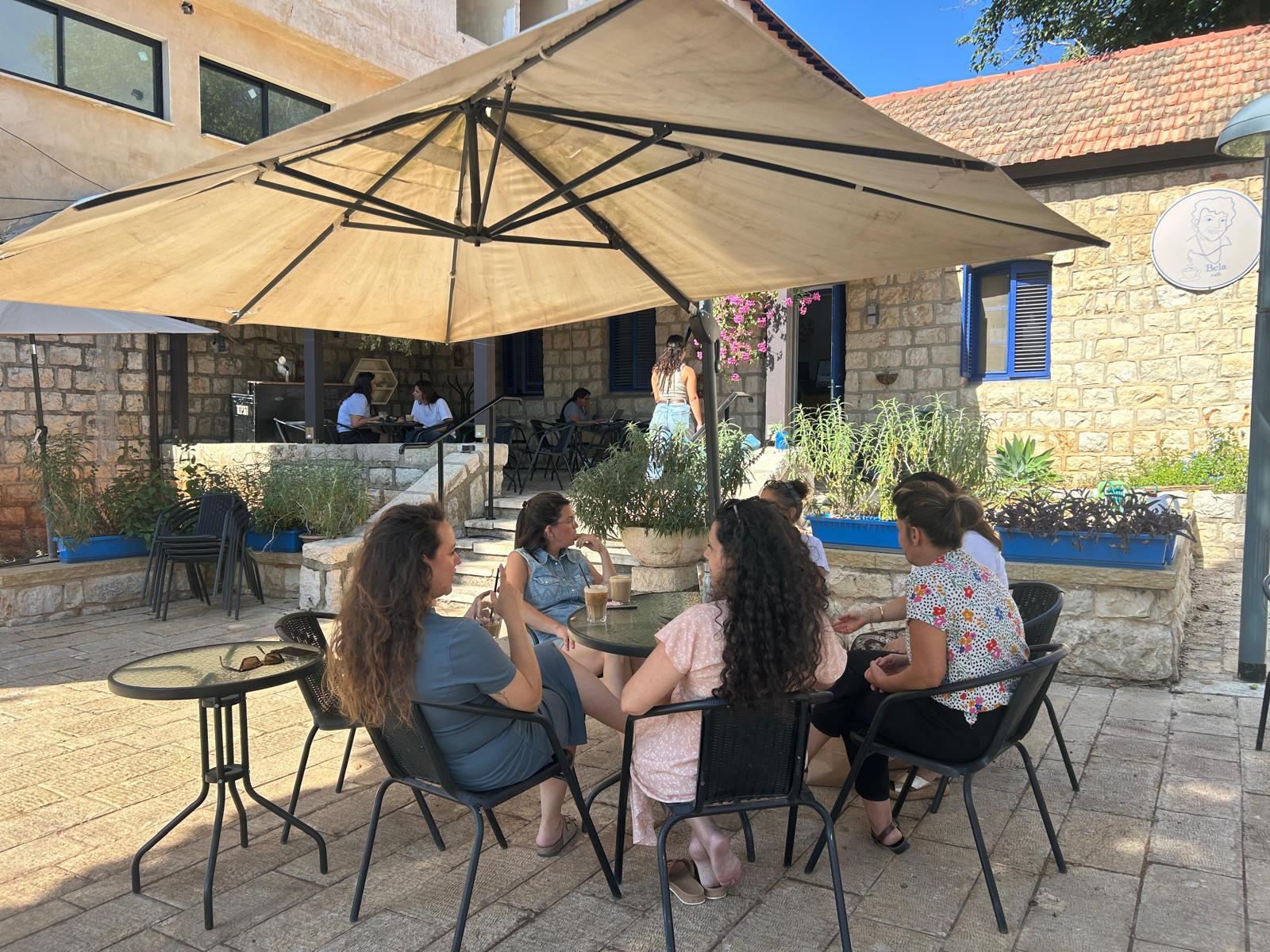
“This is now a culinary hub,” she said, pointing to a kosher pizza restaurant, a hamburger restaurant and a café with tables on the sidewalk under tall trees.
“Until the war ends, Israelis live as if there’s no war,” Fine said. “People may be alert, they know what’s going on, but they’re living and celebrating life.”
She said she was delighted to see children returning to school earlier in the morning.
“Hearing the sounds of children’s shouts and happiness shows that there’s life here again,” Fine said. “That is victory.”



The Times of Israel Community.