

Second Israeli confirmed missing as death toll continues to climb in Nepal floods
More than 900 people confirmed killed in natural disaster, with over 4,000 still missing, including Israeli-Belarusian Katya Sakovich and a second unidentified Israeli man
 Add ToI as a Preferred Source on Google
A second Israeli was confirmed to be missing in Nepal on Monday, six days after devastating floods swept through the Nepal-China border region.
The Foreign Ministry identified the missing person as Katerina (Katya) Sakovich, a 41-year-old Israeli citizen who also holds Belarusian citizenship.
“Israel’s consul in Kathmandu and the Foreign Ministry’s Department for Israelis in Distress Abroad are in continuous contact with her family and are working with the authorities and local officials in efforts to locate her,” the ministry said.
Sakovich, who has been living in Milan in recent years and was in Nepal as part of a trip to Mount Kailash in Tibet, was last seen in the area of the Rasuwagadhi-Gyirong border crossing, around the time the floods began, according to the Kan public broadcaster.
Kan reported that until now Sakovich had only been listed among the missing in Nepal as a Belarusian citizen, and her family reached out to the Foreign Ministry in Jerusalem to receive help with the search.
There is currently no update on the status of another Israeli, a 60-year-old man, who was confirmed missing last week and whose identity has not been published, the ministry told The Times of Israel on Monday.
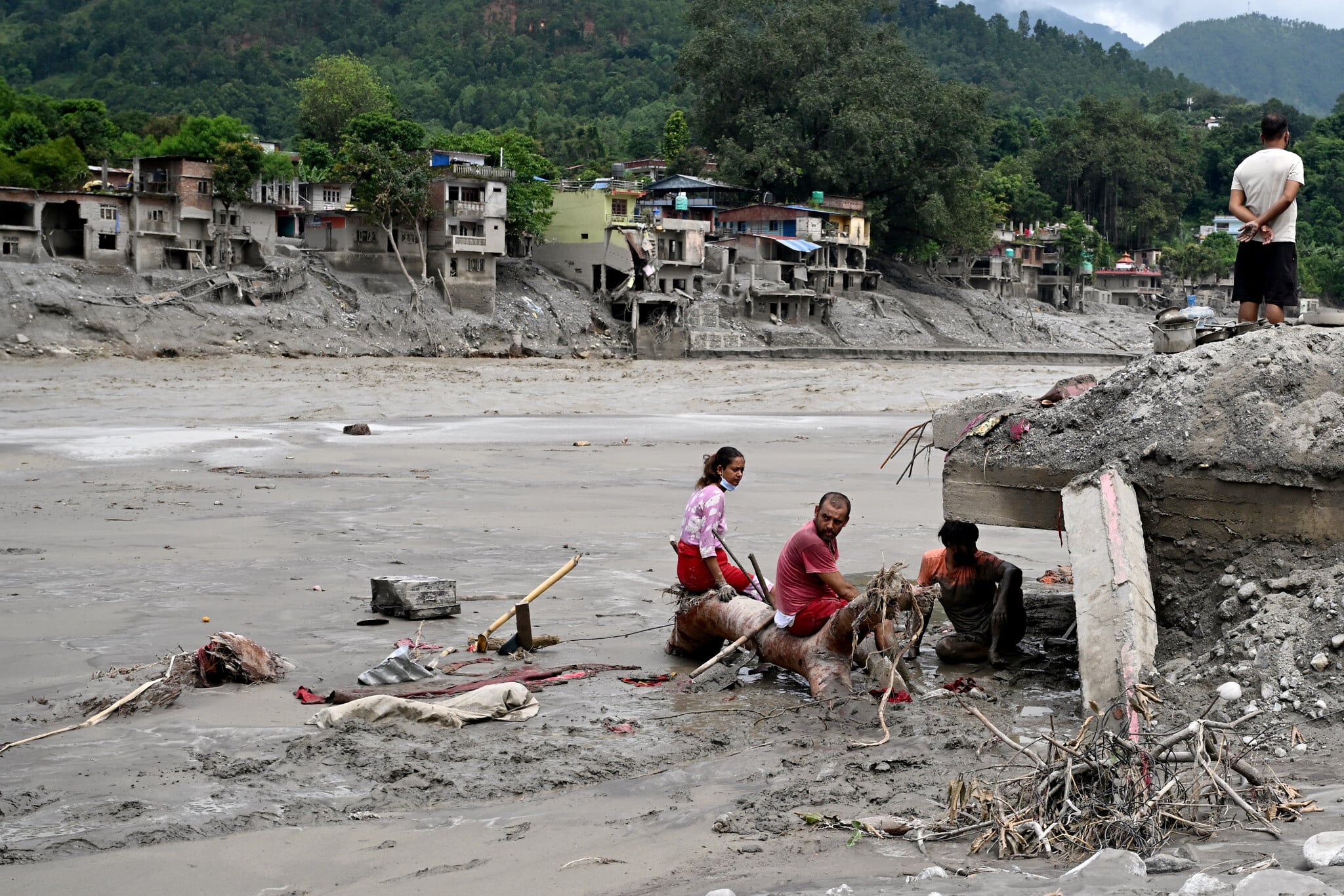
The death toll from the flash floods has risen to at least 903 in Nepal and in Tibet in China, while the number of people missing has soared to 4,247, the country’s disaster authority said Monday.
Among Nepal’s list of the missing are 592 foreigners, including tourists who had come for trekking in its mountains, as well as Hindu pilgrims seeking spiritual peace at Tibet’s sacred Mount Kailash.
Rescue teams are in a race against time in treacherous conditions to free around 100 hydropower workers believed trapped in multiple tunnels — digging, drilling and blasting through debris in a non-stop effort supported by teams from China, India and South Korea.
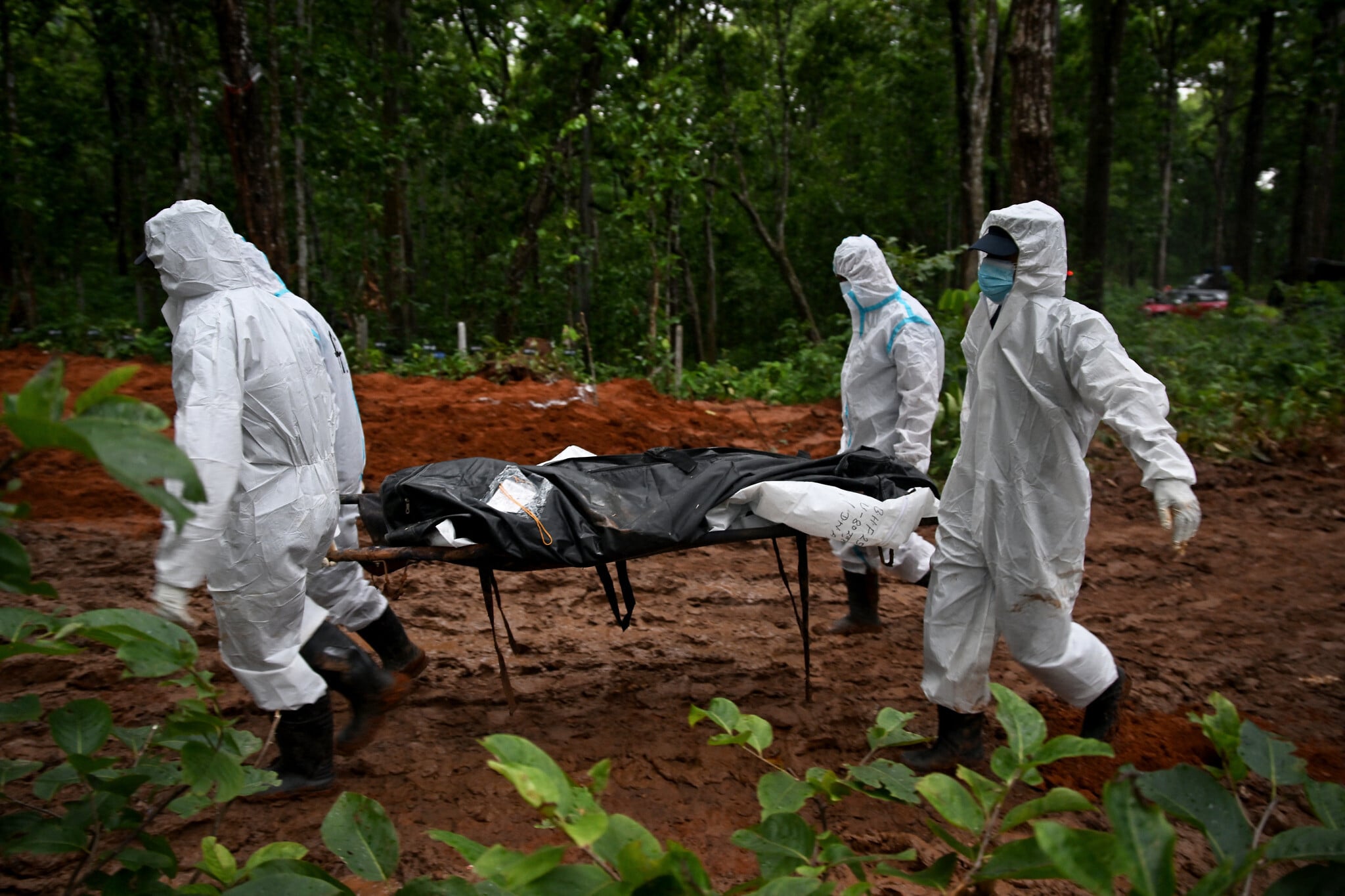
So far, three dead bodies have been pulled out of two tunnels, and the teams have found routes blocked with mud.
An Indian army officer deployed as part of a specialized tunnel rescue team said rescuers were digging through “sludge.” He told AFP he was “still hopeful that there are six survivors inside” the tunnel where he was stationed.
Aid needs are enormous. Entire communities have been swept away, leaving families homeless in heavy rain or sheltering in temporary facilities.
“This is an unfolding disaster,” UN children’s fund official Abiodun Banire told AFP, saying the needs of the tens of thousands impacted were vast.
Roads have been washed away, power plants destroyed and dozens of bridges smashed.
Amid the horror, there has been some hope; a six-year-old pulled out of the mud four days after the disaster on Friday was reunited with her parents after police found her crying for her mother.
“Her body was trapped in mud, but her head was outside,” Nepali Armed Police spokesman Netra Bahadur Karki told AFP. “She is out of danger and recovering at a hospital and has reunited with her family.”
The disaster was sparked by a glacial collapse, the US Geological Survey said. While the exact cause of that collapse is unclear, climate change is causing glaciers to melt worldwide, raising the risk of such disasters.
Scientists say the Himalayas, the world’s highest mountain range, are melting faster as global temperatures rise.
With mortuaries overflowing with the dead, Nepal has begun burying some of the hundreds of bodies recovered after taking DNA samples so families can later retrieve them.
Kathmandu has appealed for international support, saying Nepal needed “more than a thousand” freezer units to store bodies.
Distraught families, desperate for news of missing relatives, are watching images of bodies on screens at community centers in a bid to identify the dead.
Nepal’s economy is already under pressure, and foreign governments have pledged millions of dollars in humanitarian aid.
Kathmandu warns that the reconstruction bill could run into “billions of dollars.”









The Times of Israel Community.