

In Nepal, missing the earthquake for the rubble
A walk through a demolished village under the moonlight finally reveals the scope of destruction
 Add ToI as a Preferred Source on Google
Melanie Lidman is an AP reporter and former Times of Israel reporter
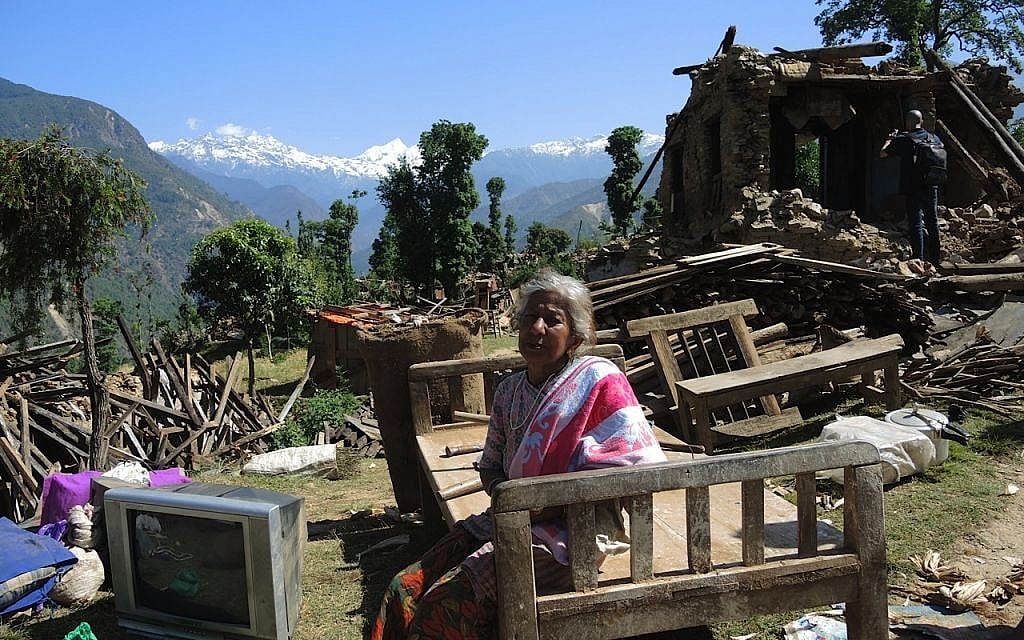
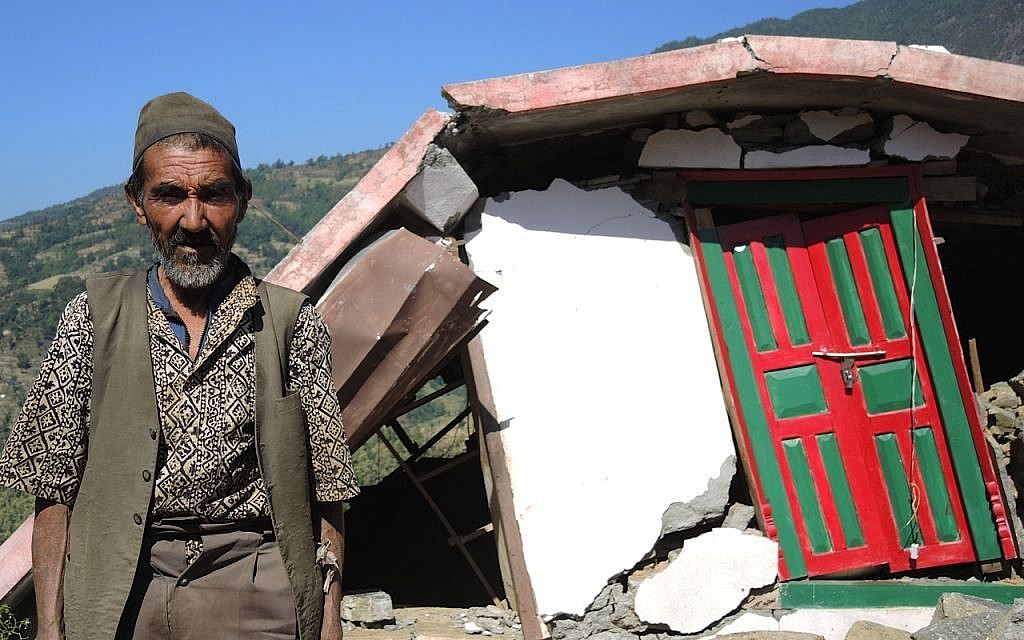
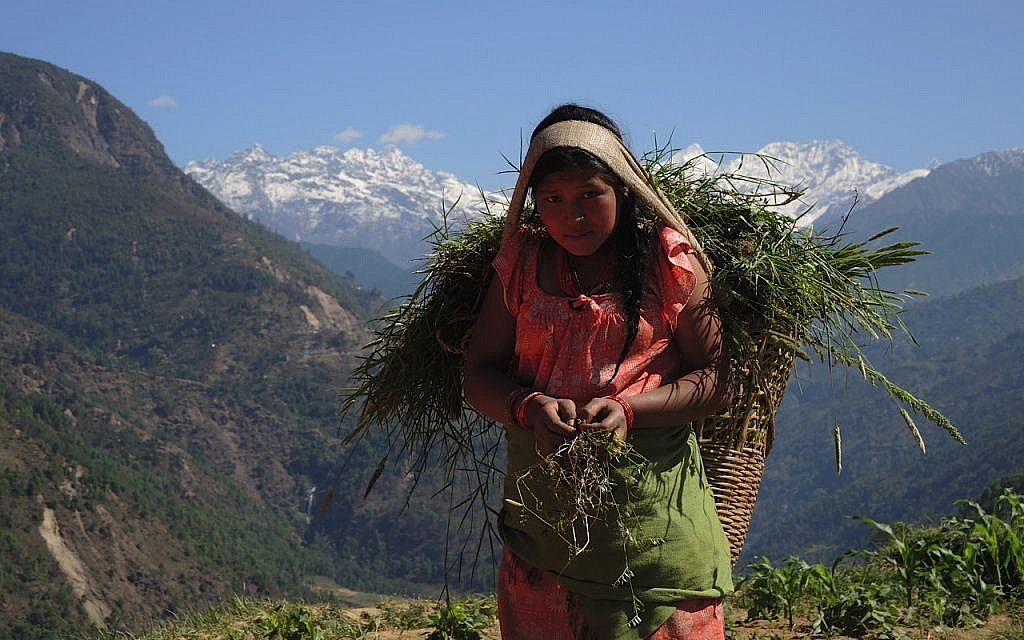
TOPANI VILLAGE, Sidhupalchowk District, Nepal — Perhaps it’s because I saw the demolished village in black and white that the earthquake finally came into focus. The downpour that started as I rushed to put up the tent cleared, almost instantaneously, and suddenly the Himalayan peaks burst into view through the mountains, reminding me where I stood on the world.
I had joined an IsraAID medical and rescue mission to a remote village in Nepal, a week after the 7.8-magnitude earthquake killed an estimated 6,500 people. Though Kathmandu was affected, a week later most of the city was back to functioning. The real tragedy, at this point, lay in the isolated rural areas, cut off from food and medicine.
We drove seven hours east of Kathmandu and camped near the river, after the jeeps could go no further on the rubble-strewn road. As our bonfire died down, we scrambled up the side of a cliff to the village above the river, the full moon casting sharp shadows.
Headlamps off, we passed by the first row of houses, the eerie quiet enveloping even the most garrulous Israelis.
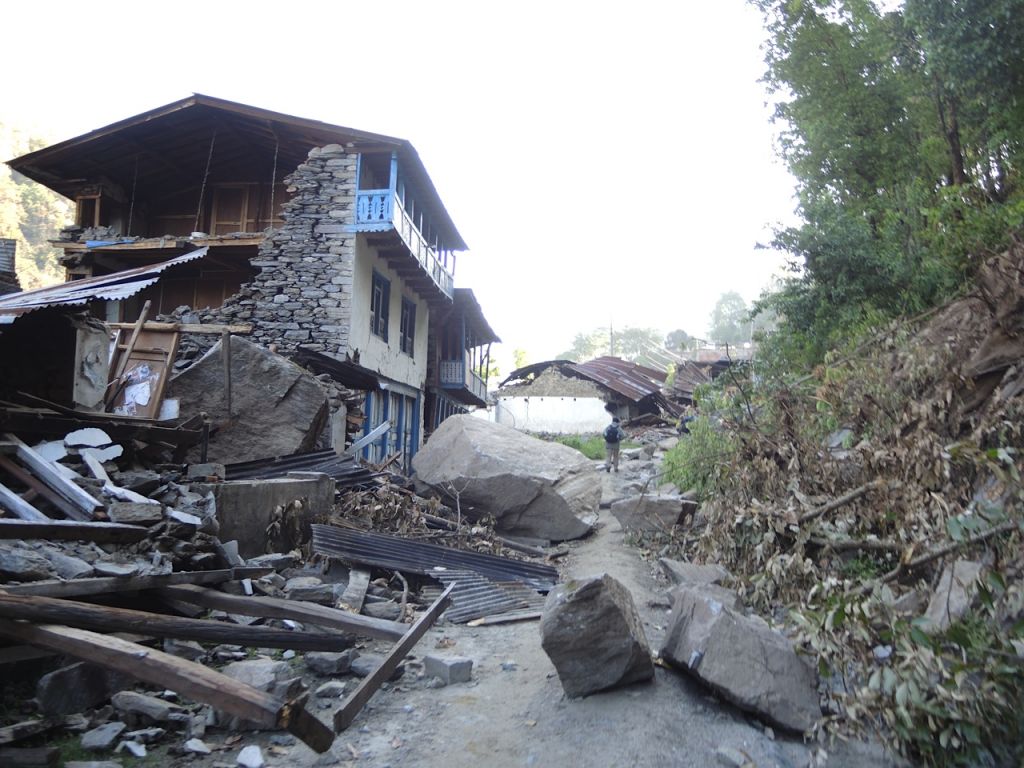
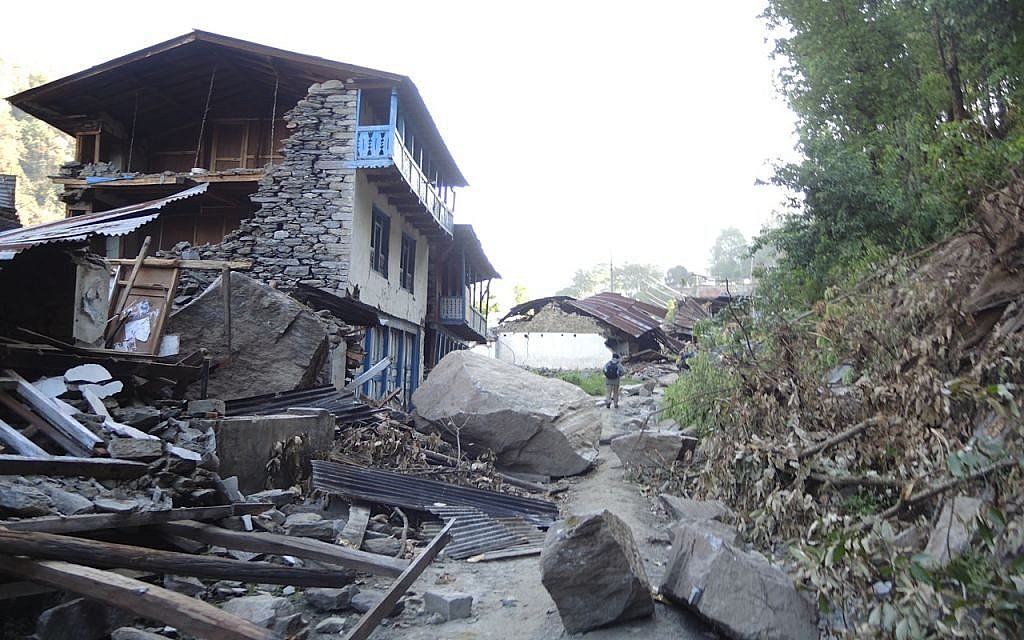
In the shadows, the precarious angles of the houses looked even more drastic. The top level of a two-story house listed precariously towards the road, about to topple in the slightest breeze. Walls were shorn away, leaving an intact living room inside, posters on the wall flapping in the breeze. Wooden doors bent at crazy angles, roofs collapsed through one floor to the bottom floor — a “pancake,” in rescue jargon.
No one lives here now, the houses seemed to whisper, above the rush of the river. No one lives here now.
Only when we thought we had seen the worst of the destruction did we arrive at the start of the rock slide. We came across boulders the size of minivans, wrenched free of the mountain above, which came crashing through the street into homes and gardens and kitchens.
No one lives here now, each house whispered. No one lives here now.
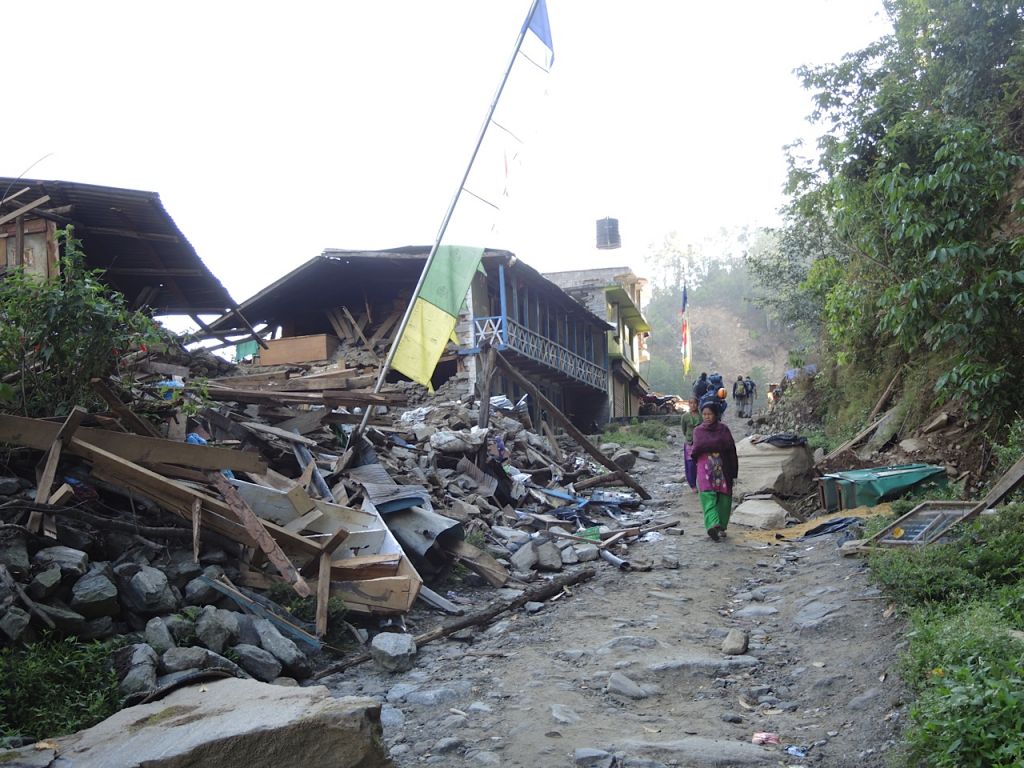
Each building was different, collapsing in its own creative way, like a grotesque gallery of pain and suffering. Under the moonlight, in black and white, the frames of houses were demolished so utterly that out of context it could have even been beautiful.
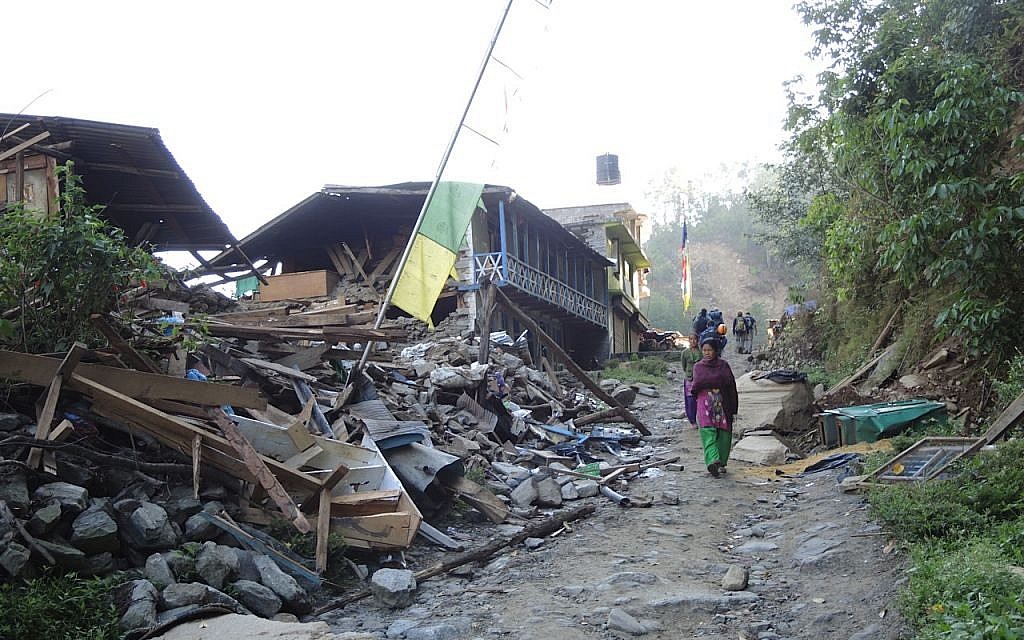
What was once a road became a maze filled with rubble. You could look through one side of a gaping building and see straight through to the Himalayan range on the border of Tibet. Everything in that image was sharp angles, the snowy white peaks thrusting against the black sky, framed by a ragged outline of crumbled brick. Eleven people died in this village, home to a few dozen families. Eleven people is a tragedy, but also a miracle, gazing at the destruction, that so many survived.
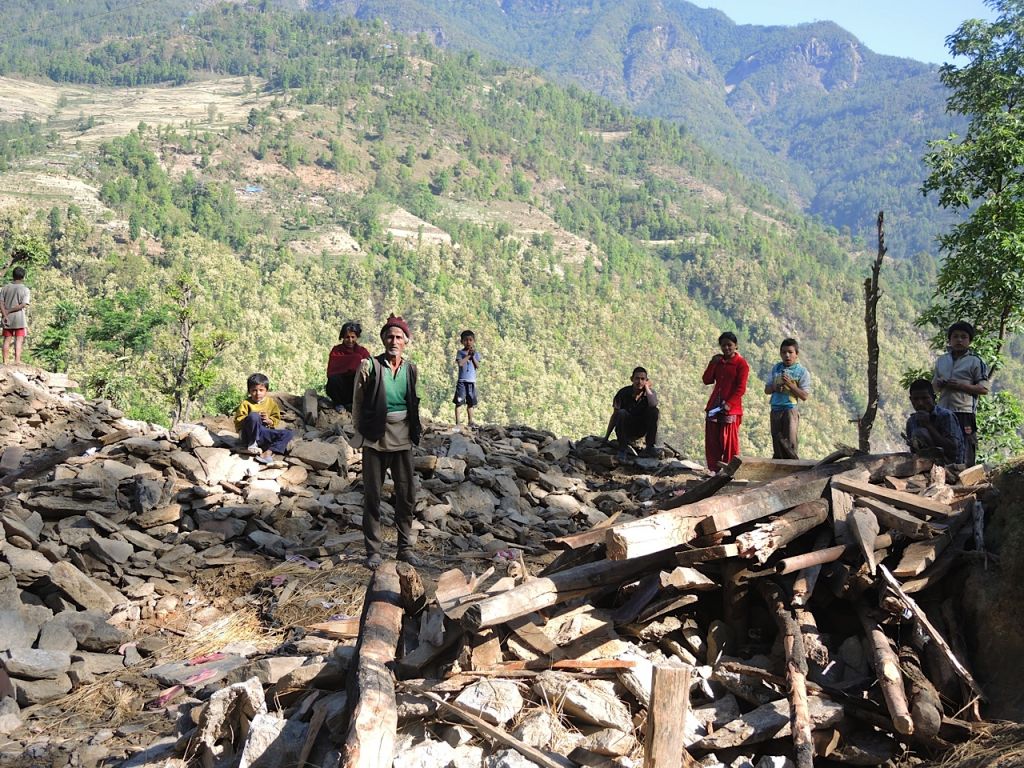
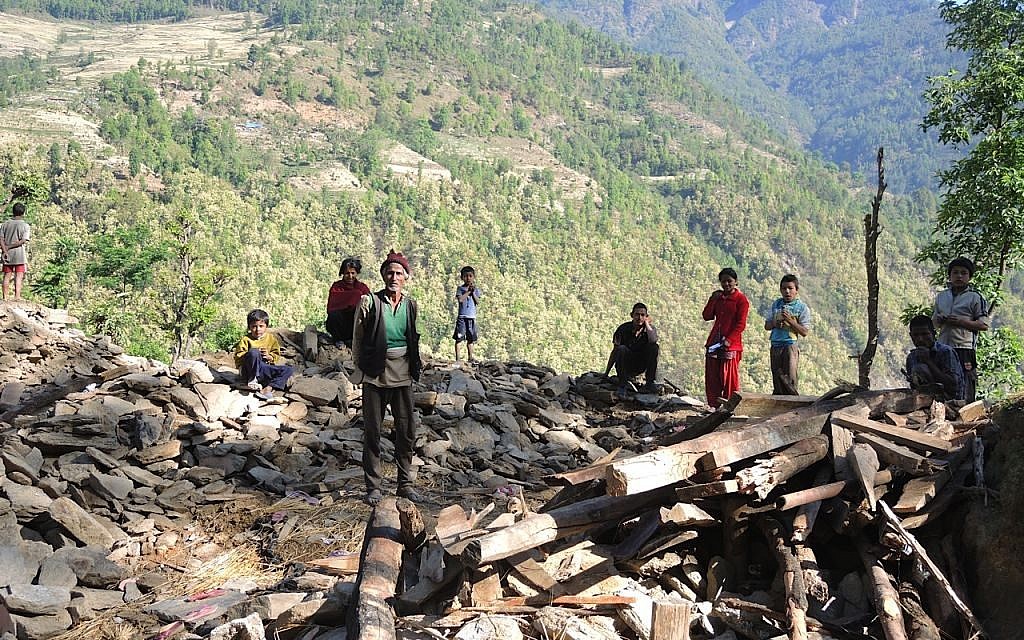
The few residents we saw were huddled under a plastic sheeting, up above us, wondering why people speaking in a strange tongue were traipsing through their destroyed village at close to midnight under a full moon.
Because now I understand, I told them silently. Because now, I understand the scope of this disaster. I had to drive seven hours to see it, bobbing up and down on unpaved roads and hopping out to help direct the bus as it skirted rock slides. I had to see your village under the moonlight, to wander among the piles of bricks and wonder about the children that played in these courtyards and the young couples who walked hand in hand through the rice paddies. Because now I understand what was lost, I told the houses and the people who lived here.
“We landed in Nepal and went straight to work,” Micky Noam Alon, an IsraAID coordinator told me the next morning, as we hiked through Topani under the early-morning sunlight, on the way to set up a mobile medical clinic in an even more remote location. “I was so focused on removing the rubble, searching for people, that I think last night walking through this village was the first time I thought about the whole earthquake, not just the building where we were working.”
Humbling. To face such destruction, to understand how helpless human beings are in the face of such immense natural power, Topani under the moonlight was humbling.
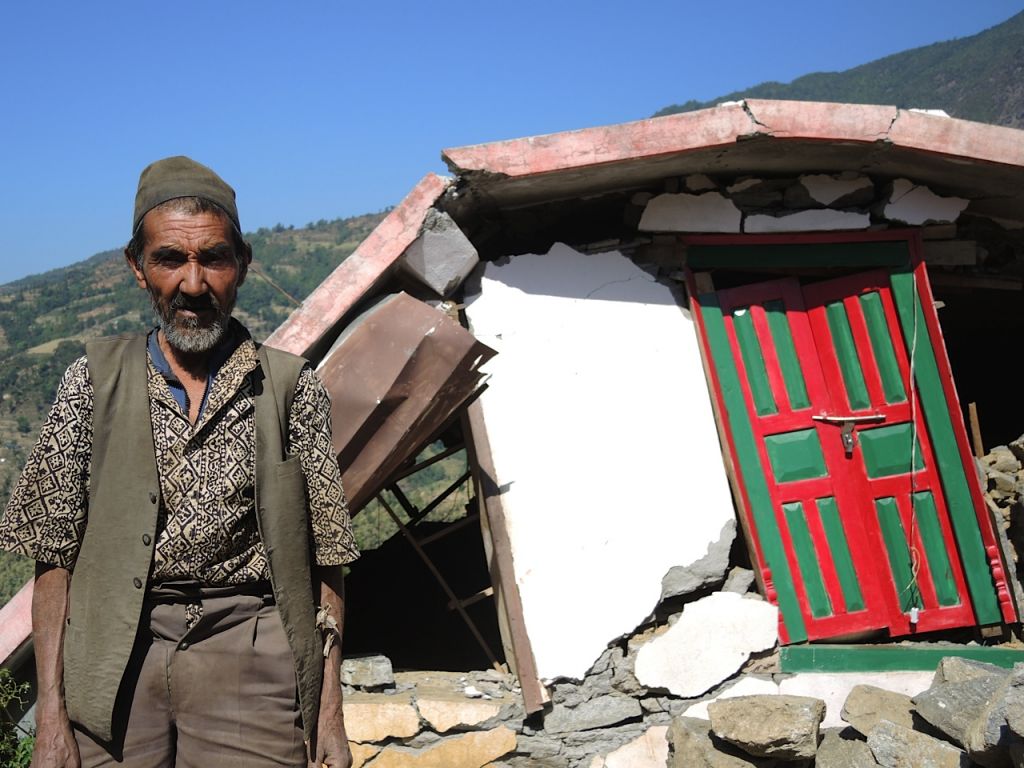
Not all of Nepal looks like Topani. Kathmandu, despite media reports, is largely unscathed. But there are so many Topanis around Nepal — isolated, demolished, grieving. So many villages look like this, so many impoverished places that were barely surviving before the earthquake, and now everything is lost.
From one shell of a house, a string of prayer flags flapped silently in the breeze. The moon shone bright above us, casting a strange silver glow on these piles of debris that used to be homes.
No one lives here now, the houses whispered, over and over. But people do live here, I wanted to shout back. The monsoon rains are coming in two weeks. People do live here. What will they do?
Only under the full moon, seeing this demolished village in black and white, could I finally understand the scope of the desperation.










The Times of Israel Community.