

Iran demands Iraqi action over consulate attack; 13 killed in crackdown
Tehran condemns burning of consulate by anti-government protesters in Najaf, tells Baghdad ‘responsible action’ needed; protesters killed by security forces in southern Iraq
 Add ToI as a Preferred Source on Google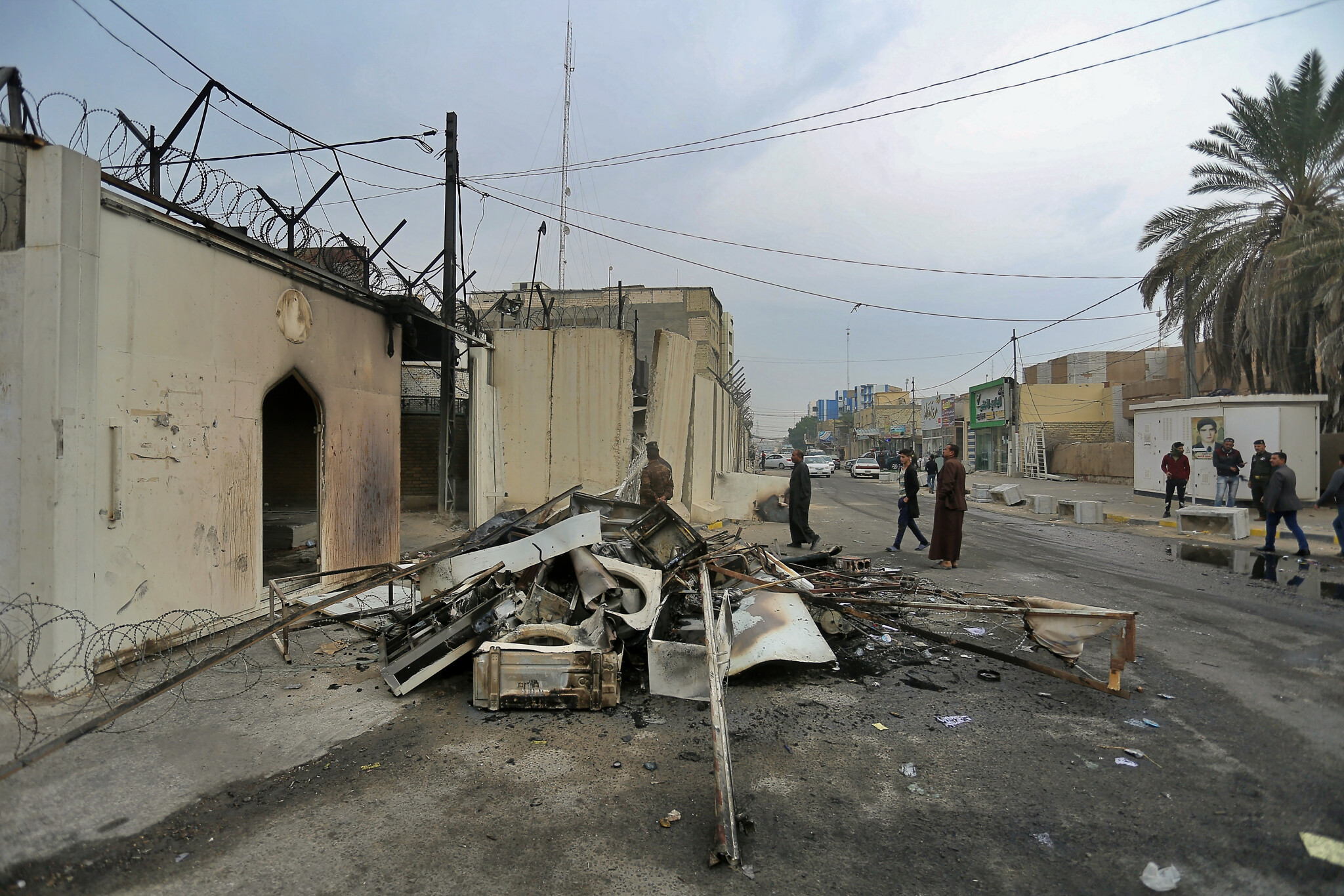
Iran on Thursday demanded Iraq take decisive action against “aggressors” behind an arson attack by protesters on its consulate in the neighboring country’s holy city of Najaf.
Foreign ministry spokesman Abbas Mousavi, quoted by state news agency IRNA, condemned the attack and “demanded decisive, effective and responsible action… against destructive agents and aggressors.”
“Iran has officially communicated its disgust to the Iraq ambassador in Tehran,” he said.
Thirteen people were killed when Iraqi security forces cracked down on anti-government protesters in the strife-torn south in a bloody escalation hours after the torching of the Iranian consulate.
At least 360 people have died in the protests as security forces have routinely used live ammunition and tear gas to disperse crowds, sometimes shooting protesters directly with gas canisters, causing several fatalities.
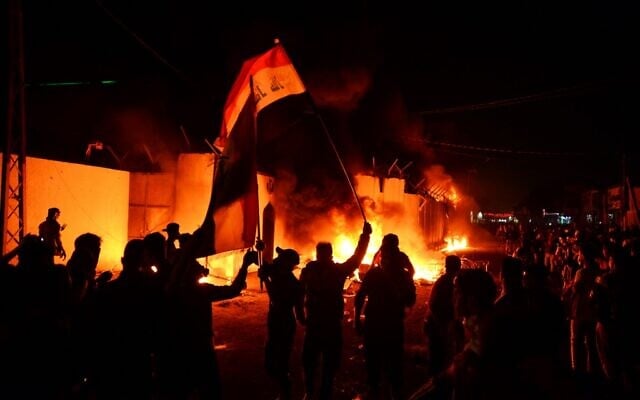
Protesters had set fire to the Iranian consulate in Najaf late Wednesday night. Iranian staff were not harmed, escaping out the back door. One demonstrator was killed and 35 wounded when police fired live ammunition to prevent them from entering the building.
Once inside, the demonstrators removed the Iranian flag and replaced it with an Iraqi one, according to a police official who spoke on condition of anonymity, in line with regulations.
“Victory to Iraq!” and “Iran out!” they chanted against the country they accuse of propping up a government they have been demonstrating against for nearly two months.
Iran’s consulate in Iraq’s second holy city of Karbala was targeted earlier this month, and security forces defending the site shot four demonstrators dead at the time.
Iran and Iraq have close but complicated ties. The two countries fought a devastating 1980-1988 war, but Iran now has significant sway among Iraqi political and military leaders.
Anti-government protests have gripped Iraq since October 1, when thousands took to the streets in Baghdad and the predominantly Shiite south. The largely leaderless movement is accusing the government of being hopelessly corrupt, and also decries Iran’s growing influence in Iraqi state affairs.
A curfew was imposed in Najaf after the consulate was burned. Security forces were heavily deployed around main government buildings and religious institutions on Thursday morning. The province is the headquarters of the country’s Shiite religious authority.
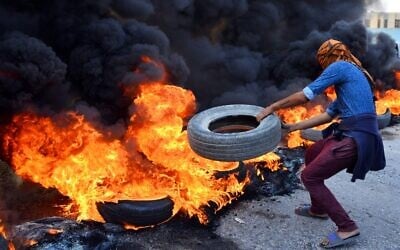
The consulate attack comes after days of sit-ins and road closures with protesters cutting access to main thoroughfares and bridges with burning tires. Protesters have also lately targeted the state’s economic interests in the south by blocking key ports and roads to oil fields.
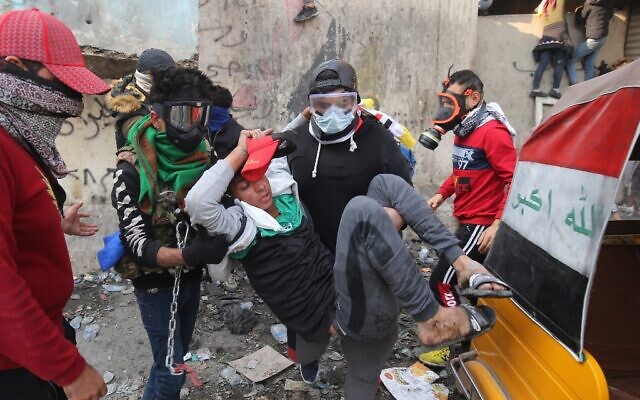
In the oil-rich province of Nassiriya, 14 protesters were killed overnight and 75 wounded by security forces who fired live ammunition to disperse them from a key bridge, security and medical officials said Thursday. Demonstrators had been blocking Nasr Bridge leading to the city center for several days. Security forces moved in late Wednesday to open the main thoroughfare. The officials spoke on condition of anonymity in line with regulations.
In Basra, security forces were deployed in the city’s main roads to prevent protesters from staging sit-ins, with instructions to arrest demonstrators if they tried to block roads.
Basra’s streets were open as of Thursday morning, but roads leading to the two main Gulf commodities ports in Umm Qasr and Khor al-Zubair remained closed. Schools and official public institutions were also closed.
Protesters had brought traffic in the province to a halt for days by burning tires and barricading roads.




The Times of Israel Community.