

Israel records 15 new coronavirus deaths, more than 1,800 cases over weekend
Health Ministry says 438 patients currently in serious condition with 116 of them on ventilators; 191 people in moderate condition
 Add ToI as a Preferred Source on Google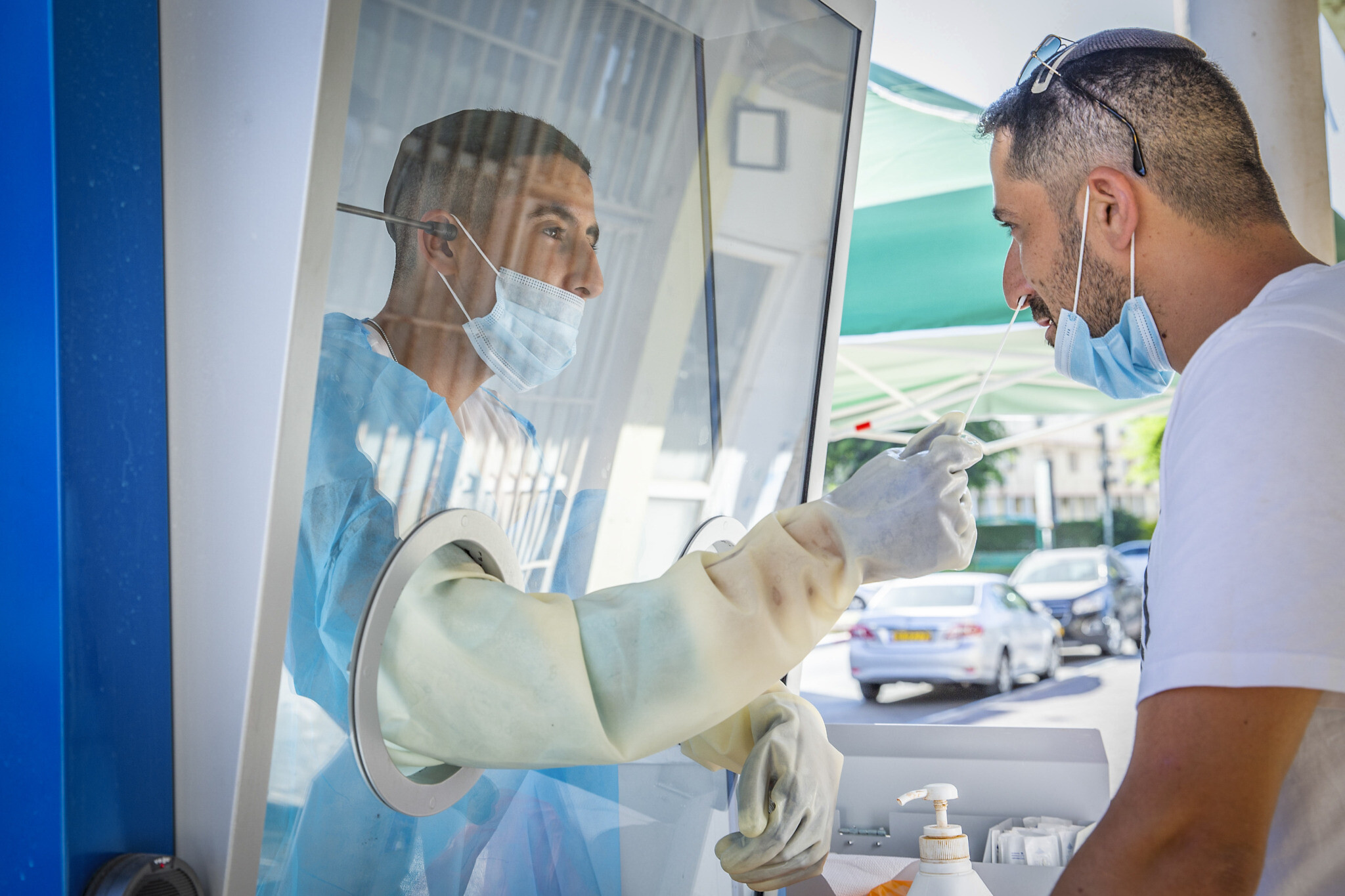
The Health Ministry reported Saturday evening that 1,831 people tested positive for the coronavirus over the course of Friday, and 15 more people died of the disease, according to the ministry’s tallies between Friday and Saturday.
Israel’s cumulative death toll from the coronavirus stood at 906, the Health Ministry’s figures showed on Saturday evening.
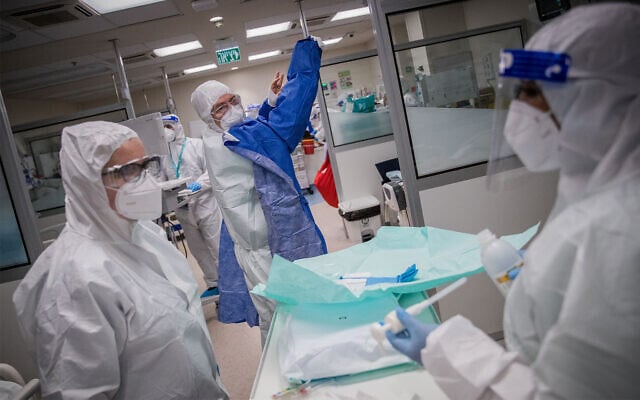
Of the 20,331 active cases in Israel as of Saturday, 438 patients were in serious condition, with 116 of them on ventilators, and 191 people were in moderate condition. The remainder had mild or no symptoms.
Israel’s daily infection rate has remained at between roughly 1,800-1,900 daily confirmed cases over the past few days, with a peak on Thursday of 2,068. It was the highest seen in Israel since the end of July.
There have now been 113,337 confirmed cases of the coronavirus in Israel since the start of the pandemic.
The ministry said 23,263 coronavirus tests were performed on Friday, a number considered high for a non-weekday.
On Sunday, ministers are expected to discuss coronavirus czar Prof. Ronni Gamzu’s “traffic light” plan, which last week they refused to approve for a third time. The refusal was reportedly due to opposition from ultra-Orthodox ministers, who are against restrictions that could shutter synagogues in high-infection areas.

Gamzu’s plan outlines restrictions to be imposed during the High Holiday period, which begins next month.
The plan would only place restrictions on cities with high morbidity rates, where the rate of infection is not slowed by September 10. The restrictions would take effect starting from Rosh Hashanah until October 11, after the Sukkot holiday.
Housing Minister Yaakov Litzman said in an interview published Friday that his United Torah Judaism party would consider leaving the coalition if a nationwide lockdown is imposed over the holiday period.
“The approval for mass demonstrations [outside the Prime Minister’s Residence] alongside the opening of cultural centers, but with continued restrictions on synagogues and the prevention of travel to Uman, have destroyed public confidence in the system,” Litzman told the Hamodia daily.
On Wednesday, Ukraine announced it would seal its borders to foreigners through September to curb rising coronavirus infections, blocking Israeli and Jewish pilgrims from traveling to the city of Uman.
The city usually sees tens of thousands of Hasidic Jews visit the gravesite of Rabbi Nachman of Bratslav for the Rosh Hashanah holiday, which this year begins the evening of September 18.
The announcement of the entry ban came after Gamzu asked Ukrainian President Volodymyr Zelensky to prevent the pilgrimage, fearing returning pilgrims could drive up infection rates in the Jewish state upon their return.







The Times of Israel Community.