

Israeli official: Reconstruction of Gaza can begin immediately in areas held by IDF
Current ‘Yellow Line’ sees Israel in control of around 53% of Strip; Smotrich insists ‘war is not over yet’ and rehabilitation cannot begin until Hamas is ‘completely dismantled’
 Add ToI as a Preferred Source on Google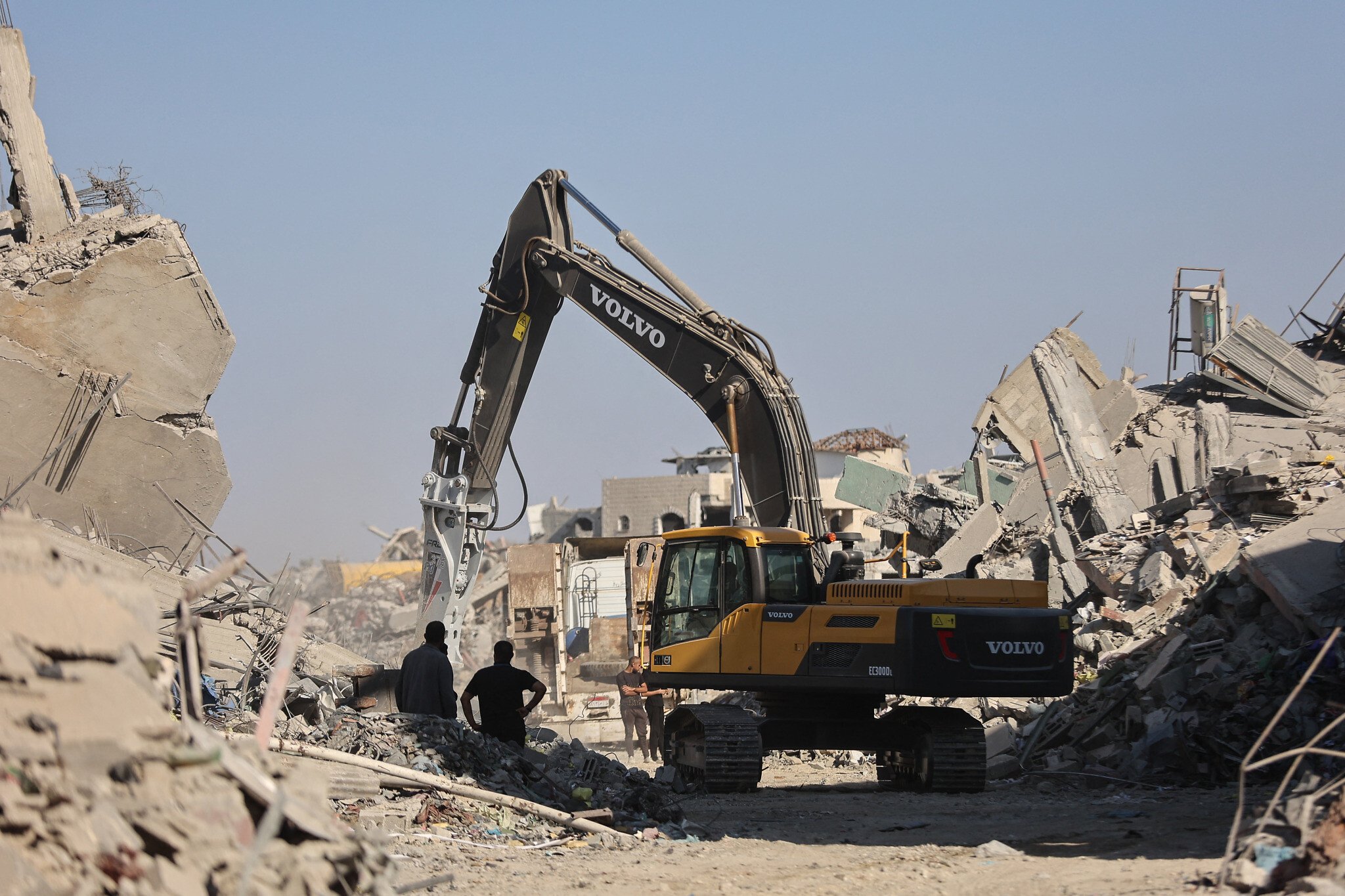
Reconstruction on the Israeli-controlled side of the “Yellow Line” in the Gaza Strip can start right away and doesn’t have to wait for the second phase of the Gaza peace plan brokered by US President Donald Trump, an official in the Prime Minister’s Office told The Times of Israel on Monday.
“The land is clear now, and actually we can start building,” the official said. “We don’t need to wait for phase two on our side.”
The official said that Israel is not opposed to investors and builders from a variety of countries beginning efforts to rebuild in areas controlled by the IDF.
“If there [are] people that are pro-Israel, and won’t be in any way a harm to Israel, why not bring them in?” the official asked. “Why not let them build?”
During his visit to Israel last week, US Vice President JD Vance floated a similar approach.
“This is all still pretty early, but that’s the basic idea,” he said in comments before leaving Israel. “Take the areas where Hamas is not operating, start to rebuild very quickly, start to bring in the Gazans so they can live there, so they can have good jobs and hopefully some security and comfort, too.”
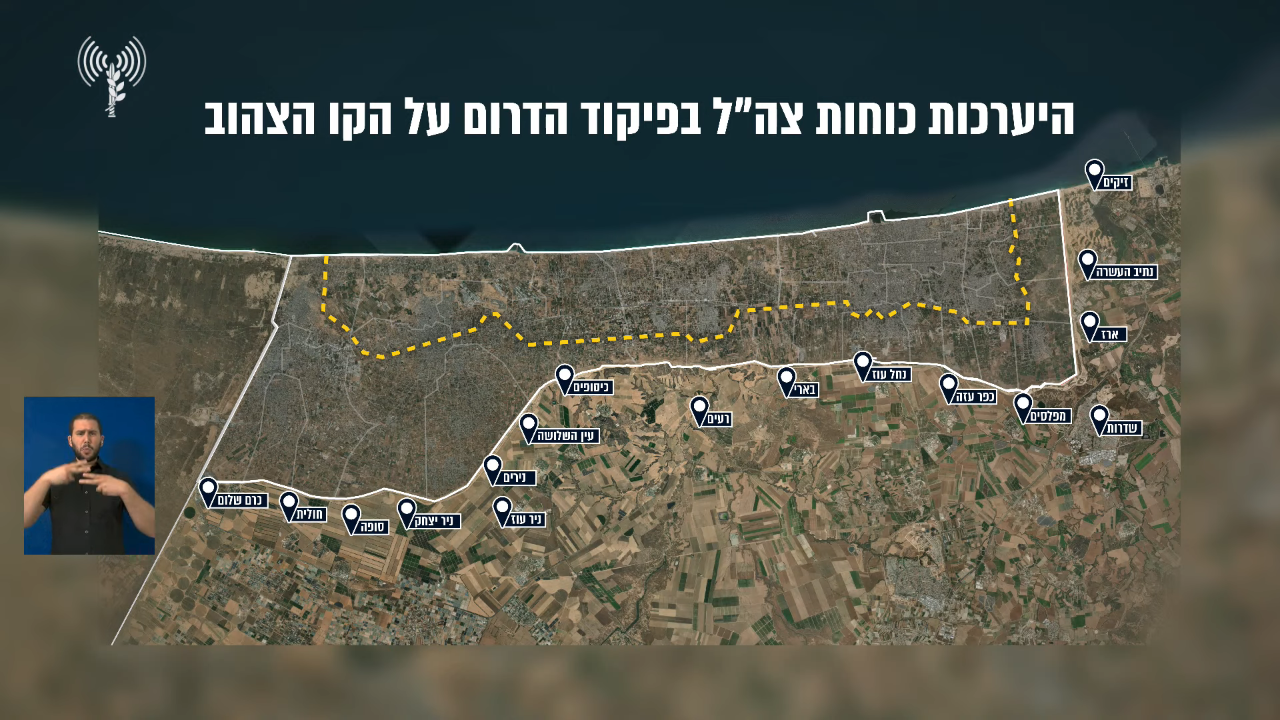
With the onset of the ceasefire earlier this month, IDF troops withdrew to the so-called Yellow Line, which leaves Israel in control of approximately 53 percent of the Gaza Strip.
The division is intended as a temporary one under the Trump administration’s 20-point Gaza peace plan. Israeli troops are slated to withdraw further once the so-called International Stabilization Force, a multinational collection of troops set up by the US and Arab and Muslim allies, is deployed to the Strip.
No firm timeline has been set for the next stages of the Gaza plan. But the Trump administration is working to set up the international force to police the truce by securing commitments from Arab and Muslim nations. Troops from Azerbaijan, Indonesia and Pakistan are reportedly likely to take part in the ISF.
Turkey has been pushing to play an active role in overseeing the ceasefire as well as in reconstruction efforts, but Israel has strongly pushed back against allowing Ankara a foothold in the Strip. Relations between Turkey and Israel collapsed during the war.
The Trump administration’s peace deal also calls for an “economic development plan to rebuild and energize Gaza” created by a panel of experts, aimed at working to “attract and facilitate these investments that will create jobs, opportunity, and hope for future Gaza.”
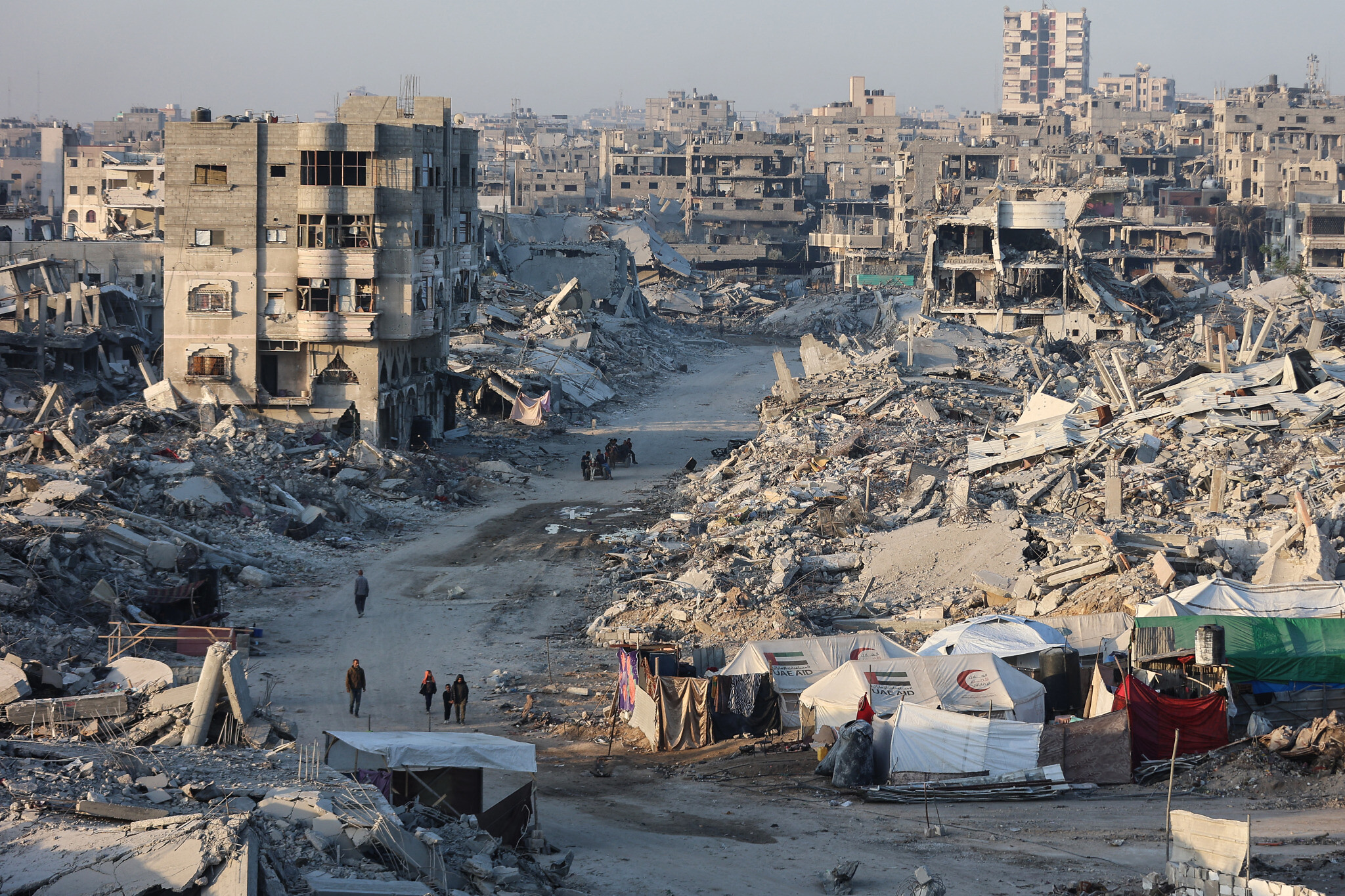
The United Nations has estimated that it will cost approximately $70 billion to restore and rebuild Gaza after the grueling two-year war, including removing more than 61 million tons of debris.
The Hostages Families Forum on Monday demanded that the next steps in the US plan be put on hold until all the bodies of the 13 deceased hostages still held in Gaza are returned. While Hamas said it returned a body on Monday night, the initial assessment in Israel was that the terror group actually handed over additional remains of a hostage whose body had already been returned to Israel.
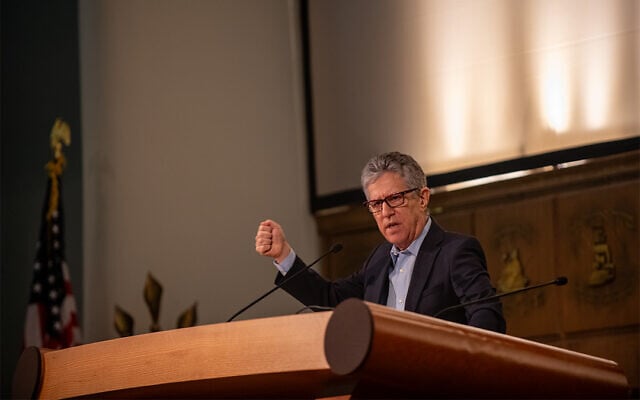
Meanwhile, Finance Minister Bezalel Smotrich, leader of the far-right Religious Zionism party, insisted on Monday that “the war is not over yet,” despite the US-brokered ceasefire agreement and Trump saying that the war has ended.
Smotrich, who has called Gaza an “inseparable part of Israel” and called for the reestablishment of Israeli settlements there, vowed that “Israel will not allow the rehabilitation of Gaza as long as Hamas has not been completely dismantled,” which is “a fundamental condition for rebuilding.”
Smotrich also addressed his controversial comments last week on Saudi-Israeli normalization, in which he suggested that Riyadh “keep riding camels in the desert.” He later apologized for the comment, which was widely condemned.
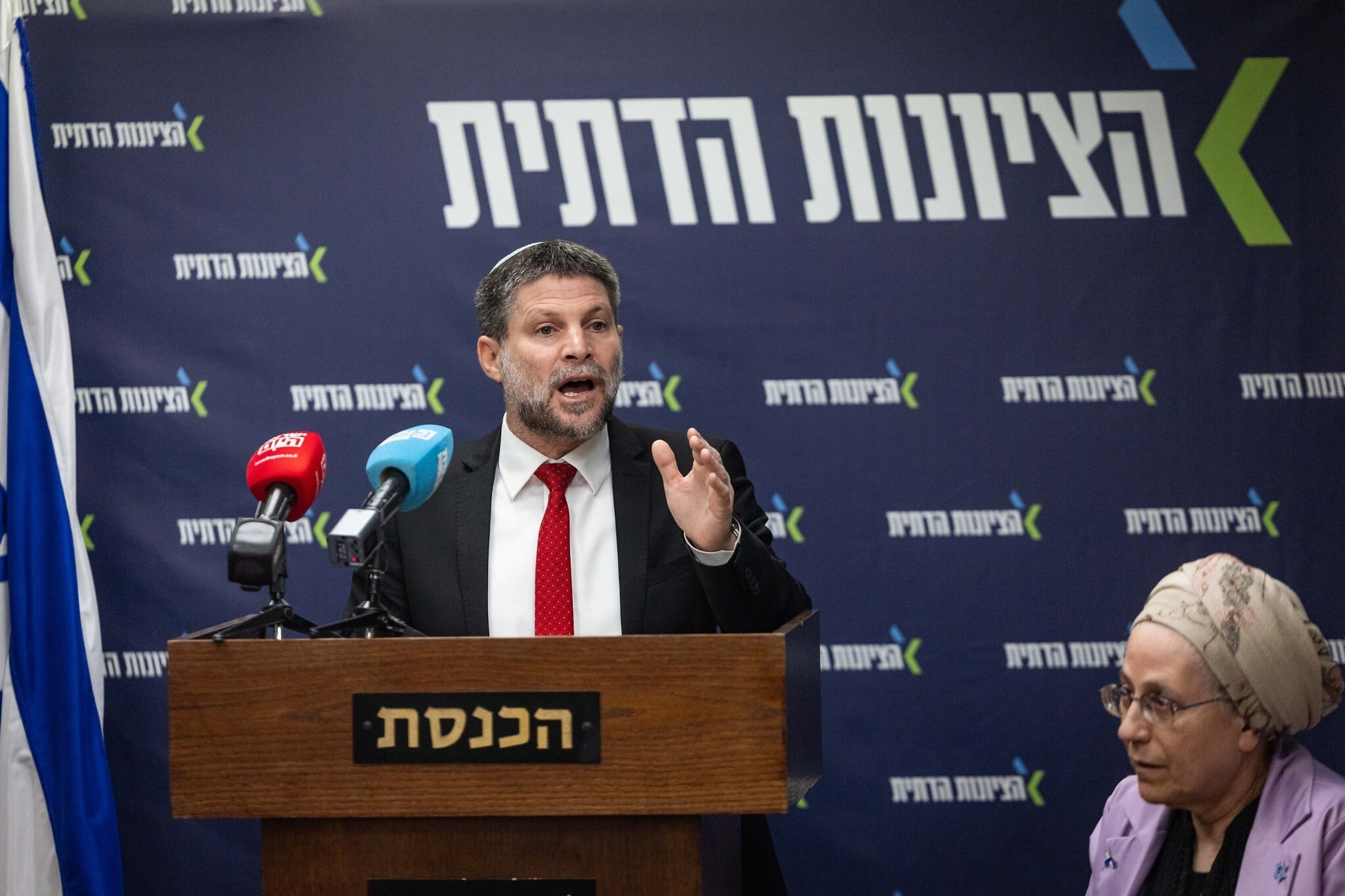
Speaking to reporters on Monday, Smotrich reiterated that “no one… is doing us a favor by normalizing relations with us and joining the Abraham Accords.”
The finance minister said that Israel “has always extended a hand in peace” but “will not accept any conditions that involve dividing the land, giving up parts of our homeland, or denying our heritage and our roots.”
Prime Minister Benjamin Netanyahu has long sought a normalization deal with Saudi Arabia. But Smotrich said last week that he wouldn’t agree to such an accord if it meant the establishment of a Palestinian state, adding the disparaging comment about camels, which sparked fierce backlash.
Riyadh has long insisted that it will only normalize ties with Israel if Jerusalem agrees to establish a time-bound, irreversible pathway to a future Palestinian state, which Smotrich and other members of Netanyahu’s right-wing government vehemently oppose.
Agencies contributed to this report.








The Times of Israel Community.