

Israeli scientists harness molecule to treat rare disease common in Ashkenazim
Research team isolates GHF-201 to fight APBD, a nervous system disorder mostly found in Jews of Eastern European descent, as patients eagerly await the green light for treatment
 Add ToI as a Preferred Source on Google
Reporter at The Times of Israel
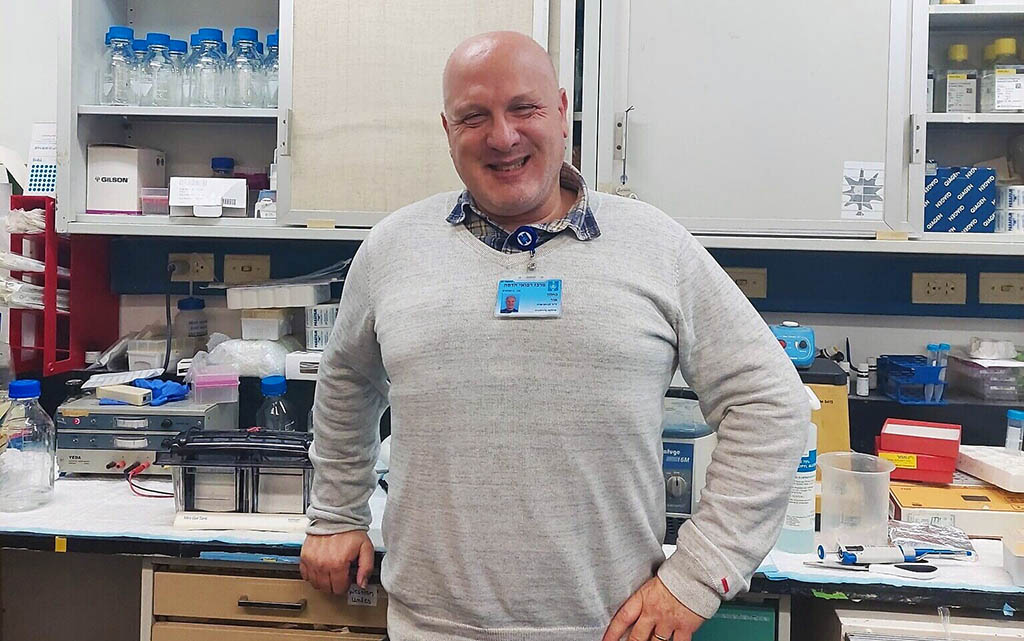
Chagit Schreiber of Petah Tikva is the mother of six and the grandmother of 21. She used to run a nursery in her home, taking care of even more children, until she started to bump into things and complain of loss of feeling in her legs. After more than six years of consulting with doctors, she discovered she has Adult Polyglucosan Body Disease (APBD), a genetic disorder found predominantly among Ashkenazi Jews that affects the nervous system.
APBD is considered one of the rarest diseases in the world. Globally, there are 300 known APBD patients. In Israel, there are only 33 registered patients, a number so small that they have their own WhatsApp group to support each other and learn ways to cope with the condition.
Today, Schreiber is confined to a wheelchair, unable to walk. But a recent discovery by Dr. Or Kakhlon of the Hadassah-Hebrew University Medical Center is giving cause for cautious optimism to Schreiber and other APBD patients.
Kakhlon’s work with Prof. Miguel Weil of the George S. Wise Faculty of Life Sciences at Tel Aviv University has led to the discovery of a small molecule, GHF-201, which, Kakhlon said, is capable of “degrading polyglucosans which cause APBD.”
Kakhlon recently won a grant to continue his research, and an Urgent Compassionate Use Program to treat three APBD patients with GHF-201 that was begun two years ago at the Hadassah Ein Kerem Medical Center looks promising.
One of those patients is 69-year-old Orly Shani, who started the WhatsApp group.
A former high school high jump champion, Shani first discovered something might be wrong after she fell on her back while skiing in 2017 and couldn’t walk afterward. She thought she had suffered a stroke. When told she had APBD, for which there was no cure, Shani said she was determined to find a solution.
The day after her diagnosis, Shani began writing letters to different pharmaceutical companies and contacted as many people as she could think of. Since she started the experimental drug treatment, she said the disease has stopped progressing.
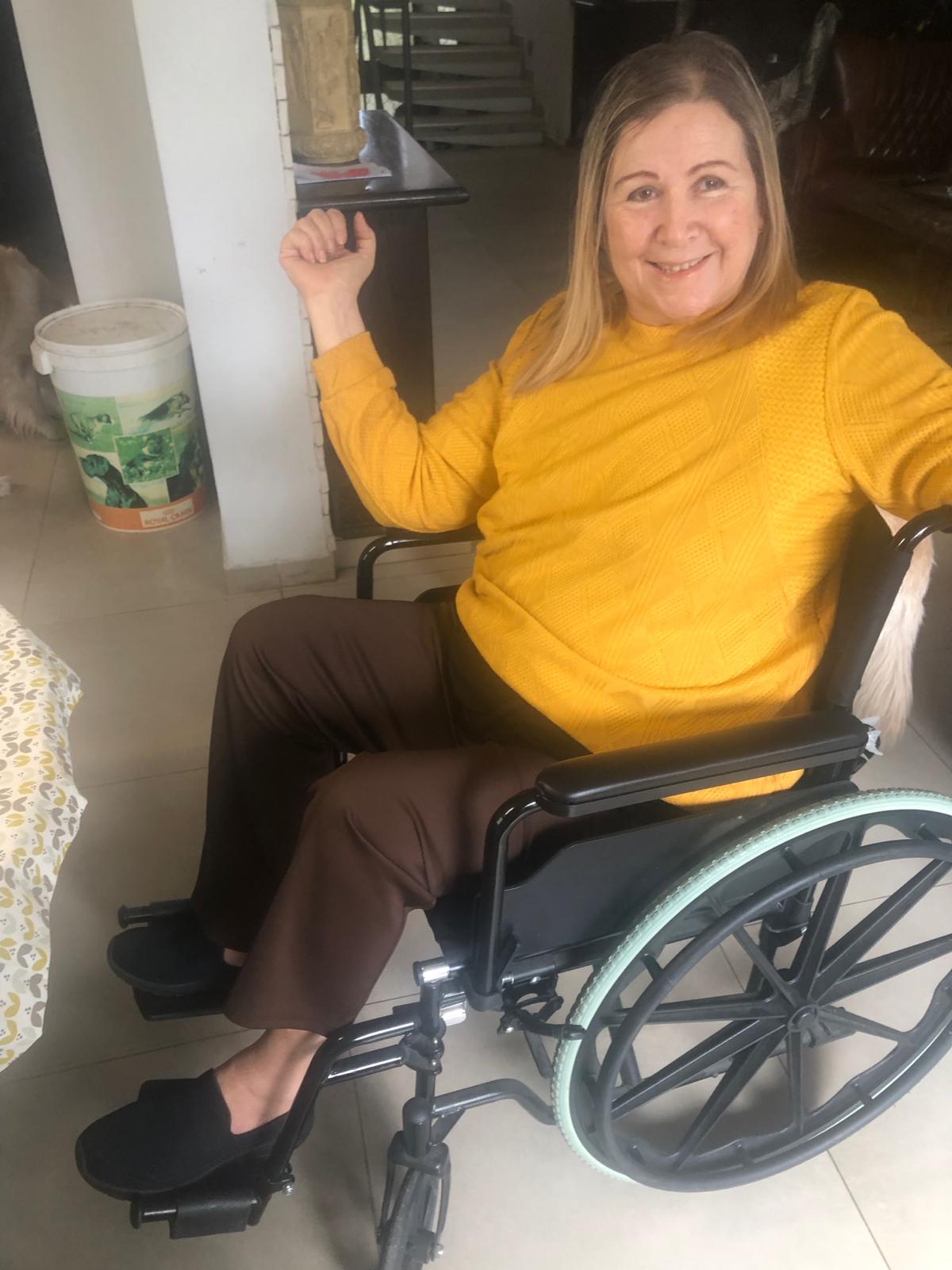
“I’ve been dreaming of something that can’t happen, but it’s happening,” she said. And although she is still in a wheelchair, Shani said, “I enjoy life, I go to the beach, and I know I’m going to dance again.”
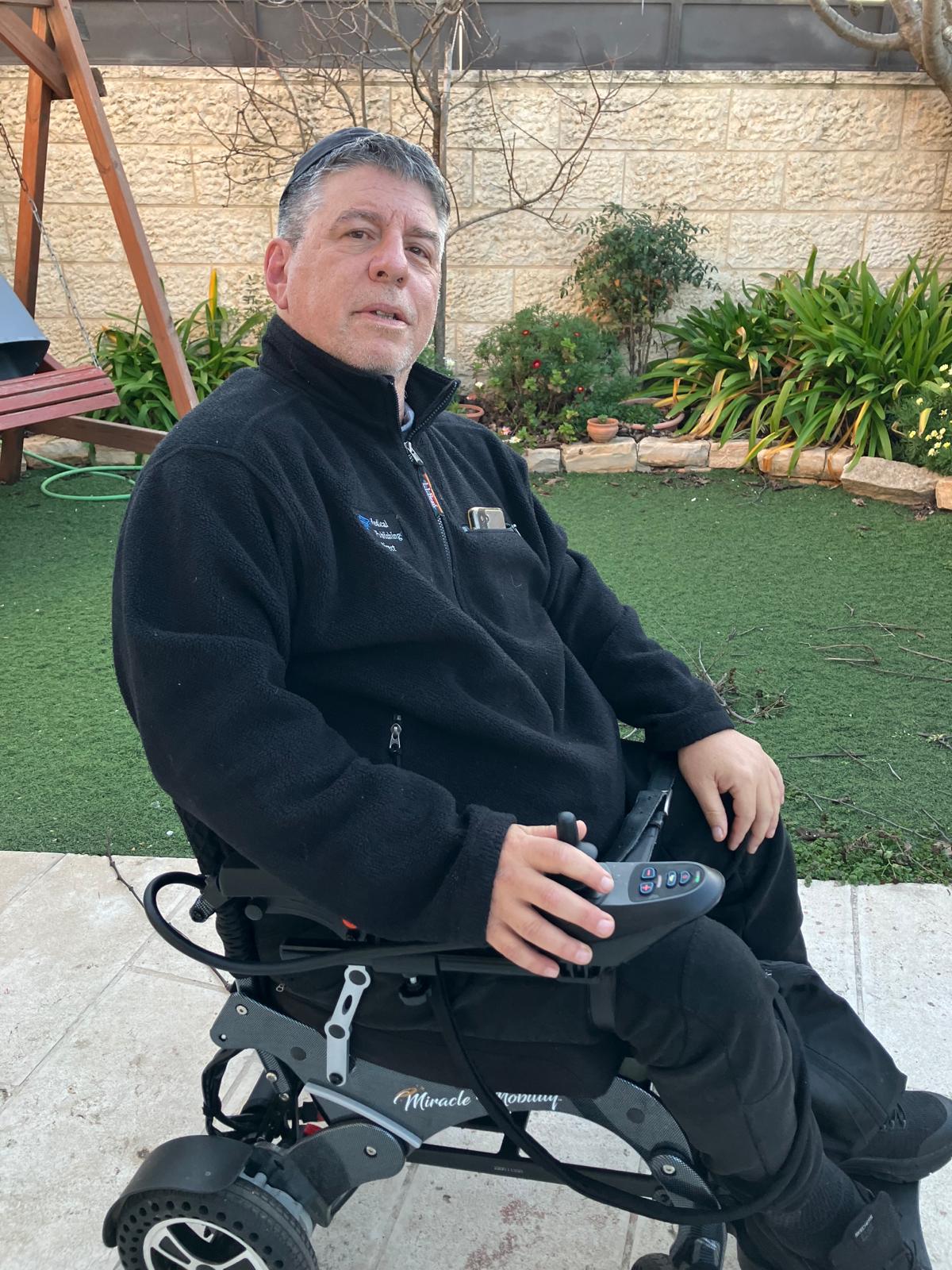
“Almost no doctor has ever heard of APBD,” said Sean Gordon, 65, who had been running for years. In 2016, he started experiencing pain in his knees. An orthopedist said there was nothing wrong with him. Next, a physical therapist said that perhaps he had a neurological problem. After “many years and many doctors,” he was finally diagnosed with APBD.
Gordon said that because of the disease, his muscles have stiffened, preventing normal fluid movement. This outward symptom resembles Multiple Sclerosis, as well as Amyotrophic Lateral Sclerosis (ALS). Often misdiagnosed, APBD patients can endure unnecessary surgeries or take the wrong medications with serious side effects.
Walking is a “beautiful symphony of your muscles relaxing and tightening,” something that people with APBD “just can’t do,” Gordon said.
Although the disease is not terminal, APBD patients eventually lose their ability to walk and control their bladder and bowels. Some develop dementia. Gordon, a former tech executive who used to travel around the world, is now in a wheelchair. He said he was forced to retire a few years ago because “hi-tech is a young man’s game, and walking around with crutches doesn’t go over so well.”
Medical breakthrough
Prof. Alexander Lossos, who is directing the Urgent Compassionate Use Program at Hadassah Hospital with research coordinator Anat Mordechai, was the first person to learn about APBD. That was in 1990, when two patients came to see him with similar symptoms at about the same time. After many tests, Lossos discovered that both patients had excess deposits of polyglucosan, caused by a defect in an enzyme that is responsible for building the sugar deposit, glycogen, in the body.
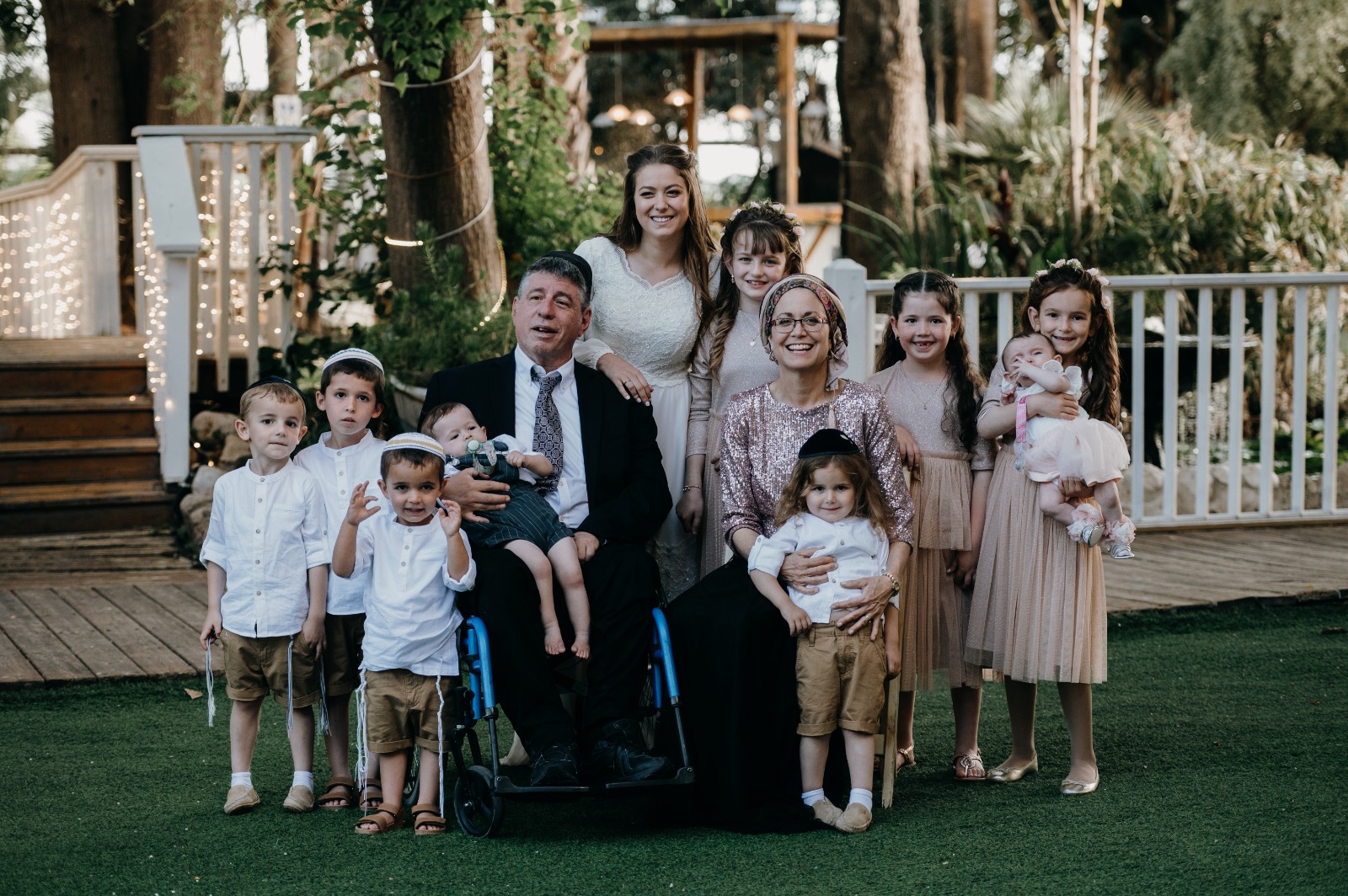
In 2010, Lossos asked Kakhlon to help him with his research. Kakhlon then reached out to Weil at Tel Aviv University. Born in Argentina, Weil immigrated to Israel in 1983 and is the founder and director of the Cell Screening Facility for Personalized Medicine. Weil established this facility in 2010 as Israel’s first fully automated, image-based, high-content drug screening facility to search for potential drug therapies for rare diseases.
Multi-phase clinical trials cannot be performed to evaluate a medicine’s efficacy because of the low number of patients available. The facility has developed a novel approach to identify diseased cells in patients with rare diseases such as APBD.
Working together for more than two years, Kakhlon and Weil screened over 10,000 molecules and narrowed their search down to five small molecules, and then to one, GHF-201.
Kakhlon tested GHF-201 on mice modeling APBD and found that the compound improved the mice’s locomotion and their reflexes.
“The results were fantastic,” Kakhlon said. He believes that the discovery could provide relief for other disorders, including Pompe Disease, which affects children, in which the enzyme that helps the body degrade glycogen to glucose for energy does not work properly.
“Understanding the mode of action of this GHF-201 as well as other compounds can help cure a broad spectrum of diseases,” Kakhlon said
Help for an ‘orphan’
In December 2023, the United States Food and Drug Administration granted Golden Heart Flower, the Israel-based pharmaceutical company that owns GHF-201, its Orphan Drug Designation, paving the way for it to treat APBD and similar diseases.
The FDA’s Orphan Drug Designation supports the development of medicines for rare diseases or conditions that affect fewer than 200,000 people in the US. It gives the receiving pharmaceutical company significant incentives to promote the development of the drug — though, Kakhlon points out, it is not funding the Israeli startup that runs the compassionate use program.
One US organization, the Adult Polyglucosan Body Disease Research Foundation, is currently raising money for a clinical trial in America.
Meanwhile, Schreiber and several other registered APBD patients in Israel are not able to take part in the local compassionate use program, which is limited to the three patients initially approved for the experimental trial. For now, they must make the best of living with their condition. Her husband, Shimon, helps her with shopping and housework. Just being able to cook from her wheelchair and put things in the dryer is an accomplishment.
A pinch of chutzpah
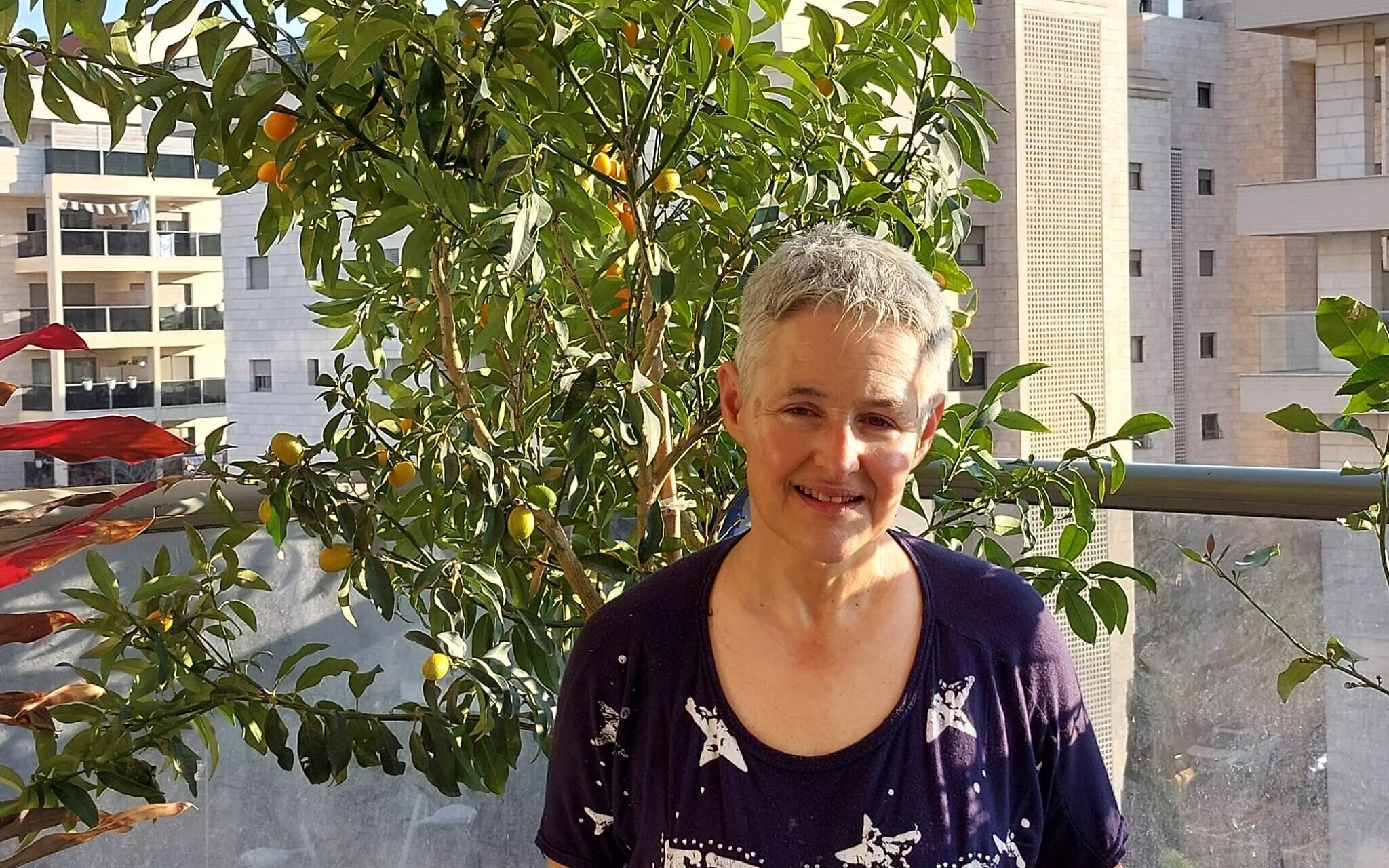
APBD patients carry the genetic disorder from birth, but might not exhibit symptoms until after the age of 40. Nurit Gabay, 57, another member of the WhatsApp Group, is one of the few people who manifested symptoms of the disease when she was young.
“I didn’t write until I was nine,” Gabay said. Her parents yelled at her — “They didn’t understand what the problem was” — and thought she was clumsy. Despite her difficulties walking, she still goes to a mall in Kfar Saba three times a week, not to shop but to climb up the stairs — up 16 floors six times “to improve my strength and make me feel more confident.”
She suffers from back pain and she’s still clumsy. On the street, people want to help her, often offering to give her a lift.
“It’s nice, but I need to learn to cope with my condition,” Gabay said. “There’s not always medicine for everything.”
Yet Shani is still fighting to make the cure available to others.
“You need determination and chutzpah,” she said, using the Hebrew term for audacity, adding that despite the ongoing war, “in Israel, technology and innovation are still on our side.”










The Times of Israel Community.