

Israeli-founded ‘Waze of the seas’ puts AI at helm to navigate crowded waters
Co-Captain system lets vessels share real-time data and alerts about GPS spoofing, congestion, and security threats, helping them sail safely through perilous straits
 Add ToI as a Preferred Source on Google
Sharon Wrobel is a tech reporter for The Times of Israel
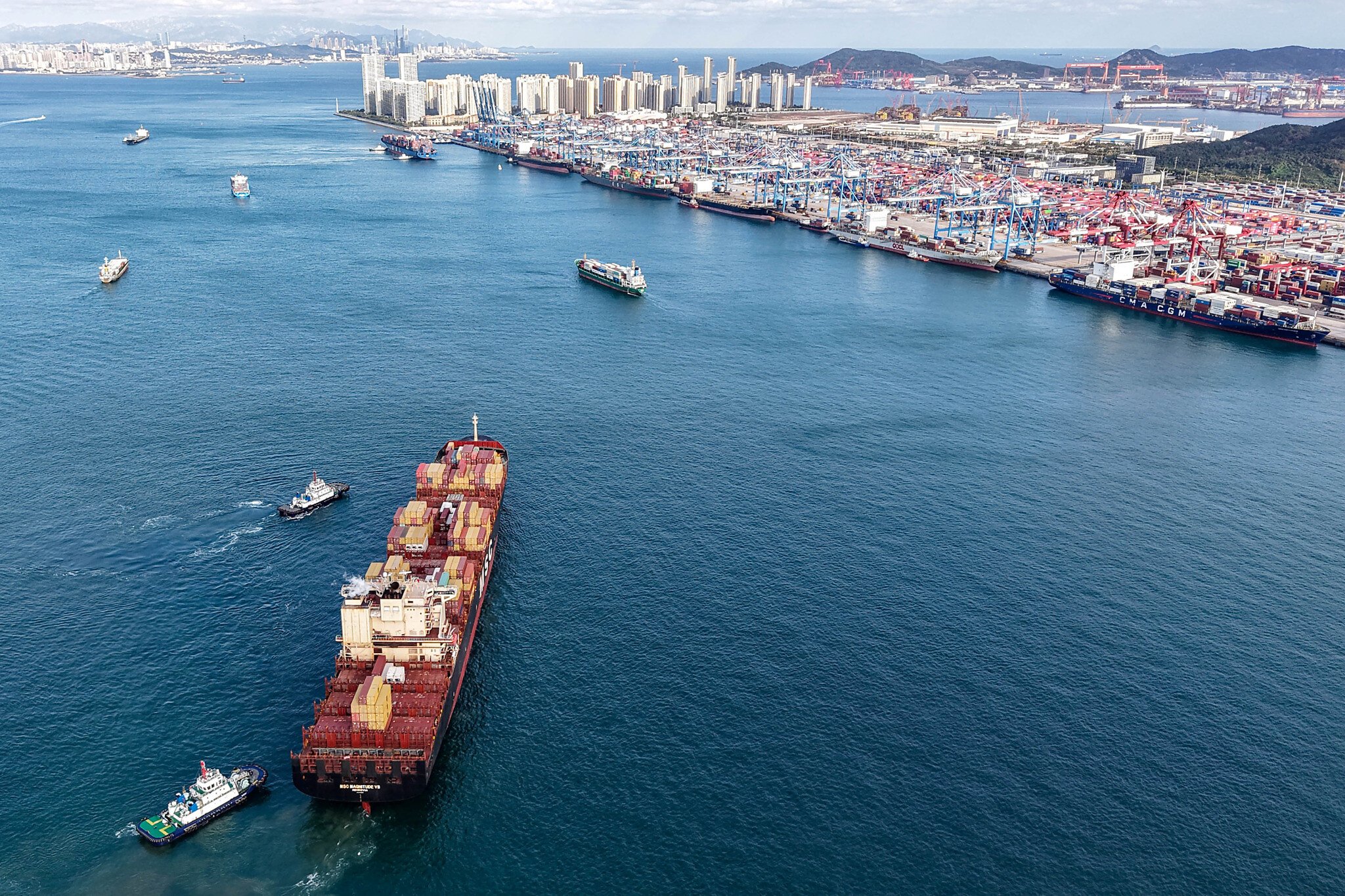
Dor Raviv spent much of his childhood on yachts, sailing and traveling around the world with his family. Yarden Gross was born into a family that ran a business taking visitors on tourist boats around the Sea of Galilee in the north of Israel.
The two founders met and became friends during their military service in the Israeli Navy. Raviv served as a maritime navigation instructor and worked on a project for unmanned vessels, and Gross was a course instructor.
Then their paths diverged. At the age of 30, Raviv, an electrical engineer, and Gross, an entrepreneur, met again by chance and decided to turn their deep-rooted knowledge of the sea and tech experience into fulfilling a dream: the development of an autonomous system for navigating commercial ships and navy vessels in congested waters, similar to hazard-avoidance systems being pioneered for landlubbers in cars.
The two naval tech experts founded Orca AI in 2018, aiming to use artificial intelligence to make the high seas safer. Their autonomous maritime navigation platform aims to steer ships clear of various threats, from fellow seafarers to missiles or bridges, securing an increasingly crowded and always perilous channel for global trade.
“As more than 90 percent of all commerce is transported on board large commercial ships, we aim to make maritime commerce more safe, sustainable and secure for the entirety of the supply chain,” Raviv told The Times of Israel. “We have seen the fragility [of maritime trade routes] most recently with Yemen’s Houthi rebels attacking ships in the Red Sea and the Suez Canal blockade a few years ago.”
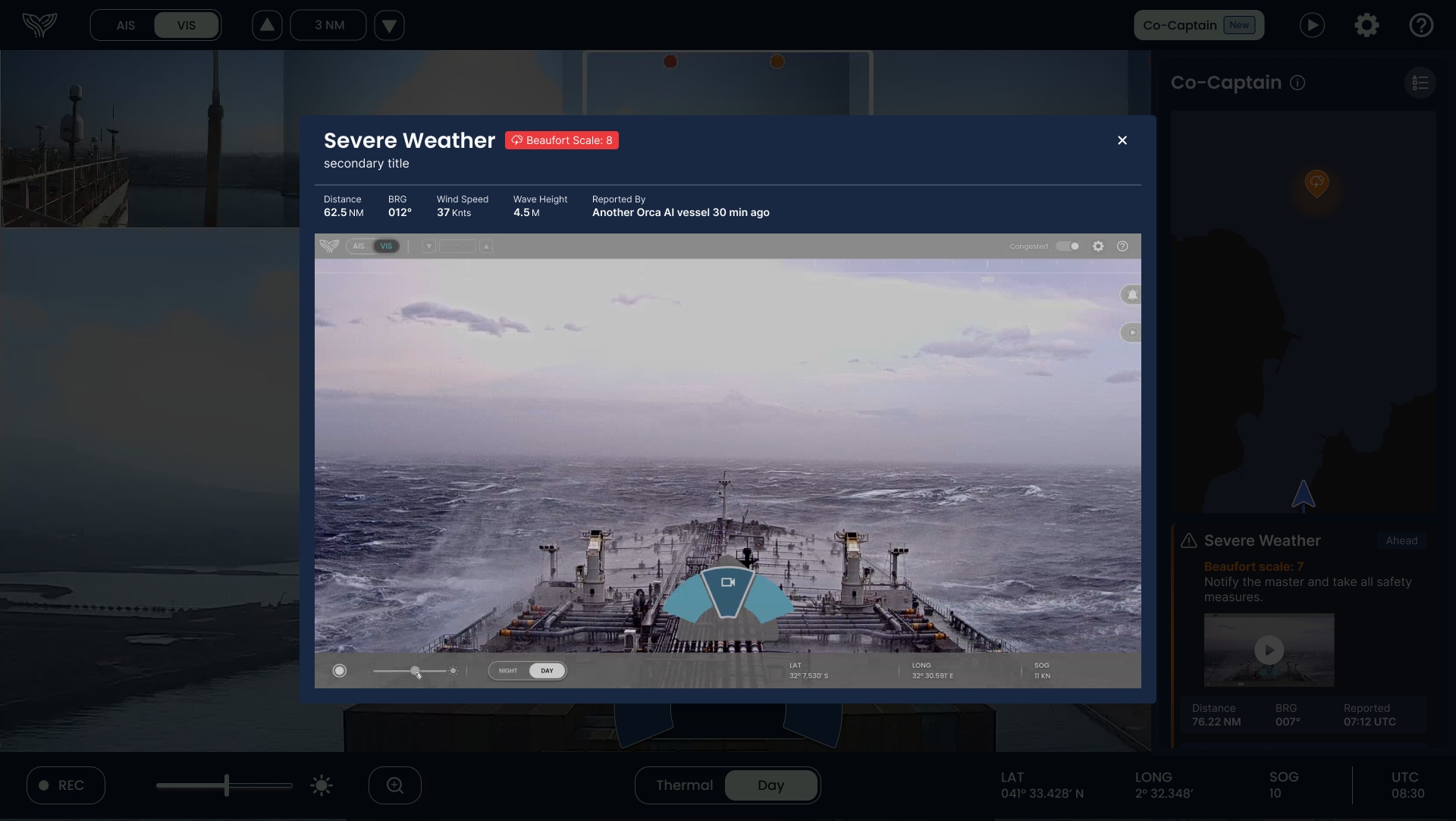
Earlier this month, the startup launched a new onboard system called Co-Captain, which the firm describes as “Waze of the Seas.” The system enables real-time sea condition data-sharing between vessels on traffic, weather conditions, and other disruptions to help crews anticipate hazards early and navigate risks in complex waters.

“We took inspiration from our day-to-day life using Google Maps and Waze, although in the maritime industry there are different types of events and routes that if you had prior acquired knowledge of, such as low-visibility conditions, you could quickly adjust your route,” said Raviv, who serves as Orca’s CTO. “In the maritime world, ships do not communicate with each another and rely mostly on traditional navigation tools such as radar systems, which have shortcomings.”
The popular crowdsourced traffic navigation app Waze, developed in Israel and now owned by Google, recommends the most advantageous routes for drivers, steering them clear of major traffic tie-ups where possible and warning about hazards along the route. Building on the concept of how drivers navigate by sharing real-time information about traffic conditions, accidents and hazards, Orca says it has developed a similar crowdsourcing system for maritime vessels.
“Collaborative navigation at sea is no longer optional — it’s a safety, environmental, and security imperative,” said Gross, who serves as CEO of Orca AI. “What we’re building is a living, evolving ecosystem, wherein each vessel becomes a key link in a safety chain that keeps crews connected and ahead of risk.”
Co-Captain is designed to integrate with Orca’s AI-powered maritime operations system for commercial vessels, which collects data and processes multiple sources of visual information from onboard sensors and thermal cameras using computer vision technologies. The system monitors weather conditions and identifies and classifies hazards and objects autonomously as vessels navigate the sea. The platform can detect floating containers, fishing boats, docking and sailing vessels, motorboats, ferries, navigation hazards, buoys, and whales.
Raviv explained that each vessel equipped with Orca’s platform is a data-gathering node that automatically uploads information to the cloud, continuously detecting risk targets, including fishing vessels, small craft, and navigational hazards like fishing nets.
The ships become part of a larger trusted network transferring information between each other in real time about security threats such as pirate attacks, GPS spoofing and jamming disruptions, while sending alerts on events, including severe weather or dense traffic. The verified alerts are sent to vessels on intersecting routes, enabling timely adjustments to speed, course or human watchkeeping.
“We upload all of these data to a single unified cloud where we conduct multiple types of processing, deploying AI algorithms, analyzing trends in shipping, understanding high traffic areas and anomalies, and benchmarking safety of navigation,” Raviv said.
After the platform analyzes the data it provides tailored alerts and guidance to aid shipping crews in making informed and timely navigation decisions.
Raviv said the AI intelligence navigation platform seeks to provide a response to the rise in the number of maritime safety events, accidents and incidents due to increasing congestion and security threats on maritime routes.
In 2024, the number of reported shipping casualties or incidents around the world rose by about 10% over a year earlier, according to the Allianz safety and shipping review, though total-loss events have dropped sharply in recent years.
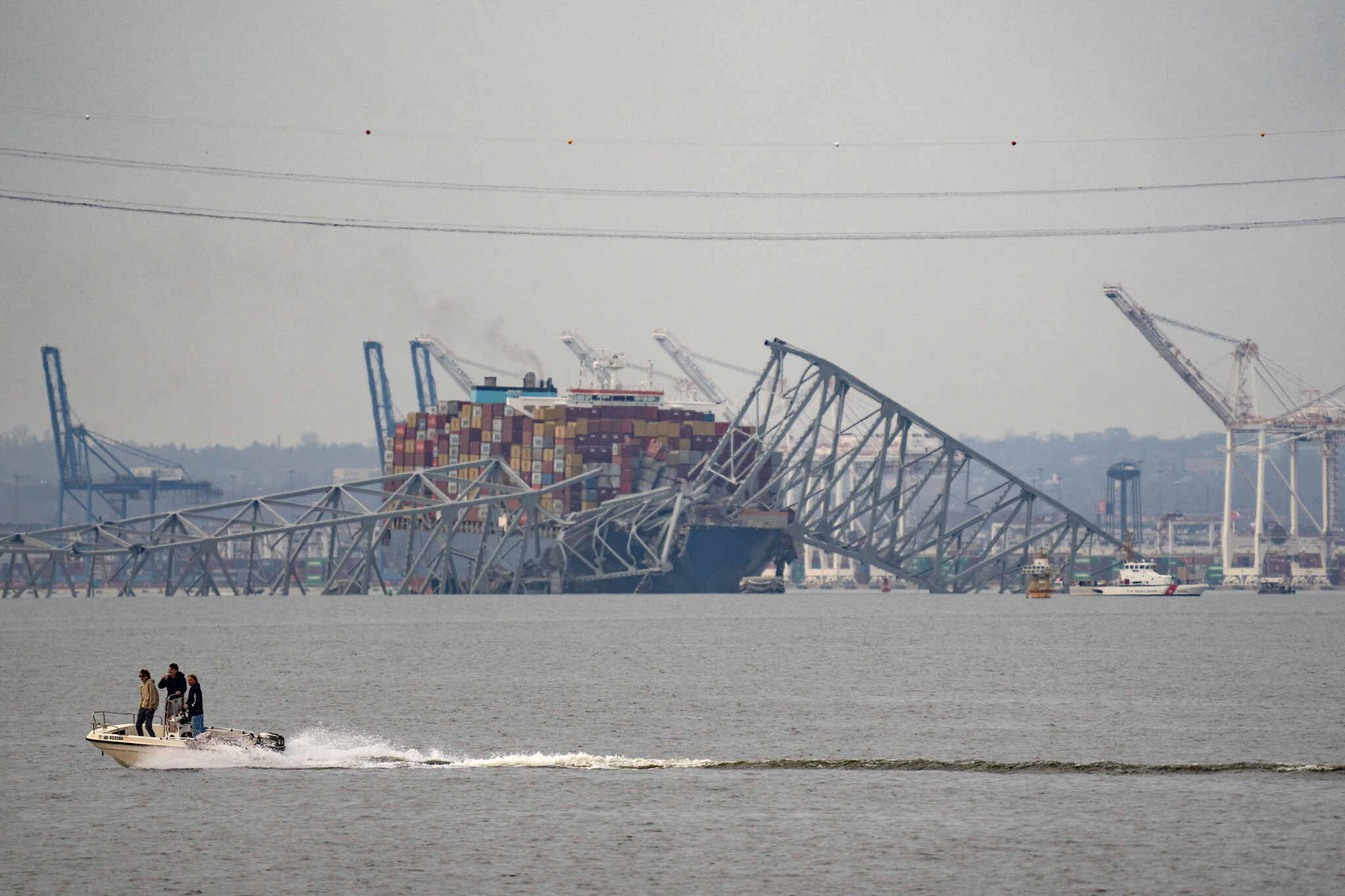
One high-profile incident occurred on March 26, 2024, when a container ship navigating the waters around Baltimore, Maryland, lost power and struck a pylon of the Francis Scott Key Bridge, bringing the large span into the harbor below and killing six maintenance workers.
Raviv, an accomplished skipper, said that Orca’s platform reduces the number of imminent close encounter events or near misses in open waters by around 50% to 60%.
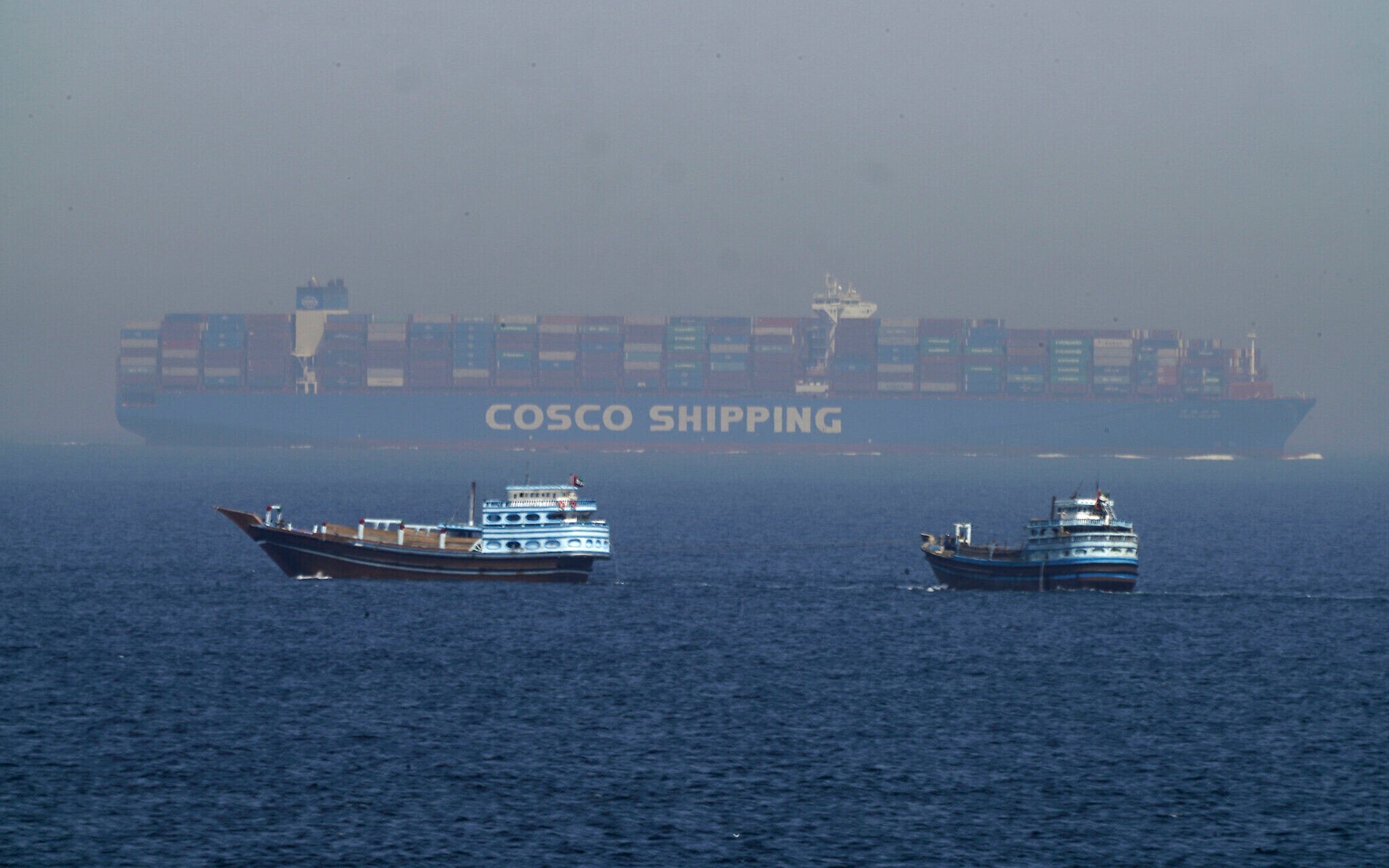
Attacks by Yemen’s Houthi rebels on ships navigating the Red Sea or Indian Ocean in recent years have also brought maritime safety issues to the fore, with several ships suffering serious damage from missiles or drones fired by the Iran-backed group in support of Hamas.
Many shippers began avoiding the route linking Asia and Europe via the Suez Canal altogether, instead taking the long way around the Horn of Africa. The longer trips put more wear and tear on the vessels, leading to an increase in maintenance issues and compounding existing industry stressors, experts say.
The Houthi attacks have halted since Israel and Hamas agreed to a ceasefire in October.
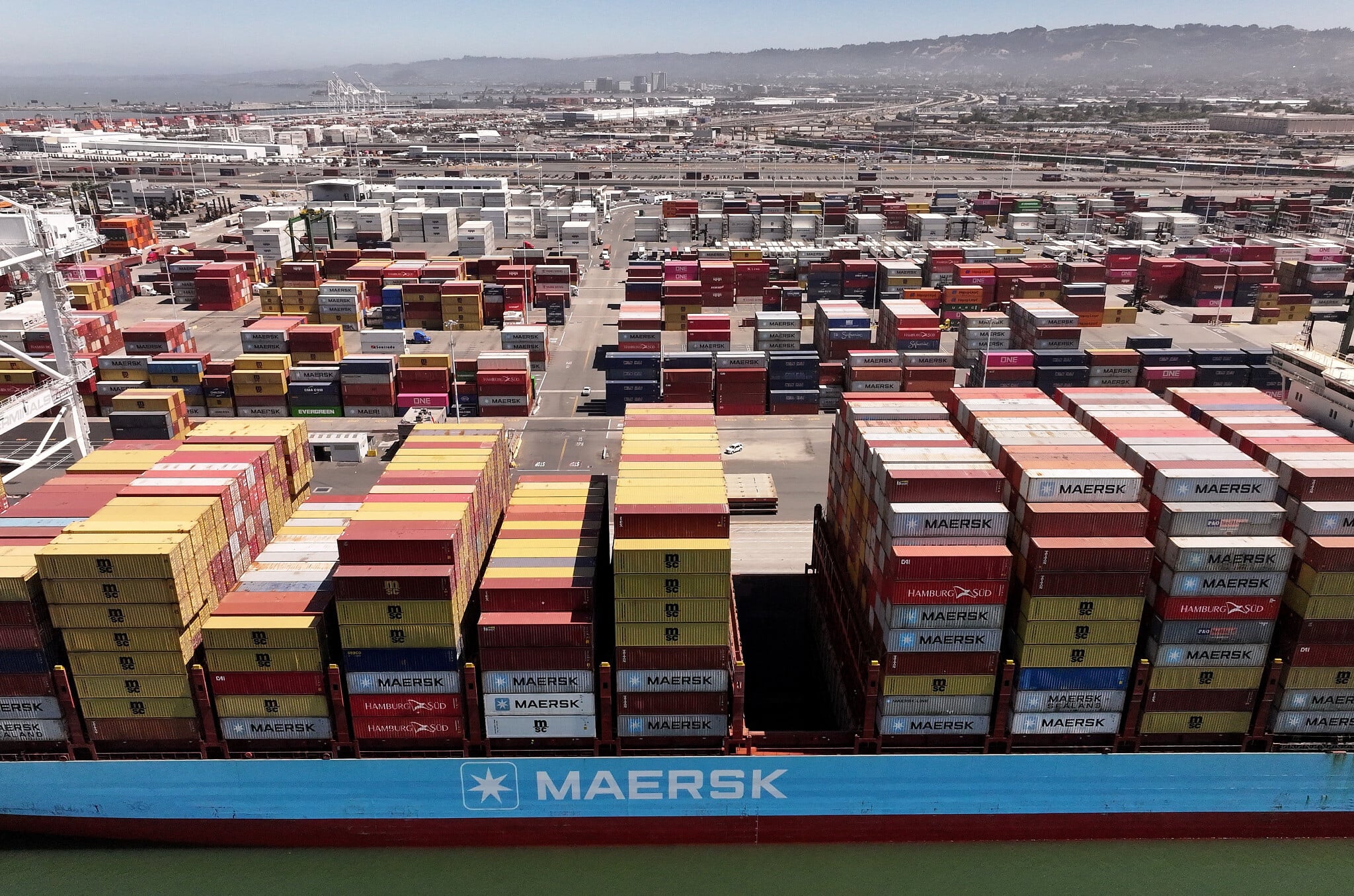
Orca says its autonomous maritime navigation system is installed on more than 1,000 vessels including in the largest shipping companies and fleets in the world, such as MSC, Maersk, Seaspan and NYK.
“We have collected more than 100 million nautical miles to teach our AI model and it’s constantly compounding, more centrioles, more visibility conditions, and more unique attributes of maritime operations, trained on 1,000 ships sailing daily,” said Raviv.
All data is fully anonymized, with only the location and observed conditions reported, ensuring complete privacy, Raviv added.
The startup is one of several firms bringing AI solutions to the shipping industry or maritime activity, including Israel’s Windward, which uses machine learning to analyze the freight industry, and SeaEra, which is developing systems for identifying underwater hazards.
According to the International Institute of Marine Surveying, some 420 marine firms or organizations adopted AI solutions in 2024, up from 276 in 2023, with the industry now valued at over $5.5 billion worldwide.
Orca, which employs 110 people in shipping hubs London, Athens and Singapore as well as Tel Aviv, has raised $111 million to date.
Like the cars Orca took inspiration from for its seaborne version of Waze, Raviv sees self-driving as the next frontier, and one in which the maritime industry can actually outpace vehicles navigating chaotic streets.
“We believe that one of the earliest industries to actually adopt full autonomy will be the shipping industry, as everything moves slower, distances are a little bit farther, and there are no kids running and playing ball on streets,” said Raviv. “It’s a little bit more of a simpler problem, which has its own challenges, but investing in autonomous shipping has massive benefit to greater growth of everyone, because we are all impacted by global commerce.”










The Times of Israel Community.