

Jewish promoter who brought Beatles to US dies at 95
Sid Bernstein decided to arrange concerts without even hearing group, also worked with Judy Garland, Jimi Hendrix and ABBA
 Add ToI as a Preferred Source on Google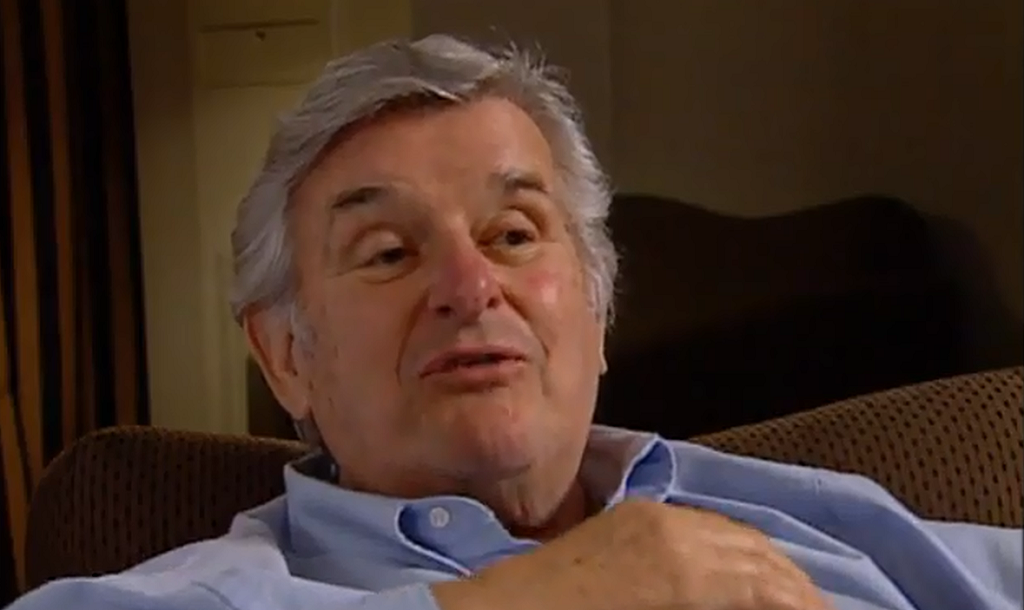
NEW YORK (AP) — Sid Bernstein, the promoter who brought the Beatles to Carnegie Hall in New York City just as their fame exploded in the US, has died. He was 95.
Bernstein’s daughter, Casey Deutsch, said her father died in his sleep Wednesday morning of natural causes.
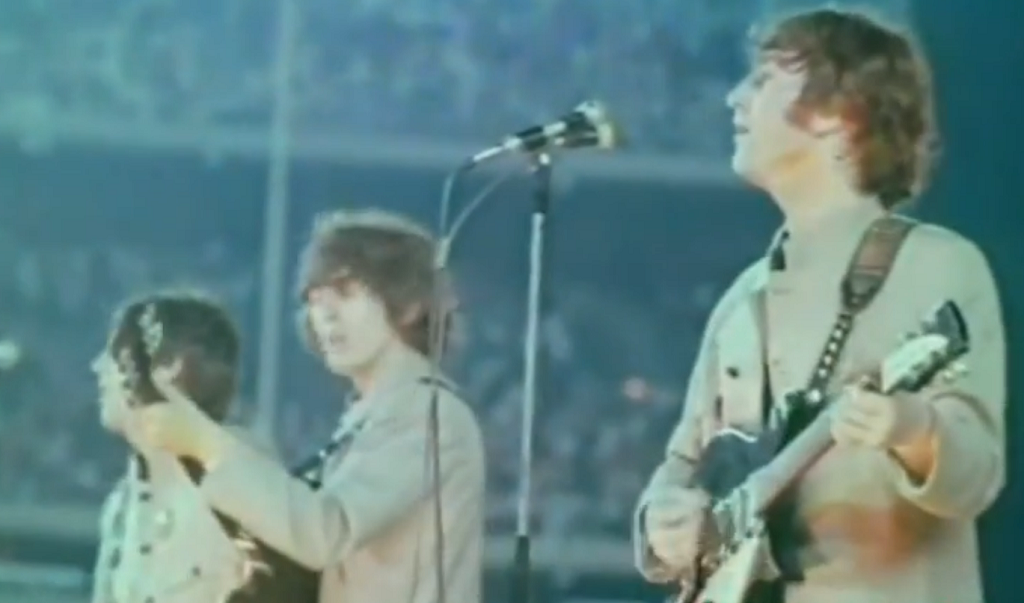
Bernstein made the Beatles the first rock group to play at the classical Carnegie Hall and arranged their historic 1965 show at Shea Stadium, rock’s first major stadium concert, which set box office records.
He also booked such top acts as Jimi Hendrix, Judy Garland and the Rolling Stones. He worked with Garland, Duke Ellington and Ray Charles and promoted Dion, Bobby Darin and Chubby Checker.
Bernstein was an early backer of ABBA, setting up the Swedish group’s first US appearances.
He also was behind one of the first rock benefit shows, the 1970 Winter Festival for Peace, and helped revive Tony Bennett’s career with a 1962 show at Carnegie Hall.
Bernstein had a studious side that led to his biggest break. He took a course on Western civilization that required students to read a British newspaper once a week. It was 1963, and the Beatles were just catching on in their native country.
“So here I am reading little stories about this group from Liverpool that is causing a lot of ‘hysteria.’ By the end of the course, I was so Beatle-ized by what I read, even though I did not hear a note, I said, ‘gotta get ’em.’ ” he explained in a 2001 interview with the music publication NY Rock Confidential.
As Bernstein recalled, he couldn’t get his agency interested in the group, so he handled the job himself.
The Beatles were still unknown in the US and the price was cheap — $6,500 for two shows.
The timing was perfect. By February 1964, Beatlemania had crossed over to the US, and the band was set to play on “The Ed Sullivan Show” just three days before the Carnegie concerts.
In 1965, he landed the group at Shea Stadium. Some 55,000 fans lost their voices and their minds. The New York Times described the scene as meeting the “classic Greek meaning of the word pandemonium — the region of all demons.”
Like so many in the music business, Bernstein was the hustling son of Jewish immigrants. He sneaked into the Apollo Theater as a boy and, while studying journalism at Columbia University, ran a ballroom that featured such Latino stars as Morales, Tito Puente and Marcelino Guera.
Over the past 20 years, Bernstein’s best client became himself. He wrote two memoirs, “It’s Sid Bernstein Calling” and “Not Just the Beatles,” and even recorded an album of duets.
At age 90, he started a Twitter account.
“Twitterland!” he called out in one post. “Let’s all have a productive week. I have a few very interesting projects in the works and I’ll reveal them very soon.”
Bernstein and his wife, Geraldine, were married for more than 40 years. They had six children.









The Times of Israel Community.