

Kibbutz ravaged on Oct. 7 petitions against government move pushing residents to return
Members of Nahal Oz, located just 800 meters from Gaza border, tell High Court sense of security has not been restored; state set to end subsidies for housing elsewhere
 Add ToI as a Preferred Source on Google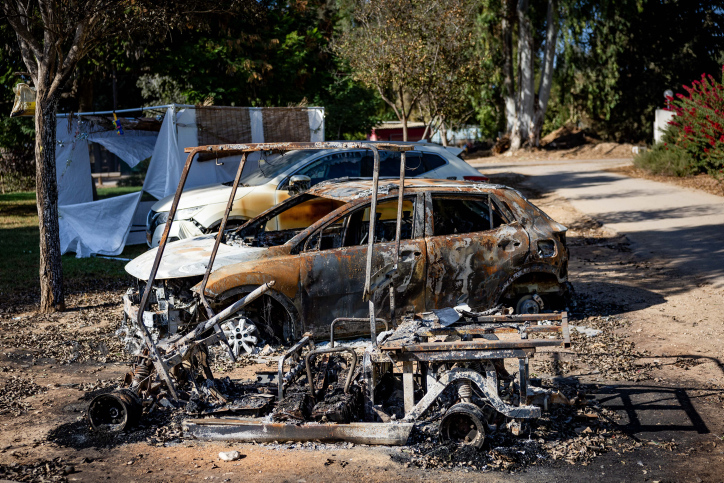
Residents of Kibbutz Nahal Oz near the Gaza border petition the High Court of Justice on Monday against a government move that would effectively compel them to return to their homes, arguing that the war still raging in the Strip, just a few hundred meters away, makes it too difficult.
The petition aims to block a government decision to end state funding for their temporary housing at other locations, where they have been staying since being evacuated after the kibbutz was attacked at the start of the war. The funding will stop in September, Haaretz reported.
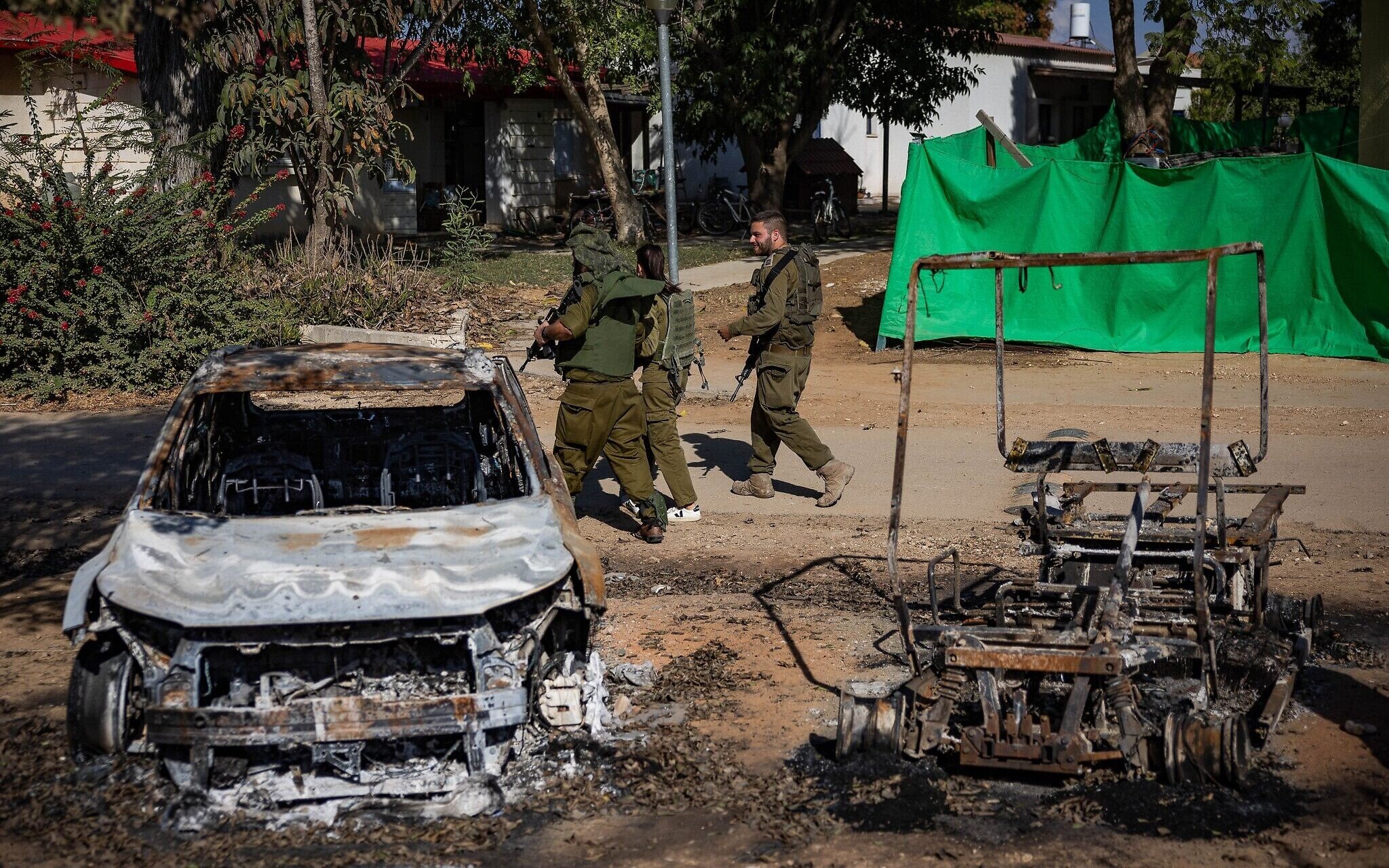
Citing the collective trauma the residents suffered during the Hamas-led invasion of October 7, 2023, they said noise from the war is clearly audible, noting that the continuing danger — including occasional stray rounds hitting the community — impacts their feeling of security and mental health.
On October 7, 2023, Hamas led 5,600 terrorists who stormed across the border, massacred some 1,200 people, and took 251 hostages to Gaza.
An IDF probe has found that 180 Hamas terrorists entered Nahal Oz, murdered 14 of its residents, and abducted seven others during their onslaught in the community, which lies just 800 meters from the border.
Some 120 kibbutz members signed Monday’s petition, among them several whose family members were killed or kidnapped during the Hamas attack.
They insisted that “the state enable every family the choice to return under conditions that are comfortable for it, with the aspiration in the end to return as many residents to Nahal Oz as is possible, from a place of strength and faith in the future of the kibbutz, and not under duress.”
They asked the court to issue a temporary stay on the government decision until the question is settled on whether an arrangement will be made for funding until the end of the war.
The petition recalled the death of Daniel Tragerman, a 4-year-old boy who was killed in 2014 during a previous bout of fighting between the IDF and Hamas in the Gaza Strip. Residents who had left the kibbutz during the fighting returned when a truce was reached, but Hamas then violated the ceasefire, reigniting the fighting, during which Tragerman was killed.
Efforts to reach a ceasefire in the current war have stalled.
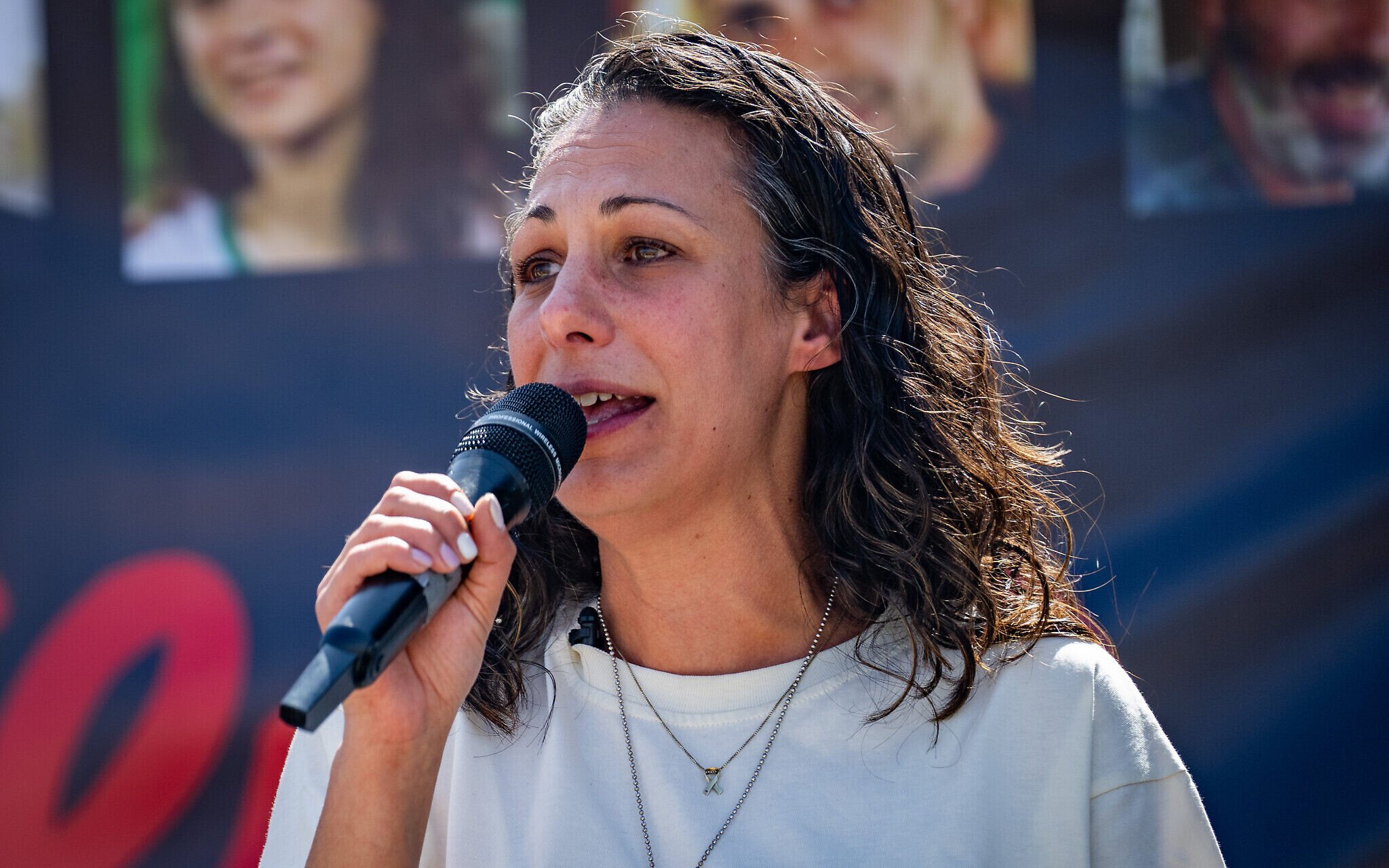
One of the signatories is Lishay Miran Lavi, wife of Omri Miran, who is held captive in Gaza and said in the petition: “You can’t have a normal life 800 meters from the border with Gaza, when Omri and another 49 hostages are languishing and suffering in the Hamas tunnels, and the sounds of explosions shake every home in the community.”
“Every morning they [the government] again explain to us that the war is not over and we are not going back to normal, so this definitely should be the case when it concerns our home, close to Gaza,” she wrote.
Two weeks ago, several stray rounds hit a residential area of the kibbutz, according to Hebrew media reports.
Avishai Edri, a father of four from the kibbutz, told Haaretz that, emotionally, after what the residents went through on October 7, “we can’t go back at the moment. We want to return, but [only] when the war ends and we get the security we deserve.”
Edri said that the “blind faith” that residents previously had in the security establishment to protect them was lost in the Hamas attack, and now they expect “logic in decisions, and that those are made in consultation with us.”
In a statement Tuesday, the kibbutz said that “the state failed in the defense of Nahal Oz and the border communities on October 7, failed to return the hostages to their families after 22 months of war, and is failing yet again in its degrading treatment of the kibbutz and its residents.”
Immediately after the Hamas invasion, the state evacuated 46 rural communities and the city of Sderot — all of which fall within seven kilometers (4.3 miles) of the Gaza border.
By the end of May 2025, the Tekuma Directorate, which is overseeing rehabilitation, said that 92 percent of the population had returned home.
Sue Surkes contributed to this report.







The Times of Israel Community.