

Lebanese PM admits ‘excessive force’ used against trash protesters
As riots hit Beirut over mounting garbage crisis, Tammam Salam says he stands ‘with the citizens’
 Add ToI as a Preferred Source on Google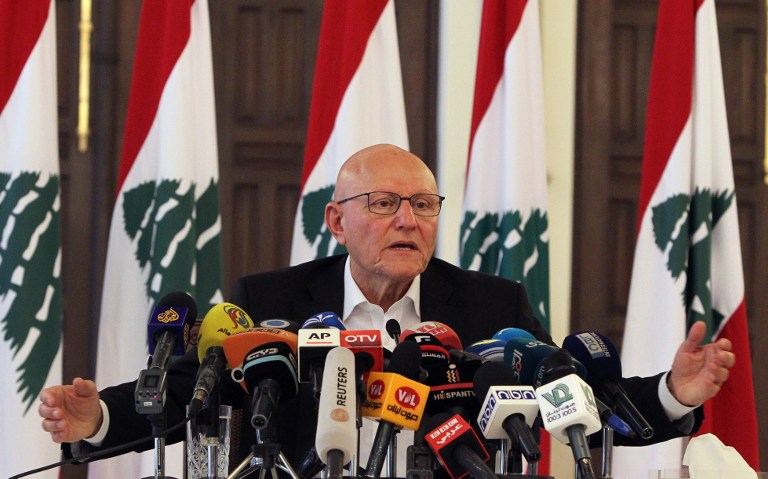
Lebanon’s prime minister said Sunday he was ready to meet with members of a growing movement protesting the country’s trash crisis, and admitted that “excessive force” had been used against demonstrators.
Protesters headed back to central Beirut on Sunday morning, joining those who had spent the night there in tents after evening protests spiraled into clashes with security forces.
In a press conference, Lebanese Prime Minister Tammam Salam said he stood “with the people and with the citizens.”
Addressing the protesters, he said he extended his “hand to civil society. I’m ready to listen to you and sit with you.”
He also pledged to hold accountable those “responsible” for using “excessive force against civil society and against the people.”
“We cannot allow yesterday’s events to pass without accountability and follow-up,” Salam said, adding that security services “will be held accountable.”
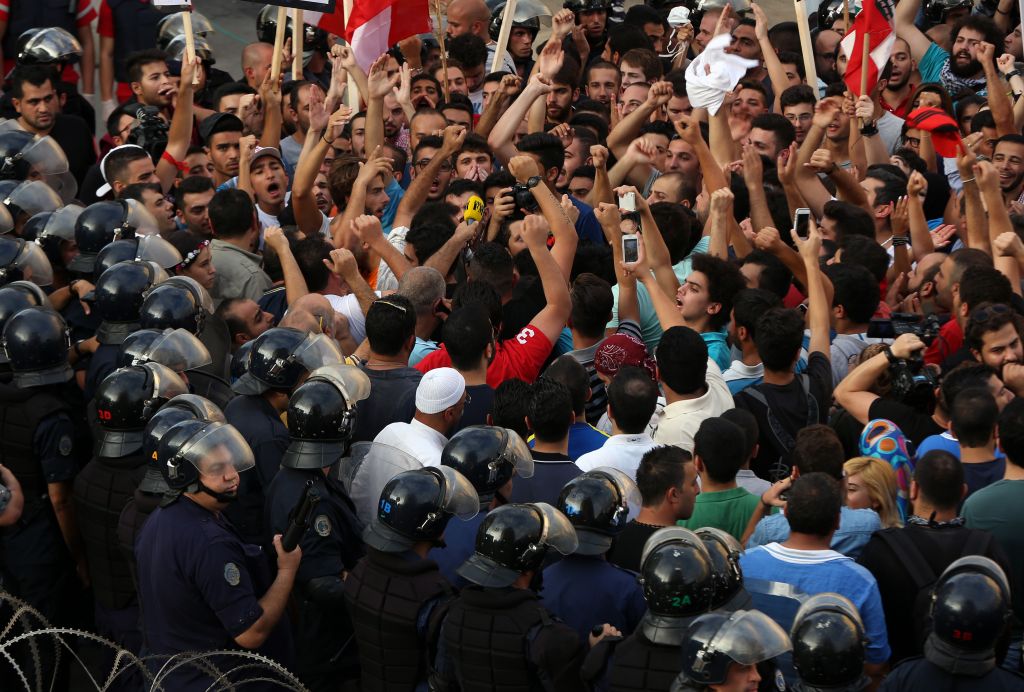
On Saturday evening, protesters clashed near government buildings with security forces who donned riot gear and used tear gas, water cannons, and gunfire to disperse the crowds.
Furious demonstrators posted videos and photos on social media of security forces firing into the air and beating back protesters.
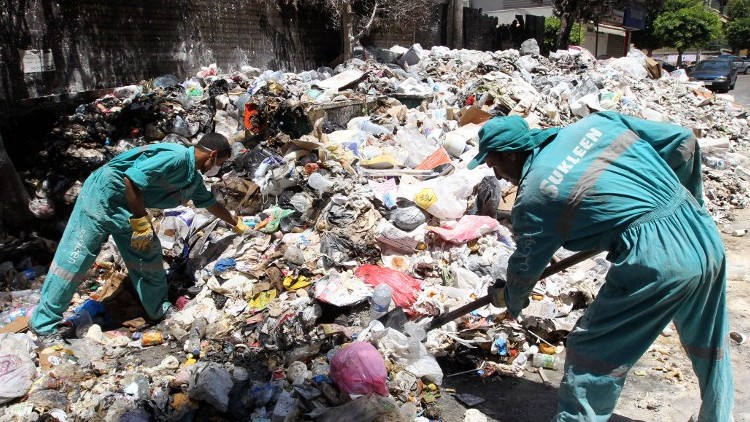
Protests in recent weeks have called for a comprehensive solution to Lebanon’s trash crisis, which has seen piles of waste growing in Beirut and elsewhere since the country’s largest landfill shut down on July 17.
But demands posted online on Sunday by the “You Stink” campaign, which has organized recent protests, called for the government’s resignation and parliamentary elections.
The group also called for the prosecution of Interior Minister Nuhad Mashnuq and of the security forces who had fired on protesters.
At his press conference, Salam said the country’s trash crisis was the “straw that broke the camel’s back.”
“But the story is bigger than this straw. This is about the political trash in this country,” he said.
He called on Lebanon’s cabinet to meet next week to find a solution to the crisis, railing against the political divisions that have paralyzed Lebanon’s government institutions.
Profound political rifts have kept Lebanon without a head of state since May 2014, leaving a caretaker cabinet — also deeply divided — in charge.




The Times of Israel Community.